Tell us about the job
Takes about a minute. No obligation.
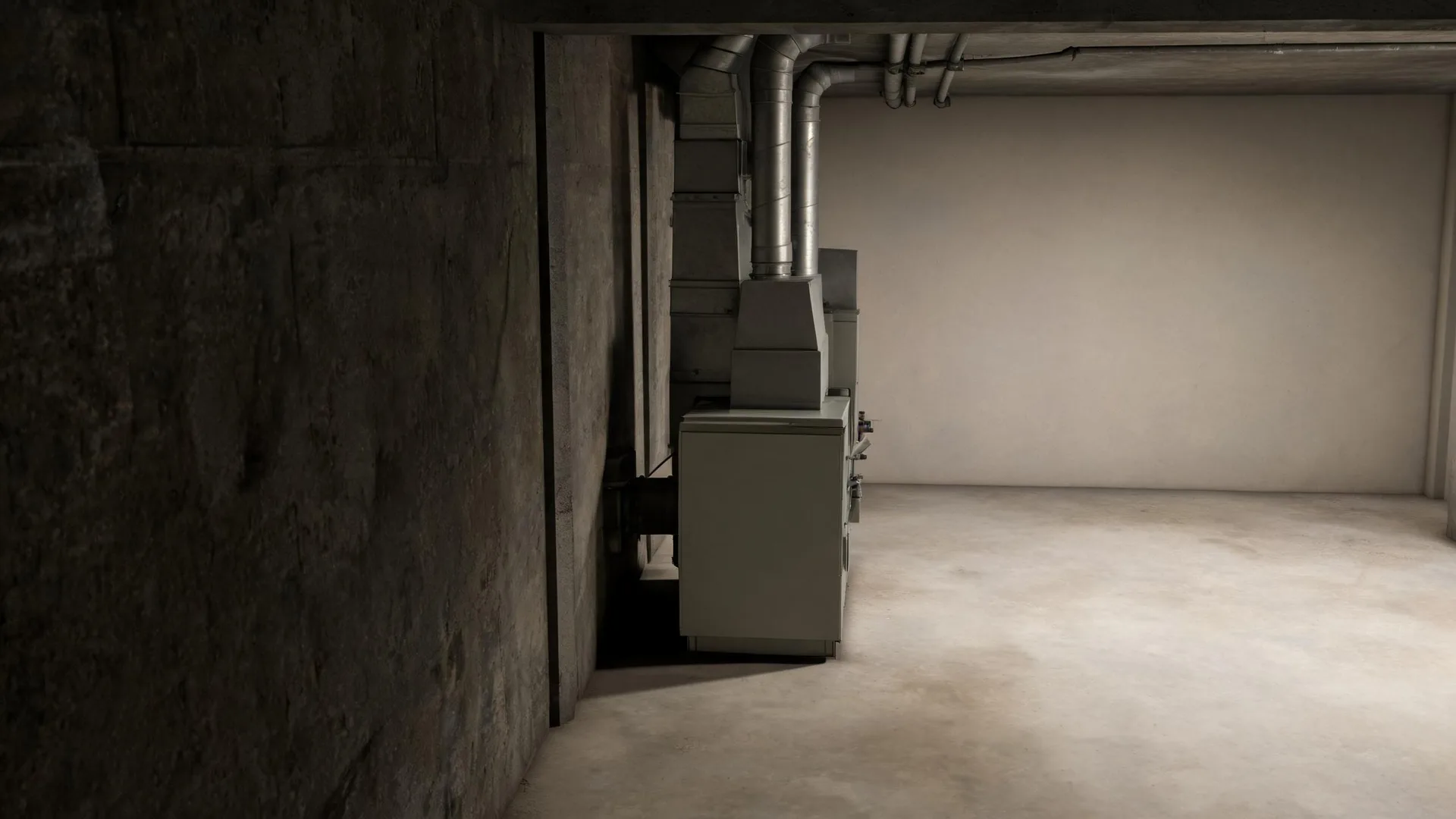
Homes in Johnson County, MO run heat about seven months a year, from October through April. A furnace working through that kind of heating load puts its real wear on the burner assembly, the heat exchanger, and the ignition system, each of which cycles every time the house calls for heat. A contractor diagnosing a furnace here checks those parts first, because that is where the accumulated starts show up as cracks, corrosion, or failed igniters. Ductwork and filters matter, but they rarely explain a furnace that cannot keep up on a cold January morning.
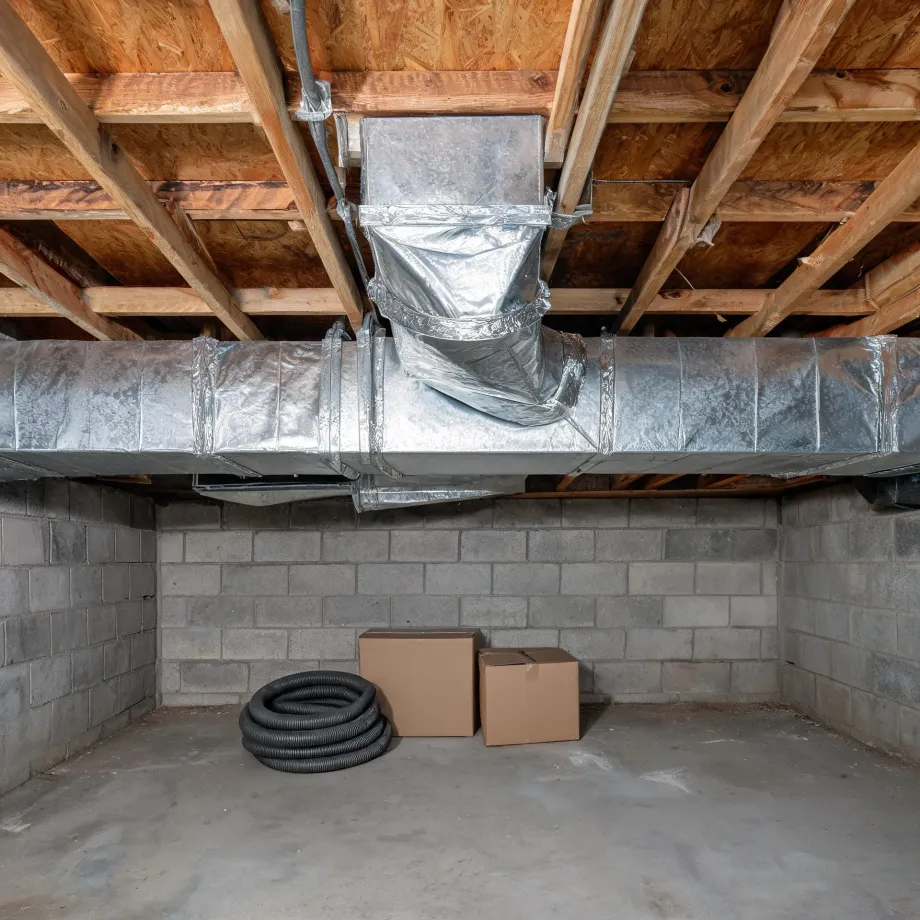
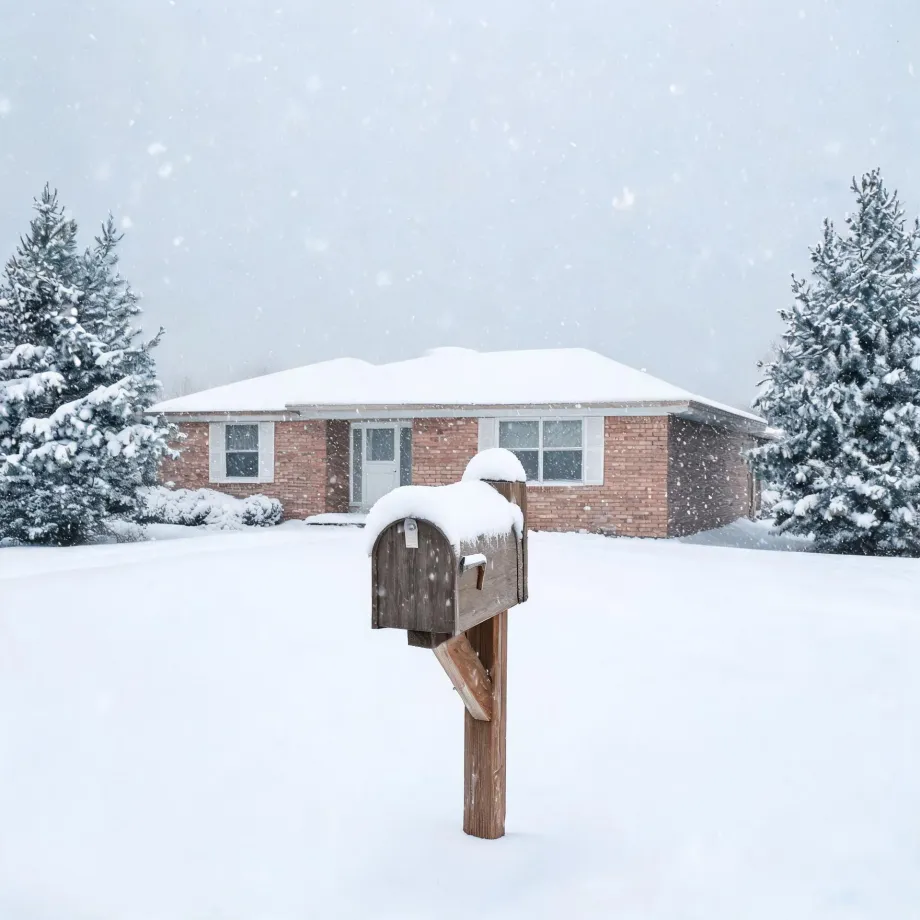
Furnace stock in this county carries a repair history that shows up once a contractor opens the unit. Half the homes in Johnson County, Missouri were built in 1990 or earlier (2020-2024 ACS 5-year). A system running in a house that old has often been swapped out at least once, and the heat exchanger, flue connections, and ductwork around it were configured for whatever came before. When a contractor pulls the panels, they are looking at whether those combustion pathways and connections match what is running now, or whether a previous repair papered over a fit problem. Parts for furnaces of this vintage are still available from some manufacturers but not all, and that availability shapes what the repair actually costs.
The Parts of a Furnace a Contractor Checks First
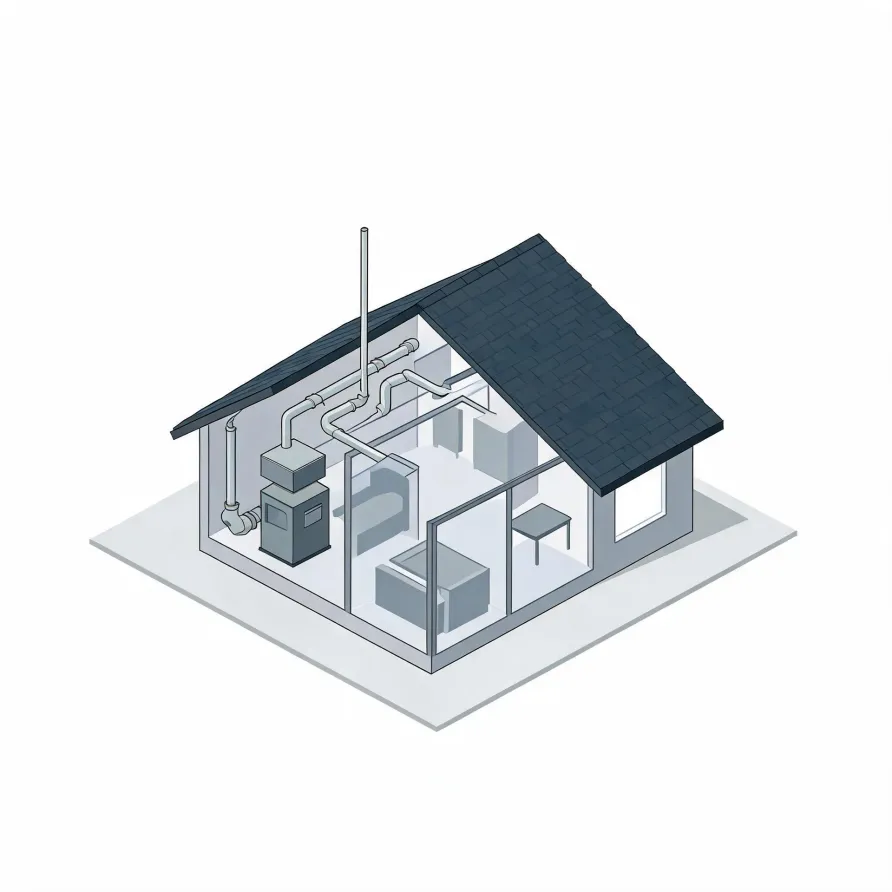
The heat exchanger sits inside the furnace cabinet in the basement or utility closet and is where combustion gases warm the air that moves through your home. Cracks or failures here are among the first things a contractor looks for, because a damaged heat exchanger affects both heat output and safety. The burner assembly sits just below it and is what a contractor checks when the furnace fails to ignite or runs unevenly.
The blower motor and its fan wheel sit at the base of the cabinet and push conditioned air out into the supply ducts. The inducer motor pulls combustion gases out through the flue and is a common repair point when a furnace shuts itself off mid-cycle. The control board ties all of these together and is where a contractor reads fault codes to narrow down which part has failed.
The drawing shows a typical furnace layout, and a licensed contractor determines which components apply to the specific equipment and setup in your home.
Find a contractor in Johnson CountyJohnson County, Missouri, by the numbers
148 severe weather events were recorded in Johnson County, Missouri between 2015 and 2024.
NOAA National Centers for Environmental Information, Storm Events Database, bulk CSV export, events 2015-01-01 through 2024-12-31.Half the homes in Johnson County, Missouri were built in 1990 or earlier (2020-2024 ACS 5-year).
U.S. Census Bureau, 2020-2024 American Community Survey 5-Year EstimatesJohnson County, Missouri holds 22,731 housing units (2020-2024 ACS 5-year).
U.S. Census Bureau, 2020-2024 American Community Survey 5-Year EstimatesOwners occupy 63.5% of the occupied homes in Johnson County, Missouri (2020-2024 ACS 5-year).
U.S. Census Bureau, 2020-2024 American Community Survey 5-Year EstimatesCodes & Standards Governing Furnace Repair in Johnson County, Missouri4 sourced rules and standards
What happens when a contractor comes out for furnace repair in Johnson County
Non-weatherized gas furnaces manufactured on or after November 19, 2015 must reach 80.0 percent AFUE.
Non-weatherized oil-fired furnaces manufactured on or after November 19, 2015 must reach 83.0 percent AFUE.
Mobile home gas furnaces manufactured on or after November 19, 2015 must reach 80.0 percent AFUE.
Non-weatherized gas furnaces manufactured on or after December 18, 2028 must reach 95.0 percent AFUE, up from the 80.0 percent minimum that applies to units manufactured before that date.
Severe Weather Events in Johnson County
Extreme weather puts mechanical stress on furnaces, pushing equipment harder and shortening the window between service calls. How much of that pressure Johnson County sees year to year is a local fact, and it shapes what repair work here actually looks like.
148 severe weather events, 2015–2024. Source: NOAA National Centers for Environmental Information, Storm Events Database.