Tell us about the job
Takes about a minute. No obligation.
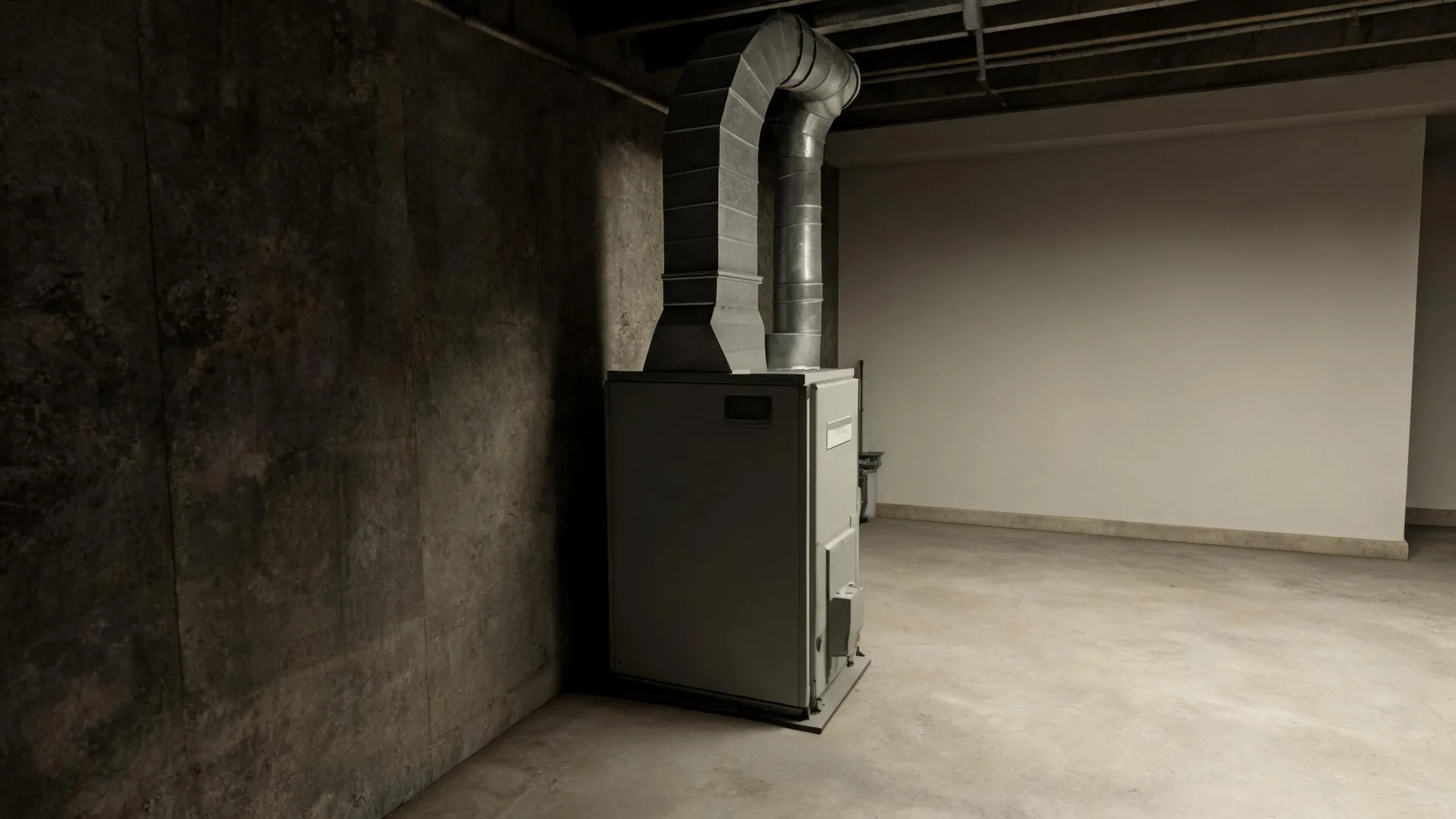
The burner, the heat exchanger, and the ignition system in a Lafayette County furnace carry the full weight of a long heating season before anything fails visibly. Homes in Lafayette County, MO run heat about seven months a year, from October through April. By the time a homeowner calls, the ignition system has cycled repeatedly across those months, and a contractor checking a repair here looks at wear on those parts first, not last. A heat exchanger that has expanded and contracted through cold after cold is where a diagnostic starts.
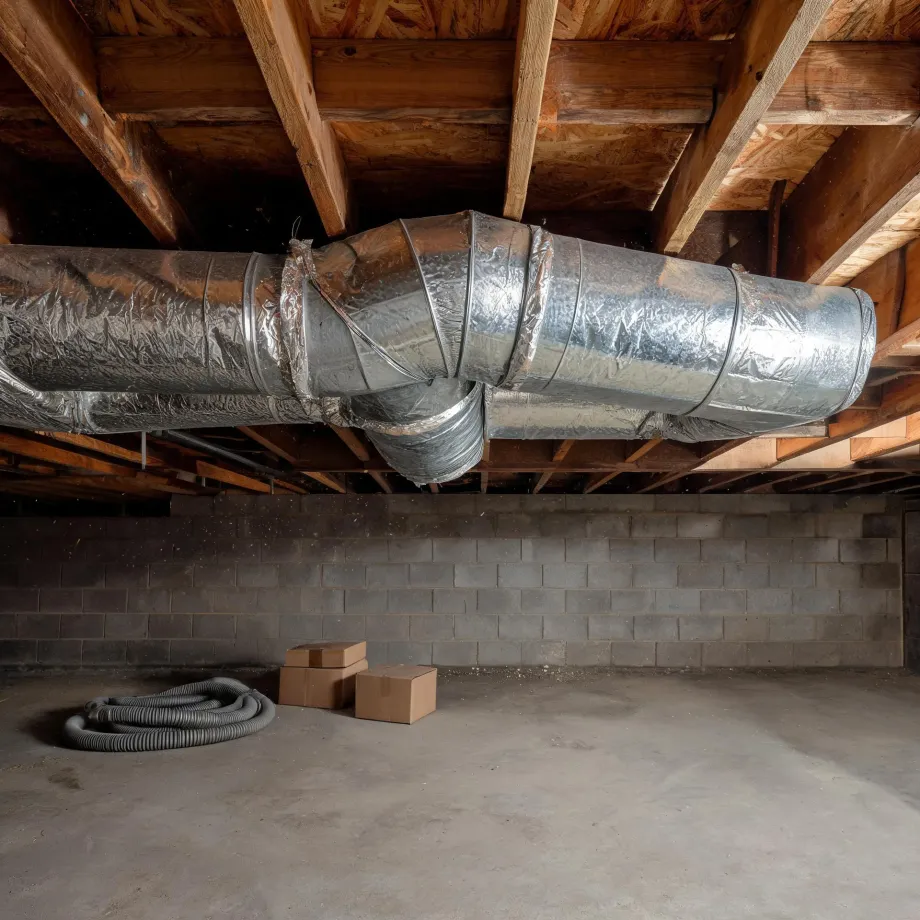
Half the homes in Lafayette County, Missouri were built in 1975 or earlier (2020-2024 ACS 5-year). A furnace running in a house this age has almost certainly been replaced or retrofitted at least once, but the heat exchanger, the limit switches, and the secondary components around it may not have been. When a contractor opens a furnace in stock like this, the question that decides the job is whether the parts that unit actually takes are still in production, or whether the search leads to specialty suppliers and longer waits. That answer comes from what is inside the cabinet, not from the address.
The Parts of a Furnace a Contractor Checks First
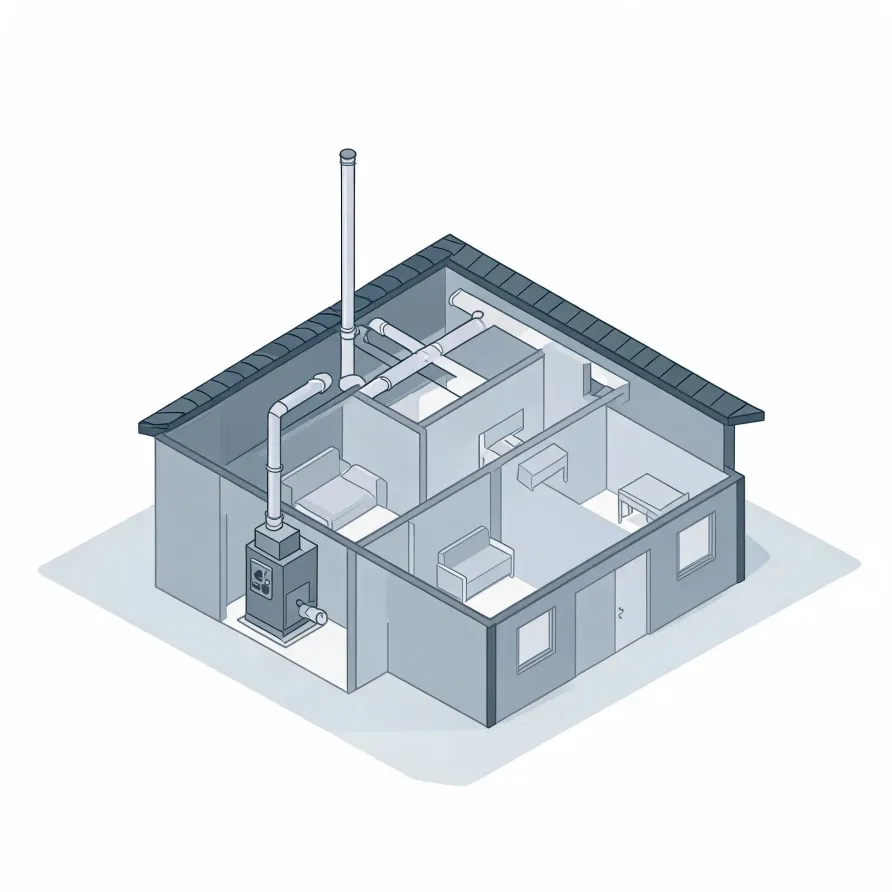
The heat exchanger sits at the center of the furnace cabinet and is where combustion gases warm the air that circulates through your home. A crack or failure there is serious. The burners, which fire directly beneath it, are the first thing a contractor looks at when the system is producing no heat or uneven heat.
The blower motor and its fan wheel sit in the lower section of the cabinet and push conditioned air out through the supply plenum. The ignitor and flame sensor work together at the burner assembly, and either one can stop a furnace from lighting at all. The flue pipe runs from the cabinet to an exterior wall or chimney and carries exhaust out of the house.
The drawing shows the general layout of a furnace system, and a licensed contractor determines which components apply and what condition they are in for your specific house.
Get matched in Lafayette CountyLafayette County by the numbers
97 severe weather events were recorded in Lafayette County, Missouri between 2015 and 2024.
NOAA National Centers for Environmental Information, Storm Events Database, bulk CSV export, events 2015-01-01 through 2024-12-31.Half the homes in Lafayette County, Missouri were built in 1975 or earlier (2020-2024 ACS 5-year).
U.S. Census Bureau, 2020-2024 American Community Survey 5-Year EstimatesLafayette County, Missouri holds 14,221 housing units (2020-2024 ACS 5-year).
U.S. Census Bureau, 2020-2024 American Community Survey 5-Year EstimatesOwners occupy 75.7% of the occupied homes in Lafayette County, Missouri (2020-2024 ACS 5-year).
U.S. Census Bureau, 2020-2024 American Community Survey 5-Year EstimatesCodes & Standards Governing Furnace Repair in Lafayette County, Missouri4 rules & standards
What HVAC Repair Looks Like in Lafayette County
Non-weatherized gas furnaces manufactured on or after November 19, 2015 must reach 80.0 percent AFUE.
Non-weatherized oil-fired furnaces manufactured on or after November 19, 2015 must reach 83.0 percent AFUE.
Mobile home gas furnaces manufactured on or after November 19, 2015 must reach 80.0 percent AFUE.
Non-weatherized gas furnaces manufactured on or after December 18, 2028 must reach 95.0 percent AFUE, up from the 80.0 percent minimum that applies to units manufactured before that date.
Severe Weather Events in Lafayette County
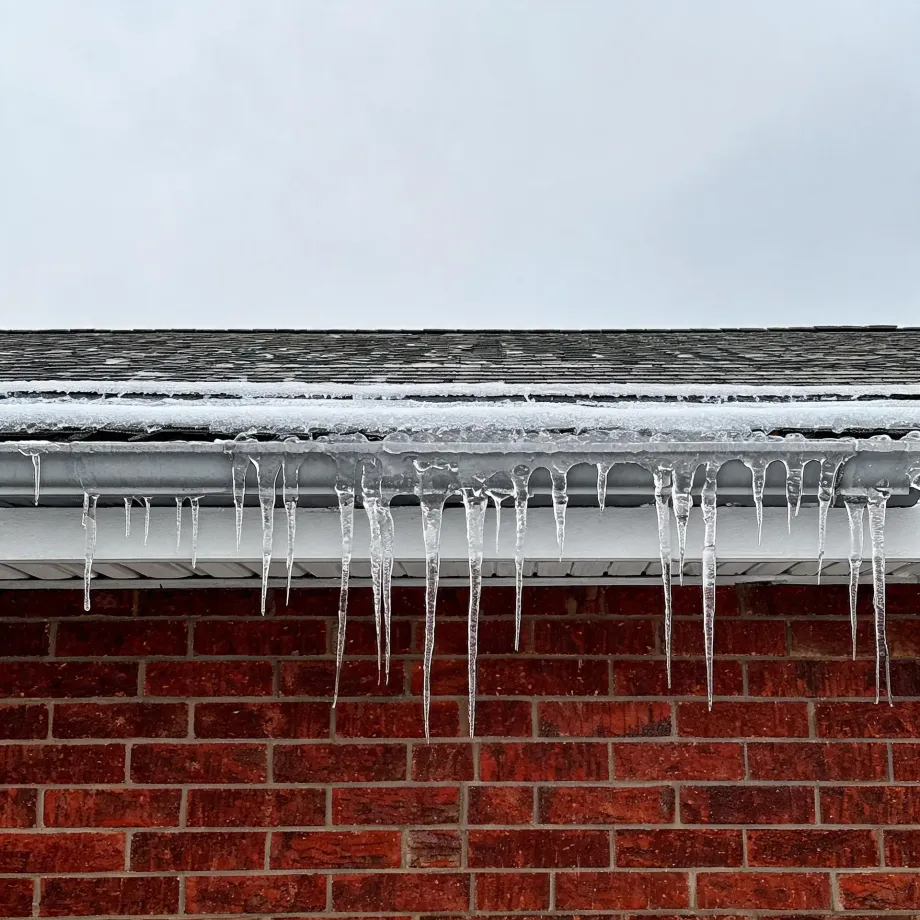
Extreme weather puts real strain on heating equipment, and what happens in Lafayette County is not the same as what happens two states over. A furnace that cycles hard through local conditions wears differently, and repair needs follow from that.
97 severe weather events, 2015–2024. Source: NOAA National Centers for Environmental Information, Storm Events Database.