Tell us about the job
Takes about a minute. No obligation.
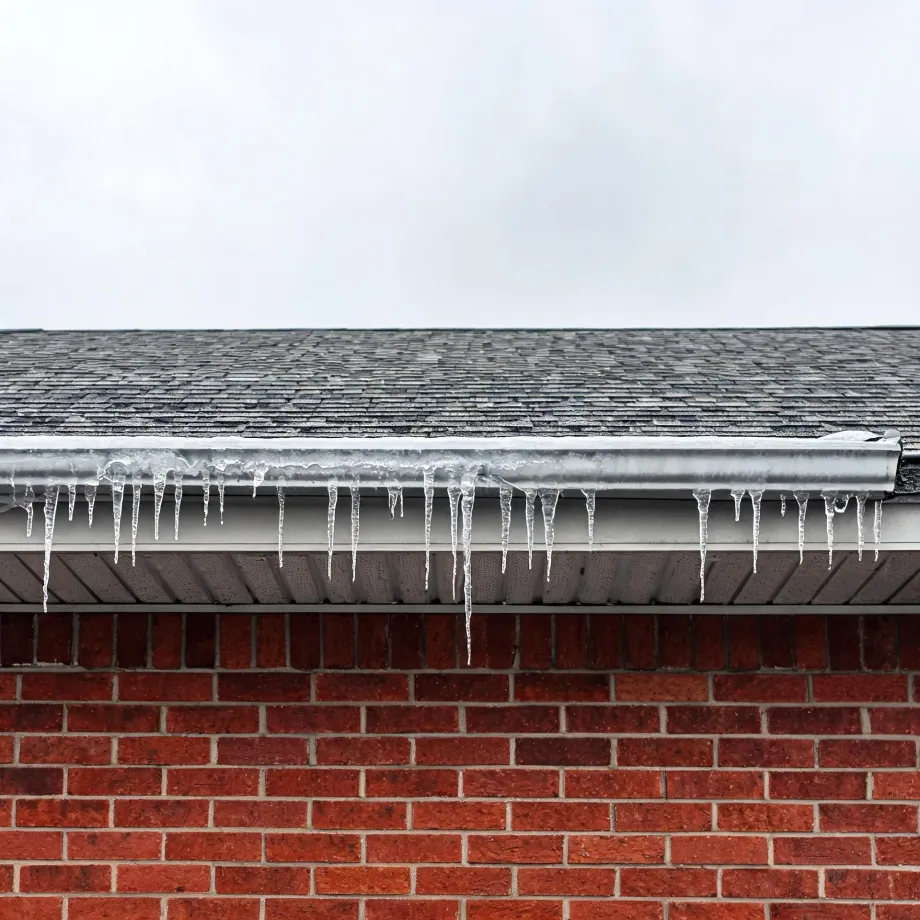
The burner assembly and heat exchanger on a furnace in this area cycle hard through a long, unbroken stretch of cold months. Homes in Cass County, MO run heat about seven months a year, from October through April. By the time spring arrives, a furnace here has run its ignition system and heat exchanger through more on-off cycles than most homeowners picture. A contractor diagnosing a problem checks those components before anything else, because stress fractures in heat exchangers and worn igniter assemblies are what this kind of season produces. Ductwork seals and filter housings get attention next, since sustained runtime exposes any weakness that a short season might leave hidden another year.
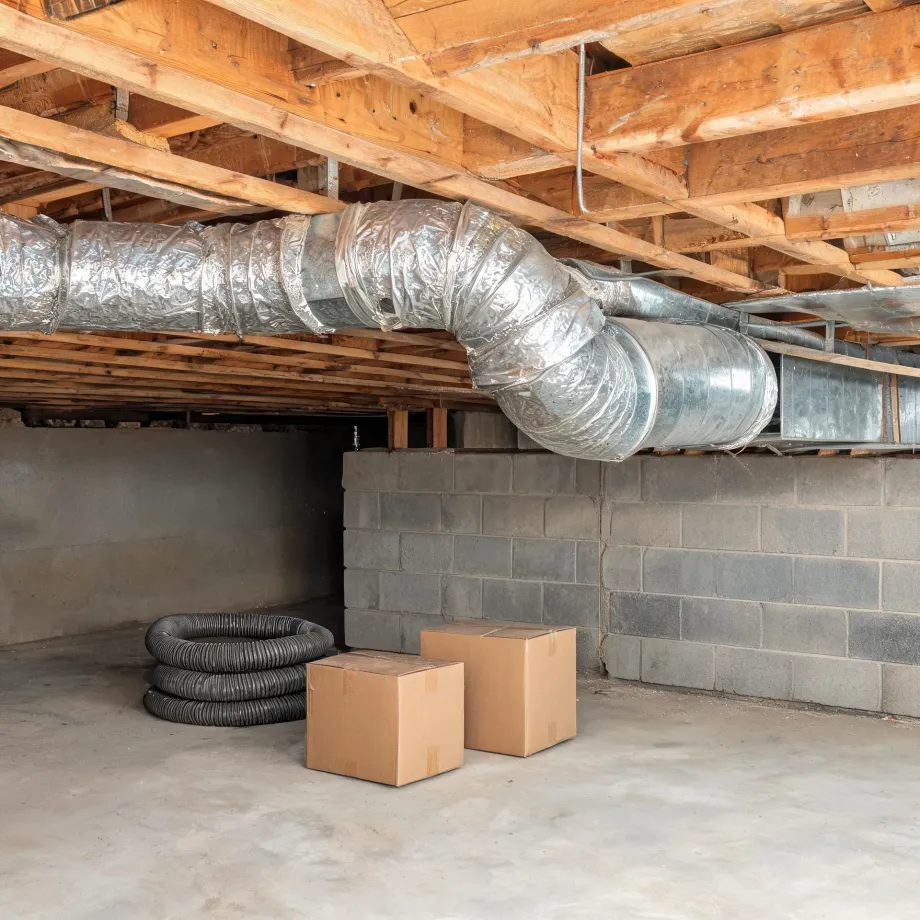
Furnaces in older housing stock tend to carry a repair history that only shows up once a contractor opens the unit. Half the homes in Cass County, Missouri were built in 1992 or earlier (2020-2024 ACS 5-year). Stock that age has often had components swapped across different service calls, which means a furnace running today may draw from several generations of parts, some of which manufacturers no longer produce. A contractor working on a system like that has to identify the actual part before any repair can be priced, because availability decides whether the fix is straightforward or whether the whole scope changes.
The Parts of a Furnace a Contractor Checks First
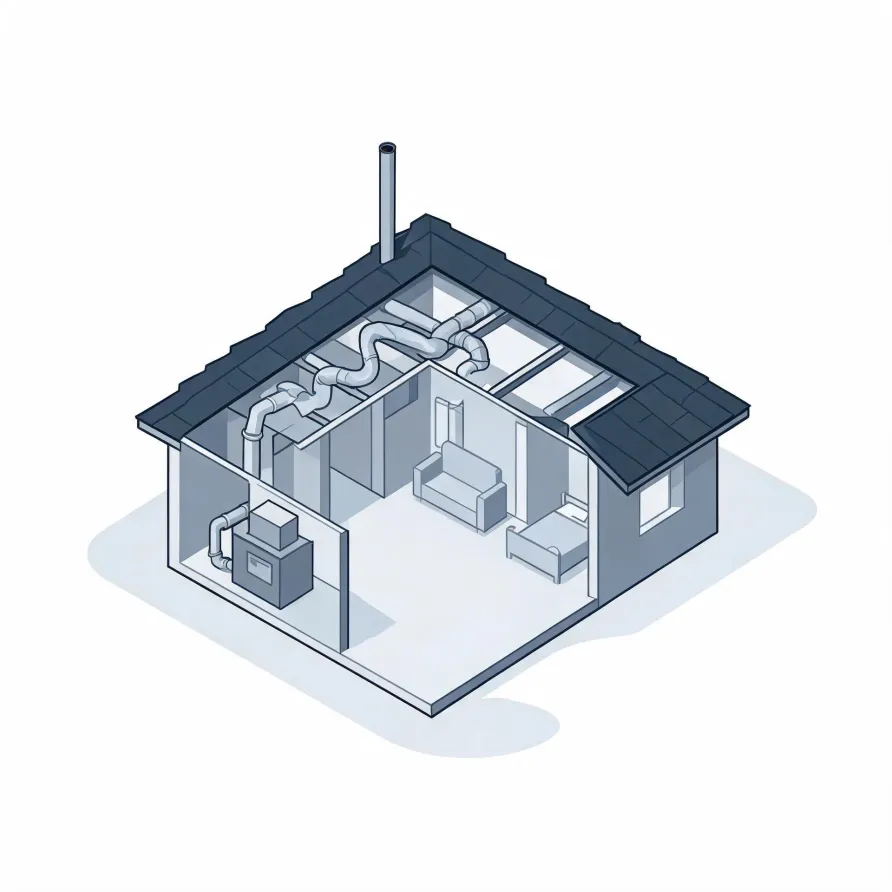
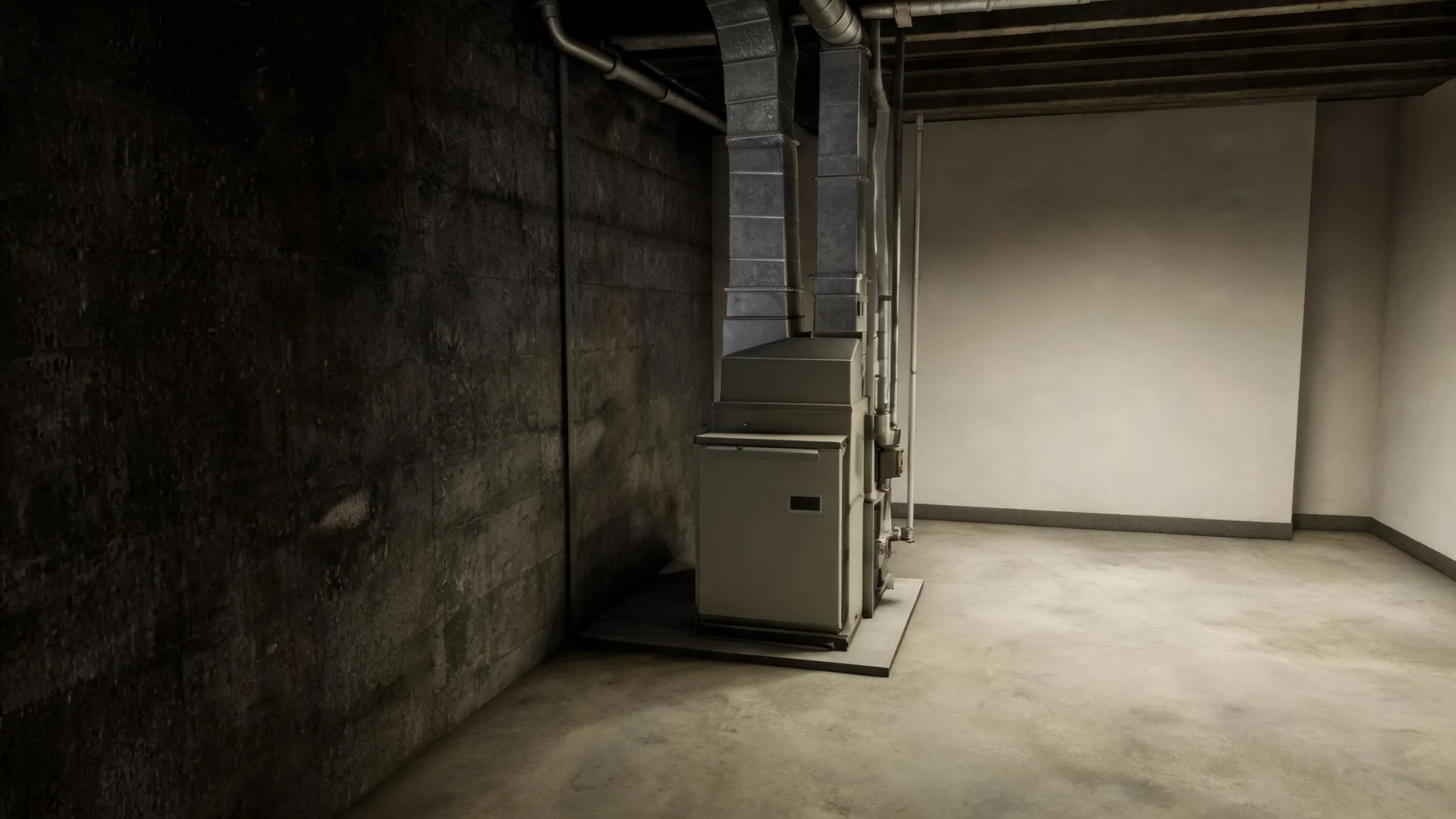
The furnace cabinet sits in a basement, utility closet, or mechanical room and is where most repair calls lead. Inside it, the heat exchanger is the piece a contractor looks at hard: cracks or corrosion there let combustion gases into the living space. The burners, which sit just below it, are another early stop when the system fails to heat or ignites poorly.
The blower motor and its fan wheel move conditioned air out through the supply side of the duct system. The inducer motor and the flue assembly handle exhaust gases and are common sources of noise complaints and shutdown faults. The control board ties all of it together, and a fault there can look like failures in several other parts at once.
The drawing shows a typical furnace layout, and a licensed contractor determines which components apply to your specific system and situation.
Find a contractor in Cass CountyCass County, by the numbers
178 severe weather events were recorded in Cass County, Missouri between 2015 and 2024.
NOAA National Centers for Environmental Information, Storm Events Database, bulk CSV export, events 2015-01-01 through 2024-12-31.Half the homes in Cass County, Missouri were built in 1992 or earlier (2020-2024 ACS 5-year).
U.S. Census Bureau, 2020-2024 American Community Survey 5-Year EstimatesCass County, Missouri holds 45,834 housing units (2020-2024 ACS 5-year).
U.S. Census Bureau, 2020-2024 American Community Survey 5-Year EstimatesOwners occupy 75.6% of the occupied homes in Cass County, Missouri (2020-2024 ACS 5-year).
U.S. Census Bureau, 2020-2024 American Community Survey 5-Year EstimatesCodes & Standards Behind Furnace Repair in Cass County, Missouri4 sourced rules and standards
What Happens When the Contractor Comes Out
Non-weatherized gas furnaces manufactured on or after November 19, 2015 must reach 80.0 percent AFUE.
Non-weatherized oil-fired furnaces manufactured on or after November 19, 2015 must reach 83.0 percent AFUE.
Mobile home gas furnaces manufactured on or after November 19, 2015 must reach 80.0 percent AFUE.
Non-weatherized gas furnaces manufactured on or after December 18, 2028 must reach 95.0 percent AFUE, up from the 80.0 percent minimum that applies to units manufactured before that date.
Severe Weather Events in Cass County
Hard weather puts real hours on a furnace. The more a system has to work against cold snaps, power fluctuations, and pressure swings, the sooner its parts ask for attention, which is why local weather history matters when you're thinking about repair work in Cass County.
178 severe weather events, 2015–2024. Source: NOAA National Centers for Environmental Information, Storm Events Database.