Tell us about the job
Takes about a minute. No obligation.
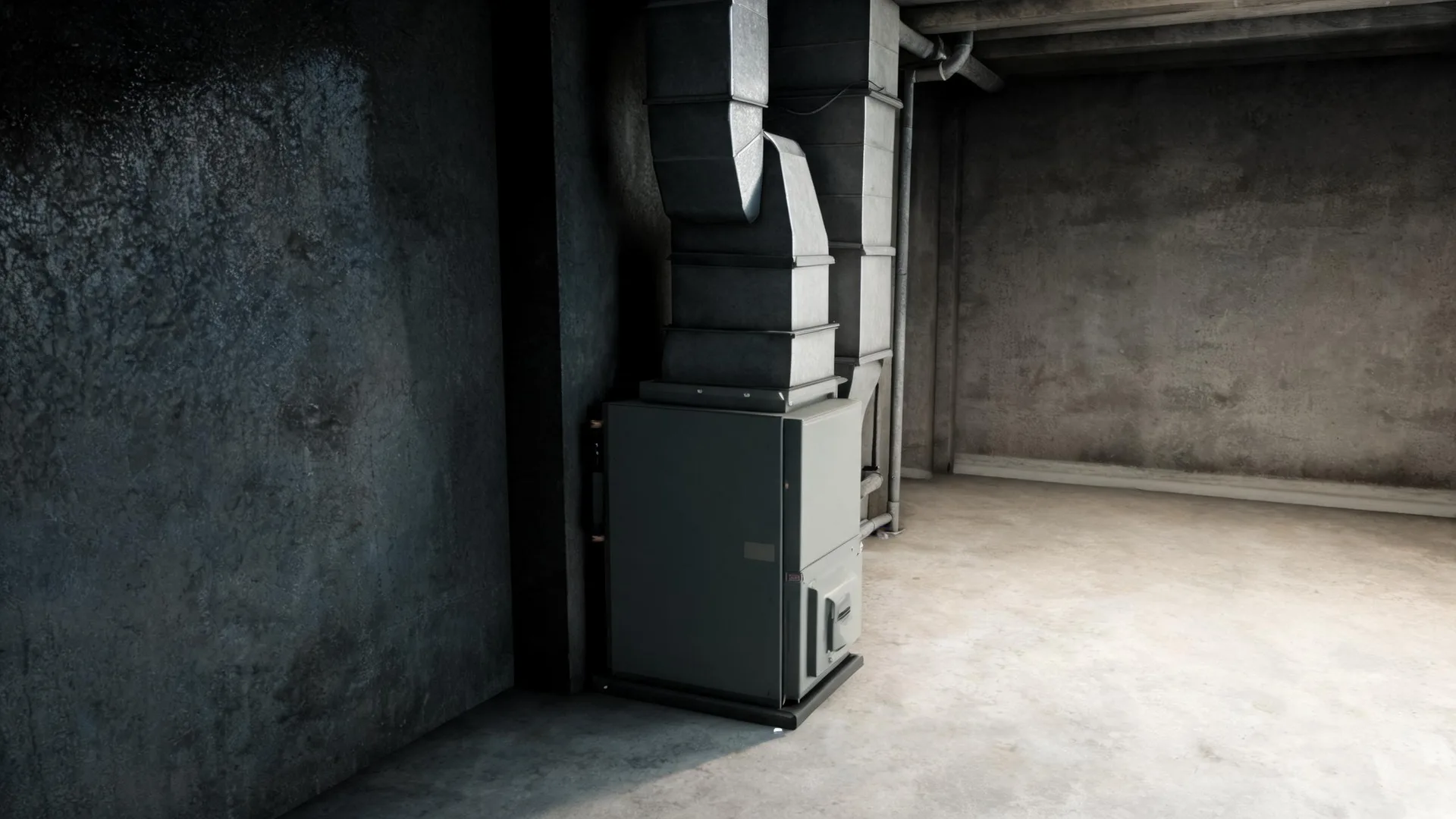
On a furnace repair call in Jackson County, a contractor's first look goes to the burner, the heat exchanger, and the ignition system, because those parts cycle every time the furnace fires and they carry the full weight of a long heating season. Homes in Jackson County, MO run heat about seven months a year, from October through April. A cracked heat exchanger or a worn igniter does not announce itself during the idle months; it shows up on the first cold morning the furnace runs hard. Contractors who skip those components and quote around them are pricing against the wrong parts.
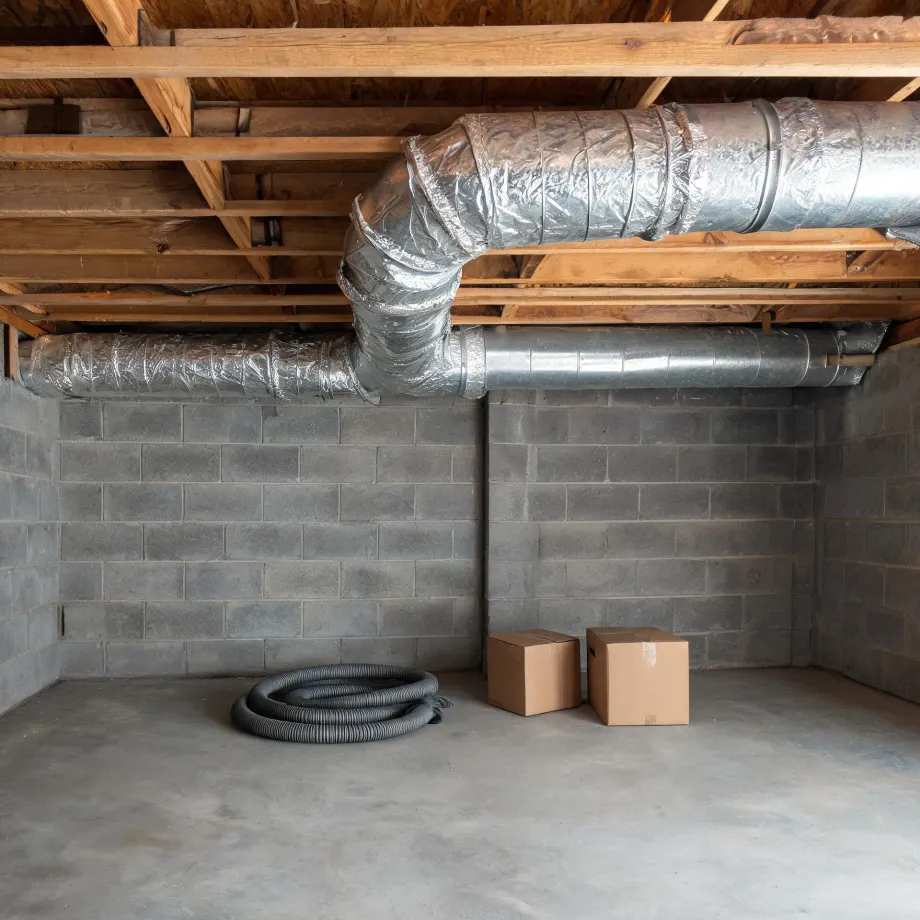
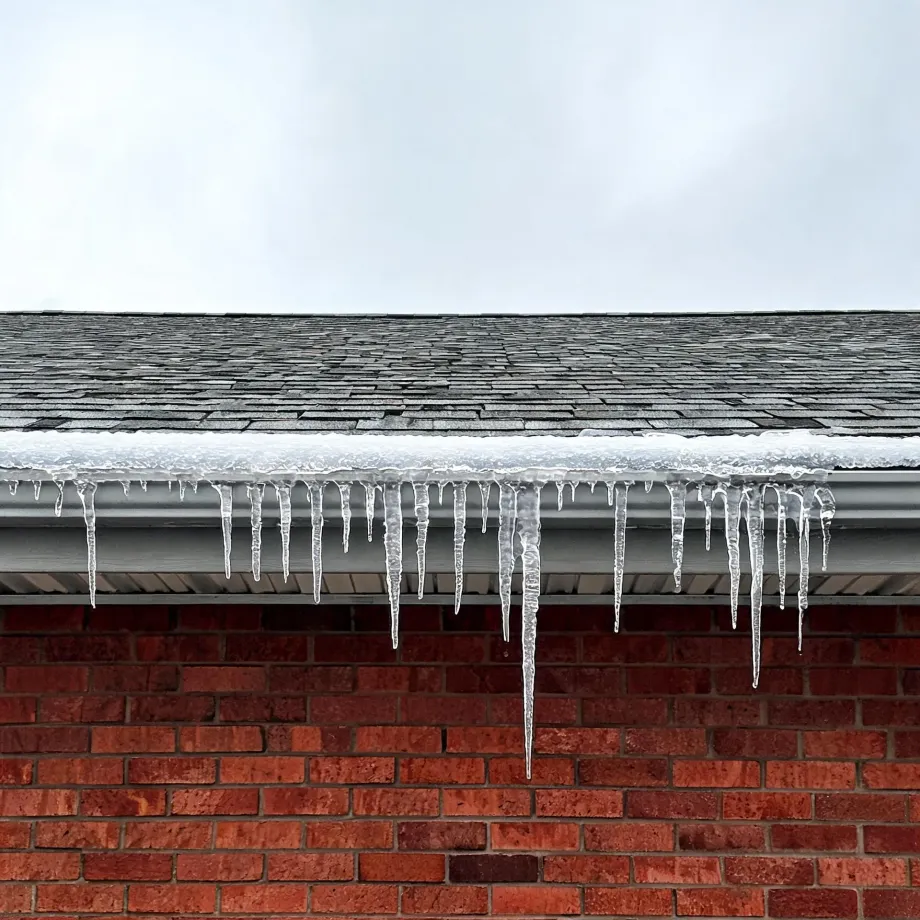
Furnaces in older housing carry a repair history shaped by the building around them. Half the homes in Jackson County, Missouri were built in 1970 or earlier (2020-2024 ACS 5-year). That means a contractor opening a furnace here finds heat exchangers, burner assemblies, and limit switches that have run through decades of freeze-thaw cycling in ductwork that may not have been touched since the unit was first set. Some parts still turn up through specialty suppliers; others are genuinely discontinued, and that determines whether a repair goes forward or becomes a replacement conversation. The condition of the flue connections and the duct joints matters as much as the component that failed.
The Parts of a Furnace a Contractor Checks First
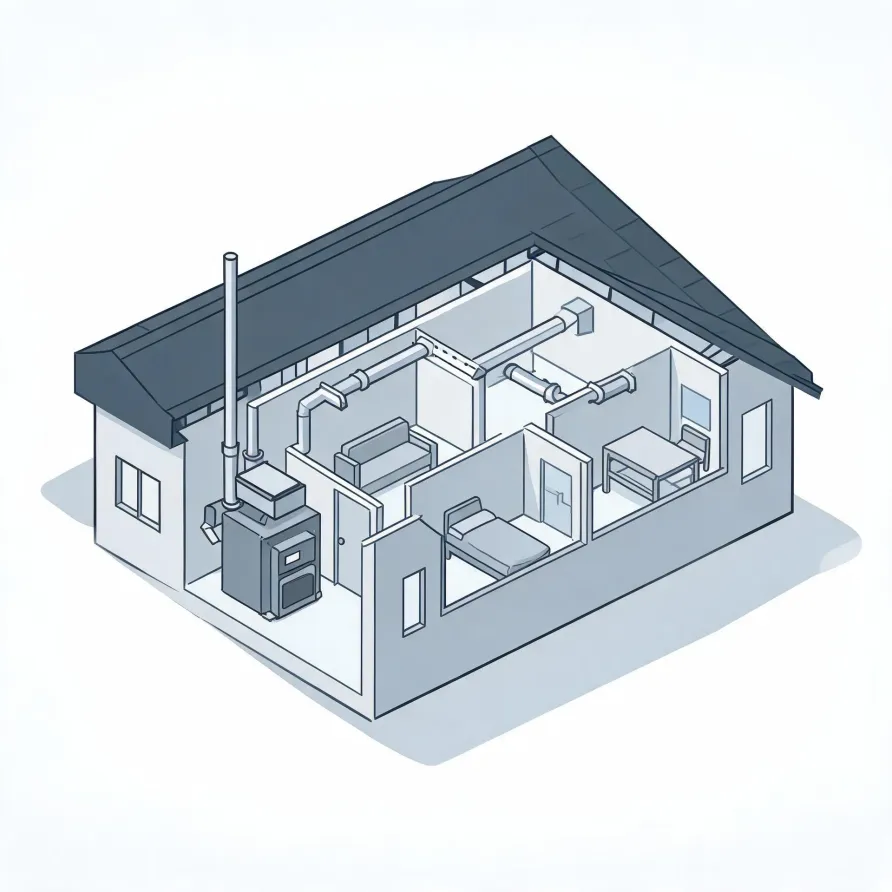
The furnace itself sits in the basement, utility room, or closet and is the piece a contractor goes to first. Inside it, the heat exchanger and burner assembly are the most common sources of failure. A cracked heat exchanger, a dirty or misfiring burner, or a failed ignitor are each capable of shutting the system down.
The blower motor and its capacitor push conditioned air out through the supply side and sit just below the heat exchanger inside the cabinet. The flue pipe runs from the top of the furnace to an exterior vent and carries combustion gases out of the house. The thermostat on the wall tells the whole system when to run, and a wiring fault there can mimic a much larger problem.
The drawing shows the general layout of these components, and a licensed contractor determines what applies to the specific equipment and configuration in your home.
Find a contractor in Jackson CountyJackson County, Missouri, by the numbers
367 severe weather events were recorded in Jackson County, Missouri between 2015 and 2024.
NOAA National Centers for Environmental Information, Storm Events Database, bulk CSV export, events 2015-01-01 through 2024-12-31.Half the homes in Jackson County, Missouri were built in 1970 or earlier (2020-2024 ACS 5-year).
U.S. Census Bureau, 2020-2024 American Community Survey 5-Year EstimatesJackson County, Missouri holds 336,288 housing units (2020-2024 ACS 5-year).
U.S. Census Bureau, 2020-2024 American Community Survey 5-Year EstimatesOwners occupy 59.1% of the occupied homes in Jackson County, Missouri (2020-2024 ACS 5-year).
U.S. Census Bureau, 2020-2024 American Community Survey 5-Year EstimatesRules and Standards Governing Furnace Repair in Jackson County, Missouri4 sourced rules and standards
What happens when a contractor comes out for HVAC repair in Jackson County
Non-weatherized gas furnaces manufactured on or after November 19, 2015 must reach 80.0 percent AFUE.
Non-weatherized oil-fired furnaces manufactured on or after November 19, 2015 must reach 83.0 percent AFUE.
Mobile home gas furnaces manufactured on or after November 19, 2015 must reach 80.0 percent AFUE.
Non-weatherized gas furnaces manufactured on or after December 18, 2028 must reach 95.0 percent AFUE, up from the 80.0 percent minimum that applies to units manufactured before that date.
Severe Weather Events in Jackson County
Hard weather puts a workload on heating equipment that ordinary winters do not. Jackson County's climate is the context for what furnaces here are asked to handle, and that context shapes what repair work looks like locally.
367 severe weather events, 2015–2024. Source: NOAA National Centers for Environmental Information, Storm Events Database.