Tell us about the job
Takes about a minute. No obligation.
A furnace repair in Henry County starts with the burner assembly and heat exchanger, because those are the parts that cycle every time the system fires. Homes in Henry County, MO run heat about seven months a year, from October through April. A contractor pulling a furnace apart here expects to find wear concentrated in the combustion side: cracked heat exchangers, degraded igniters, and burner ports that have built up residue through repeated thermal cycling. The ignition system takes a particular toll, since every startup puts stress on components that were never designed to run without rest. That accumulated load is what a contractor prices around before anything else on the job.
Half the homes in Henry County, Missouri were built in 1978 or earlier (2020-2024 ACS 5-year). A furnace sitting in a house that old has usually been replaced at least once, which means the unit a contractor opens is not necessarily as aged as the building around it. What it is, is the question. Once a contractor pulls the panels, the repair scope comes down to what the heat exchanger, the inducer, and the control board actually show, and whether the manufacturer still makes the part the system takes. If the part is discontinued, the repair conversation becomes a replacement conversation, and the homeowner finds that out only after the system is open.
The Parts of a Furnace a Contractor Checks First
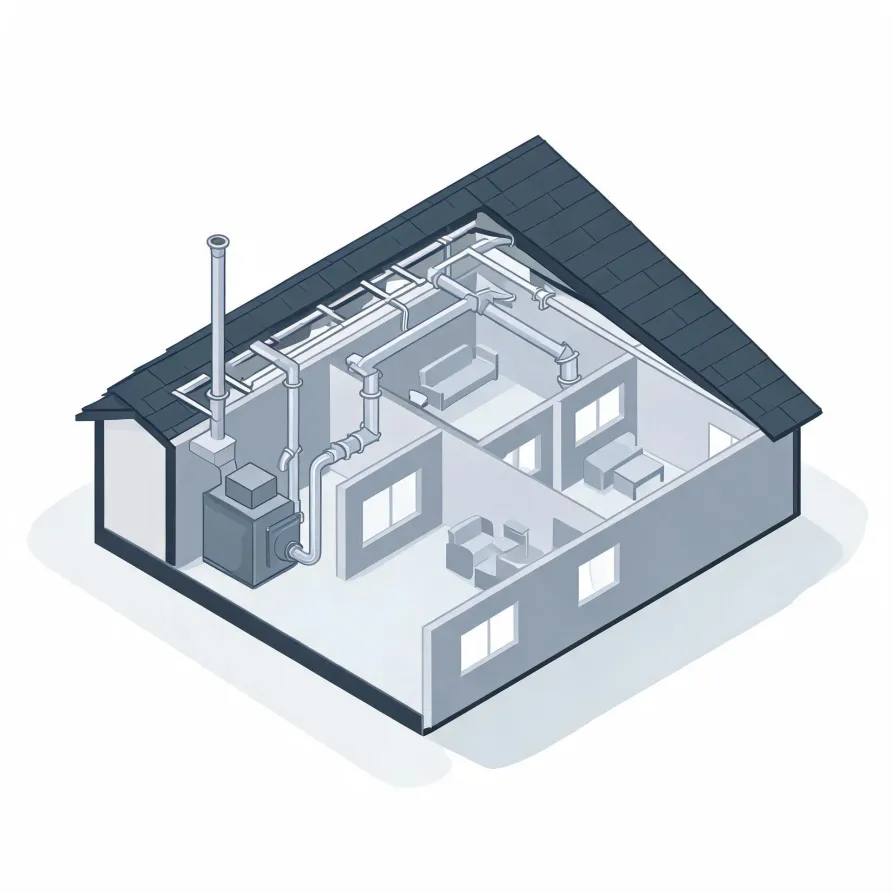
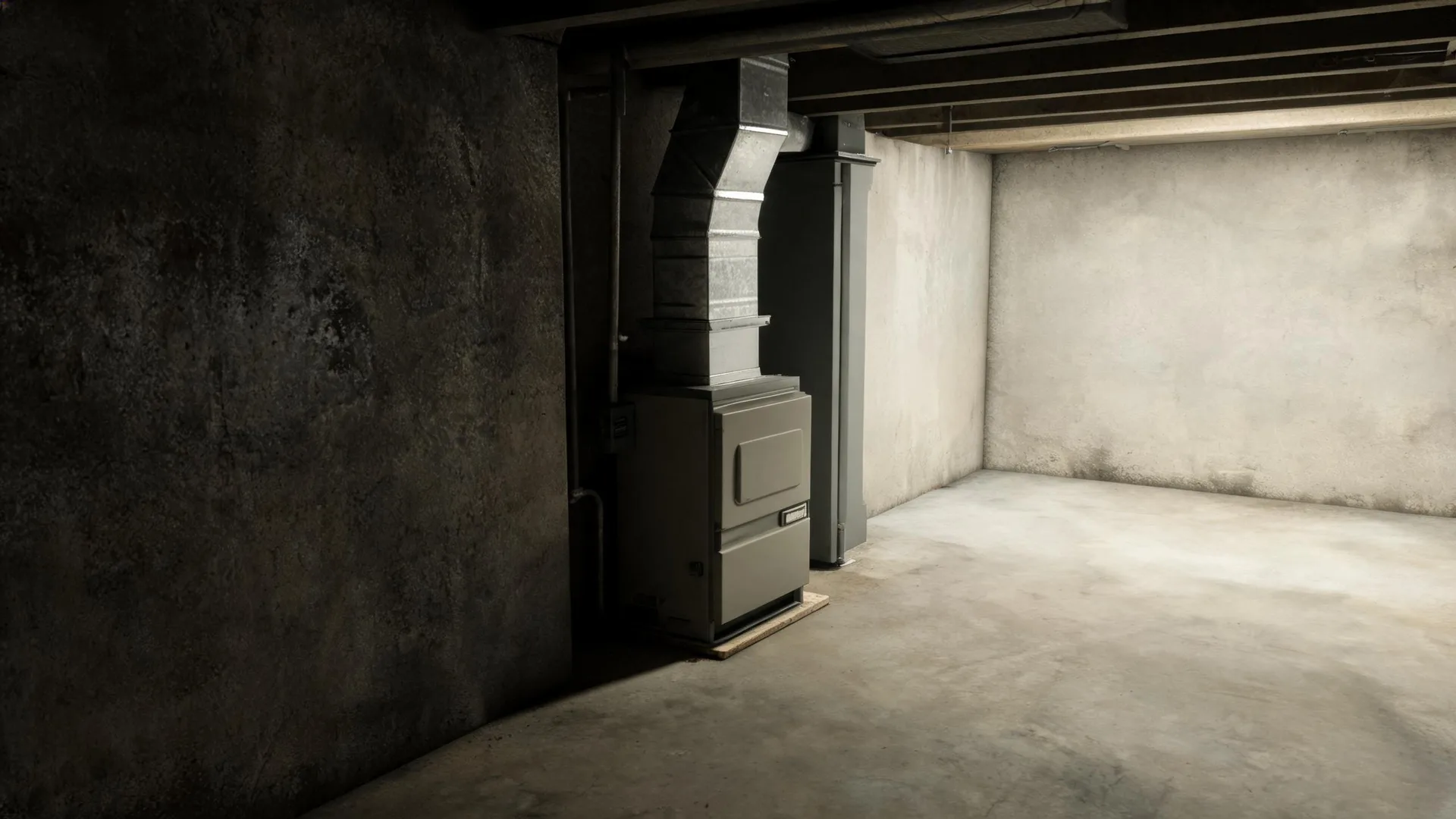
The furnace itself sits in the basement, utility room, or closet and is the piece a contractor starts with. Inside it, the heat exchanger is the part most worth understanding: it carries combustion gases away while warming the air around it, and a crack there is one of the first things a contractor rules out when the system is behaving poorly.
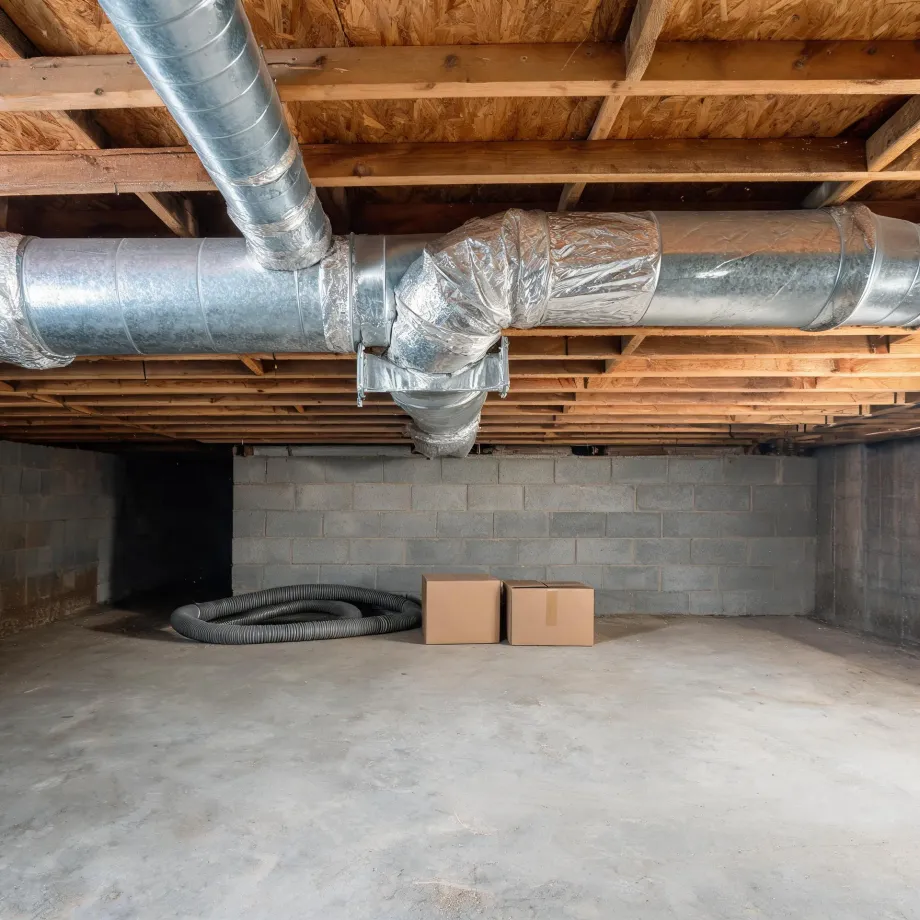
The blower motor and its fan wheel sit inside the furnace cabinet and push conditioned air into the supply side of the house. The flue pipe runs from the furnace up and out of the home, and the gas valve and burner assembly sit at the base of the heat exchanger where the flame originates. A contractor will look at each of these when tracing where the fault actually lives.
The drawing shows a general layout of the system, and a licensed contractor determines which parts apply and what condition they are in for your specific home.
Find a contractor in Henry CountyHenry County, by the numbers
92 severe weather events were recorded in Henry County, Missouri between 2015 and 2024.
NOAA National Centers for Environmental Information, Storm Events Database, bulk CSV export, events 2015-01-01 through 2024-12-31.Half the homes in Henry County, Missouri were built in 1978 or earlier (2020-2024 ACS 5-year).
U.S. Census Bureau, 2020-2024 American Community Survey 5-Year EstimatesHenry County, Missouri holds 10,714 housing units (2020-2024 ACS 5-year).
U.S. Census Bureau, 2020-2024 American Community Survey 5-Year EstimatesOwners occupy 75.0% of the occupied homes in Henry County, Missouri (2020-2024 ACS 5-year).
U.S. Census Bureau, 2020-2024 American Community Survey 5-Year EstimatesCodes & Standards Covering Furnace Repair in Henry County, Missouri4 sourced rules and standards
What HVAC Repair Looks Like in Henry County
Non-weatherized gas furnaces manufactured on or after November 19, 2015 must reach 80.0 percent AFUE.
Non-weatherized oil-fired furnaces manufactured on or after November 19, 2015 must reach 83.0 percent AFUE.
Mobile home gas furnaces manufactured on or after November 19, 2015 must reach 80.0 percent AFUE.
Non-weatherized gas furnaces manufactured on or after December 18, 2028 must reach 95.0 percent AFUE, up from the 80.0 percent minimum that applies to units manufactured before that date.
Severe Weather Events in Henry County
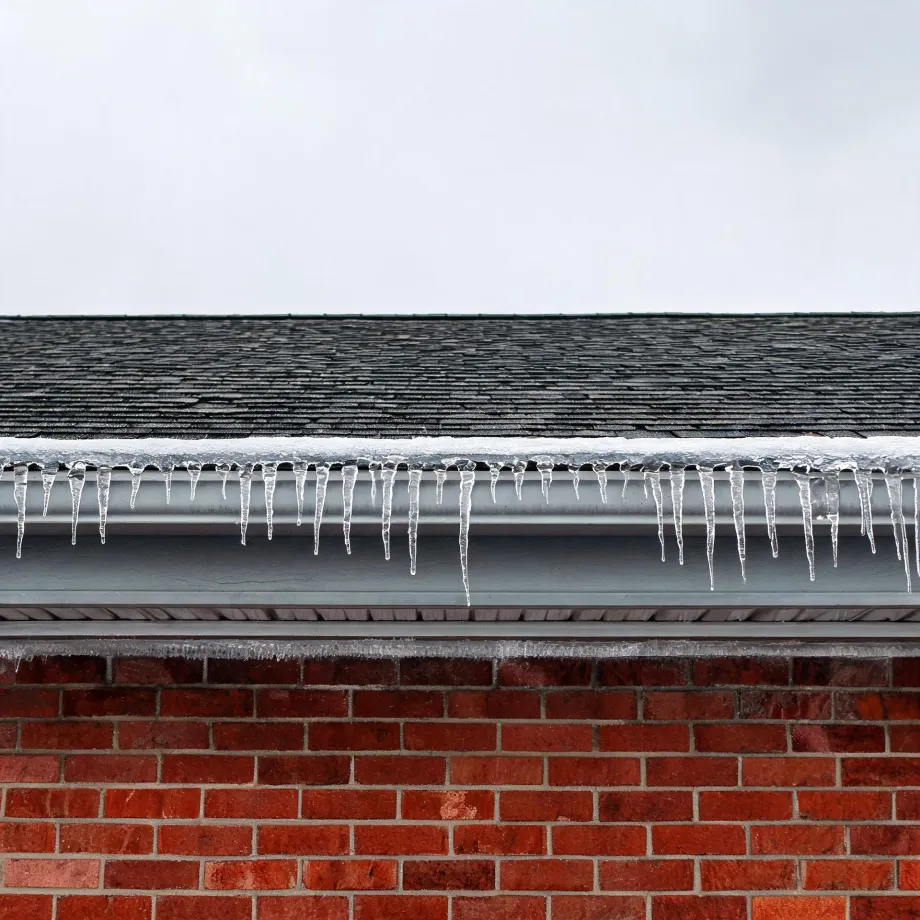
Extreme weather puts real strain on furnaces, pushing them to run harder and longer than ordinary conditions demand. How much strain depends on where you are, and Henry County has its own record.
92 severe weather events, 2015–2024. Source: NOAA National Centers for Environmental Information, Storm Events Database.