Tell us about the job
Takes about a minute. No obligation.
A furnace repair in Gasconade County starts with the burner assembly and heat exchanger, because those are the parts that cycle every time the system fires. Homes in Gasconade County, MO run heat about seven months a year, from October through April. That kind of extended runtime stacks cycles on the ignition system and the heat exchanger in ways that show up as cracks, corrosion, or igniter failure well before the blower or electrical controls give out. A contractor who skips straight to controls or the circuit board without inspecting the heat exchanger first is working the wrong end of the job.
Half the homes in Gasconade County, Missouri were built in 1976 or earlier (2020-2024 ACS 5-year). A furnace running in a house from that era may well be a later replacement, but the parts it takes are another matter. When a contractor opens a system and identifies what failed, the next question is whether that component is still in production. Older furnace designs drew on a supply of controls, heat exchangers, and ignition assemblies that have narrowed considerably. If the part exists, the repair proceeds. If it does not, the homeowner is weighing a different decision than they expected.
The Parts of a Furnace a Contractor Checks First
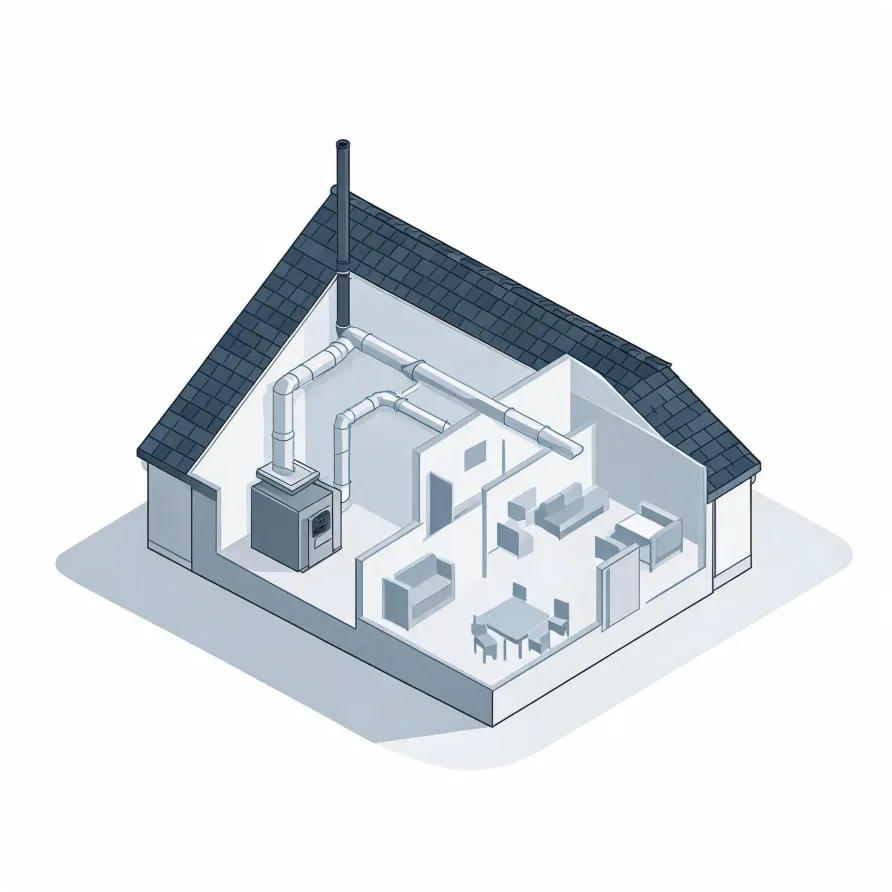
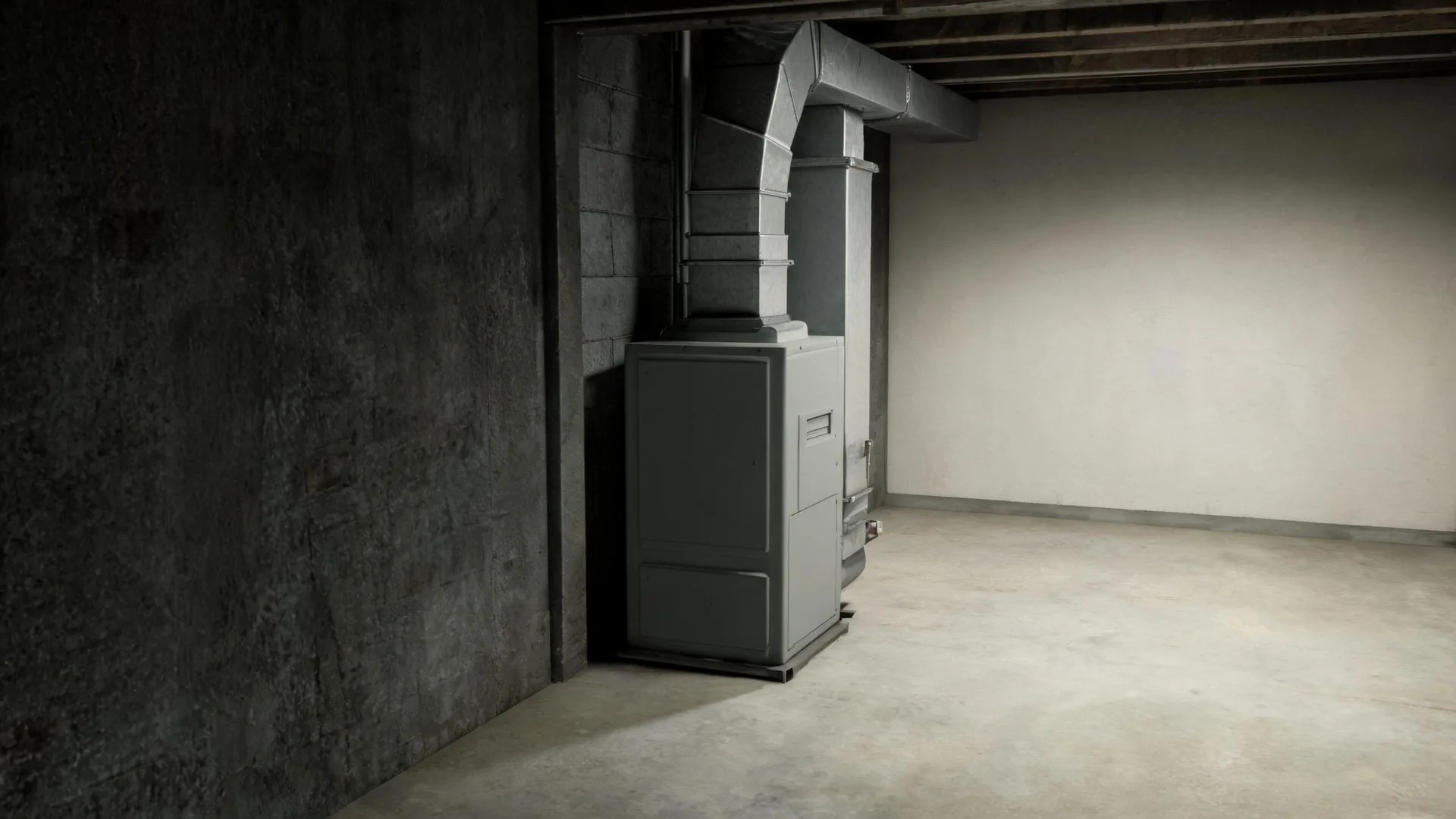
The furnace itself sits in the basement, utility room, or a dedicated mechanical closet and is the piece a contractor goes to first. Inside it, the heat exchanger is the part most worth understanding: a crack or breach there is what turns a heating problem into a safety problem. The burners and the igniter sit just below it, and when the furnace won't light or keeps shutting off, those are the first suspects.
The blower motor lives at the base of the furnace cabinet and pushes conditioned air out through the supply side of your duct system. The flue pipe runs from the top or back of the unit to an exterior wall or the chimney and carries combustion gases out of the house. A contractor also checks the limit switch and the control board, both mounted inside the cabinet, because either one can shut the whole system down when it reads something it doesn't like.
The drawing shows a typical furnace layout, and a licensed contractor determines which components and conditions apply to your specific home.
Find a contractor in Gasconade CountyGasconade County, by the numbers
41 severe weather events were recorded in Gasconade County, Missouri between 2015 and 2024.
NOAA National Centers for Environmental Information, Storm Events Database, bulk CSV export, events 2015-01-01 through 2024-12-31.Half the homes in Gasconade County, Missouri were built in 1976 or earlier (2020-2024 ACS 5-year).
U.S. Census Bureau, 2020-2024 American Community Survey 5-Year EstimatesGasconade County, Missouri holds 7,574 housing units (2020-2024 ACS 5-year).
U.S. Census Bureau, 2020-2024 American Community Survey 5-Year EstimatesOwners occupy 80.9% of the occupied homes in Gasconade County, Missouri (2020-2024 ACS 5-year).
U.S. Census Bureau, 2020-2024 American Community Survey 5-Year EstimatesCodes & Standards Covering Furnace Repair in Gasconade County, Missouri4 sourced rules and standards
What happens when a contractor comes out to your home
Non-weatherized gas furnaces manufactured on or after November 19, 2015 must reach 80.0 percent AFUE.
Non-weatherized oil-fired furnaces manufactured on or after November 19, 2015 must reach 83.0 percent AFUE.
Mobile home gas furnaces manufactured on or after November 19, 2015 must reach 80.0 percent AFUE.
Non-weatherized gas furnaces manufactured on or after December 18, 2028 must reach 95.0 percent AFUE, up from the 80.0 percent minimum that applies to units manufactured before that date.
Severe Weather Events in Gasconade County
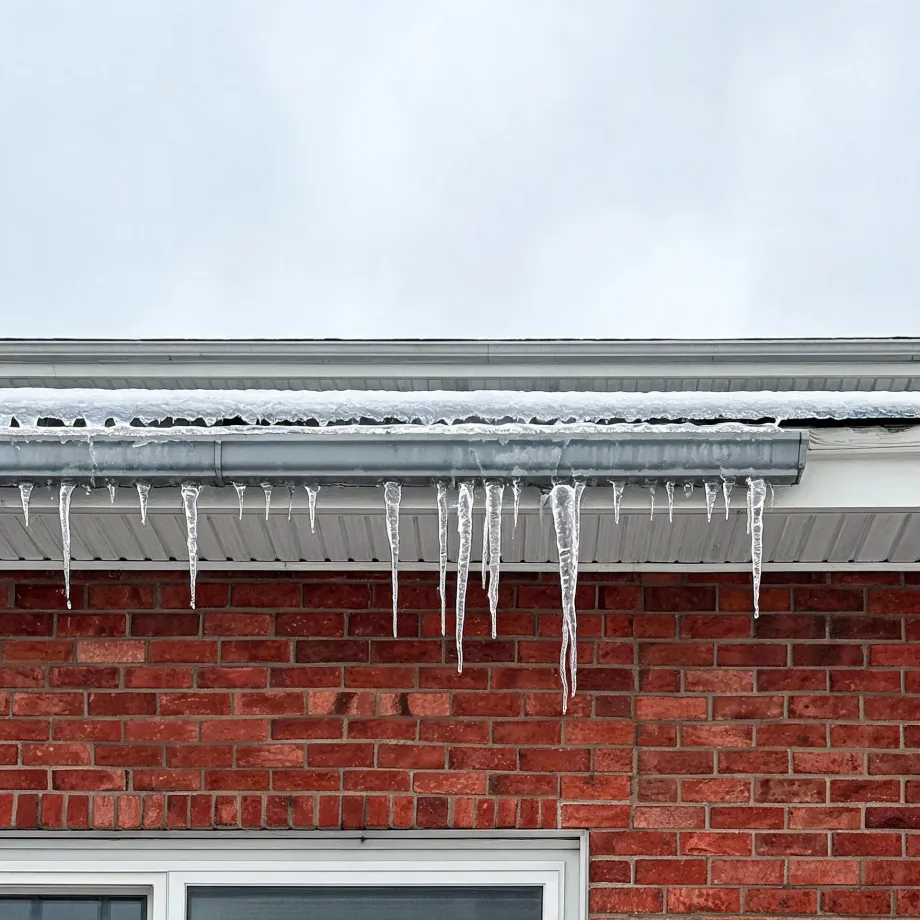
Gasconade County weather puts real stress on furnace equipment, and stress drives repair demand. What happens outside shapes how hard heating systems work and how often they fail, which makes local weather history part of the picture for any furnace service decision.
41 severe weather events, 2015–2024. Source: NOAA National Centers for Environmental Information, Storm Events Database.