Tell us about the job
Takes about a minute. No obligation.
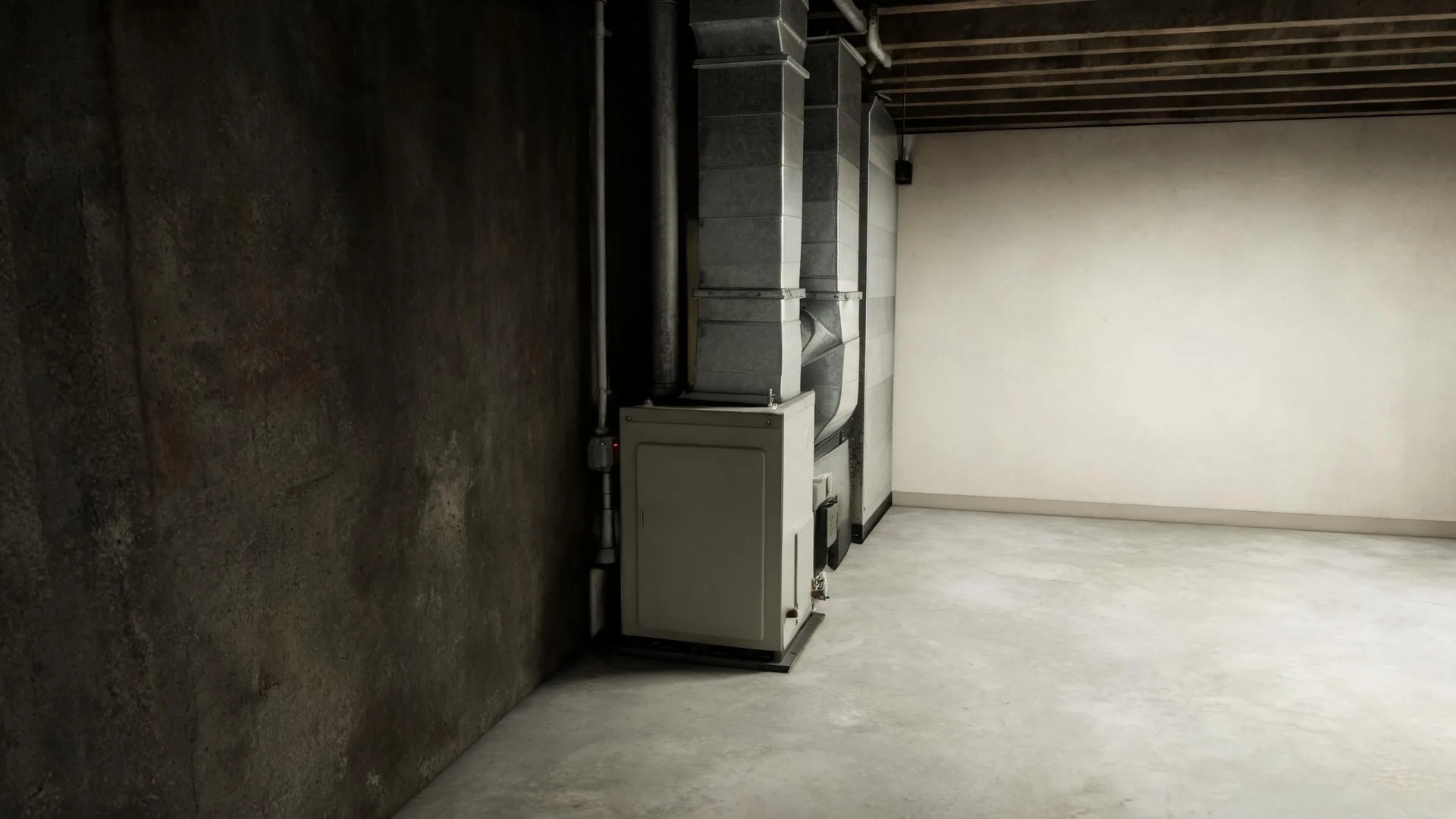
On a furnace repair call in Warren County, the contractor's first question is what the burner and heat exchanger have already been through. Homes in Warren County, MO run heat about seven months a year, from October through April. That kind of cycling wears the ignition system and heat exchanger at a pace that shows up in cracks, scaling, and intermittent lockouts long before a system is old enough that age would be the obvious answer. A contractor who skips a close look at those parts and goes straight to the control board is missing where the load actually lands.
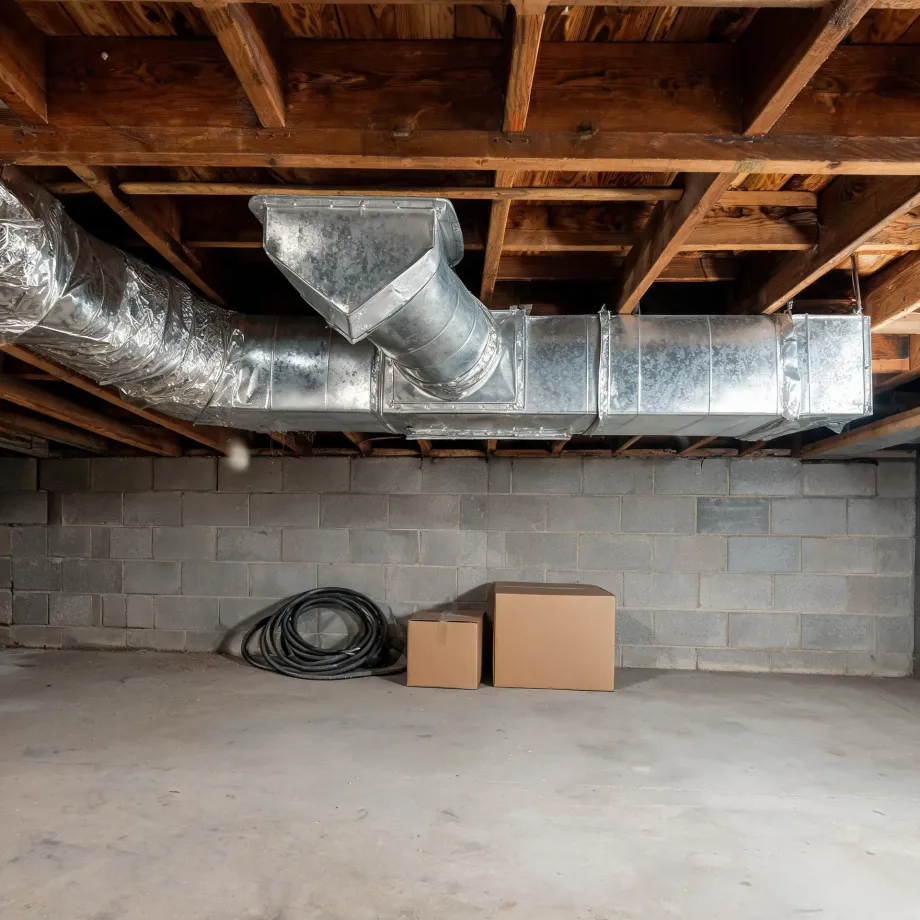
A furnace in this part of Missouri can surprise a homeowner with what the opened cabinet actually reveals. Half the homes in Warren County, Missouri were built in 1998 or earlier (2020-2024 ACS 5-year). That means a contractor working a repair here is opening equipment that has run through enough heating seasons for heat exchangers, igniters, and gas valves to be well into or past their design lives. Whether a part is still manufactured for that system is a real question, and the answer changes both the cost and the path forward. Some repairs close the same day; others stall on sourcing.
The Parts of a Furnace a Contractor Checks First
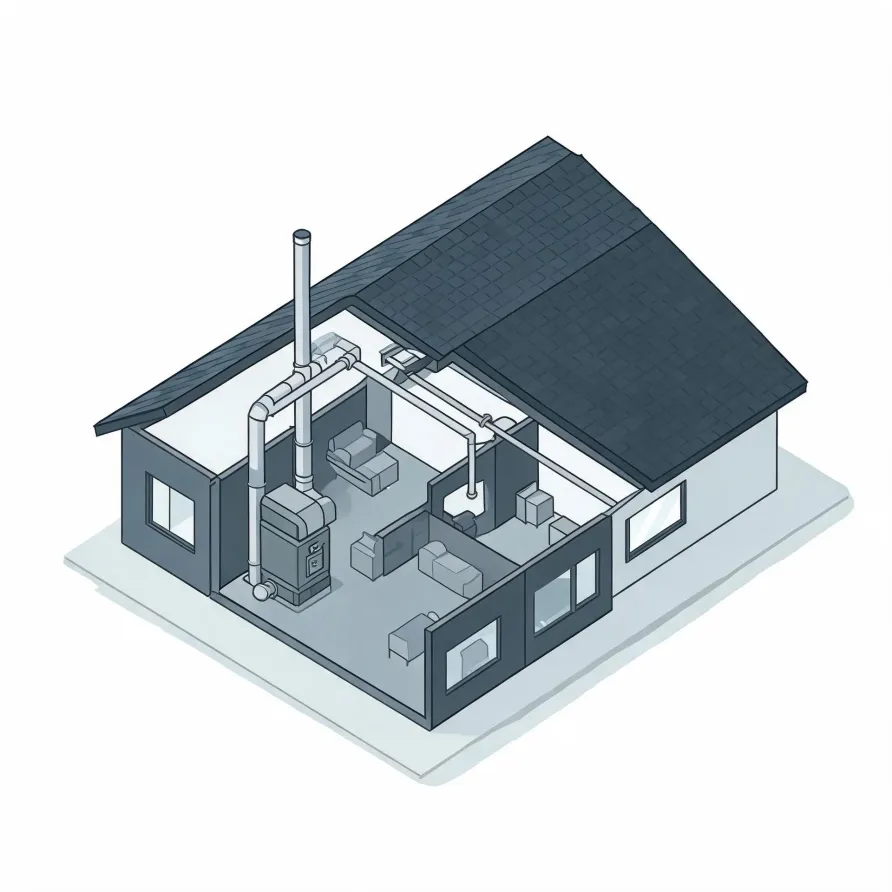
The furnace itself sits in a utility space, basement, or closet and is the piece a contractor opens first. Inside it, the heat exchanger is the part most worth understanding: it carries combustion gases on one side and heated air on the other, and a crack or failure there drives a repair call faster than almost anything else in the cabinet. The burners, also inside the unit, mix gas and ignition to produce the flame that starts the whole process.
The blower motor pulls air through the system and pushes it out to the rest of the house. It sits at the base of the furnace cabinet, and when it labors or quits, rooms stop getting air regardless of what the burners are doing. The flue pipe runs from the top of the unit to an exterior vent, and a contractor checks it because blockages or separations there affect both performance and safety.
The drawing shows a representative layout, and a licensed contractor determines which components apply to the specific system and configuration in your home.
Get matched in Warren CountyWarren County, Missouri, by the numbers
57 severe weather events were recorded in Warren County, Missouri between 2015 and 2024.
NOAA National Centers for Environmental Information, Storm Events Database, bulk CSV export, events 2015-01-01 through 2024-12-31.Half the homes in Warren County, Missouri were built in 1998 or earlier (2020-2024 ACS 5-year).
U.S. Census Bureau, 2020-2024 American Community Survey 5-Year EstimatesWarren County, Missouri holds 16,161 housing units (2020-2024 ACS 5-year).
U.S. Census Bureau, 2020-2024 American Community Survey 5-Year EstimatesOwners occupy 80.2% of the occupied homes in Warren County, Missouri (2020-2024 ACS 5-year).
U.S. Census Bureau, 2020-2024 American Community Survey 5-Year EstimatesCodes & Standards Governing Furnace Repair in Warren County, Missouri4 sourced rules and standards
What Happens When a Contractor Comes Out
Non-weatherized gas furnaces manufactured on or after November 19, 2015 must reach 80.0 percent AFUE.
Non-weatherized oil-fired furnaces manufactured on or after November 19, 2015 must reach 83.0 percent AFUE.
Mobile home gas furnaces manufactured on or after November 19, 2015 must reach 80.0 percent AFUE.
Non-weatherized gas furnaces manufactured on or after December 18, 2028 must reach 95.0 percent AFUE, up from the 80.0 percent minimum that applies to units manufactured before that date.
Severe Weather Events in Warren County
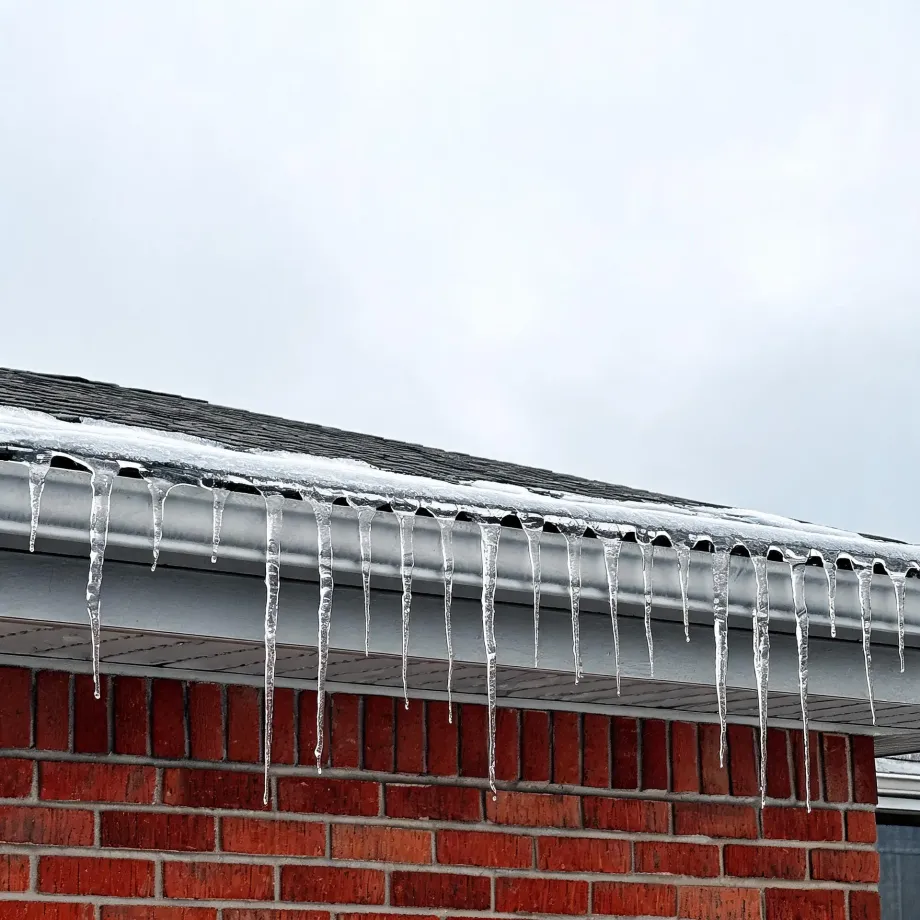
Weather puts real hours on a furnace. The harder the climate pushes, the harder the equipment works, and Warren County equipment works on Warren County weather.
57 severe weather events, 2015–2024. Source: NOAA National Centers for Environmental Information, Storm Events Database.