Tell us about the job
Takes about a minute. No obligation.
A furnace repair in Webster County starts with the parts that do the most work. Homes in Webster County, MO run heat about seven months a year, from October through April. Burners, igniters, and heat exchangers cycle every time the thermostat calls for heat, and a season that long accumulates that cycling on a narrow set of components. When a contractor opens the unit, cracks in the heat exchanger and worn ignition hardware are what show up most often, because those parts carry the load while the compressor and condenser sit idle.
Furnace repair in housing stock this seasoned often runs up against a parts problem before it runs up against a labor problem. Half the homes in Webster County, Missouri were built in 1991 or earlier (2020-2024 ACS 5-year). A heat exchanger or burner assembly in a furnace that old may predate the product lines a distributor stocks today, which means a contractor opening the unit has to confirm what is actually inside before any repair scope is real. If the part is still made, the job is straightforward. If it is not, the contractor is pricing a replacement, not a repair, and that distinction changes the bill.
The Parts of a Furnace a Contractor Checks First
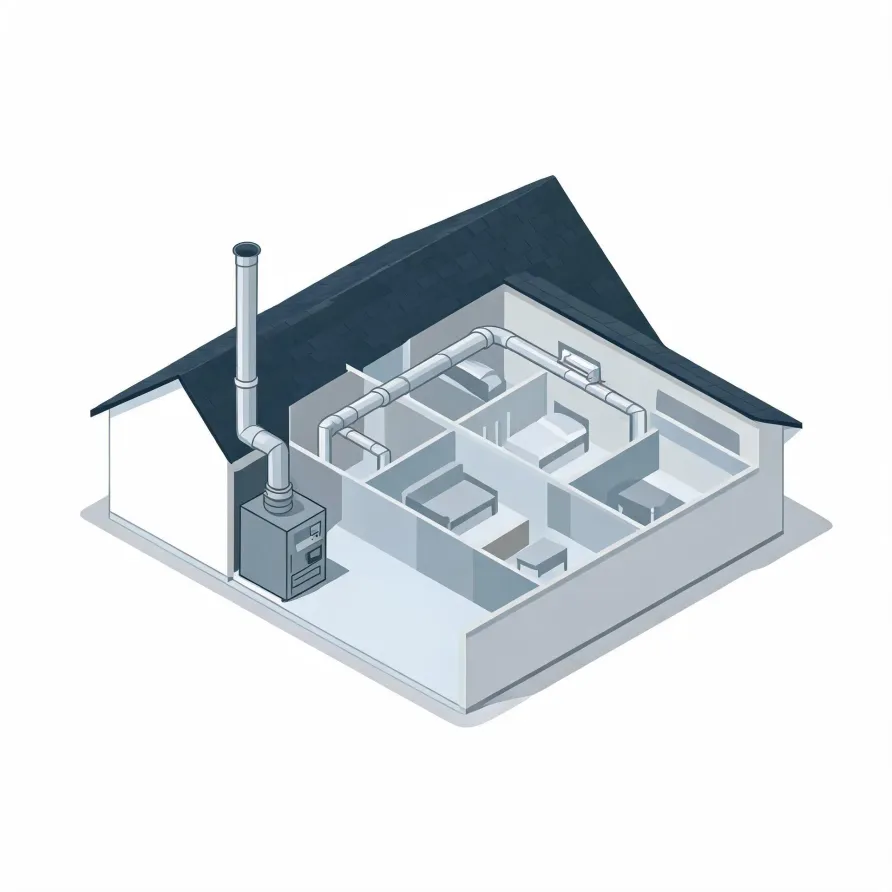
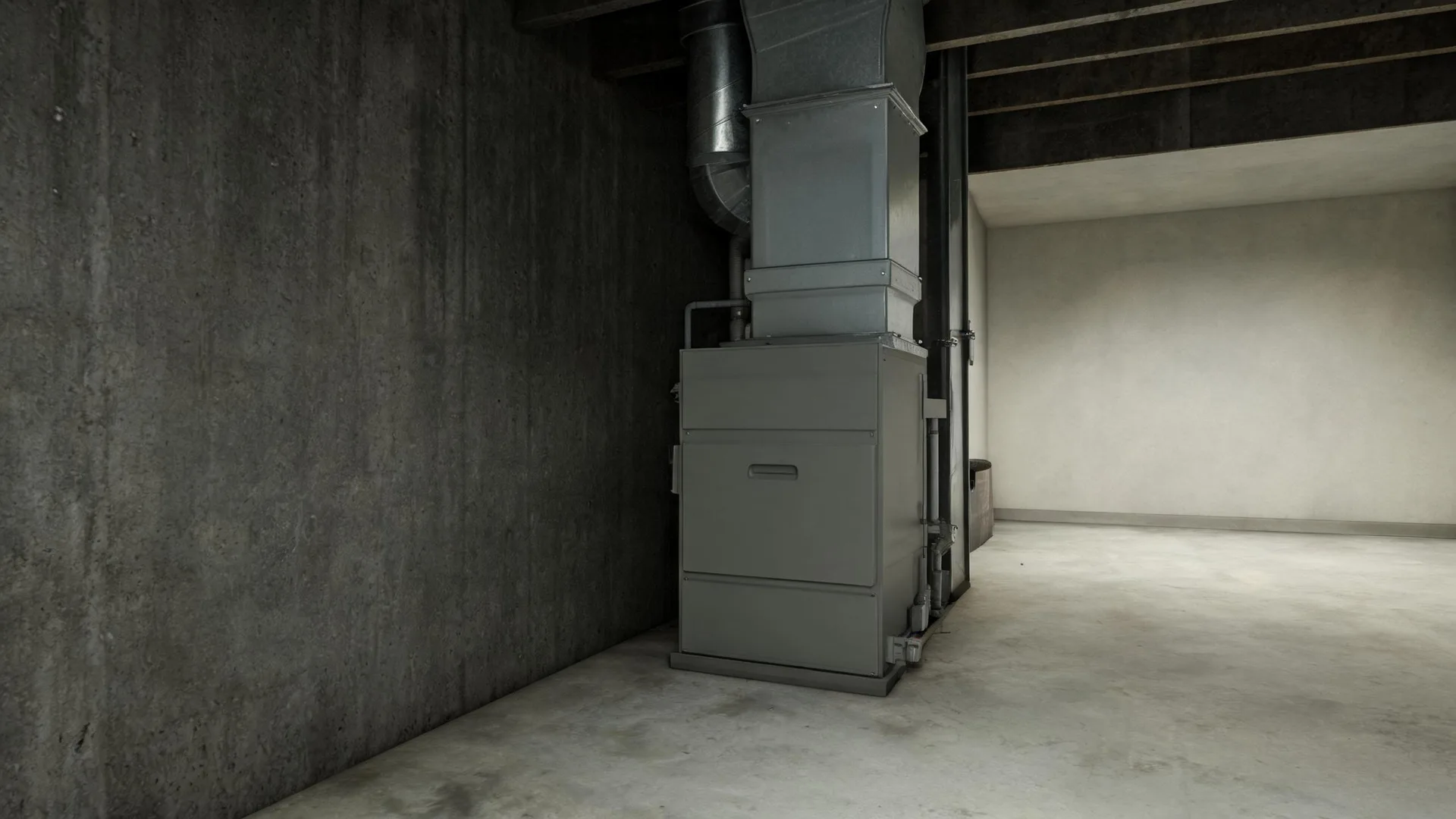
The furnace itself sits in a basement, utility closet, or mechanical room and is the piece a contractor goes to first. Inside it, the heat exchanger is the part that fails quietly but seriously: cracks there let combustion gases mix with your air supply. The burners, igniter, and flame sensor are the other components a contractor examines early, since any one of them can kill ignition entirely.
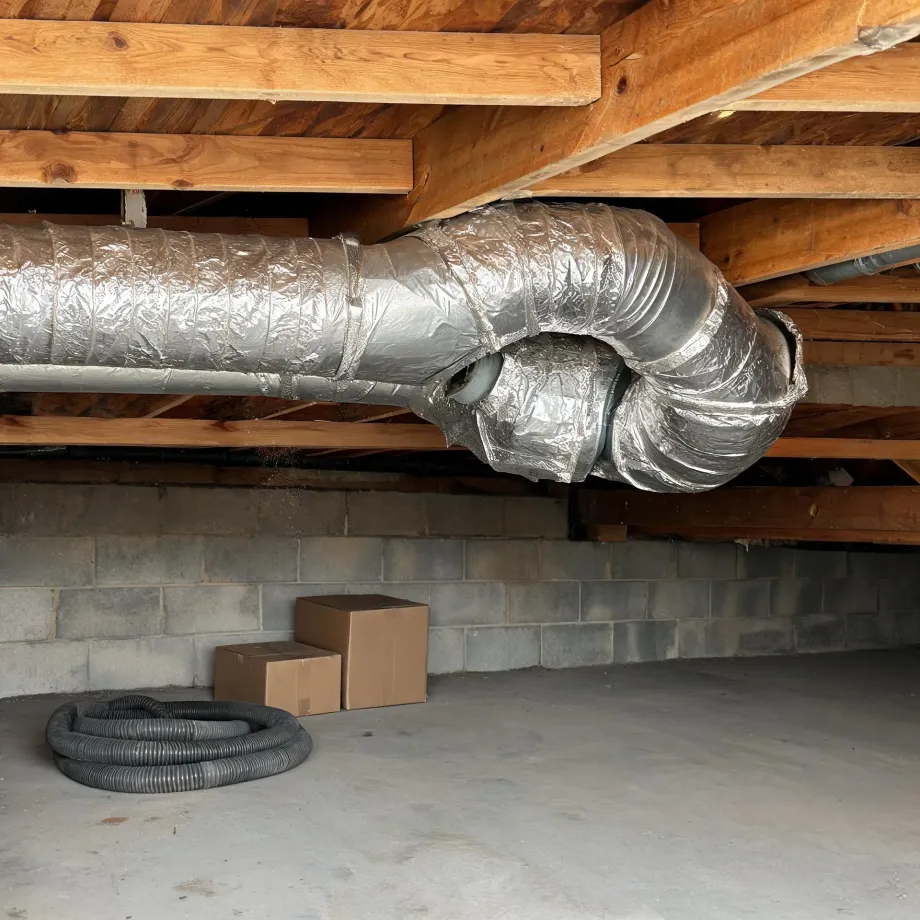
The blower motor sits inside the furnace cabinet and pushes conditioned air out through the house. Near the furnace, the flue or venting pipe carries exhaust gases outside, and the gas valve controls fuel flow to the burners. The thermostat on your wall is the last piece a contractor checks, because a faulty signal there mimics problems that appear to come from deeper in the system.
The drawing shows a typical furnace layout, and a licensed contractor determines which components apply to the specific equipment and configuration in your home.
Find a contractor in Webster CountyWebster County, Missouri, by the numbers
190 severe weather events were recorded in Webster County, Missouri between 2015 and 2024.
NOAA National Centers for Environmental Information, Storm Events Database, bulk CSV export, events 2015-01-01 through 2024-12-31.Half the homes in Webster County, Missouri were built in 1991 or earlier (2020-2024 ACS 5-year).
U.S. Census Bureau, 2020-2024 American Community Survey 5-Year EstimatesWebster County, Missouri holds 15,493 housing units (2020-2024 ACS 5-year).
U.S. Census Bureau, 2020-2024 American Community Survey 5-Year EstimatesOwners occupy 77.4% of the occupied homes in Webster County, Missouri (2020-2024 ACS 5-year).
U.S. Census Bureau, 2020-2024 American Community Survey 5-Year EstimatesCodes & Standards Governing Furnace Repair in Webster County, Missouri4 sourced rules and standards
What the Repair Visit Looks Like
Non-weatherized gas furnaces manufactured on or after November 19, 2015 must reach 80.0 percent AFUE.
Non-weatherized oil-fired furnaces manufactured on or after November 19, 2015 must reach 83.0 percent AFUE.
Mobile home gas furnaces manufactured on or after November 19, 2015 must reach 80.0 percent AFUE.
Non-weatherized gas furnaces manufactured on or after December 18, 2028 must reach 95.0 percent AFUE, up from the 80.0 percent minimum that applies to units manufactured before that date.
Severe Weather Events in Webster County
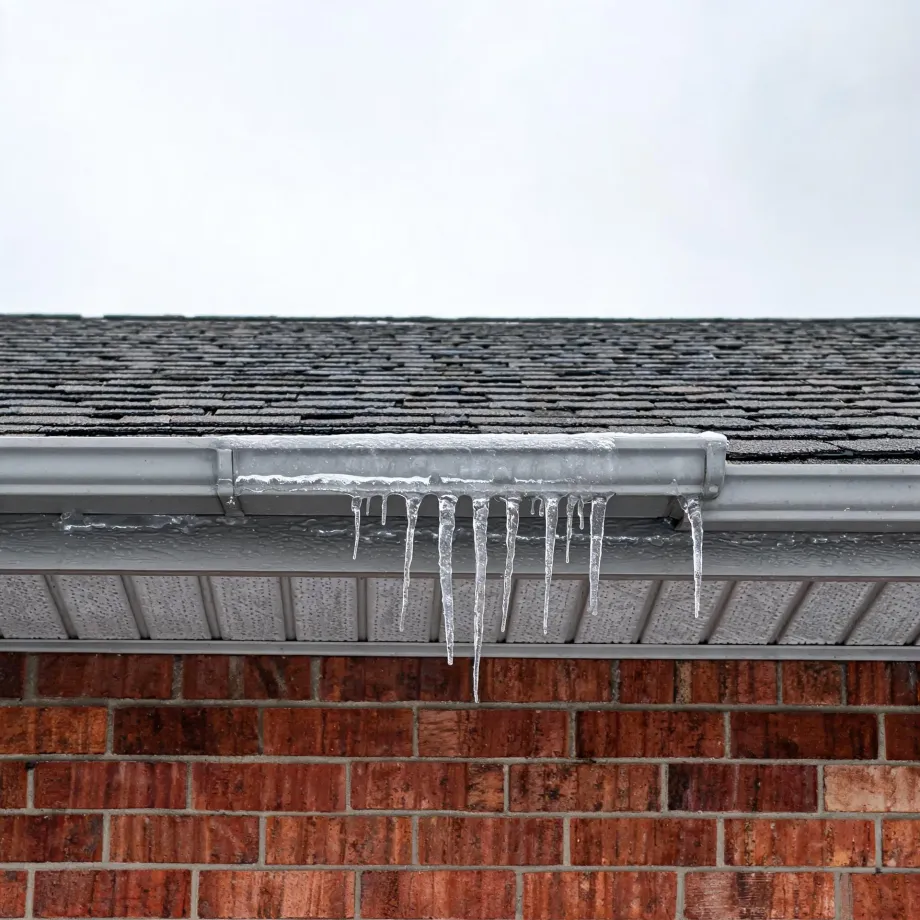
Weather puts hours on furnaces. Hard cycles, pressure swings, and prolonged runs leave equipment in worse shape than age alone would, and what the weather does in Webster County is not what it does somewhere else.
190 severe weather events, 2015–2024. Source: NOAA National Centers for Environmental Information, Storm Events Database.