Tell us about the job
Takes about a minute. No obligation.
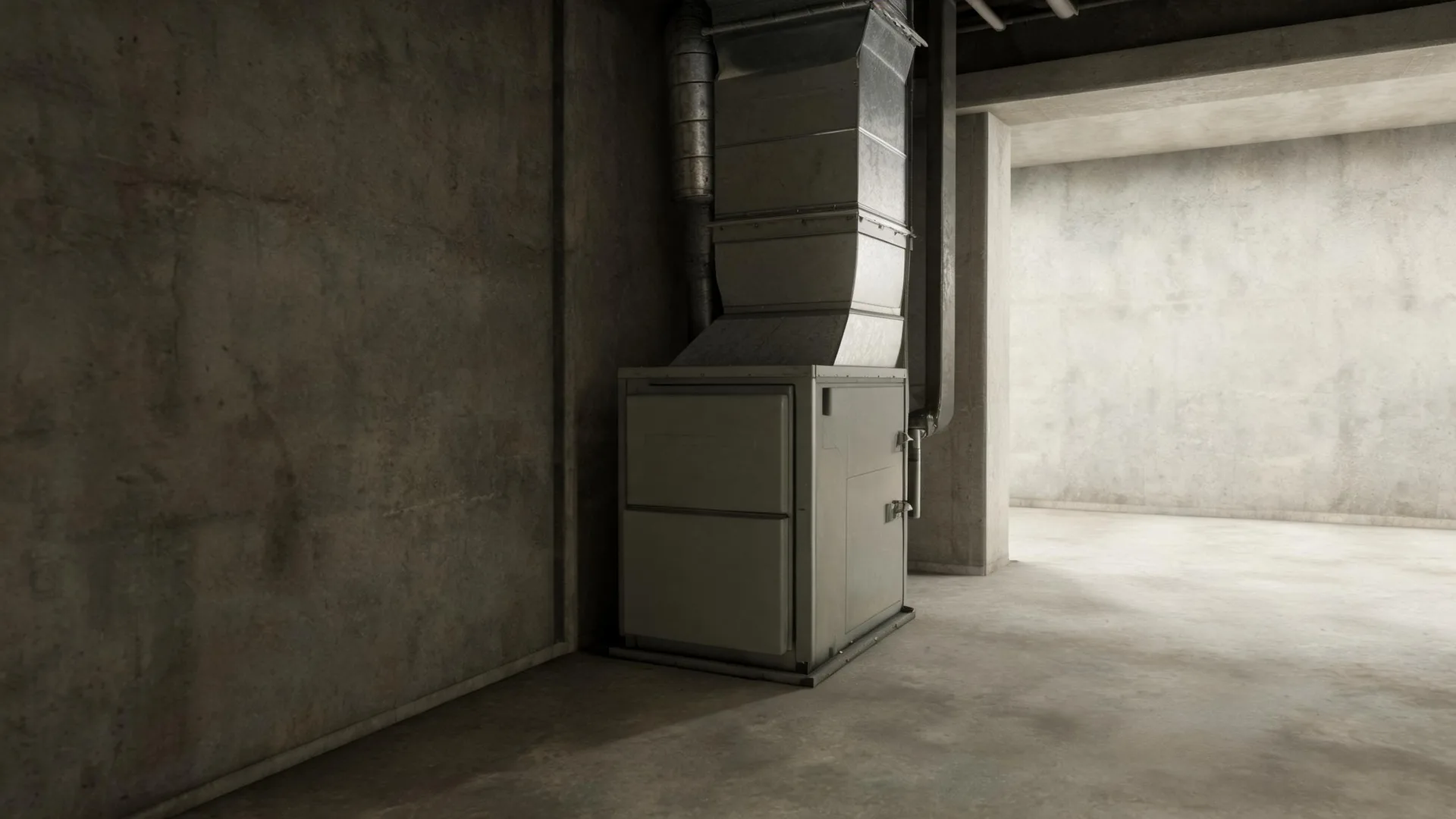
On a repair call here, a contractor looks at the burner and ignition system before anything else. Homes in Greene County, MO run heat about seven months a year, from October through April. That much cycling loads the heat exchanger and the igniter hard, and by the time a furnace stops lighting reliably, both have usually been working at their limits for some time. A homeowner who waits for a cold morning to notice the problem hands a contractor a system that has been degrading quietly through several heating seasons.
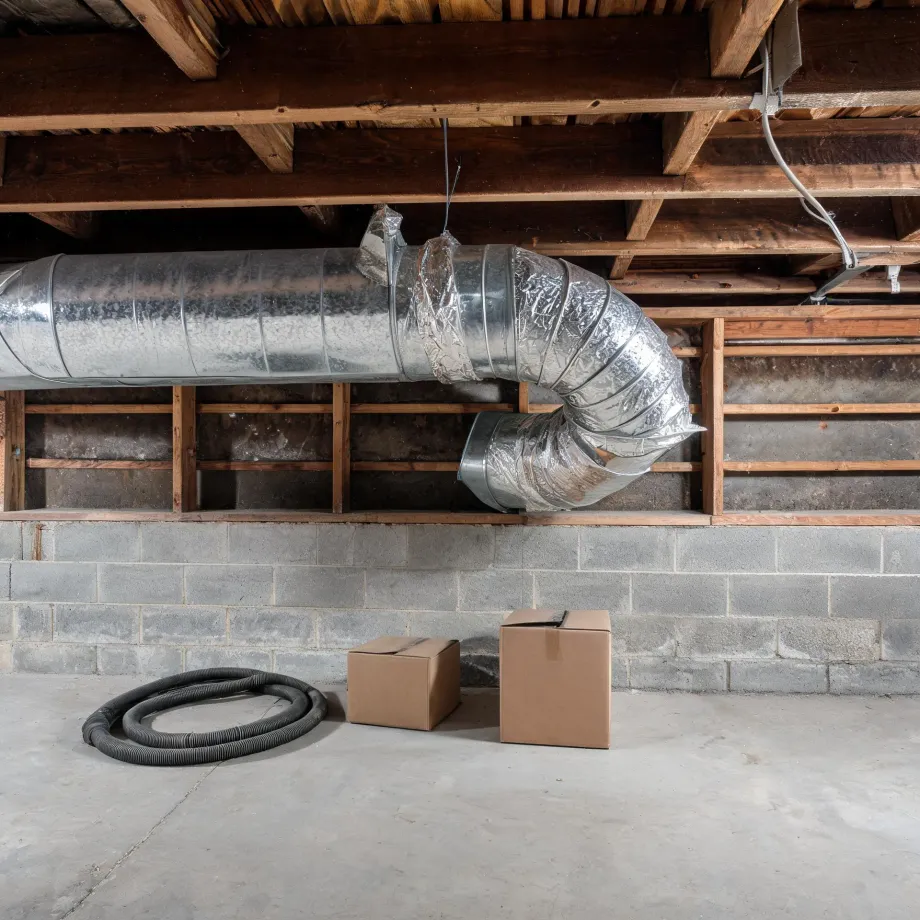
Ductwork that has been sealing, flexing, and accumulating debris across a long service life can mask whether a furnace problem is the unit itself or the system around it. Half the homes in Greene County, Missouri were built in 1982 or earlier (2020-2024 ACS 5-year). For a contractor opening equipment in stock like this, the heat exchanger and the flue connections are the first things checked before any diagnosis about the furnace itself holds, because what those components look like on the inside decides both the repair needed and whether adjacent parts have been stressed in the same way. A house with that service history behind it does not simplify the repair scope once the panel comes off.
The Parts of a Furnace a Contractor Checks First
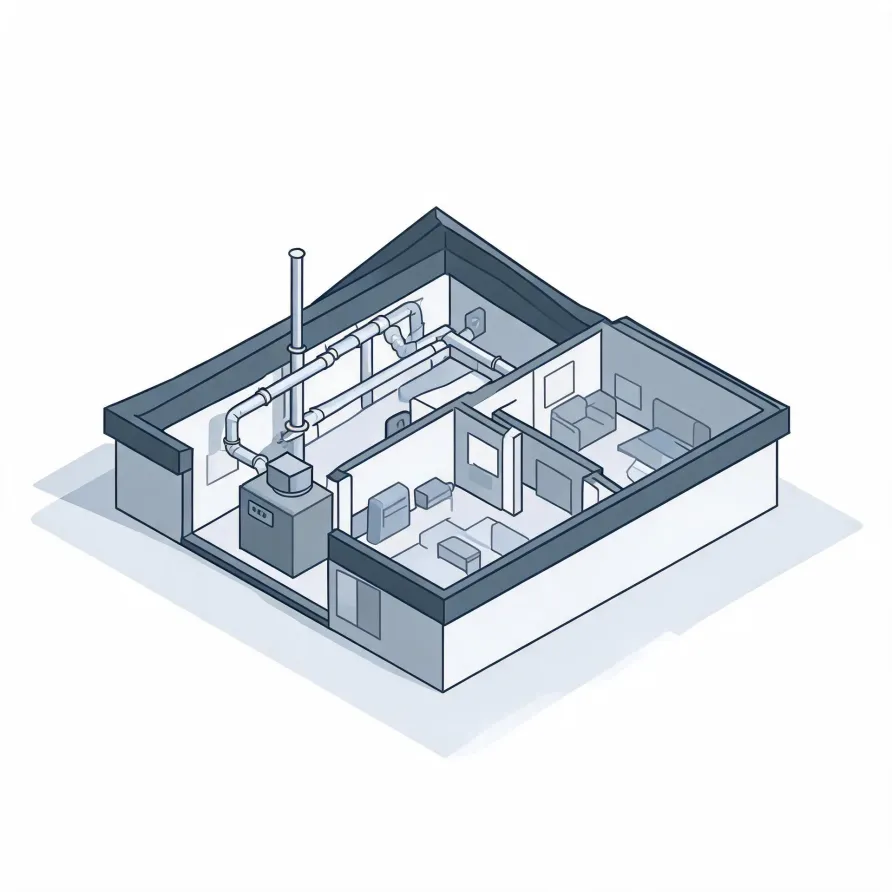
The furnace itself sits in the basement, utility room, or closet and is the piece a contractor goes to first. Inside it, the heat exchanger and burner assembly are the usual suspects when heat output drops or the unit short-cycles. The blower motor, which pushes conditioned air into the supply side of the system, draws attention when airflow is weak or uneven.
The flue or exhaust vent runs from the furnace to an outside wall or roof penetration and gets checked for blockages, cracks, or improper draft. The thermostat, mounted on a main living-area wall, tells the system when to fire and when to stop, and a faulty signal there can mimic a furnace problem when the furnace itself is fine.
The drawing shows a general layout of these components, and a licensed contractor determines what applies to the specific equipment and configuration in your house.
Find a contractor in Greene CountyGreene County, by the numbers
474 severe weather events were recorded in Greene County, Missouri between 2015 and 2024.
NOAA National Centers for Environmental Information, Storm Events Database, bulk CSV export, events 2015-01-01 through 2024-12-31.Half the homes in Greene County, Missouri were built in 1982 or earlier (2020-2024 ACS 5-year).
U.S. Census Bureau, 2020-2024 American Community Survey 5-Year EstimatesGreene County, Missouri holds 138,982 housing units (2020-2024 ACS 5-year).
U.S. Census Bureau, 2020-2024 American Community Survey 5-Year EstimatesOwners occupy 57.5% of the occupied homes in Greene County, Missouri (2020-2024 ACS 5-year).
U.S. Census Bureau, 2020-2024 American Community Survey 5-Year EstimatesCodes & Standards Governing Furnace Repair in Greene County, Missouri4 sourced rules and standards
What the repair visit looks like
Non-weatherized gas furnaces manufactured on or after November 19, 2015 must reach 80.0 percent AFUE.
Non-weatherized oil-fired furnaces manufactured on or after November 19, 2015 must reach 83.0 percent AFUE.
Mobile home gas furnaces manufactured on or after November 19, 2015 must reach 80.0 percent AFUE.
Non-weatherized gas furnaces manufactured on or after December 18, 2028 must reach 95.0 percent AFUE, up from the 80.0 percent minimum that applies to units manufactured before that date.
Severe Weather Events in Greene County
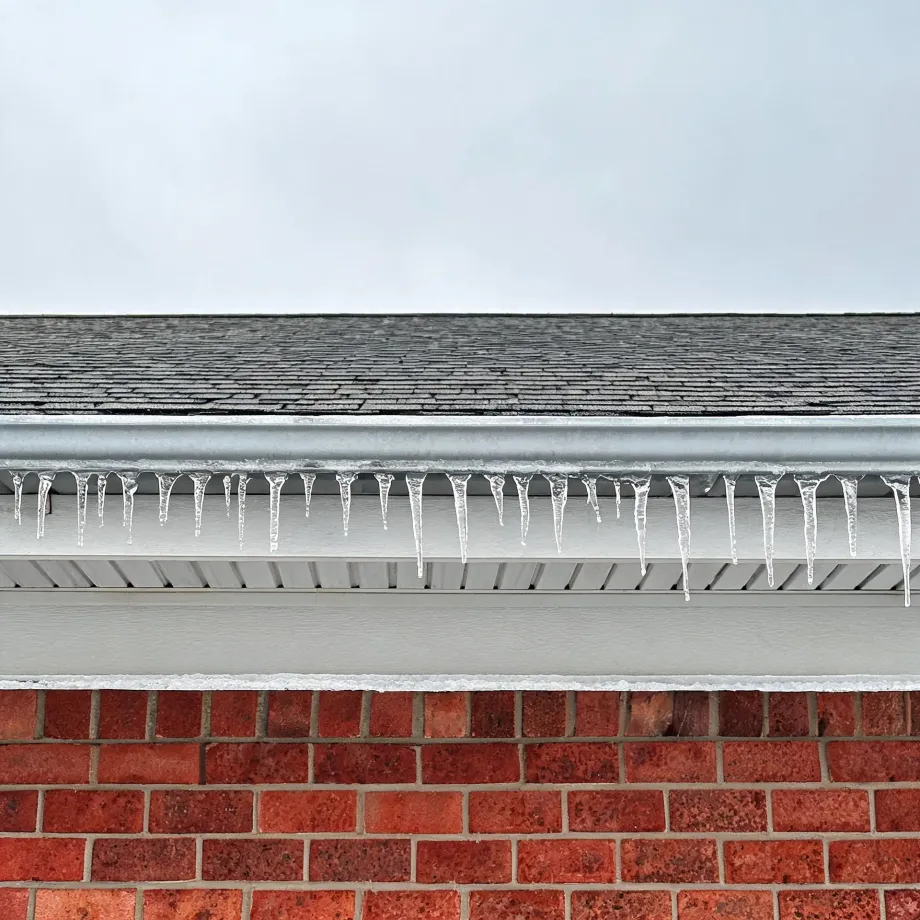
Weather puts a load on furnaces that flat conditions never would. How hard that load hits depends on what Greene County actually sees, and that shapes what repair work looks like here.
474 severe weather events, 2015–2024. Source: NOAA National Centers for Environmental Information, Storm Events Database.