Tell us about the job
Takes about a minute. No obligation.
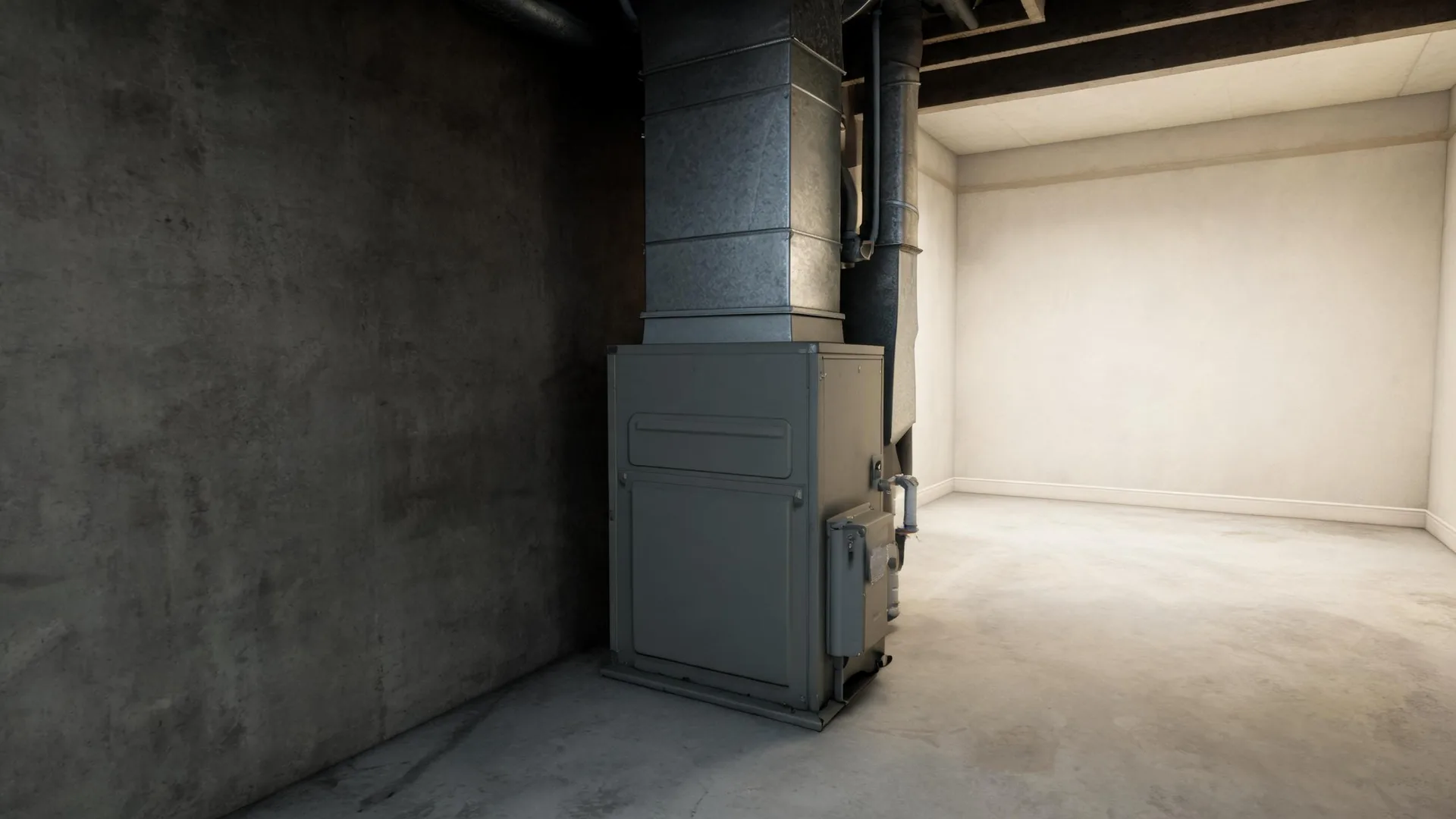
Sizing a furnace for a Webster County home is not a generic calculation. Homes in Webster County, MO run heat about seven months a year, from October through April. A burner and heat exchanger that cycle through that kind of sustained demand accumulate wear on the ignition system and heat exchanger faster than a contractor quotes on the nameplate alone. An installer who skips a proper load calculation leaves the equipment undersized, which means it runs longer to hit setpoint on cold nights, stressing the components that matter most. Get the sizing right from the start, and the equipment earns its rated service life.
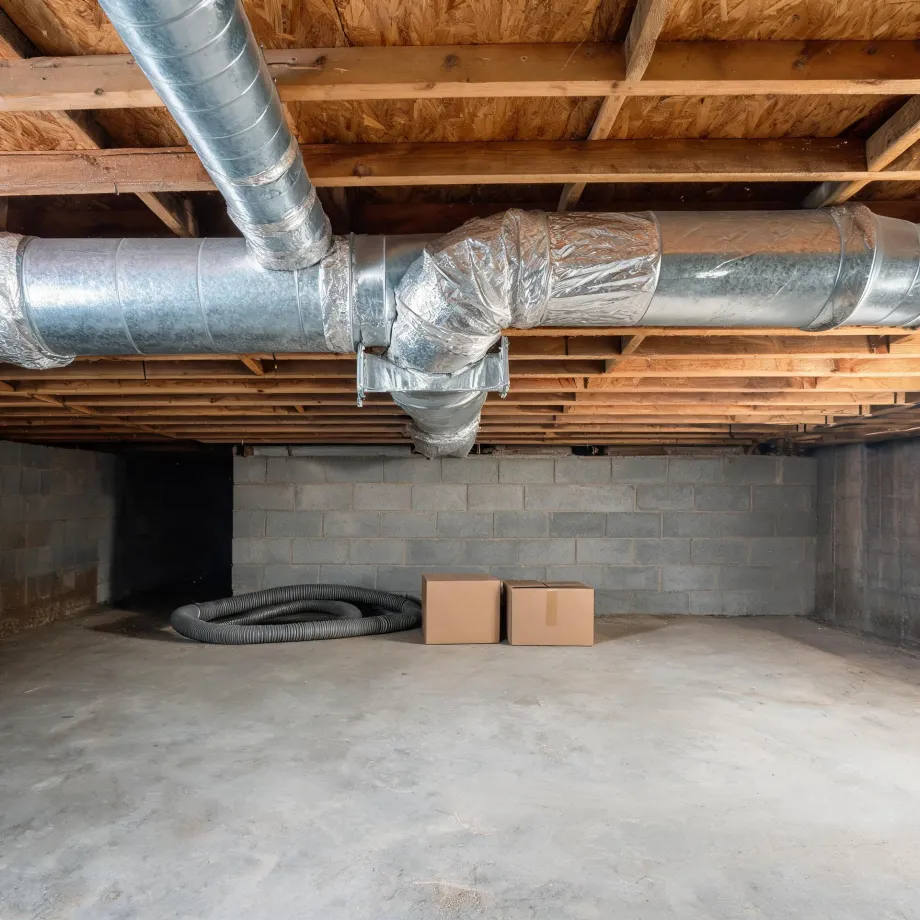
Existing ductwork is what a furnace installation in Webster County turns on. Half the homes in Webster County, Missouri were built in 1991 or earlier (2020-2024 ACS 5-year). Houses from that period were built around heating equipment with different output profiles than what contractors install now, and the duct runs that served those systems carry those proportions into the present. A contractor scoping a furnace replacement has to assess whether the existing duct network moves enough air for the new unit, and where it falls short, that gap becomes part of the job before the furnace itself is touched. The electrical side gets the same check, since the service a house was wired for may not match what a modern furnace and its controls draw.
What Gets Installed With a New Furnace
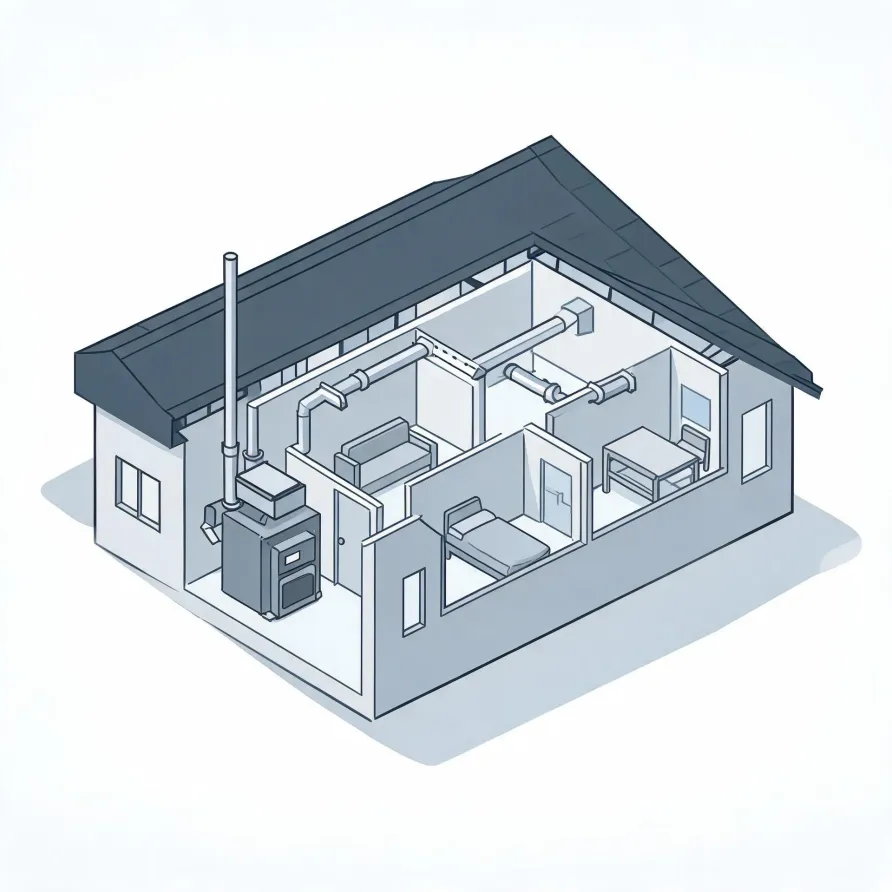
The furnace itself sits in a utility room, basement, or closet and is the unit that produces heat for the house. Attached to it is the air handler, which moves conditioned air through the home. Together these two pieces form the core of what a contractor brings in and sets into place.
The thermostat mounts on an interior wall and gives the homeowner direct control over the system. A flue or venting pipe runs from the furnace to an exterior wall or through the roof, carrying combustion gases out of the living space. The condensate drain line, where the equipment requires one, runs to a floor drain or utility sink nearby.
The drawing shows a typical layout, and a licensed contractor determines exactly which components apply to your house and how they connect.
Get matched in Webster CountyWebster County by the numbers
190 severe weather events were recorded in Webster County, Missouri between 2015 and 2024.
NOAA National Centers for Environmental Information, Storm Events Database, bulk CSV export, events 2015-01-01 through 2024-12-31.Half the homes in Webster County, Missouri were built in 1991 or earlier (2020-2024 ACS 5-year).
U.S. Census Bureau, 2020-2024 American Community Survey 5-Year EstimatesWebster County, Missouri holds 15,493 housing units (2020-2024 ACS 5-year).
U.S. Census Bureau, 2020-2024 American Community Survey 5-Year EstimatesOwners occupy 77.4% of the occupied homes in Webster County, Missouri (2020-2024 ACS 5-year).
U.S. Census Bureau, 2020-2024 American Community Survey 5-Year EstimatesFurnace Installation Rules for Webster County, Missouri4 codes, standards, and laws
What the Installation Actually Looks Like
Non-weatherized gas furnaces manufactured on or after November 19, 2015 must reach 80.0 percent AFUE.
Non-weatherized oil-fired furnaces manufactured on or after November 19, 2015 must reach 83.0 percent AFUE.
Mobile home gas furnaces manufactured on or after November 19, 2015 must reach 80.0 percent AFUE.
Non-weatherized gas furnaces manufactured on or after December 18, 2028 must reach 95.0 percent AFUE, up from the 80.0 percent minimum that applies to units manufactured before that date.
Severe Weather Events in Webster County
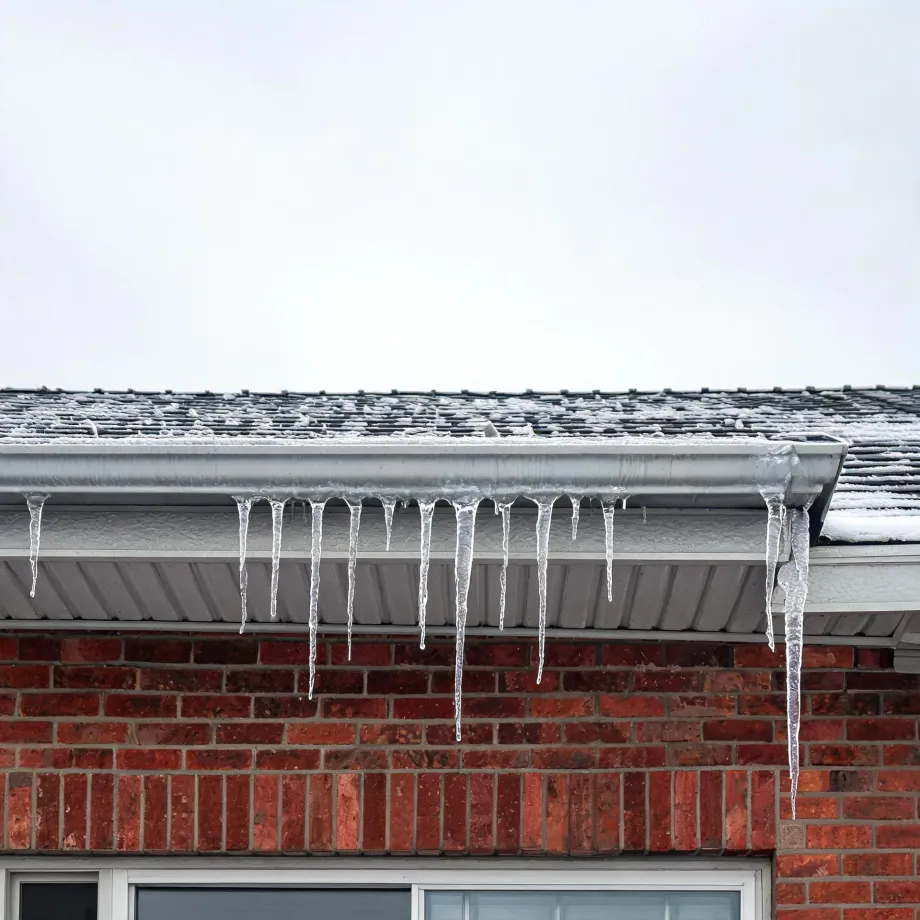
Weather extremes put real load on furnaces, and that load shapes what equipment a home here needs and how hard it works over its life. What contractors install in Webster County has to hold up to what the climate actually delivers.
190 severe weather events, 2015–2024. Source: NOAA National Centers for Environmental Information, Storm Events Database.