Tell us about the job
Takes about a minute. No obligation.
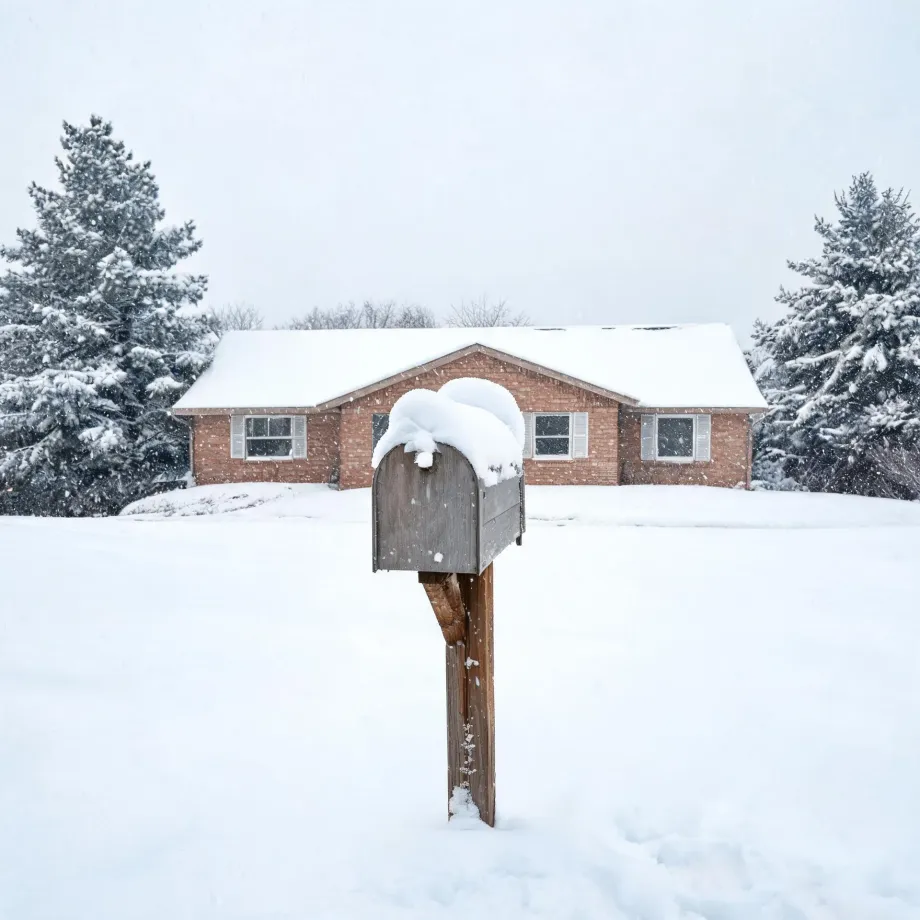
Homes in Wright County, MO run heat about seven months a year, from October through April. A furnace cycling through a heating season that long puts real hours on the heat exchanger, the burner assembly, and the ignition system. Those are the components a contractor opens first on a repair call here, because that is where the load actually lands. Cracked heat exchangers and worn igniters are findings, not suspicions, in a house that has run its furnace hard every winter. Ductwork and filters tell their own story too, and a contractor working through a repair will price those alongside the primary fault.
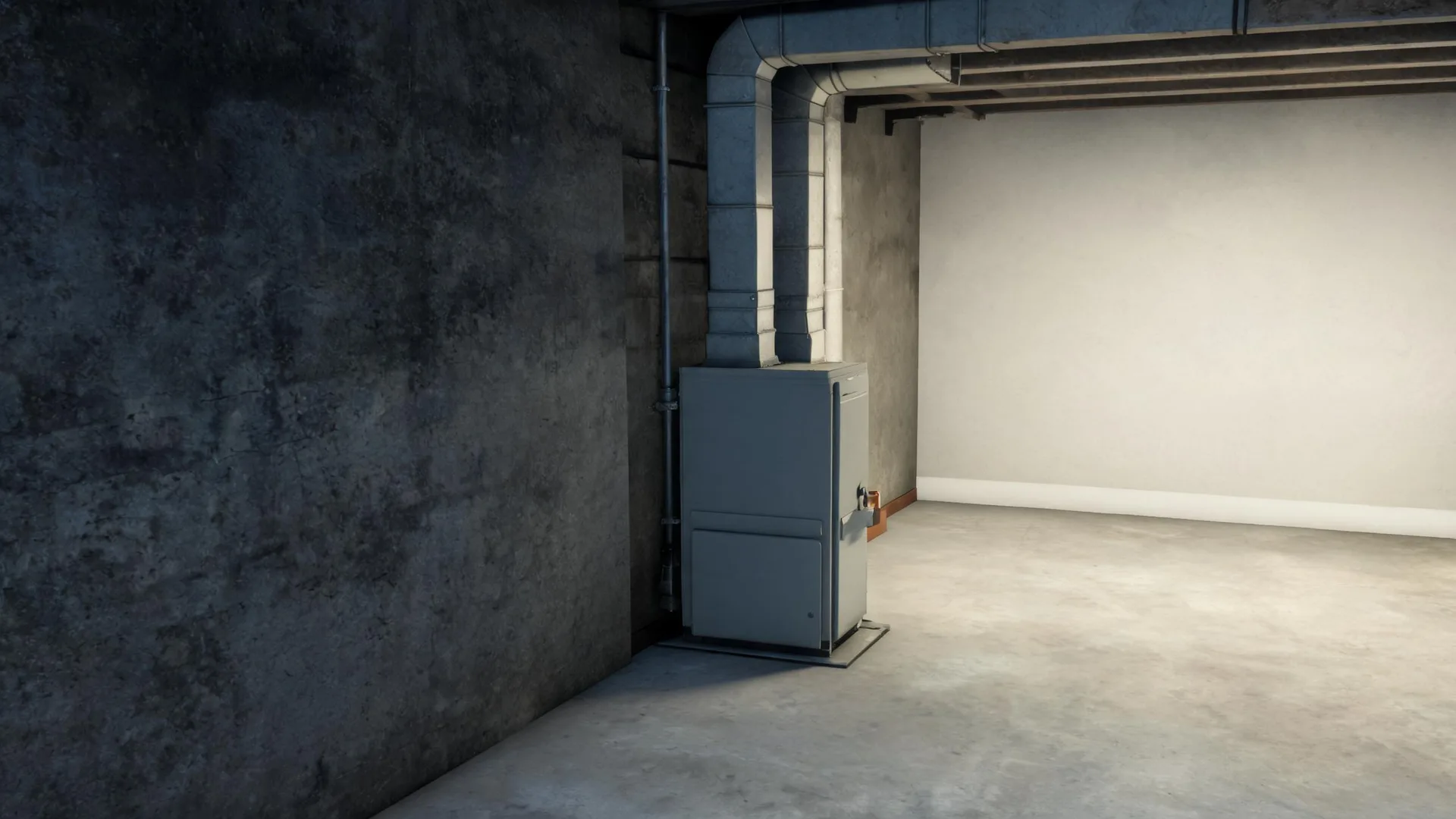
Furnace repair in a county where so much of the housing was built for equipment that no longer exists means a contractor opening a unit faces a parts question before they face a repair question. Half the homes in Wright County, Missouri were built in 1978 or earlier (2020-2024 ACS 5-year). That kind of stock accumulated decades of equipment swaps, and the furnace in a house today is rarely what the house was built around. When a contractor pulls a heat exchanger or a burner assembly, the part number they need may belong to a product line the manufacturer discontinued well before the current owner moved in. A job that looks like a straightforward repair can stall on sourcing.
The Parts of a Furnace a Contractor Checks First
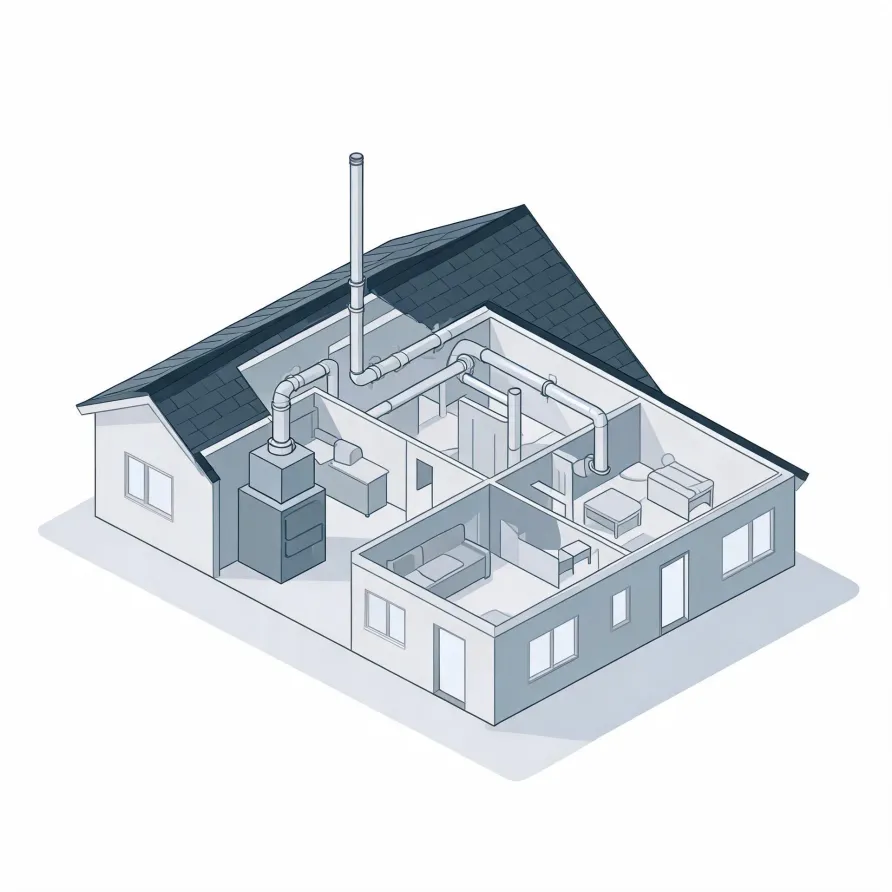
The furnace itself sits in a basement, utility closet, or mechanical room and is the piece a contractor goes to first. Inside it, the heat exchanger is the part that carries combustion heat into the airstream, and a crack or failure there is a common source of heating loss and carbon monoxide risk. The burners, which fire inside that exchanger, are checked closely when a furnace runs but fails to heat adequately.
The blower motor pulls air across the heat exchanger and pushes it through the house. It sits inside the furnace cabinet, and when it weakens or seizes, rooms stop getting air even if the burners are firing normally. The flue pipe runs from the cabinet to an exterior vent, and a contractor checks it for blockage or separation because either one affects both combustion and safety.
The drawing shows a representative layout, and a licensed contractor determines what applies to the specific equipment and configuration in your home.
Find a contractor in Wright CountyWright County, Missouri, by the numbers
129 severe weather events were recorded in Wright County, Missouri between 2015 and 2024.
NOAA National Centers for Environmental Information, Storm Events Database, bulk CSV export, events 2015-01-01 through 2024-12-31.Half the homes in Wright County, Missouri were built in 1978 or earlier (2020-2024 ACS 5-year).
U.S. Census Bureau, 2020-2024 American Community Survey 5-Year EstimatesWright County, Missouri holds 8,367 housing units (2020-2024 ACS 5-year).
U.S. Census Bureau, 2020-2024 American Community Survey 5-Year EstimatesOwners occupy 77.1% of the occupied homes in Wright County, Missouri (2020-2024 ACS 5-year).
U.S. Census Bureau, 2020-2024 American Community Survey 5-Year EstimatesCodes & Standards Covering Furnace Repair in Wright County, Missouri4 sourced rules & standards
What HVAC Repair Looks Like in Wright County
Non-weatherized gas furnaces manufactured on or after November 19, 2015 must reach 80.0 percent AFUE.
Non-weatherized oil-fired furnaces manufactured on or after November 19, 2015 must reach 83.0 percent AFUE.
Mobile home gas furnaces manufactured on or after November 19, 2015 must reach 80.0 percent AFUE.
Non-weatherized gas furnaces manufactured on or after December 18, 2028 must reach 95.0 percent AFUE, up from the 80.0 percent minimum that applies to units manufactured before that date.
Severe Weather in Wright County
Weather puts real load on furnace systems, and that load accumulates over years of heating cycles. Repair needs in Wright County track closely with what the climate asks of the equipment, which is why local weather history is part of the picture here.
129 severe weather events, 2015–2024. Source: NOAA National Centers for Environmental Information, Storm Events Database.