Tell us about the job
Takes about a minute. No obligation.
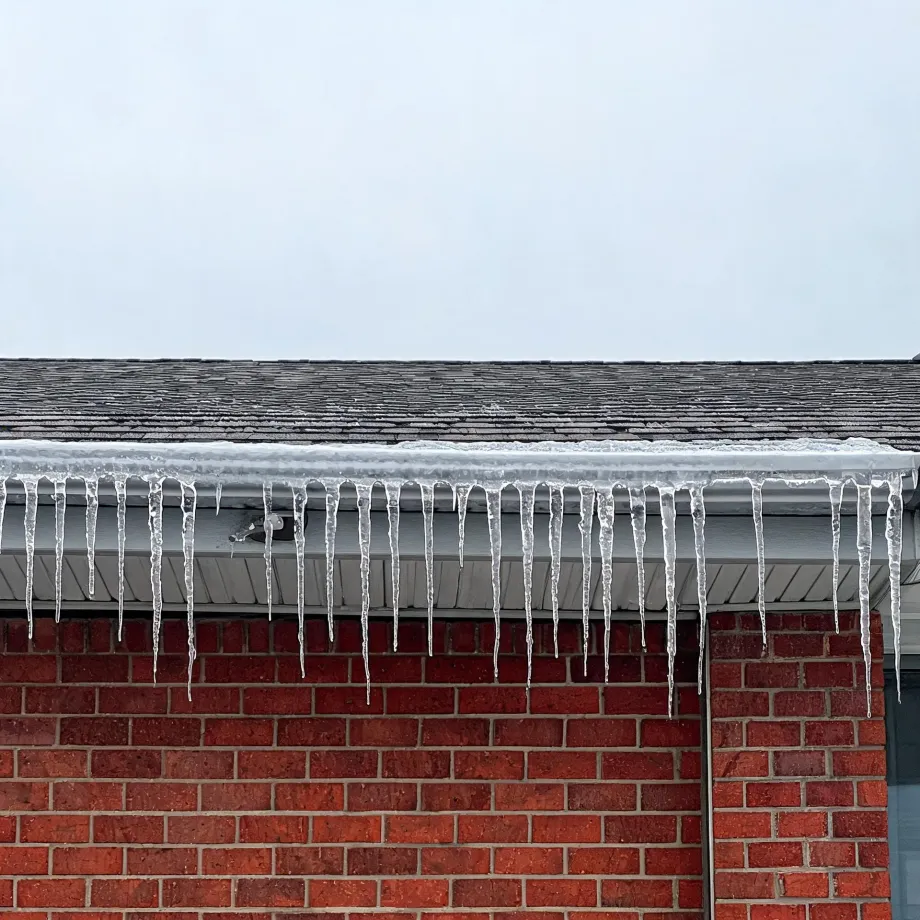
Sizing a furnace for this house means accounting for a heating load that runs deep into spring and doesn't release until well after winter ends. Homes in Greene County, MO run heat about seven months a year, from October through April. The burner and heat exchanger cycle through that entire stretch, and a unit that is even slightly undersized runs longer per cycle, stressing the ignition system and the heat exchanger more than a correctly specified one would. A contractor quoting a replacement here has to run a full load calculation for the structure, not lift a number off the old unit's nameplate, because an install that fits the house keeps the burner from overworking itself across a season of that length.
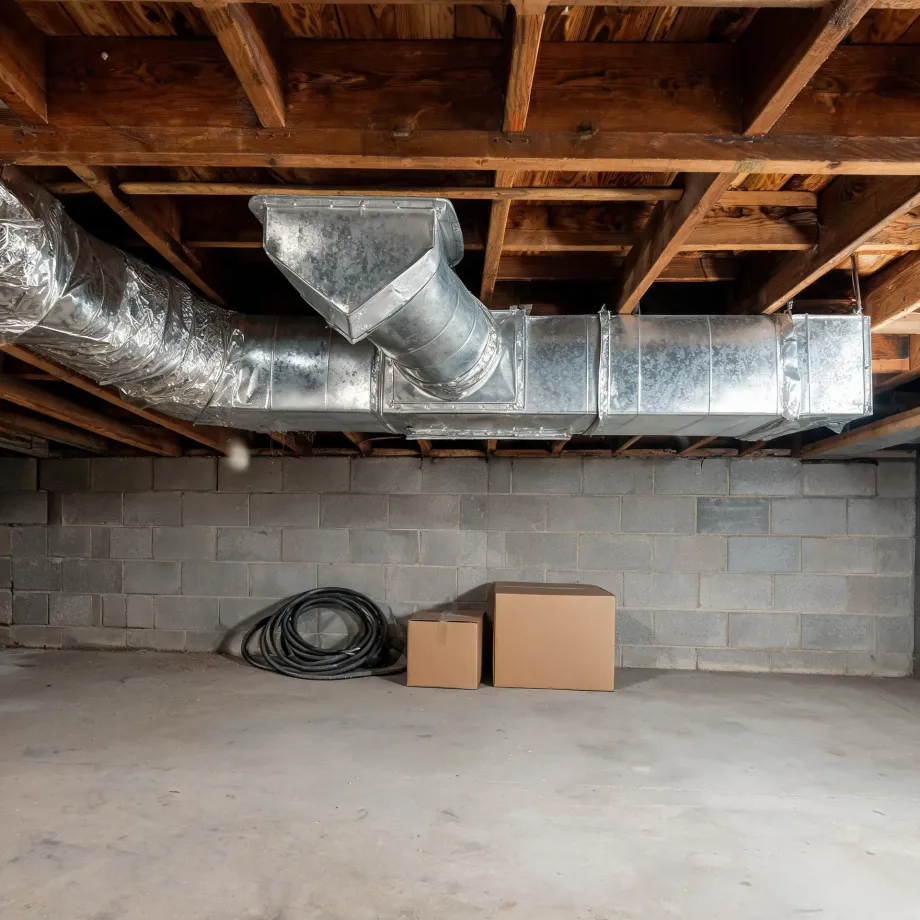
Ductwork sized for whatever was running decades ago is what a contractor opens up to when quoting a furnace installation in Greene County. Half the homes in Greene County, Missouri were built in 1982 or earlier (2020-2024 ACS 5-year). That means a substantial portion of the houses here were ducted for systems that no longer match what a modern furnace puts out, and the ducts are where the job gets complicated. If the existing runs are undersized or the trunk layout cannot handle the new airflow, the equipment selection is secondary to that problem. The furnace goes in last; the ductwork decides what it can do.
What Gets Installed With a New Furnace
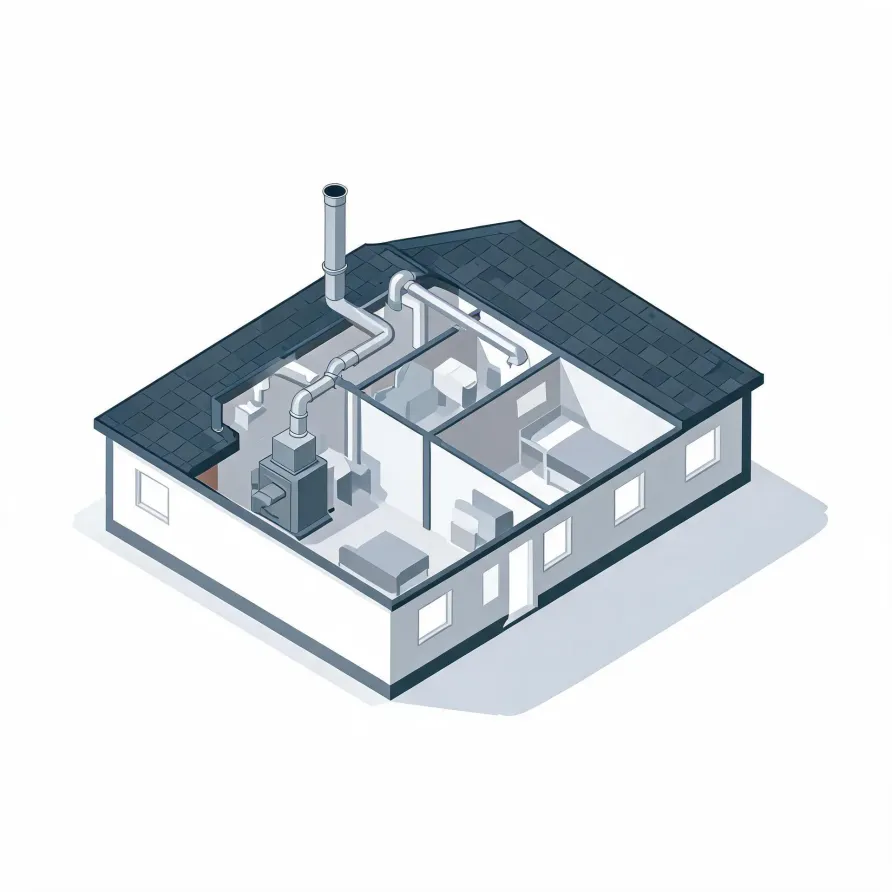
The furnace itself sits in the basement, utility room, or crawlspace and is the unit that produces heat. A heat exchanger inside it transfers combustion heat to the air moving through the system. A blower motor pushes that warmed air out into the home.
The flue pipe runs from the furnace to an exterior wall or roofline and carries combustion gases out of the house. A thermostat mounts on an interior wall and tells the furnace when to fire and when to shut off. A gas line and shutoff valve connect to the unit at the point of installation.
The drawing shows a typical layout, and a licensed contractor determines exactly what applies to your house.
Get matched in Greene CountyGreene County, by the numbers
474 severe weather events were recorded in Greene County, Missouri between 2015 and 2024.
NOAA National Centers for Environmental Information, Storm Events Database, bulk CSV export, events 2015-01-01 through 2024-12-31.Half the homes in Greene County, Missouri were built in 1982 or earlier (2020-2024 ACS 5-year).
U.S. Census Bureau, 2020-2024 American Community Survey 5-Year EstimatesGreene County, Missouri holds 138,982 housing units (2020-2024 ACS 5-year).
U.S. Census Bureau, 2020-2024 American Community Survey 5-Year EstimatesOwners occupy 57.5% of the occupied homes in Greene County, Missouri (2020-2024 ACS 5-year).
U.S. Census Bureau, 2020-2024 American Community Survey 5-Year EstimatesCodes & Standards for Furnace Installation in Greene County, Missouri4 rules & standards
What HVAC Installation Looks Like in Greene County
Non-weatherized gas furnaces manufactured on or after November 19, 2015 must reach 80.0 percent AFUE.
Non-weatherized oil-fired furnaces manufactured on or after November 19, 2015 must reach 83.0 percent AFUE.
Mobile home gas furnaces manufactured on or after November 19, 2015 must reach 80.0 percent AFUE.
Non-weatherized gas furnaces manufactured on or after December 18, 2028 must reach 95.0 percent AFUE, up from the 80.0 percent minimum that applies to units manufactured before that date.
Severe Weather Events in Greene County
Weather puts real hours on heating equipment. A furnace that carries a county through hard winters and volatile swings works harder than one in a mild climate, and that workload shapes what equipment makes sense and how it should be installed.
474 severe weather events, 2015–2024. Source: NOAA National Centers for Environmental Information, Storm Events Database.