Tell us about the job
Takes about a minute. No obligation.
The burner fires in October and keeps cycling until April, and by the time a furnace breaks down it has already logged a long stretch of that pattern. Homes in Clay County, MO run heat about seven months a year, from October through April. Heat exchangers crack from repeated thermal expansion, ignition components wear from constant cycling, and the burner itself accumulates residue that changes how it fires. A contractor called out for a repair in Clay County opens the cabinet expecting to find that wear on those parts first, because that is where the load lands on a furnace run this hard through this kind of season.
Furnace repairs in housing stock like this run into a specific problem: what a contractor pulls apart inside the unit determines whether the job is a repair or a replacement conversation. Half the homes in Clay County, Missouri were built in 1987 or earlier (2020-2024 ACS 5-year). A heat exchanger cracked from years of cycling, or a burner assembly whose replacement parts a manufacturer no longer produces, shifts the scope before a quote can even be written. The age of the structure is not where that answer lives. It lives in what the opened furnace actually contains.
The Parts of a Furnace a Contractor Checks First
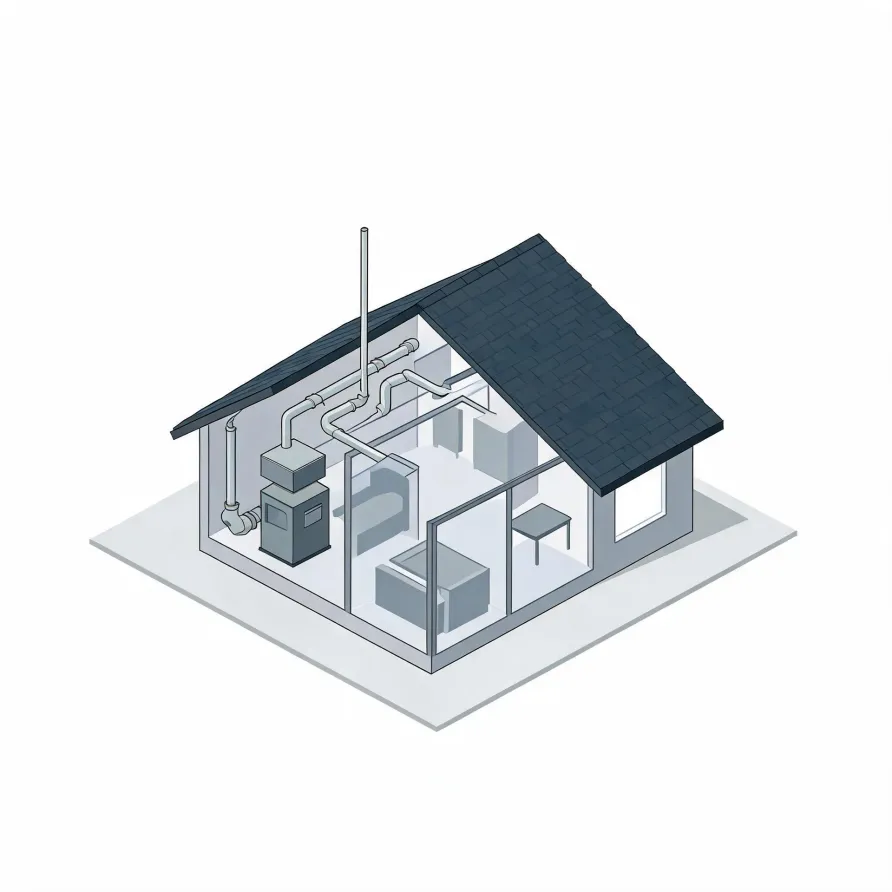
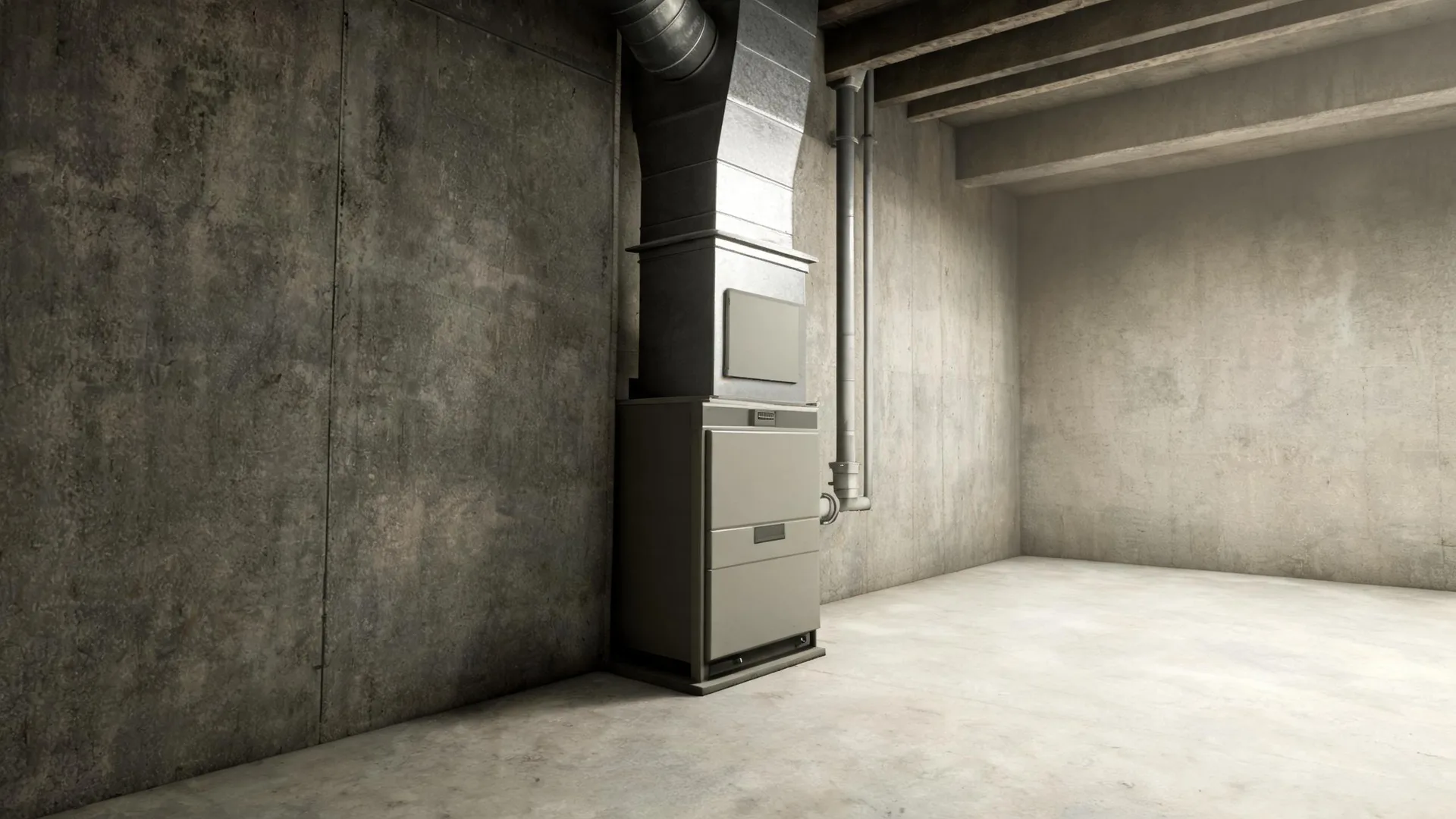
The furnace itself sits in a basement, utility closet, or mechanical room and is the piece that generates heat. Inside it, the heat exchanger is what a contractor reaches for early when something is wrong: cracks there let combustion gases mix with household air, and a failed one shuts the system down. The burners, which sit just below the exchanger, are another common starting point when ignition is weak or uneven.
The blower motor sits at the base of the furnace cabinet and pushes conditioned air into the supply side of the house. Alongside it, the flue pipe runs from the top of the furnace to an exterior wall or roof and carries exhaust out. The control board and the igniter are both housed inside the cabinet and are where a contractor looks when the furnace powers on but refuses to fire.
The drawing shows a representative layout, and a licensed contractor determines which components and configurations apply to your specific home.
Find a contractor in Clay CountyClay County, by the numbers
227 severe weather events were recorded in Clay County, Missouri between 2015 and 2024.
NOAA National Centers for Environmental Information, Storm Events Database, bulk CSV export, events 2015-01-01 through 2024-12-31.Half the homes in Clay County, Missouri were built in 1987 or earlier (2020-2024 ACS 5-year).
U.S. Census Bureau, 2020-2024 American Community Survey 5-Year EstimatesClay County, Missouri holds 107,719 housing units (2020-2024 ACS 5-year).
U.S. Census Bureau, 2020-2024 American Community Survey 5-Year EstimatesOwners occupy 69.5% of the occupied homes in Clay County, Missouri (2020-2024 ACS 5-year).
U.S. Census Bureau, 2020-2024 American Community Survey 5-Year EstimatesFurnace Repair Rules & Standards on Record for Clay County, Missouri4 sourced rules and standards
What Happens When a Contractor Comes Out
Non-weatherized gas furnaces manufactured on or after November 19, 2015 must reach 80.0 percent AFUE.
Non-weatherized oil-fired furnaces manufactured on or after November 19, 2015 must reach 83.0 percent AFUE.
Mobile home gas furnaces manufactured on or after November 19, 2015 must reach 80.0 percent AFUE.
Non-weatherized gas furnaces manufactured on or after December 18, 2028 must reach 95.0 percent AFUE, up from the 80.0 percent minimum that applies to units manufactured before that date.
Severe Weather Events in Clay County
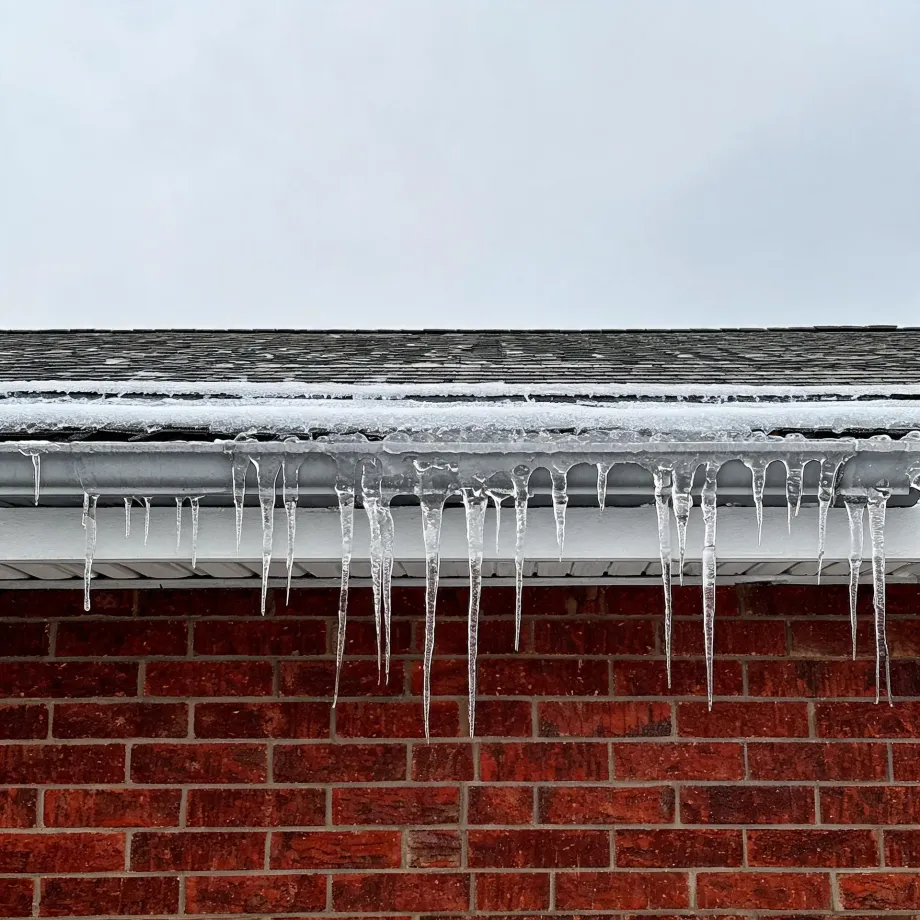
Extreme weather puts real strain on furnace systems, cycling them hard through cold snaps and power fluctuations that add up over time. How much of that a furnace has absorbed is a local fact, and it shapes what a contractor looks for when diagnosing a repair in Clay County.
227 severe weather events, 2015–2024. Source: NOAA National Centers for Environmental Information, Storm Events Database.