Tell us about the job
Takes about a minute. No obligation.
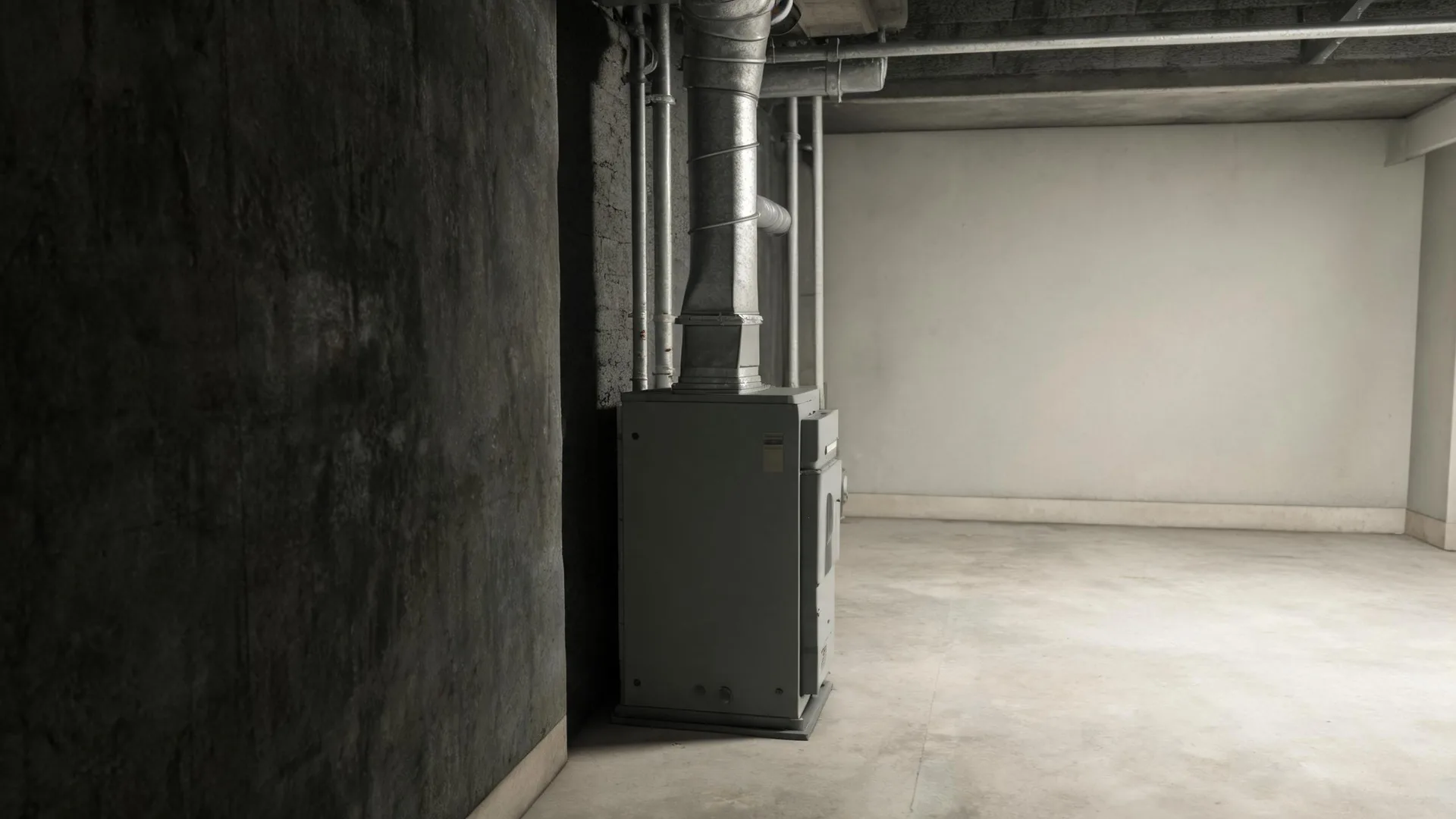
A furnace repair in Phelps County starts with the parts that actually cycle: the burner, the heat exchanger, and the ignition system. Homes in Phelps County, MO run heat about seven months a year, from October through April. That kind of sustained runtime loads the heat exchanger through repeated expansion and contraction, and cracks or stress fractures there are what a contractor checks before anything else. Igniter failure follows a similar pattern. A unit that has been short-cycling or running undersized accumulates wear faster, and a repair quote here has to account for what the equipment has already been asked to carry.
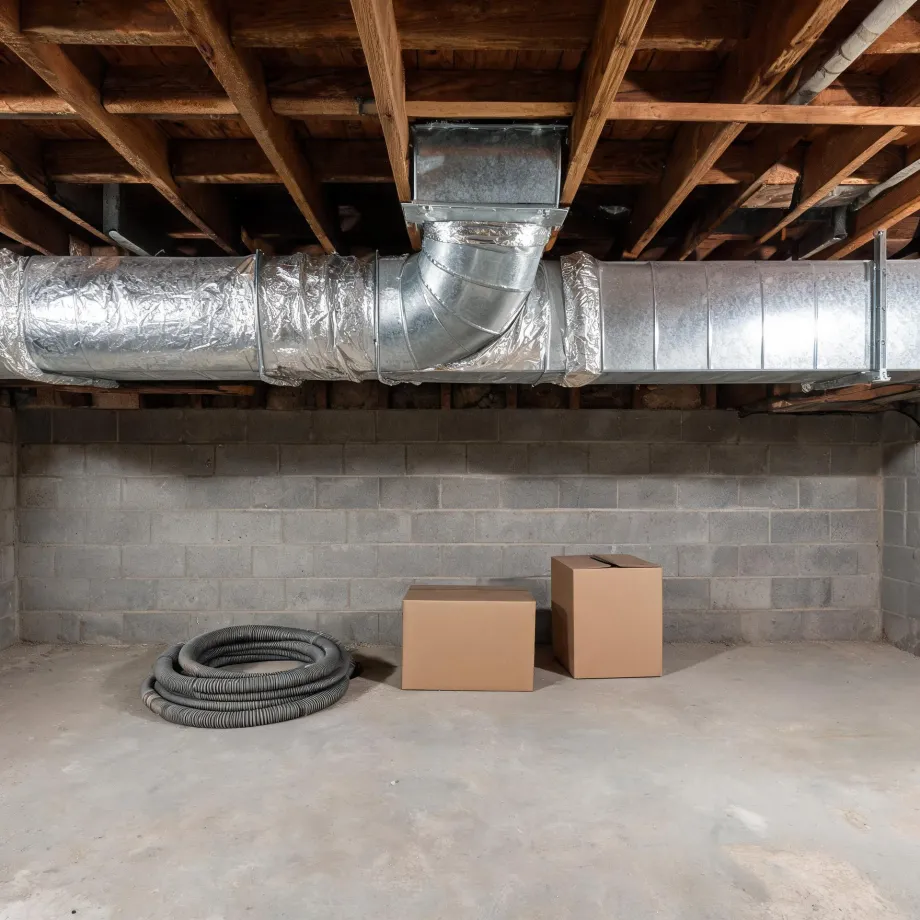
Furnace repair in housing stock this old runs into a particular problem: the parts a contractor pulls out are sometimes no longer in production, and what replaces them has to fit a furnace cavity and a flue arrangement that was built around something else entirely. Half the homes in Phelps County, Missouri were built in 1984 or earlier (2020-2024 ACS 5-year). That means a contractor opening a furnace here is checking whether the heat exchanger, the burner assembly, and the draft system are still serviceable with what manufacturers actually make today, not just whether the unit looks intact from the outside. When a part is discontinued, the repair either takes a compatible substitute or it stops there.
The Parts of a Furnace a Contractor Checks First
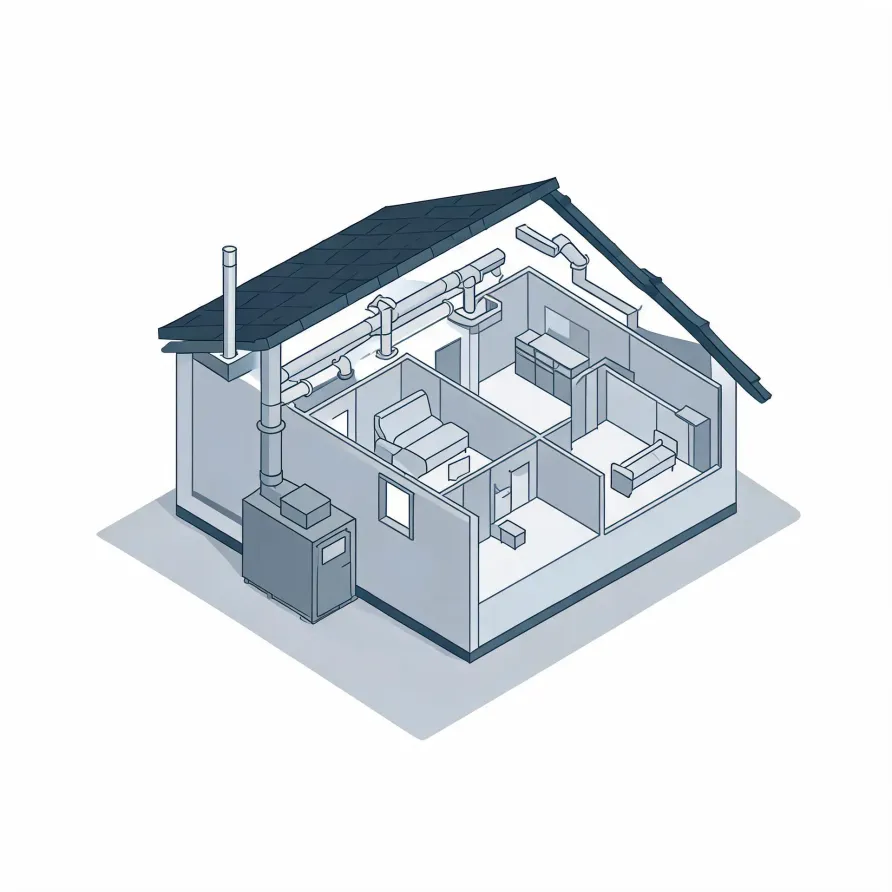
The furnace itself sits in a basement, utility room, or closet and is the heart of the system. Inside it, the heat exchanger is the piece a contractor looks at closely during a repair call. Cracks or failure there affect both heat output and safety. The burners, which fire inside the heat exchanger, are another common source of trouble when a furnace stops heating properly.
The blower motor sits at the base of the furnace cabinet and pushes conditioned air into the supply ducts. The flue or venting runs from the top of the cabinet to the outside, carrying combustion gases out of the house. The thermostat, mounted on an interior wall, is the control point and is often the first thing a contractor checks before opening the cabinet.
The drawing shows the general layout of a furnace system, and a licensed contractor determines which components apply to your specific house and situation.
Get matched in Phelps CountyPhelps County, by the numbers
130 severe weather events were recorded in Phelps County, Missouri between 2015 and 2024.
NOAA National Centers for Environmental Information, Storm Events Database, bulk CSV export, events 2015-01-01 through 2024-12-31.Half the homes in Phelps County, Missouri were built in 1984 or earlier (2020-2024 ACS 5-year).
U.S. Census Bureau, 2020-2024 American Community Survey 5-Year EstimatesPhelps County, Missouri holds 20,295 housing units (2020-2024 ACS 5-year).
U.S. Census Bureau, 2020-2024 American Community Survey 5-Year EstimatesOwners occupy 61.7% of the occupied homes in Phelps County, Missouri (2020-2024 ACS 5-year).
U.S. Census Bureau, 2020-2024 American Community Survey 5-Year EstimatesFurnace Repair Rules on Record for Phelps County, Missouri4 codes, standards & laws
What Happens When the Contractor Arrives
Non-weatherized gas furnaces manufactured on or after November 19, 2015 must reach 80.0 percent AFUE.
Non-weatherized oil-fired furnaces manufactured on or after November 19, 2015 must reach 83.0 percent AFUE.
Mobile home gas furnaces manufactured on or after November 19, 2015 must reach 80.0 percent AFUE.
Non-weatherized gas furnaces manufactured on or after December 18, 2028 must reach 95.0 percent AFUE, up from the 80.0 percent minimum that applies to units manufactured before that date.
Severe Weather Events in Phelps County
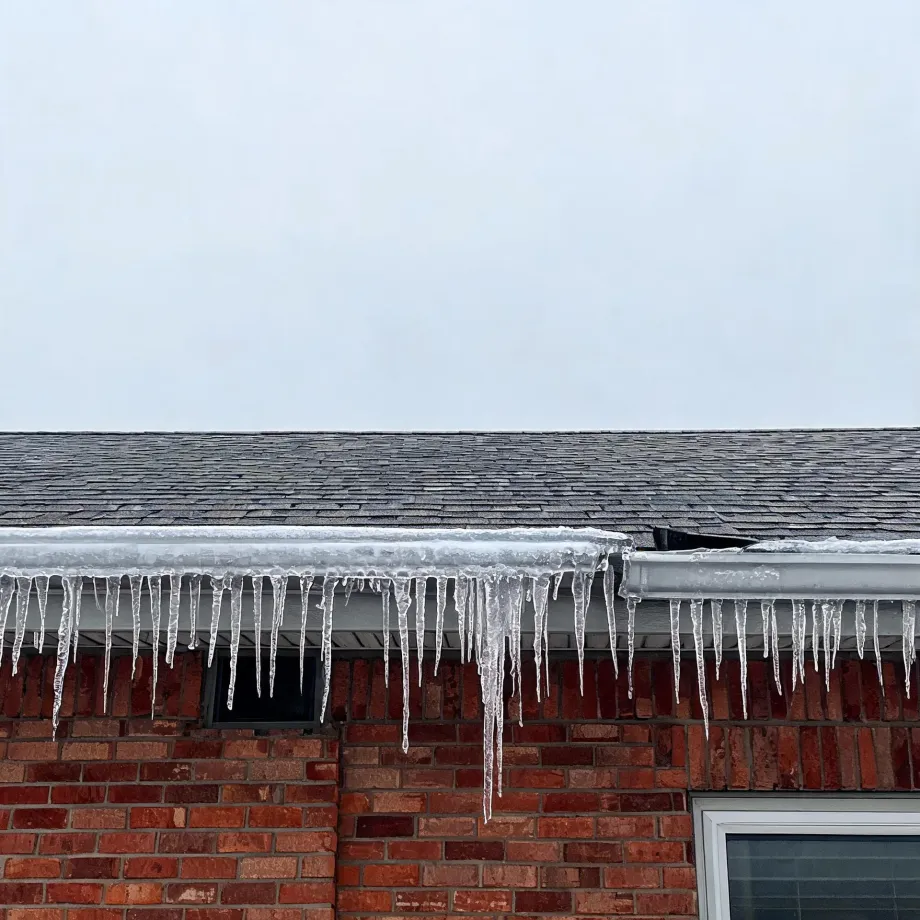
Weather in Phelps County puts real load on heating equipment, and that load compounds over time. A furnace that cycles hard through difficult seasons wears faster and breaks at the worst moments, which is why local repair demand tracks closely with what the sky does here.
130 severe weather events, 2015–2024. Source: NOAA National Centers for Environmental Information, Storm Events Database.