Tell us about the job
Takes about a minute. No obligation.
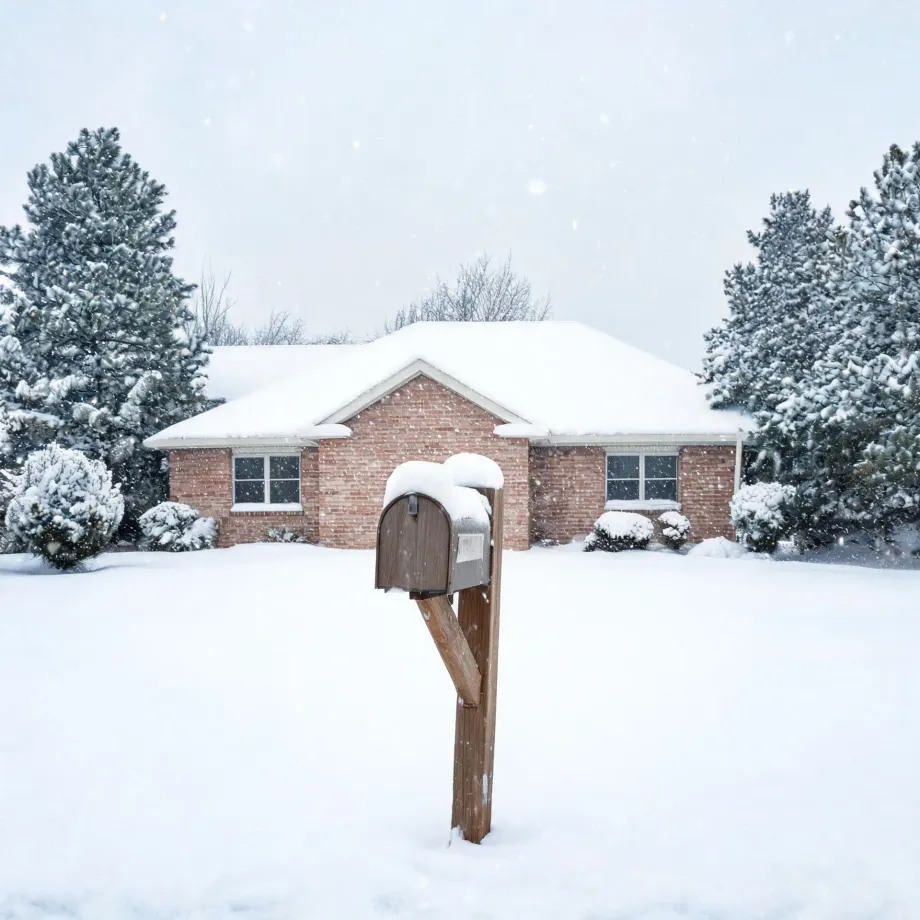
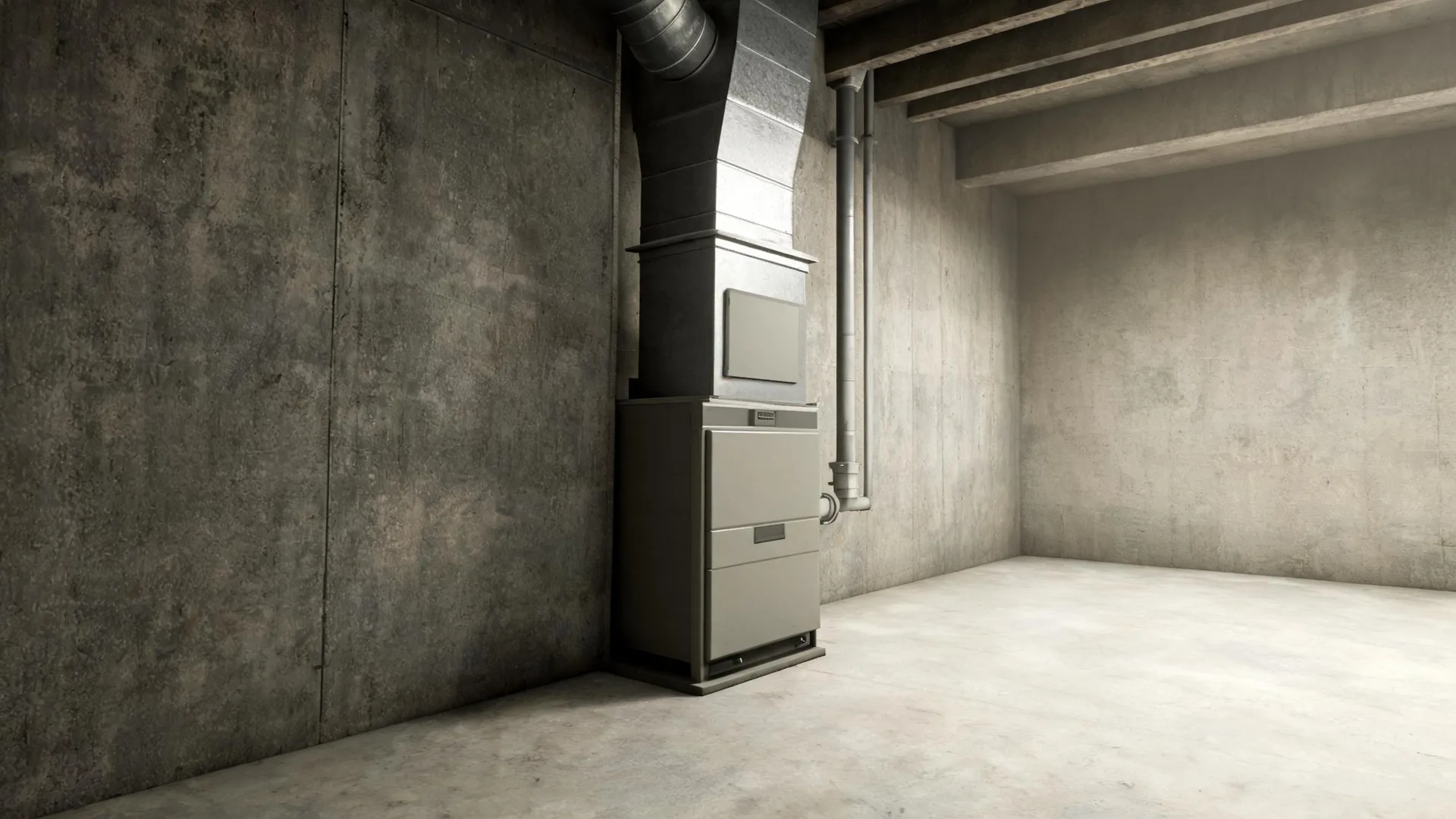
Sizing a furnace for Shannon County starts with how long the burner actually runs each year. Homes in Shannon County, MO run heat about seven months a year, from October through April. A heat exchanger and ignition system that cycle through that full stretch accumulate wear on a predictable schedule, and a unit that was undersized at install reaches its stress points sooner because it runs harder through every cold month to keep up. A contractor quoting a replacement here has to work out the right output for the house before anything else, because an undersized box does not get to hide behind a short season.
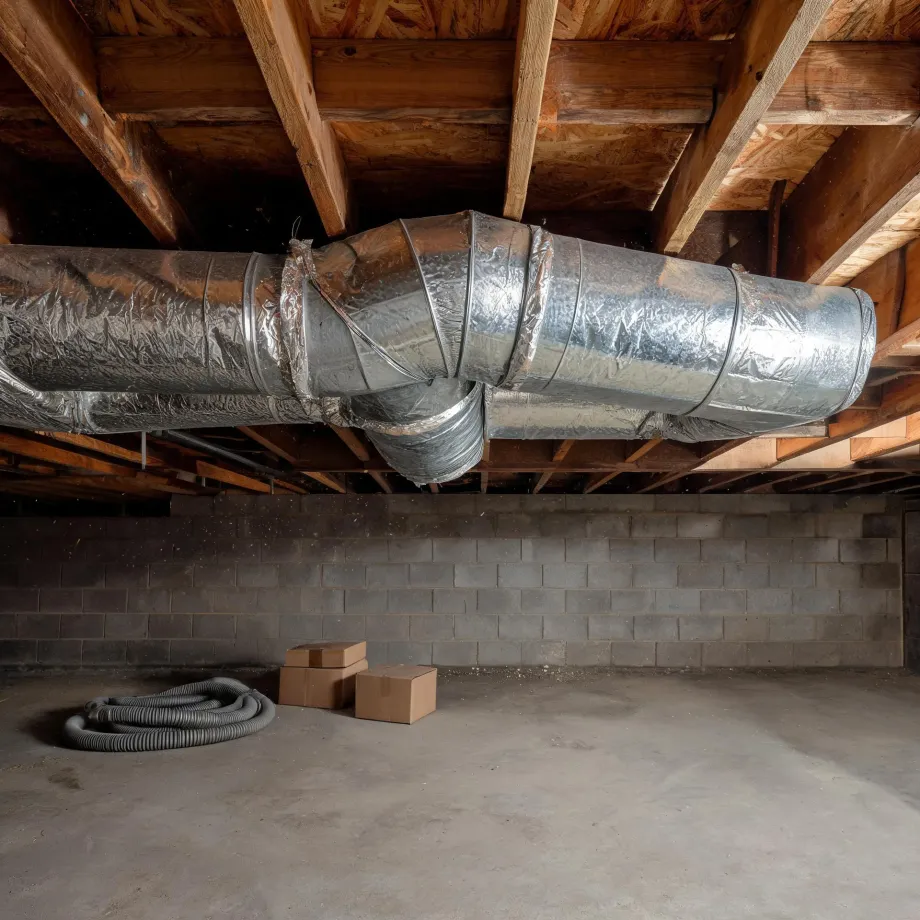
Ductwork laid down for a different furnace, in a house built around different load assumptions, is what a contractor has to account for before any new unit goes in. Half the homes in Shannon County, Missouri were built in 1980 or earlier (2020-2024 ACS 5-year). That gap between what the house was designed around and what now has to run through it is where an installation either works or doesn't. Trunks and branch runs that handled one system's airflow may restrict, leak, or simply not reach where a modern furnace needs them to. The electrical is its own question. An installer working in this county reads the existing ductwork as carefully as the equipment spec.
What Gets Installed With a New Furnace
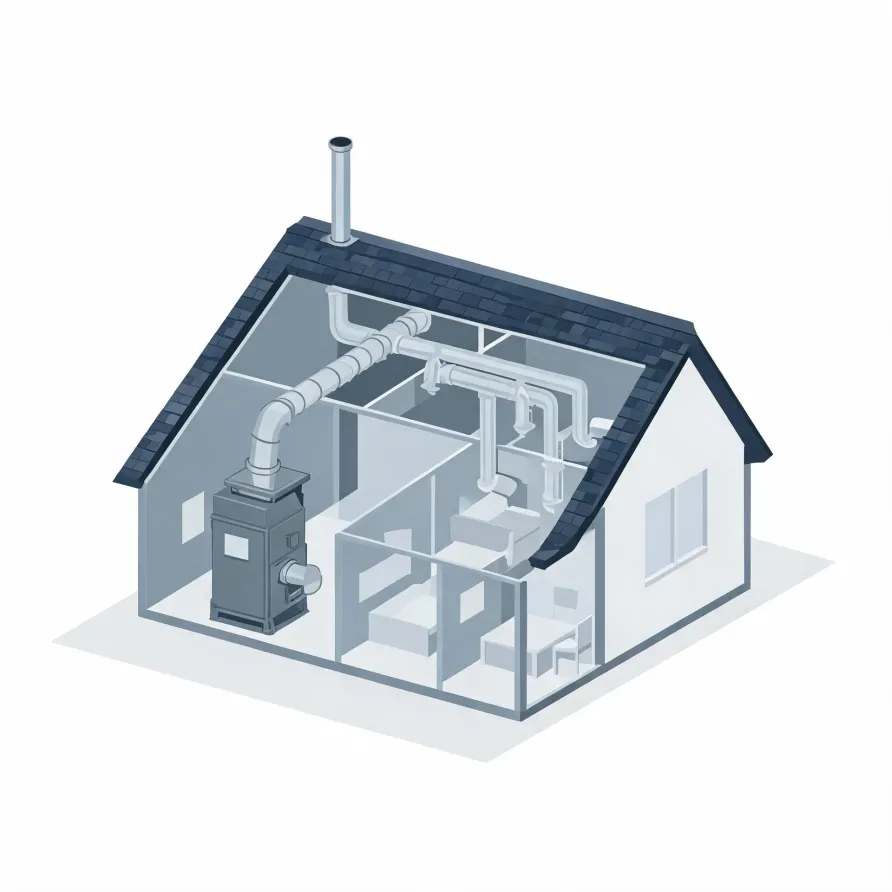
The furnace itself sits in a mechanical room, basement, or utility closet and is the piece doing the heating work. A heat exchanger inside it warms the air that moves through the house, and a burner assembly feeds it fuel. The blower motor, housed in the same cabinet, pushes that warmed air out into the supply side of the duct system.
The flue pipe runs from the furnace cabinet up and out of the house, carrying combustion exhaust away from the living space. A gas valve and a control board also mount inside the cabinet. The thermostat goes on an interior wall and is the one piece the homeowner sees and touches every day.
The drawing shows a typical layout, and a licensed contractor determines exactly what applies to this house.
Get matched in Shannon CountyShannon County, by the numbers
93 severe weather events were recorded in Shannon County, Missouri between 2015 and 2024.
NOAA National Centers for Environmental Information, Storm Events Database, bulk CSV export, events 2015-01-01 through 2024-12-31.Half the homes in Shannon County, Missouri were built in 1980 or earlier (2020-2024 ACS 5-year).
U.S. Census Bureau, 2020-2024 American Community Survey 5-Year EstimatesShannon County, Missouri holds 3,517 housing units (2020-2024 ACS 5-year).
U.S. Census Bureau, 2020-2024 American Community Survey 5-Year EstimatesOwners occupy 79.9% of the occupied homes in Shannon County, Missouri (2020-2024 ACS 5-year).
U.S. Census Bureau, 2020-2024 American Community Survey 5-Year EstimatesFurnace Installation Rules for Shannon County, Missouri4 codes and standards
What the installation looks like from your end
Non-weatherized gas furnaces manufactured on or after November 19, 2015 must reach 80.0 percent AFUE.
Non-weatherized oil-fired furnaces manufactured on or after November 19, 2015 must reach 83.0 percent AFUE.
Mobile home gas furnaces manufactured on or after November 19, 2015 must reach 80.0 percent AFUE.
Non-weatherized gas furnaces manufactured on or after December 18, 2028 must reach 95.0 percent AFUE, up from the 80.0 percent minimum that applies to units manufactured before that date.
Severe Weather Events in Shannon County
Weather in Shannon County puts real demands on heating equipment, from deep cold snaps to the kind of pressure swings that cycle a furnace hard. How often those conditions hit shapes what a furnace here needs to handle.
93 severe weather events, 2015–2024. Source: NOAA National Centers for Environmental Information, Storm Events Database.