Tell us about the job
Takes about a minute. No obligation.
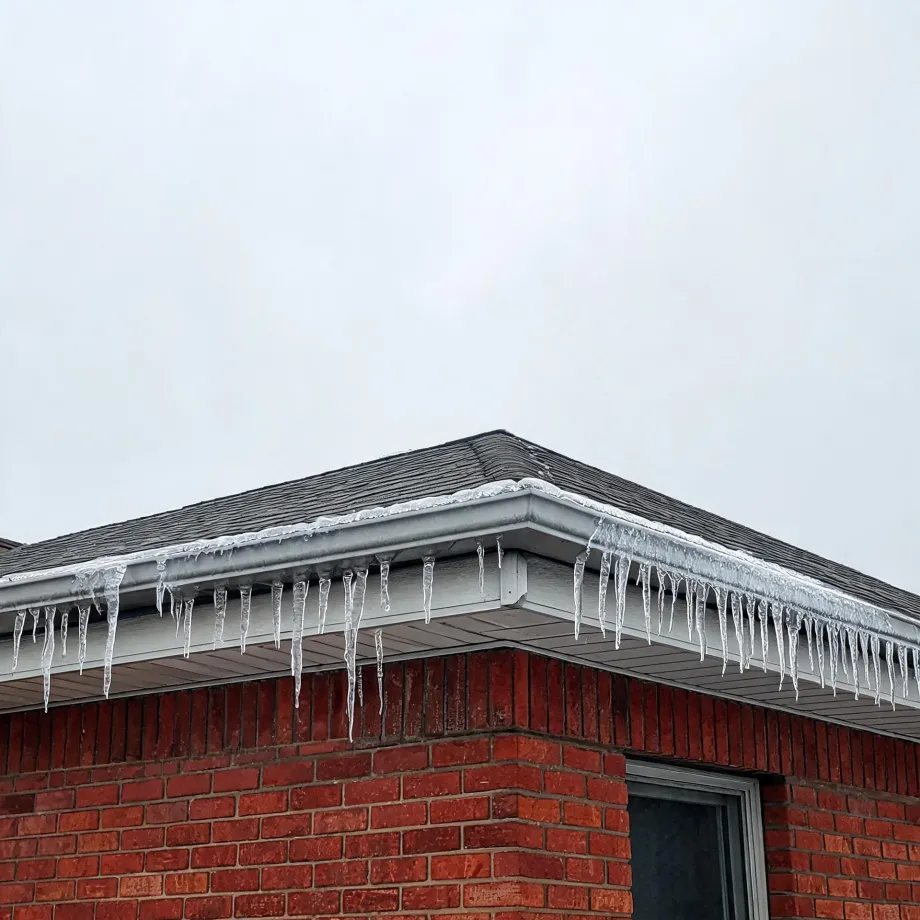
The burner assembly and ignition system on a furnace cycle every time the thermostat calls for heat, and in Shannon County that means months of continuous stops and starts before the equipment rests. Homes in Shannon County, MO run heat about seven months a year, from October through April. By the time a repair call comes in, the igniter and flame sensor have been through that full load, and a contractor working the job looks at those parts before anything else on the unit. Heat exchangers crack under that kind of thermal cycling too. A homeowner reporting a no-heat call in February is describing a system that has been running since fall, and the diagnosis follows that history.
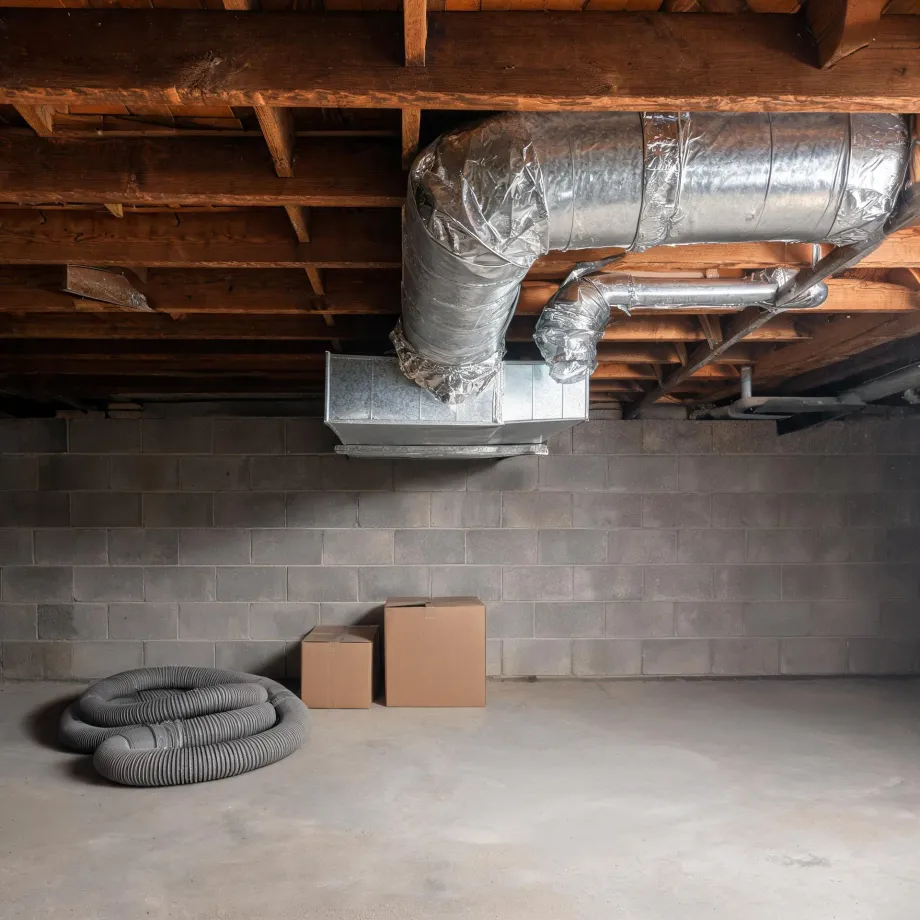
Furnaces running in houses this old were installed into a different generation of equipment, and what a contractor finds once the unit is open frequently includes components whose direct replacements require sourcing beyond standard distributor stock. Half the homes in Shannon County, Missouri were built in 1980 or earlier (2020-2024 ACS 5-year). That spread across the housing stock means a repair call here regularly turns on parts availability rather than labor or diagnosis time, and a contractor who has not confirmed supply before quoting is quoting a number that may not hold.
The Parts of a Furnace a Contractor Checks First
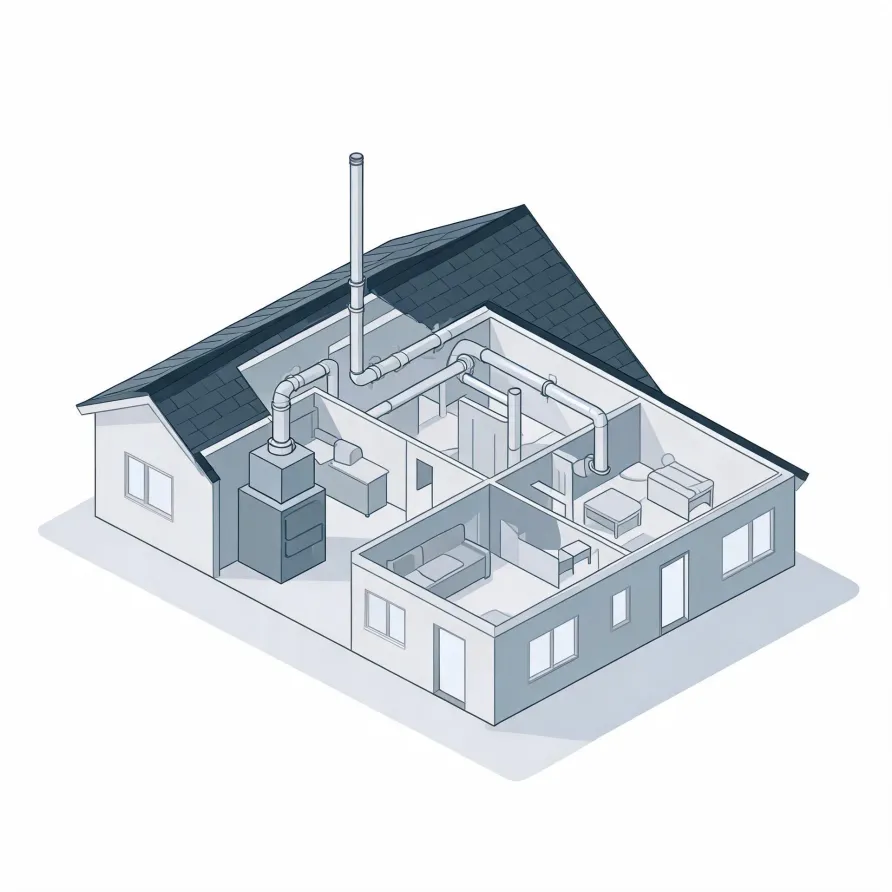
The furnace itself sits in the basement, utility closet, or garage and is the unit a contractor opens first. Inside it, the heat exchanger and burner assembly are the pieces most likely behind a breakdown. A cracked heat exchanger or a failing igniter will stop the system cold or trip a safety shutoff.
The blower motor moves conditioned air out of the cabinet and into the duct system. The flue pipe runs from the top or rear of the furnace to an exterior wall or the chimney, carrying combustion gases out of the house. Both are on a contractor's checklist because a seized blower or a blocked flue can be the whole problem.
The drawing shows a typical furnace layout, and a licensed contractor will determine which components apply to your specific system and situation.
Get matched in Shannon CountyShannon County, by the numbers
93 severe weather events were recorded in Shannon County, Missouri between 2015 and 2024.
NOAA National Centers for Environmental Information, Storm Events Database, bulk CSV export, events 2015-01-01 through 2024-12-31.Half the homes in Shannon County, Missouri were built in 1980 or earlier (2020-2024 ACS 5-year).
U.S. Census Bureau, 2020-2024 American Community Survey 5-Year EstimatesShannon County, Missouri holds 3,517 housing units (2020-2024 ACS 5-year).
U.S. Census Bureau, 2020-2024 American Community Survey 5-Year EstimatesOwners occupy 79.9% of the occupied homes in Shannon County, Missouri (2020-2024 ACS 5-year).
U.S. Census Bureau, 2020-2024 American Community Survey 5-Year EstimatesFurnace Repair Rules & Standards for Shannon County, Missouri4 codes and standards
What Happens When the Contractor Arrives
Non-weatherized gas furnaces manufactured on or after November 19, 2015 must reach 80.0 percent AFUE.
Non-weatherized oil-fired furnaces manufactured on or after November 19, 2015 must reach 83.0 percent AFUE.
Mobile home gas furnaces manufactured on or after November 19, 2015 must reach 80.0 percent AFUE.
Non-weatherized gas furnaces manufactured on or after December 18, 2028 must reach 95.0 percent AFUE, up from the 80.0 percent minimum that applies to units manufactured before that date.
Severe Weather Events in Shannon County
Weather puts direct stress on heating equipment: hard cold, sudden swings, and power disruptions all shorten the life of components and push systems toward failure. How much of that Shannon County sees in a given year shapes how hard a furnace has to work and how often repairs become necessary.
93 severe weather events, 2015–2024. Source: NOAA National Centers for Environmental Information, Storm Events Database.