Tell us about the job
Takes about a minute. No obligation.
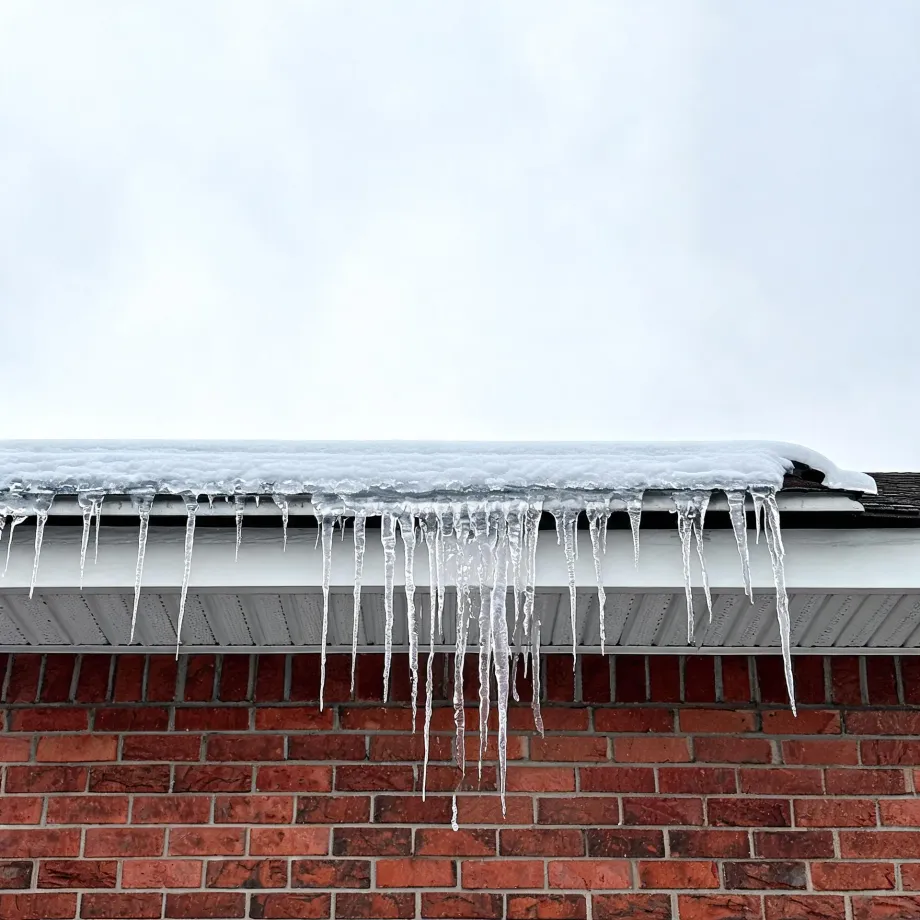
Sizing a furnace for Texas County starts with understanding what the burner is actually being asked to carry. Homes in Texas County, MO run heat about seven months a year, from October through April. A heat exchanger that cycles on and off across that many months accumulates fatigue that a short-season install never faces at the same pace, and an ignition system that fires up repeatedly from October through April earns its wear early if the unit was undersized from the start. A contractor quoting a replacement here runs a load calculation specific to this house before any equipment goes on a truck.
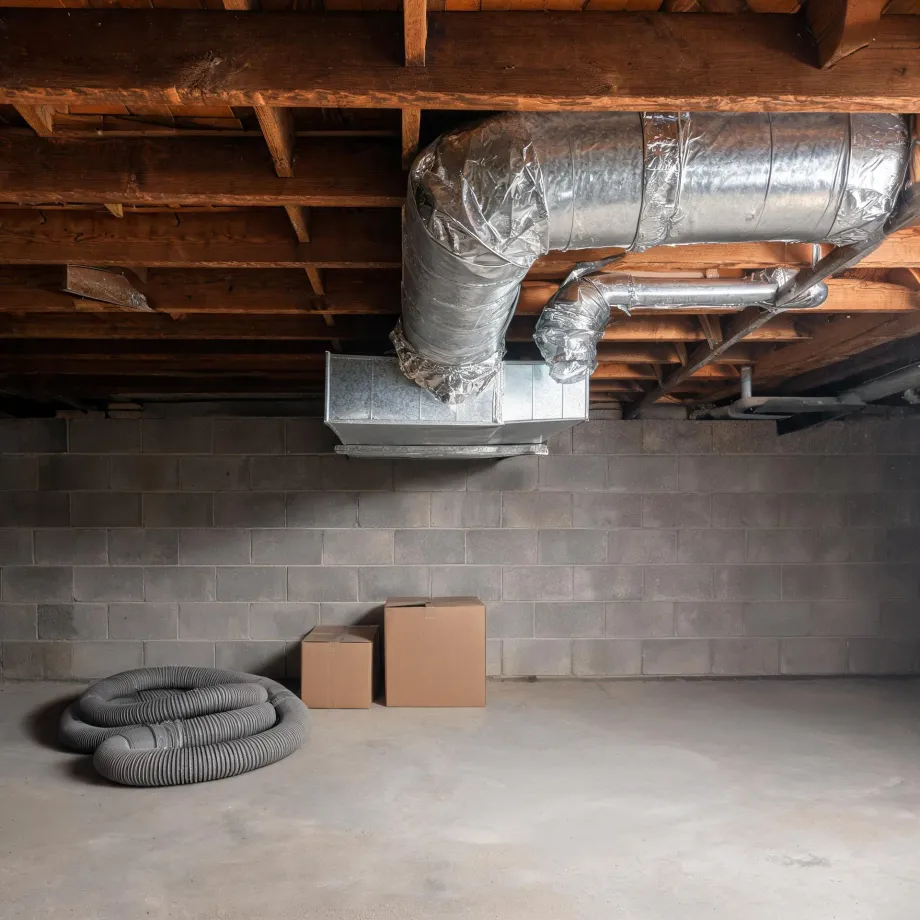
Ductwork laid down for an earlier generation of heating equipment is what a furnace installation here runs into. Half the homes in Texas County, Missouri were built in 1979 or earlier (2020-2024 ACS 5-year). That means much of the housing in this county was ducted before modern forced-air loads became the norm, and a contractor quoting a new furnace has to assess whether those runs will carry it before pricing the unit itself. If the existing ductwork is undersized or poorly configured for current output, the scope of the job changes. The electrical service gets the same look.
What Gets Installed With a New Furnace
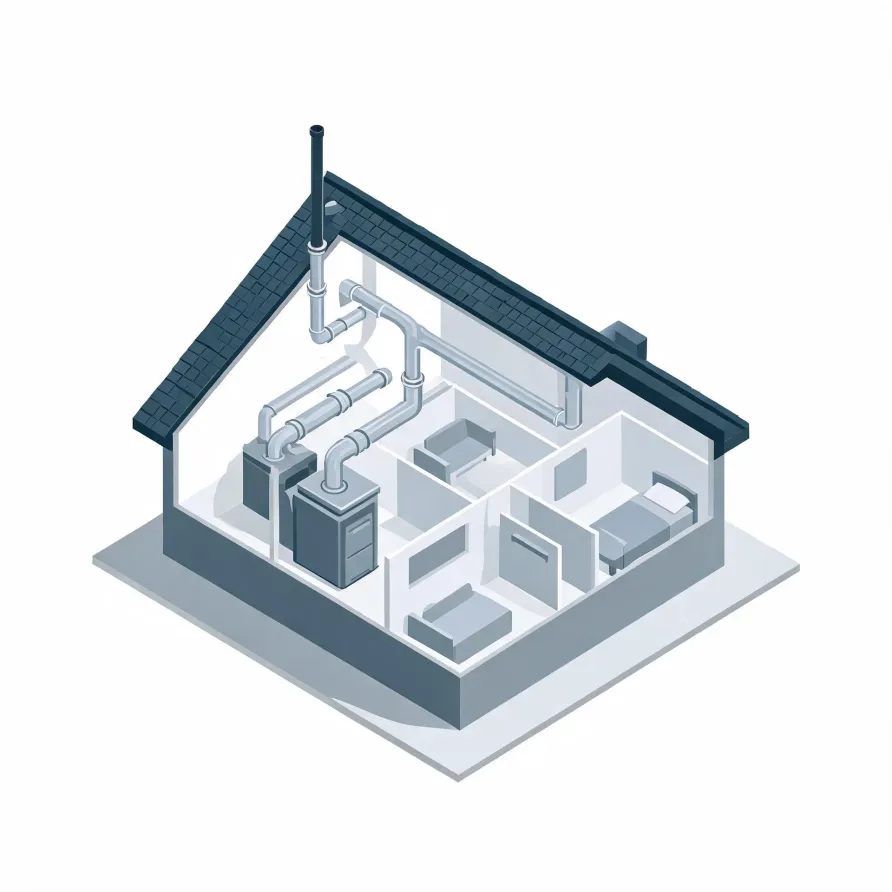
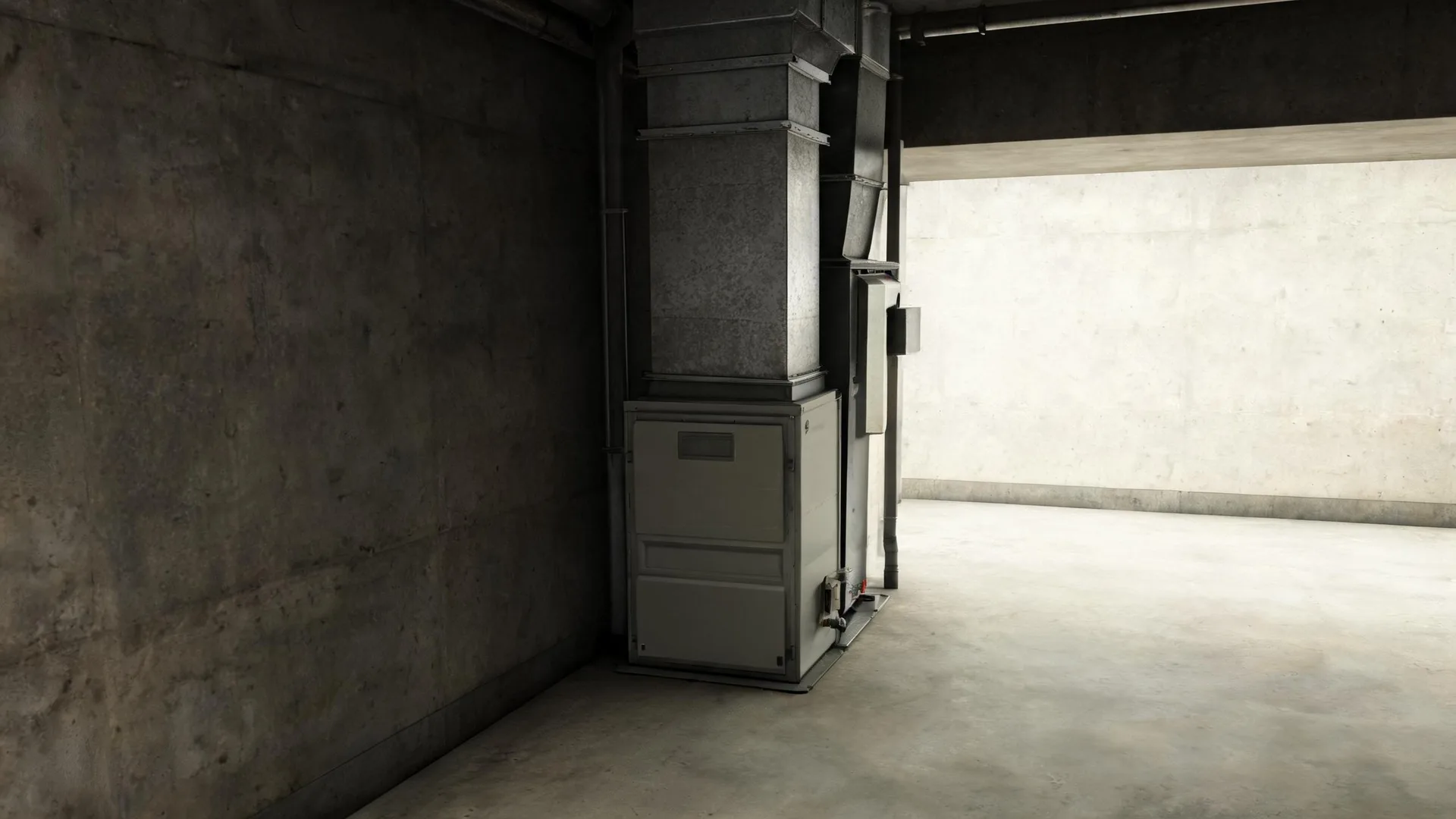
The furnace itself sits in a utility space, basement, or closet and is the unit a homeowner sees when they look at the heating system. Inside it, a burner assembly, a heat exchanger, and a blower work together to produce and push heated air. The thermostat goes on a main living area wall and is what the household uses to control the whole system.
A flue pipe runs from the furnace to an exterior wall or up through the roof, carrying combustion gases out of the house. Alongside the furnace, a contractor installs a filter housing where incoming air gets cleaned before it moves through the system. On high-efficiency models, a condensate drain line also runs from the unit to a floor drain or utility sink.
The drawing shows the general layout of these components, and a licensed contractor determines exactly what applies to this house.
Get matched in Texas CountyTexas County, Missouri, by the numbers
116 severe weather events were recorded in Texas County, Missouri between 2015 and 2024.
NOAA National Centers for Environmental Information, Storm Events Database, bulk CSV export, events 2015-01-01 through 2024-12-31.Half the homes in Texas County, Missouri were built in 1979 or earlier (2020-2024 ACS 5-year).
U.S. Census Bureau, 2020-2024 American Community Survey 5-Year EstimatesTexas County, Missouri holds 11,006 housing units (2020-2024 ACS 5-year).
U.S. Census Bureau, 2020-2024 American Community Survey 5-Year EstimatesOwners occupy 77.2% of the occupied homes in Texas County, Missouri (2020-2024 ACS 5-year).
U.S. Census Bureau, 2020-2024 American Community Survey 5-Year EstimatesFurnace Installation Rules for Texas County, Missouri4 codes & standards
What HVAC Installation Looks Like in Texas County
Non-weatherized gas furnaces manufactured on or after November 19, 2015 must reach 80.0 percent AFUE.
Non-weatherized oil-fired furnaces manufactured on or after November 19, 2015 must reach 83.0 percent AFUE.
Mobile home gas furnaces manufactured on or after November 19, 2015 must reach 80.0 percent AFUE.
Non-weatherized gas furnaces manufactured on or after December 18, 2028 must reach 95.0 percent AFUE, up from the 80.0 percent minimum that applies to units manufactured before that date.
Severe Weather Events in Texas County
Weather in Texas County puts real demands on heating equipment, from extended cold stretches to sharp swings in temperature that force a furnace to work harder and wear faster. How much stress a system takes on here is a local question, and the right installation accounts for it.
116 severe weather events, 2015–2024. Source: NOAA National Centers for Environmental Information, Storm Events Database.