Tell us about the job
Takes about a minute. No obligation.
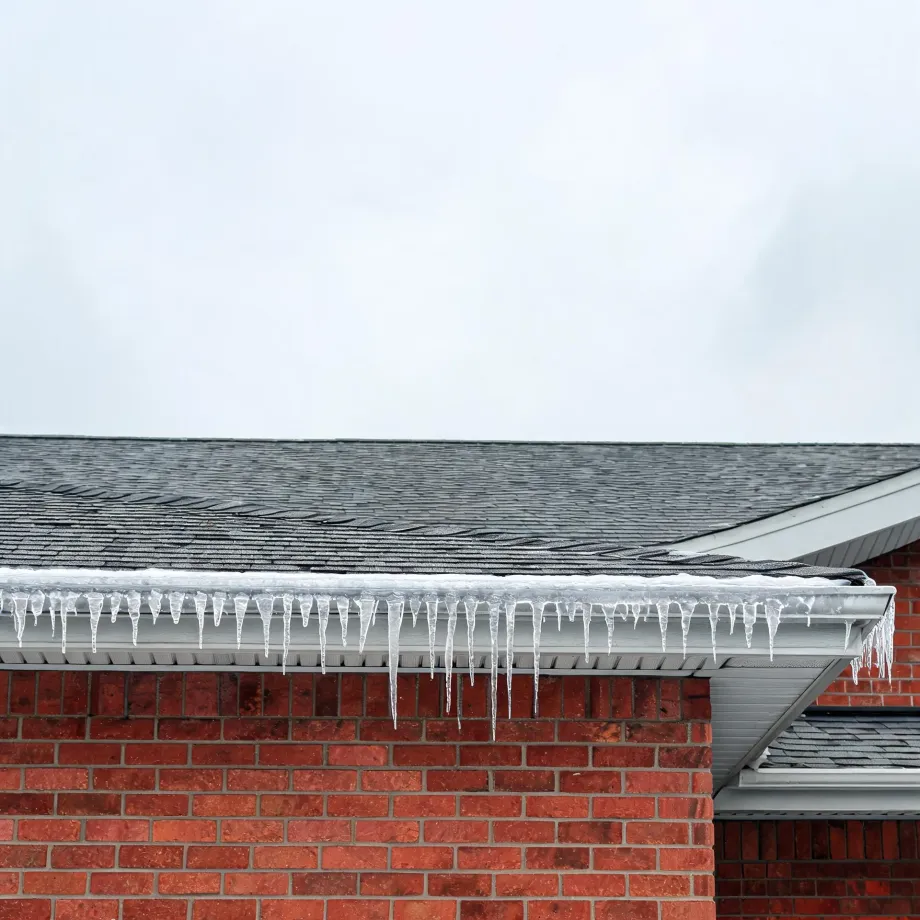
Sizing a furnace for this house is not a calculation a contractor can run off a national chart and call done. Homes in Franklin County, MO run heat about seven months a year, from October through April. A burner and heat exchanger that cycle through that kind of sustained demand accumulate wear on the ignition system, the heat exchanger seams, and the blower bearings in ways a shorter idle period would partially offset. An undersized unit compensates by running longer cycles, which compounds the stress on exactly those parts. The install quality sets how evenly that load distributes across the system from day one.
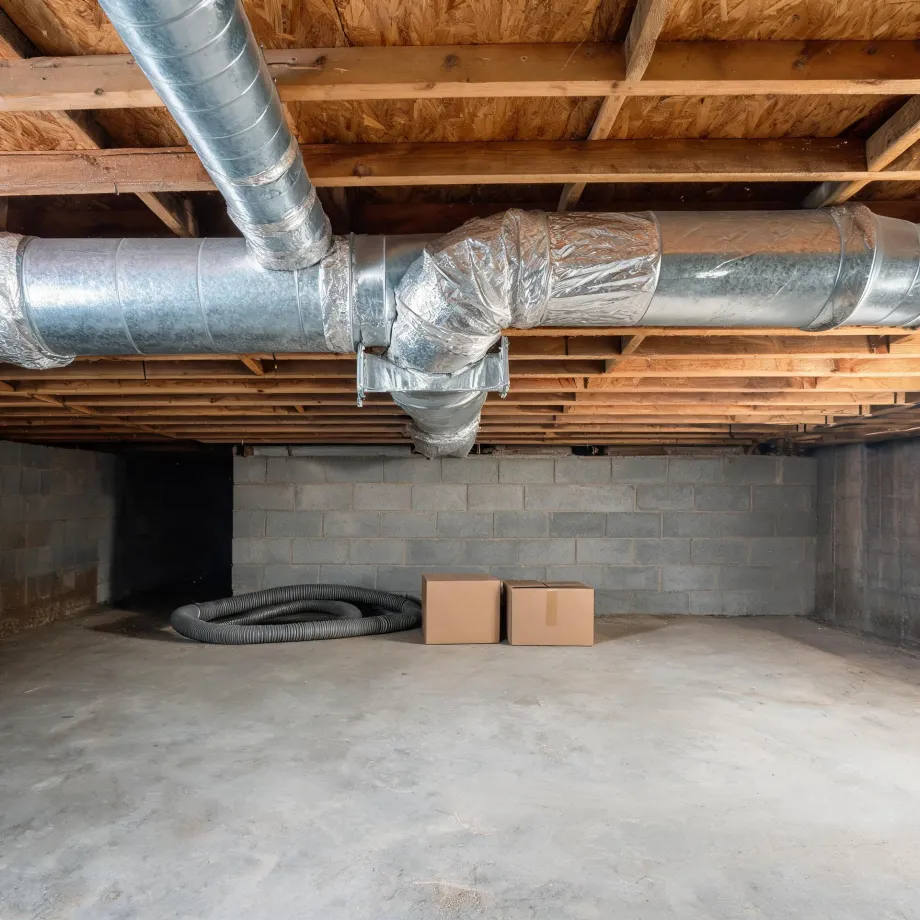
Ductwork in a house this age was sized for a furnace that is almost certainly gone. Half the homes in Franklin County, Missouri were built in 1984 or earlier (2020-2024 ACS 5-year). That original sheet metal, those trunk lines and branch runs, were laid out around a unit with different airflow requirements than what a contractor is putting in now. Before a new furnace can be quoted and commissioned, a contractor has to assess whether the existing duct system will carry it without pressure problems that shorten equipment life. The electrical service matters too, but ductwork is where installations in stock like this most often hit a constraint that changes the scope of the job.
What Gets Installed With a New Furnace
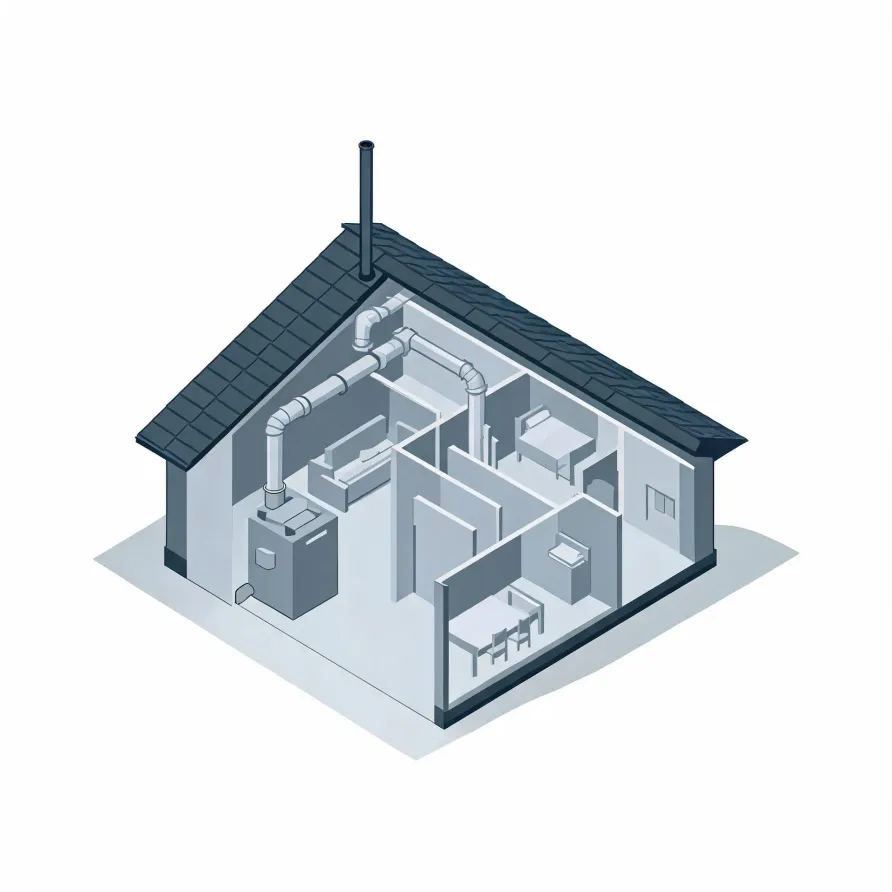
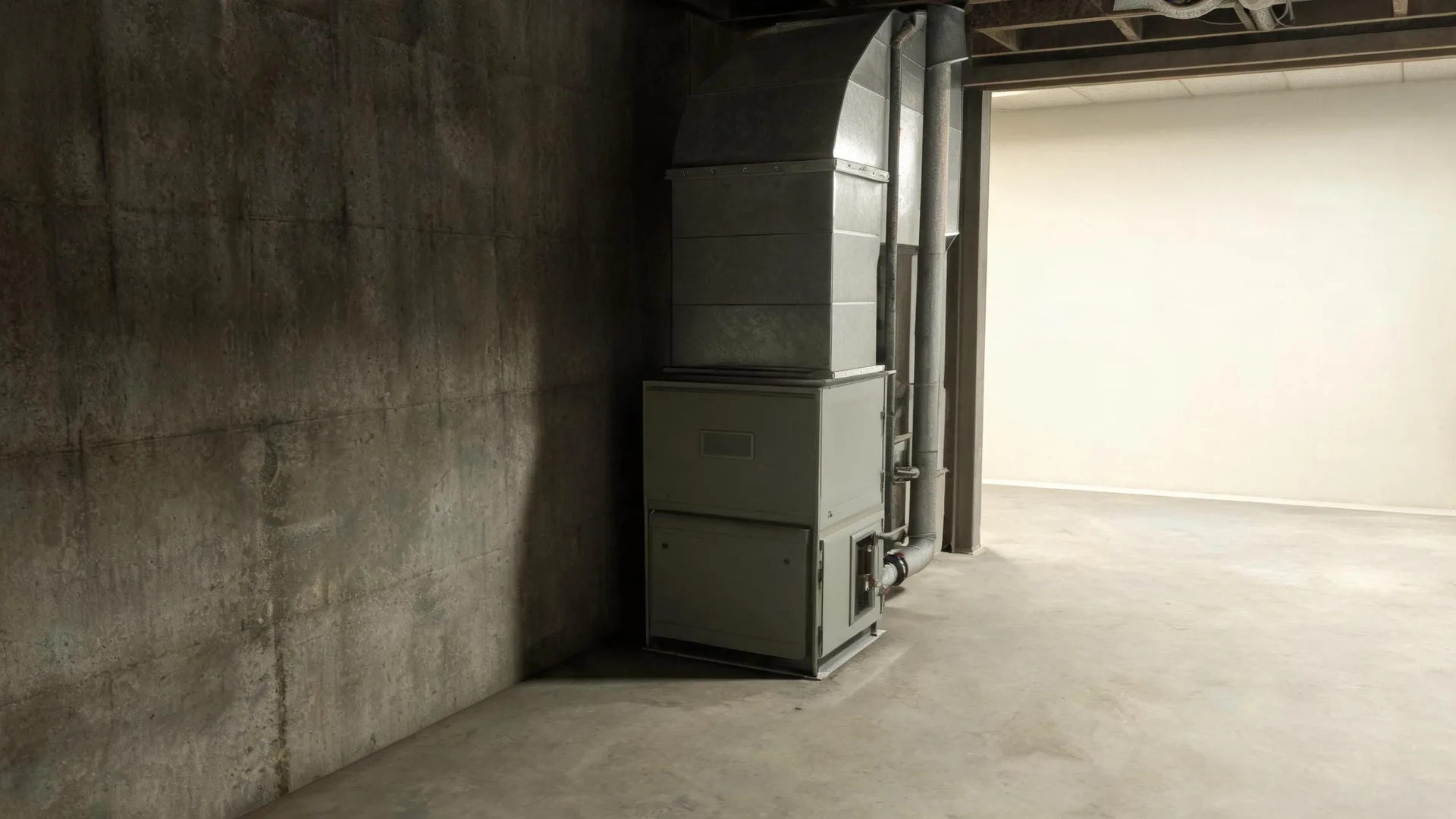
The furnace itself sits in the basement, utility room, or closet, and it is the unit that generates heat by burning fuel and pushing warm air into the home. Attached directly to it is the flue or exhaust vent, which runs through the wall or up through the roof to carry combustion gases out.
The air handler and blower fan, housed inside or directly beside the furnace cabinet, move conditioned air through the supply and return openings. The thermostat mounts on an interior wall and is the control point that tells the furnace when to fire and when to stop.
The drawing shows a typical layout, and a licensed contractor determines which configuration and components apply to your specific house.
Get matched in Franklin CountyFranklin County, by the numbers
129 severe weather events were recorded in Franklin County, Missouri between 2015 and 2024.
NOAA National Centers for Environmental Information, Storm Events Database, bulk CSV export, events 2015-01-01 through 2024-12-31.Half the homes in Franklin County, Missouri were built in 1984 or earlier (2020-2024 ACS 5-year).
U.S. Census Bureau, 2020-2024 American Community Survey 5-Year EstimatesFranklin County, Missouri holds 46,312 housing units (2020-2024 ACS 5-year).
U.S. Census Bureau, 2020-2024 American Community Survey 5-Year EstimatesOwners occupy 76.5% of the occupied homes in Franklin County, Missouri (2020-2024 ACS 5-year).
U.S. Census Bureau, 2020-2024 American Community Survey 5-Year EstimatesCodes & Standards Governing Furnace Installation in Franklin County, Missouri4 sourced rules and standards
What the Installation Actually Looks Like
Non-weatherized gas furnaces manufactured on or after November 19, 2015 must reach 80.0 percent AFUE.
Non-weatherized oil-fired furnaces manufactured on or after November 19, 2015 must reach 83.0 percent AFUE.
Mobile home gas furnaces manufactured on or after November 19, 2015 must reach 80.0 percent AFUE.
Non-weatherized gas furnaces manufactured on or after December 18, 2028 must reach 95.0 percent AFUE, up from the 80.0 percent minimum that applies to units manufactured before that date.
Severe Weather Events in Franklin County
Weather puts measurable stress on heating equipment, and the load a furnace carries is shaped by what the local climate actually does. That makes weather history relevant to any conversation about what to install and how to size it for Franklin County homes.
129 severe weather events, 2015–2024. Source: NOAA National Centers for Environmental Information, Storm Events Database.