Tell us about the job
Takes about a minute. No obligation.
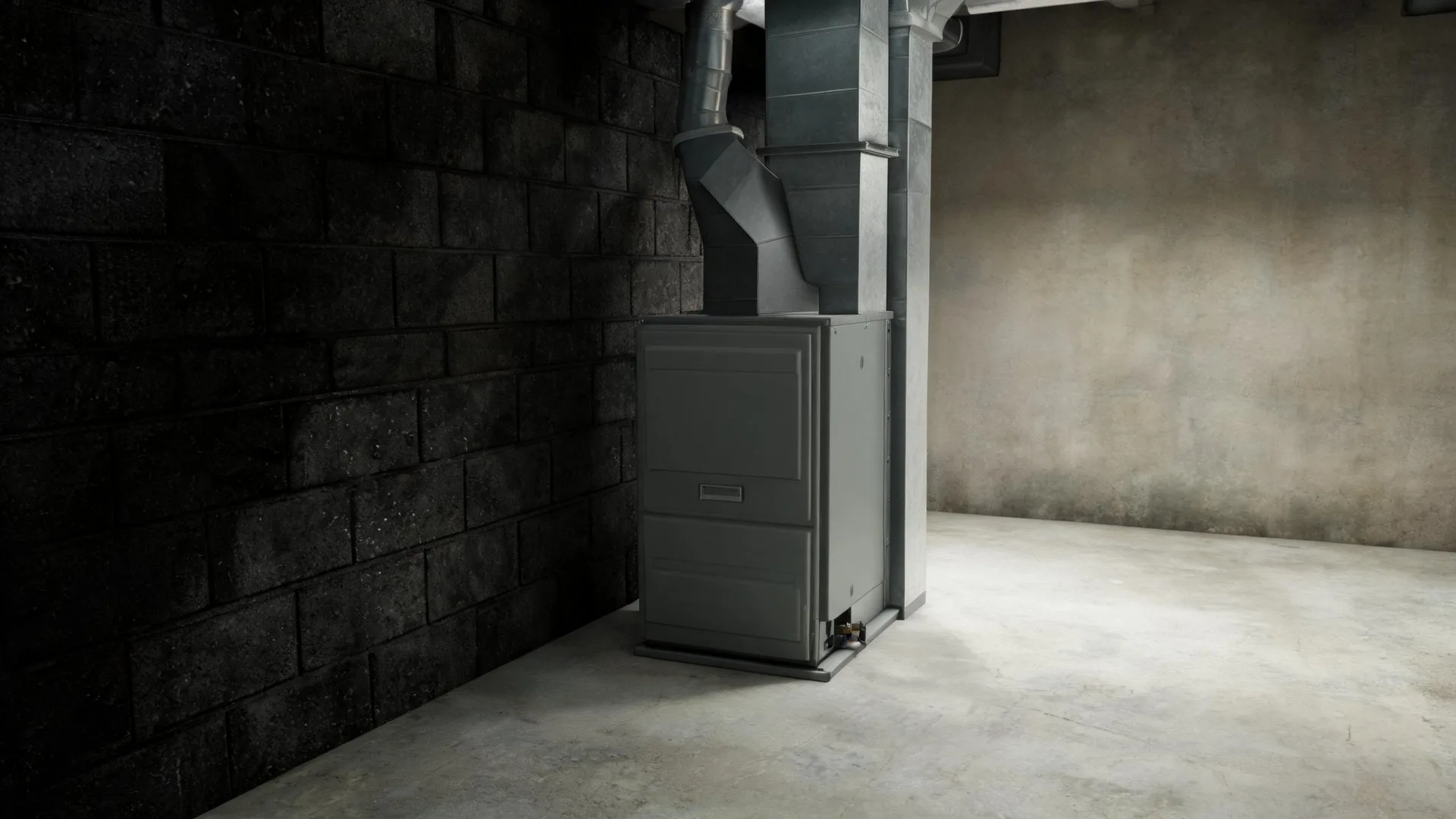
Getting furnace sizing right in Dunklin County is not an abstract quality concern; it is what determines how long the heat exchanger and burner last before a contractor has to open the unit. Homes in Dunklin County, MO run heat about seven months a year, from October through April. A burner that cycles through that span on a system undersized for the house runs harder and longer each call, and that extra work accumulates in the heat exchanger faster than in equipment matched correctly to the load. A contractor quoting a new furnace here works out the actual load the house demands before settling on capacity, because an undersized unit will not hide the deficit for long.
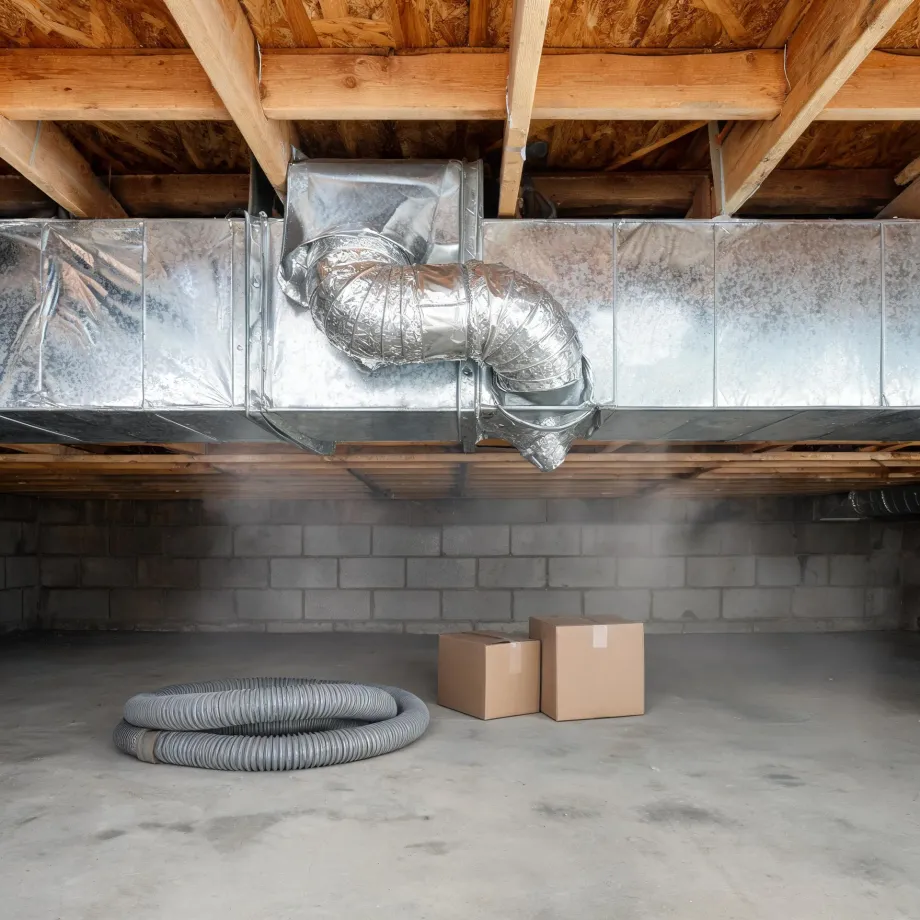
Ductwork designed around a system that no longer exists is what a contractor is working with in much of Dunklin County. Half the homes in Dunklin County, Missouri were built in 1972 or earlier (2020-2024 ACS 5-year). That gap between what the house was built to carry and what a new furnace actually needs is where installation jobs expand in scope: a duct run that worked for the old equipment may move too little air for the new one, and a contractor has to measure and decide before the new unit is ever ordered. Electrical service in houses of this vintage can present the same question, depending on what load the replacement unit draws.
What Gets Installed With a New Furnace
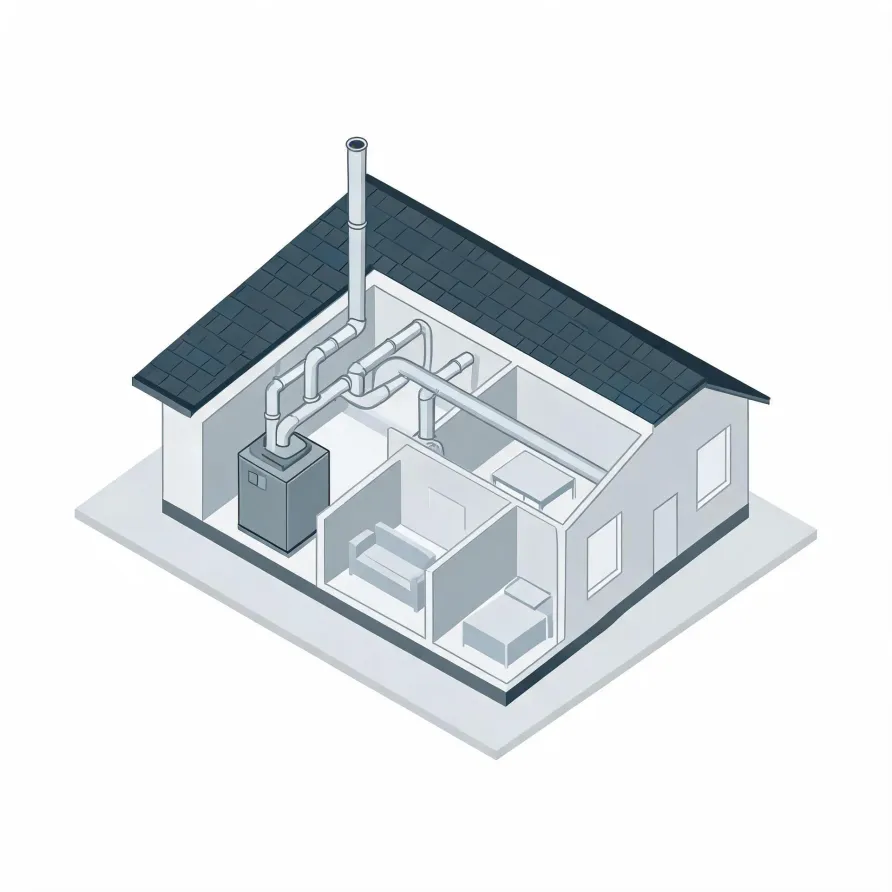
The furnace itself sits in a basement, utility room, or closet and is the unit that generates heat. A burner assembly inside it ignites the fuel, and a heat exchanger transfers that warmth to the air moving through the system. The blower motor, housed in the same cabinet, pushes that heated air out.
The flue pipe runs from the furnace to an exterior wall or chimney, carrying combustion gases out of the house. A thermostat mounts on an interior wall and serves as the control point, telling the furnace when to fire and when to shut off. Some installations also include a new air handler or evaporator coil cabinet when the cooling side of the system is being replaced at the same time.
The drawing shows a typical layout, and a licensed contractor determines exactly which components apply to your specific house and setup.
Get matched in Dunklin CountyDunklin County, by the numbers
111 severe weather events were recorded in Dunklin County, Missouri between 2015 and 2024.
NOAA National Centers for Environmental Information, Storm Events Database, bulk CSV export, events 2015-01-01 through 2024-12-31.Half the homes in Dunklin County, Missouri were built in 1972 or earlier (2020-2024 ACS 5-year).
U.S. Census Bureau, 2020-2024 American Community Survey 5-Year EstimatesDunklin County, Missouri holds 13,447 housing units (2020-2024 ACS 5-year).
U.S. Census Bureau, 2020-2024 American Community Survey 5-Year EstimatesOwners occupy 62.3% of the occupied homes in Dunklin County, Missouri (2020-2024 ACS 5-year).
U.S. Census Bureau, 2020-2024 American Community Survey 5-Year EstimatesFurnace Installation Rules on the Books for Dunklin County, Missouri4 codes & standards
What happens during an HVAC installation in Dunklin County
Non-weatherized gas furnaces manufactured on or after November 19, 2015 must reach 80.0 percent AFUE.
Non-weatherized oil-fired furnaces manufactured on or after November 19, 2015 must reach 83.0 percent AFUE.
Mobile home gas furnaces manufactured on or after November 19, 2015 must reach 80.0 percent AFUE.
Non-weatherized gas furnaces manufactured on or after December 18, 2028 must reach 95.0 percent AFUE, up from the 80.0 percent minimum that applies to units manufactured before that date.
Severe Weather Events in Dunklin County
Weather extremes put real load on heating equipment, shortening service life and exposing undersized or aging systems when they are needed most. How hard local weather works a furnace is a Dunklin County question, and it shapes what a contractor here will recommend for installation.
111 severe weather events, 2015–2024. Source: NOAA National Centers for Environmental Information, Storm Events Database.