Tell us about the job
Takes about a minute. No obligation.
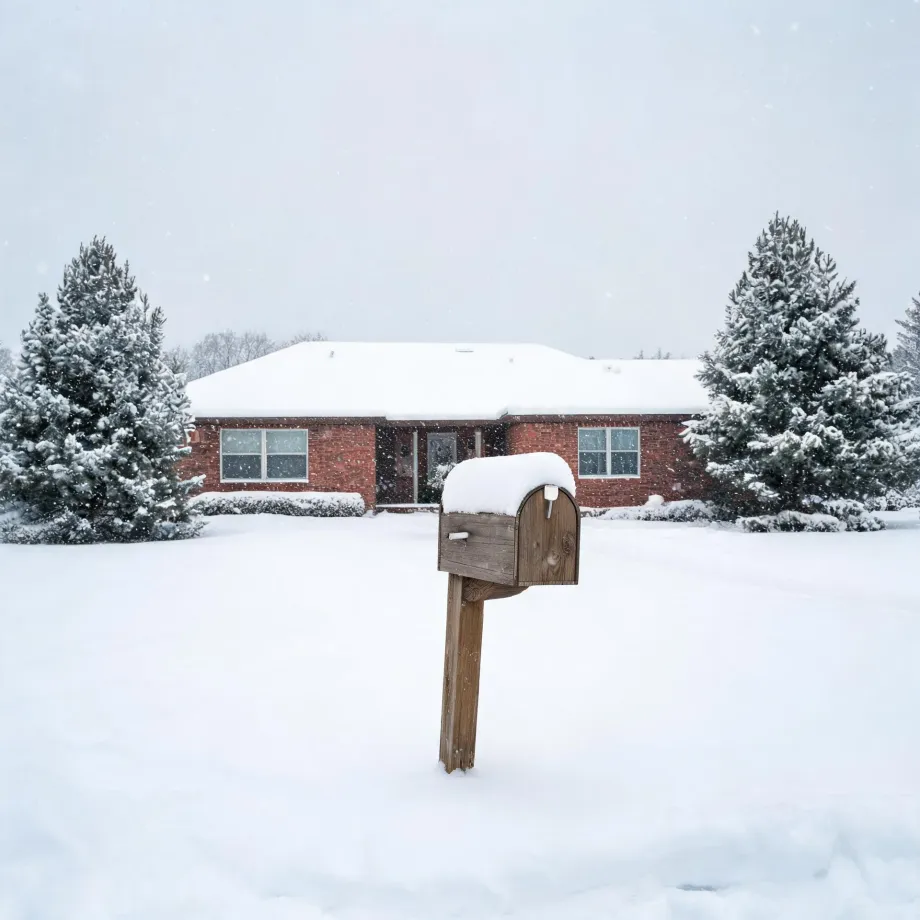
Sizing a furnace for Harrison County starts with understanding how little downtime the equipment actually gets. Homes in Harrison County, MO run heat about eight months a year, from October through May. A burner and heat exchanger that cycle through that kind of demand accumulate wear steadily, and an undersized system runs longer each cycle, pushing those components harder than a correctly matched unit would. A contractor has to run a proper load calculation before quoting, because an install that looks fine on paper but lands short on capacity will show stress fractures and ignition failures well ahead of schedule.
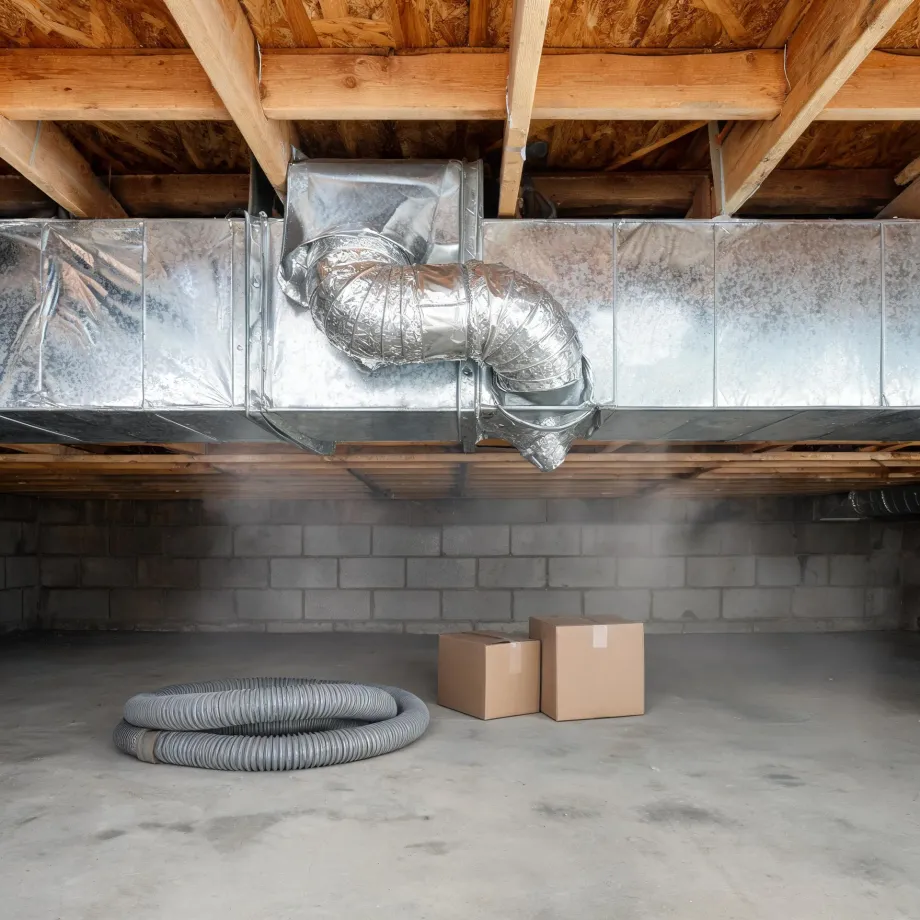
Ductwork sized for a previous generation of furnaces does not always carry the airflow a new unit needs, and in a county where older housing stock is the norm rather than the exception, that is the first thing a contractor opens up and checks. Half the homes in Harrison County, Missouri were built in 1966 or earlier (2020-2024 ACS 5-year). A house that has seen one or two furnace swaps in its life may have ductwork that was rerouted, patched, or left undersized each time, and a new installation that ignores it will underperform from day one. The electrical service gets the same look, because the load a modern furnace draws sometimes outpaces what was run to the utility room decades ago.
What Gets Installed With a New Furnace
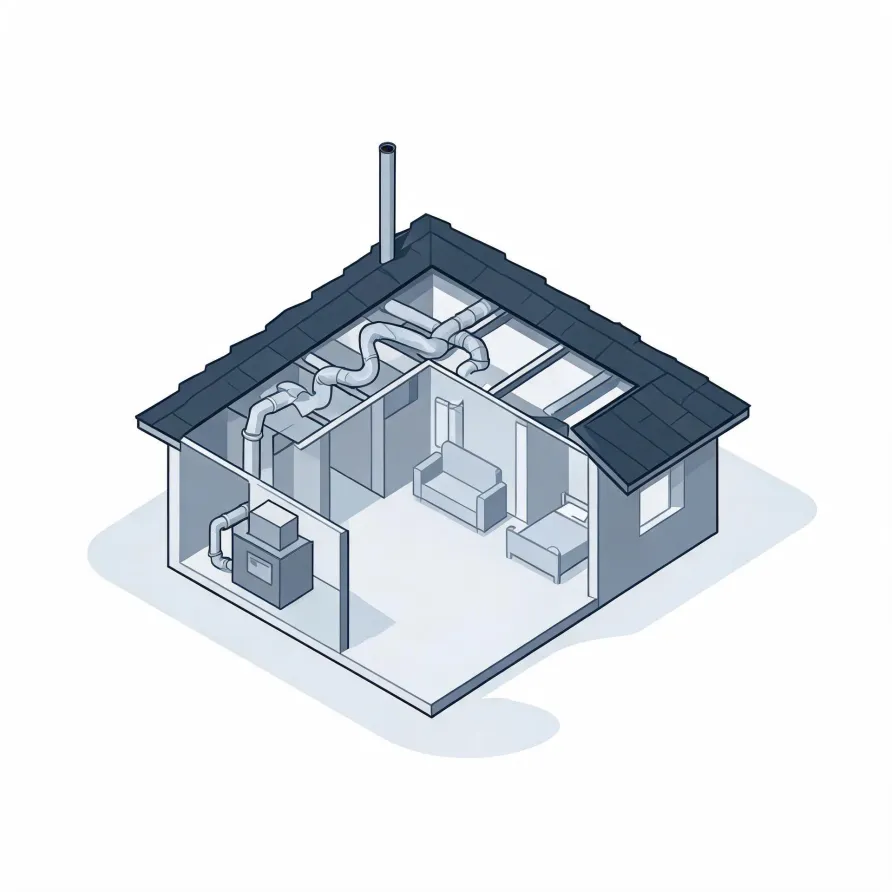
The furnace itself sits in a mechanical room, basement, or utility closet and is the unit that produces heat for the house. A burner assembly inside it ignites the fuel, and a heat exchanger transfers that heat to the air moving through the system. The blower motor, housed inside the same cabinet, pushes conditioned air out to the rest of the house.
The flue pipe runs from the furnace cabinet up and out of the house, carrying combustion gases away. A new thermostat goes on an interior wall and acts as the control point for the whole system. Where the furnace connects to existing ductwork, a contractor fits transition pieces that tie the new cabinet to the supply and return openings.
The drawing shows a general layout of these components, and a licensed contractor determines what applies to the specific configuration of your home.
Get matched in Harrison CountyHarrison County, Missouri, by the numbers
88 severe weather events were recorded in Harrison County, Missouri between 2015 and 2024.
NOAA National Centers for Environmental Information, Storm Events Database, bulk CSV export, events 2015-01-01 through 2024-12-31.Half the homes in Harrison County, Missouri were built in 1966 or earlier (2020-2024 ACS 5-year).
U.S. Census Bureau, 2020-2024 American Community Survey 5-Year EstimatesHarrison County, Missouri holds 4,008 housing units (2020-2024 ACS 5-year).
U.S. Census Bureau, 2020-2024 American Community Survey 5-Year EstimatesOwners occupy 71.4% of the occupied homes in Harrison County, Missouri (2020-2024 ACS 5-year).
U.S. Census Bureau, 2020-2024 American Community Survey 5-Year EstimatesFurnace Installation Rules for Harrison County, Missouri4 sourced standards and codes
What the Installation Actually Looks Like
Non-weatherized gas furnaces manufactured on or after November 19, 2015 must reach 80.0 percent AFUE.
Non-weatherized oil-fired furnaces manufactured on or after November 19, 2015 must reach 83.0 percent AFUE.
Mobile home gas furnaces manufactured on or after November 19, 2015 must reach 80.0 percent AFUE.
Non-weatherized gas furnaces manufactured on or after December 18, 2028 must reach 95.0 percent AFUE, up from the 80.0 percent minimum that applies to units manufactured before that date.
Severe Weather History in Harrison County
Weather in this part of Missouri puts real demand on heating equipment, from deep cold snaps to the kinds of storms that knock out power and push systems past their limits. How hard your furnace has to work is a local question, and the record below is part of that picture.
88 severe weather events, 2015–2024. Source: NOAA National Centers for Environmental Information, Storm Events Database.