Tell us about the job
Takes about a minute. No obligation.
A furnace repair in Harrison County starts with the parts that bear the cycling load: the burner, the heat exchanger, and the ignition system. Homes in Harrison County, MO run heat about eight months a year, from October through May. Each firing cycle stresses the heat exchanger through expansion and contraction, and a system that runs that many months accumulates that stress across every component in the combustion assembly. Contractors checking a furnace here open with those parts, because that is where accumulated wear shows first.
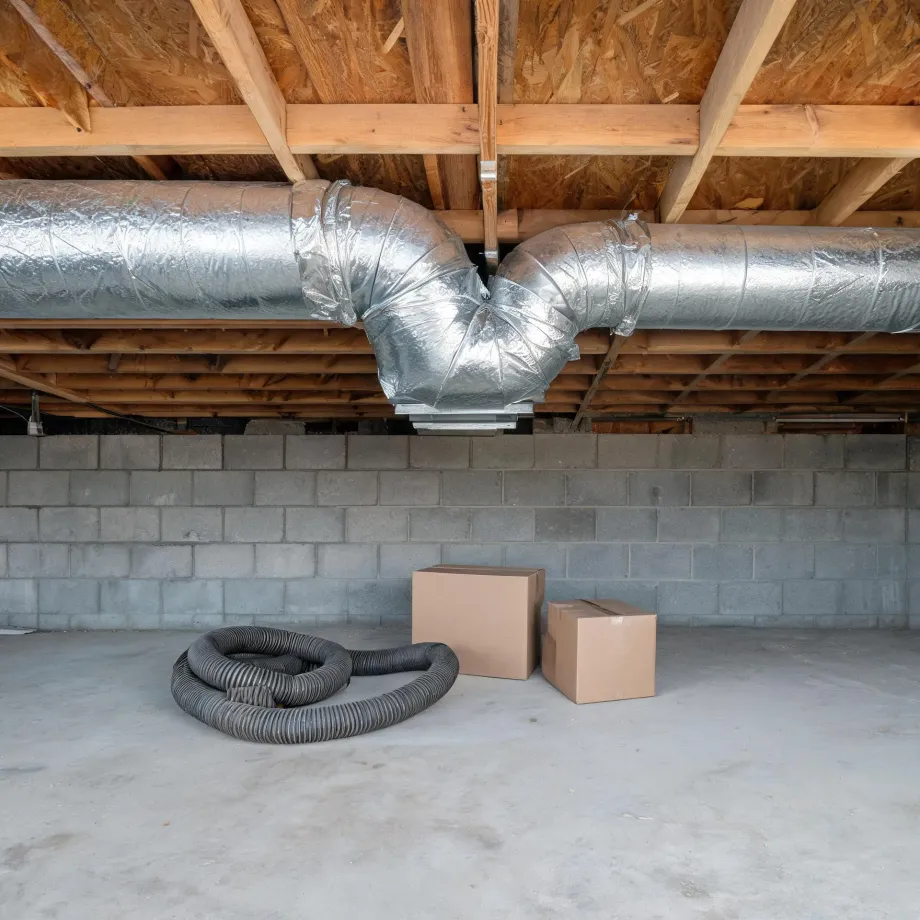
Furnaces running in houses this old were installed into buildings that never anticipated them, and the gap shows up the moment a contractor opens the unit. Half the homes in Harrison County, Missouri were built in 1966 or earlier (2020-2024 ACS 5-year). A heat exchanger or control board from that era of housing stock sits well outside standard parts inventories, which means a repair call here can hinge on sourcing before it hinges on labor. What a contractor finds inside the cabinet decides whether the fix is a same-week job or a longer search.
The Parts of a Furnace a Contractor Checks First
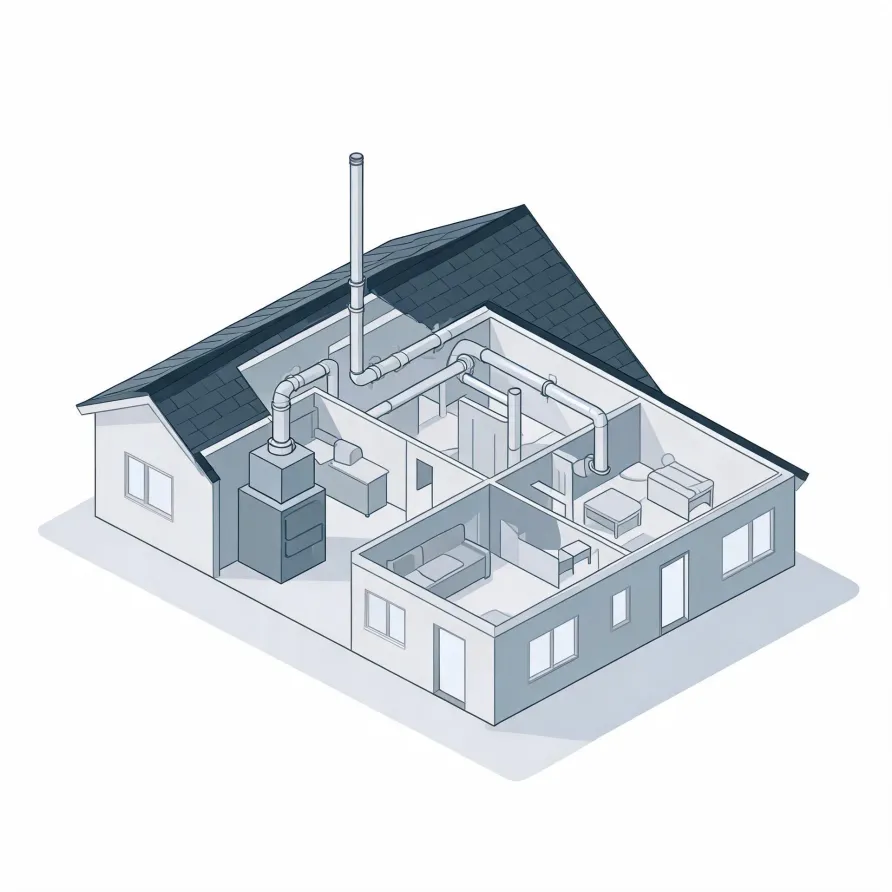
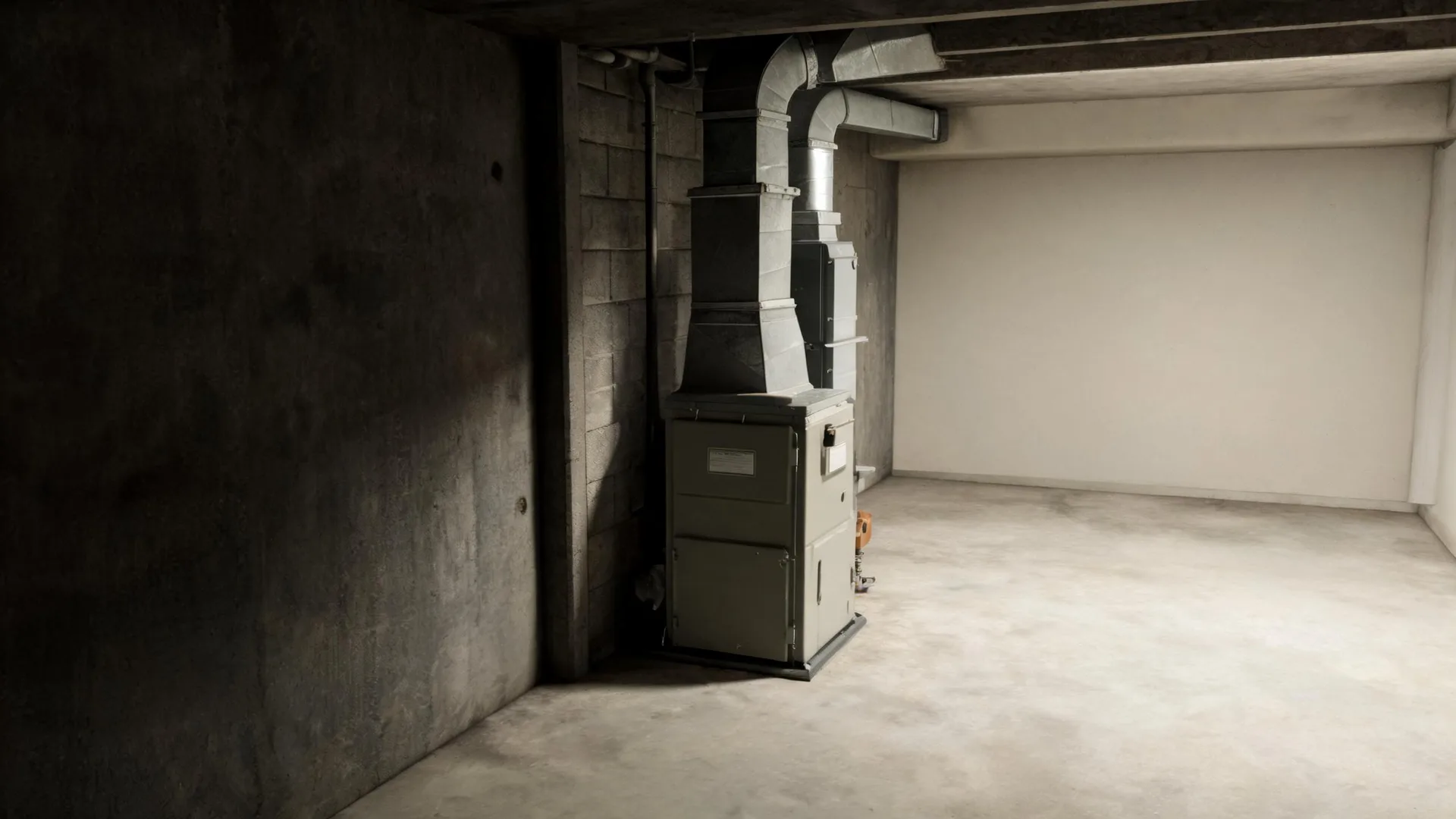
The furnace itself sits in the basement, utility room, or closet and is the piece a contractor goes to first. Inside it, the heat exchanger and burner assembly are the usual suspects when heat stops or smells wrong. The blower motor pushes conditioned air out; when it fails, the furnace runs but nothing moves.
The flue pipe runs from the furnace up and out of the house, carrying combustion gases away, and a blockage or crack there shows up as carbon monoxide risk or lockout errors. The thermostat on the interior wall tells the system when to fire and at what level, and faulty signals from it can mimic a broken furnace almost perfectly.
The drawing shows a typical layout, and a licensed contractor determines which components apply and what condition they are in for your specific home.
Find a contractor in Harrison CountyHarrison County, Missouri, by the numbers
88 severe weather events were recorded in Harrison County, Missouri between 2015 and 2024.
NOAA National Centers for Environmental Information, Storm Events Database, bulk CSV export, events 2015-01-01 through 2024-12-31.Half the homes in Harrison County, Missouri were built in 1966 or earlier (2020-2024 ACS 5-year).
U.S. Census Bureau, 2020-2024 American Community Survey 5-Year EstimatesHarrison County, Missouri holds 4,008 housing units (2020-2024 ACS 5-year).
U.S. Census Bureau, 2020-2024 American Community Survey 5-Year EstimatesOwners occupy 71.4% of the occupied homes in Harrison County, Missouri (2020-2024 ACS 5-year).
U.S. Census Bureau, 2020-2024 American Community Survey 5-Year EstimatesFurnace Repair Rules and Codes for Harrison County, Missouri4 sourced standards and regulations
What Happens When the Contractor Arrives
Non-weatherized gas furnaces manufactured on or after November 19, 2015 must reach 80.0 percent AFUE.
Non-weatherized oil-fired furnaces manufactured on or after November 19, 2015 must reach 83.0 percent AFUE.
Mobile home gas furnaces manufactured on or after November 19, 2015 must reach 80.0 percent AFUE.
Non-weatherized gas furnaces manufactured on or after December 18, 2028 must reach 95.0 percent AFUE, up from the 80.0 percent minimum that applies to units manufactured before that date.
Severe Weather Events in Harrison County
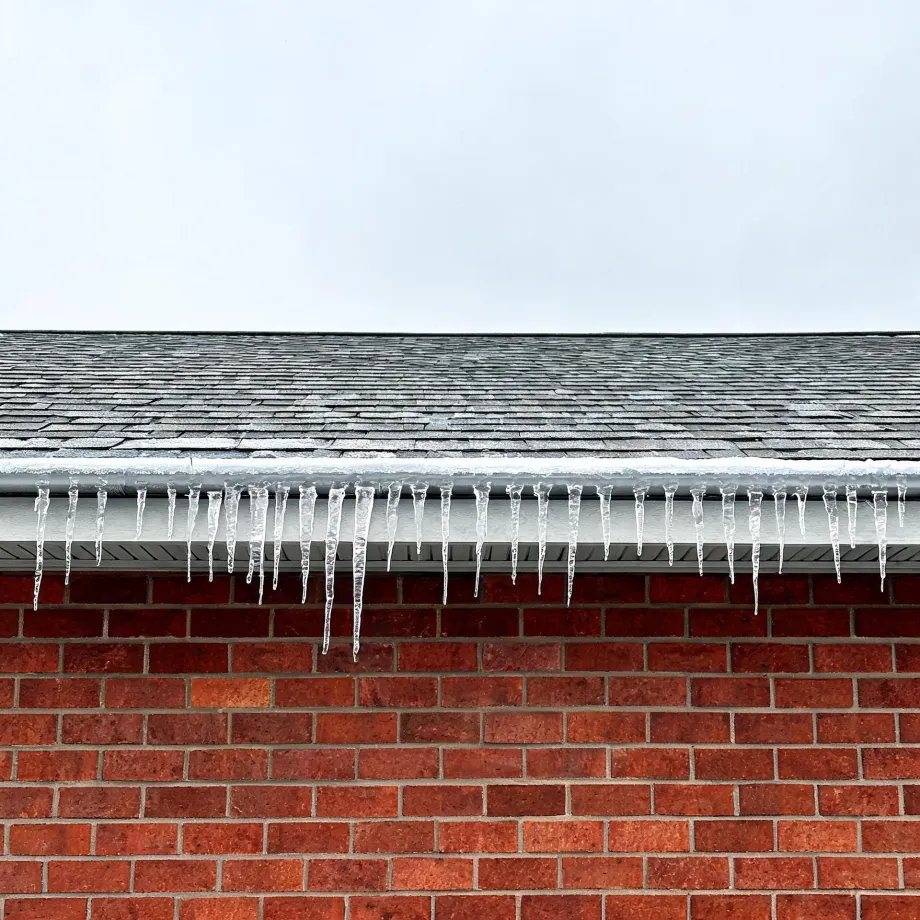
Weather in Harrison County puts real hours on heating equipment. Every hard event the area logs is a load the furnace absorbs, and that accumulated stress is what brings repair needs forward.
88 severe weather events, 2015–2024. Source: NOAA National Centers for Environmental Information, Storm Events Database.