Tell us about the job
Takes about a minute. No obligation.
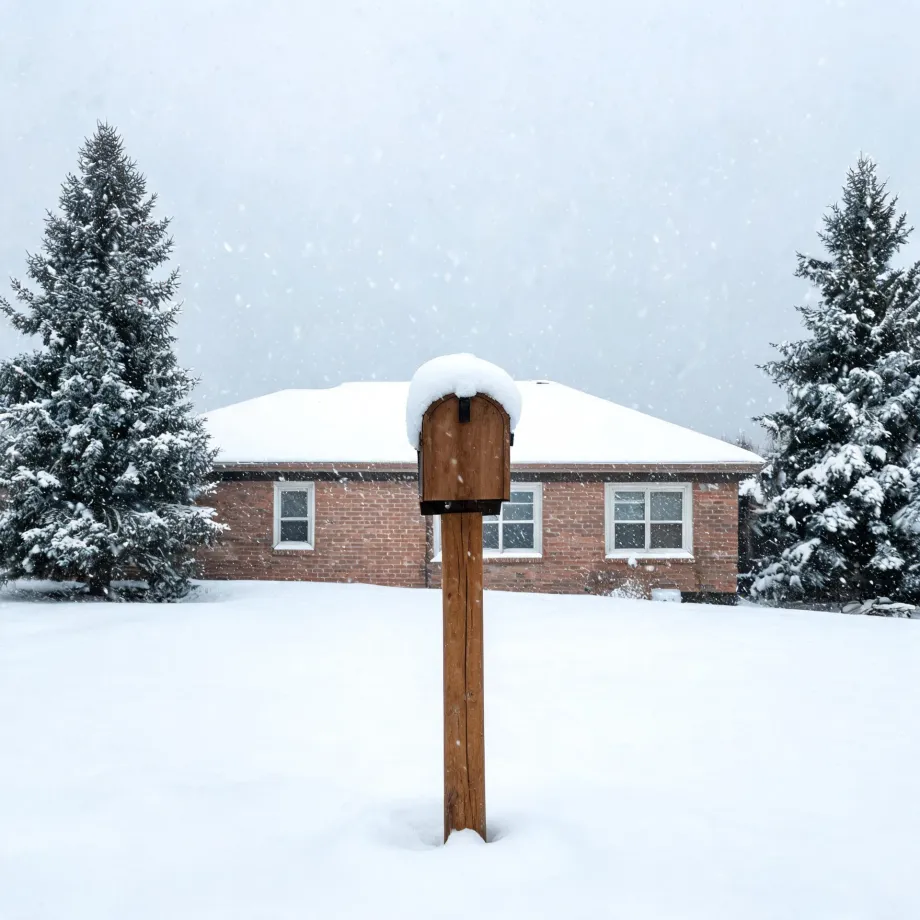
A contractor quoting a furnace install in Daviess County has to get the sizing right, because the heat exchanger and burner here do not get the kind of rest that lets a marginal install hide its problems. Homes in Daviess County, MO run heat about seven months a year, from October through April. The burner and ignition system cycle repeatedly across that span, and the cumulative wear on those parts reflects the load directly. A furnace that is undersized, or installed with duct runs that force it to work harder than it should, reaches stress points in the heat exchanger well before a homeowner in a shorter season would. Sizing to the actual house, not to a generic regional table, is what a qualified installer does here first.
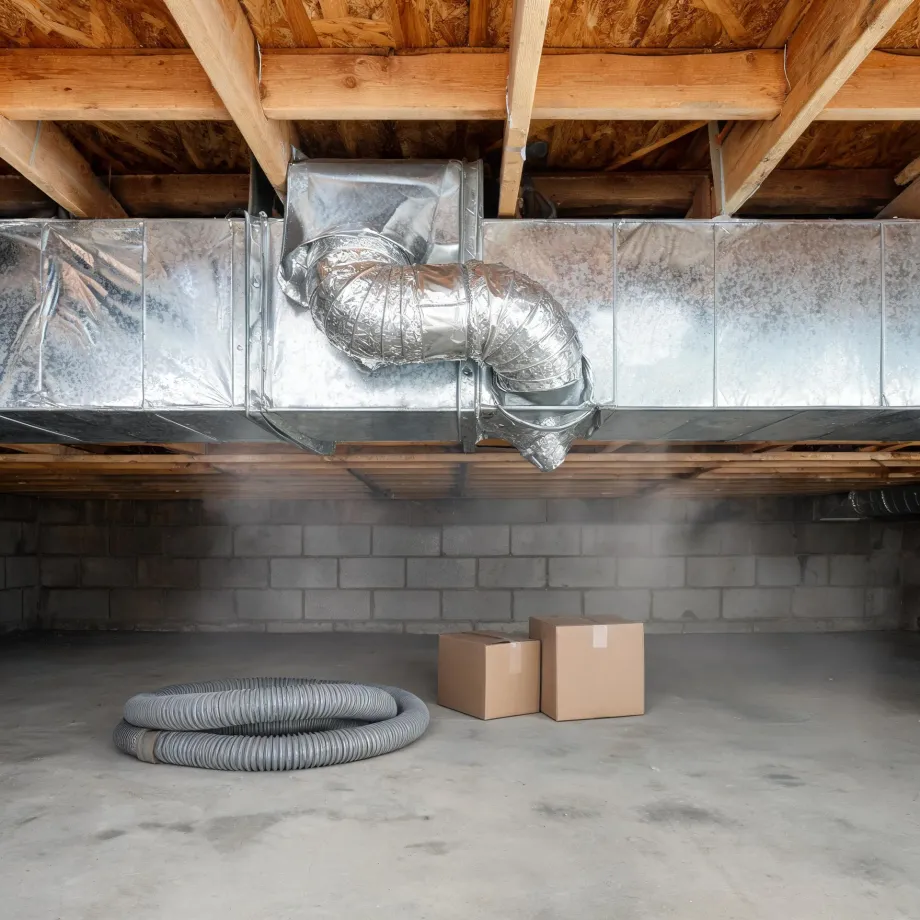
Ductwork in a house carries what it was built to carry, and in much of Daviess County that means a system sized for equipment that has long since been replaced. Half the homes in Daviess County, Missouri were built in 1977 or earlier (2020-2024 ACS 5-year). A new furnace draws differently than what those ducts were originally designed around, and that gap is where an installation job gets complicated. A contractor has to assess the existing trunk lines and returns before committing to a unit size, because a furnace that is right for the square footage can still be wrong for the distribution system behind the walls.
What Gets Installed With a New Furnace
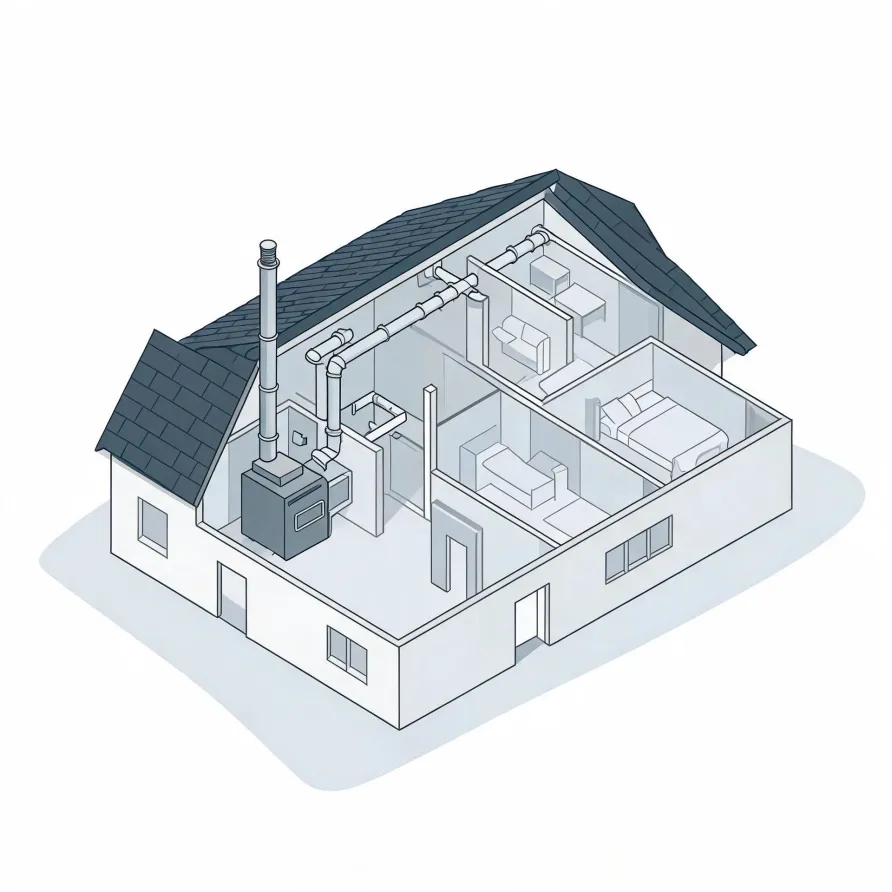
The furnace itself sits in the basement, utility room, or closet and is the unit a homeowner sees when they look at the system. Inside the cabinet, the heat exchanger and burner assembly are where fuel is burned and heat is transferred to the air that moves through the house. The blower motor and fan sit inside the same cabinet and push that heated air into the supply ducts.
The flue pipe runs from the furnace up and out of the house, carrying combustion gases away from the living space. Alongside it, the contractor installs a new filter housing or confirms the existing one is compatible, and connects the thermostat wiring that tells the furnace when to fire.
The drawing shows a representative layout, and a licensed contractor determines what applies to the specific configuration of your home.
Get matched in Daviess CountyDaviess County, by the numbers
77 severe weather events were recorded in Daviess County, Missouri between 2015 and 2024.
NOAA National Centers for Environmental Information, Storm Events Database, bulk CSV export, events 2015-01-01 through 2024-12-31.Half the homes in Daviess County, Missouri were built in 1977 or earlier (2020-2024 ACS 5-year).
U.S. Census Bureau, 2020-2024 American Community Survey 5-Year EstimatesDaviess County, Missouri holds 4,122 housing units (2020-2024 ACS 5-year).
U.S. Census Bureau, 2020-2024 American Community Survey 5-Year EstimatesOwners occupy 79.1% of the occupied homes in Daviess County, Missouri (2020-2024 ACS 5-year).
U.S. Census Bureau, 2020-2024 American Community Survey 5-Year EstimatesFurnace Installation Rules for Daviess County, Missouri4 codes, standards, and statutes
What HVAC Installation Looks Like in Daviess County
Non-weatherized gas furnaces manufactured on or after November 19, 2015 must reach 80.0 percent AFUE.
Non-weatherized oil-fired furnaces manufactured on or after November 19, 2015 must reach 83.0 percent AFUE.
Mobile home gas furnaces manufactured on or after November 19, 2015 must reach 80.0 percent AFUE.
Non-weatherized gas furnaces manufactured on or after December 18, 2028 must reach 95.0 percent AFUE, up from the 80.0 percent minimum that applies to units manufactured before that date.
Severe Weather Events in Daviess County
Weather extremes put direct stress on heating equipment, shortening service life and raising the odds of a failure when demand is highest. How hard the climate pushes here shapes what a furnace needs to handle, which makes local installation decisions different from a generic recommendation.
77 severe weather events, 2015–2024. Source: NOAA National Centers for Environmental Information, Storm Events Database.