Tell us about the job
Takes about a minute. No obligation.
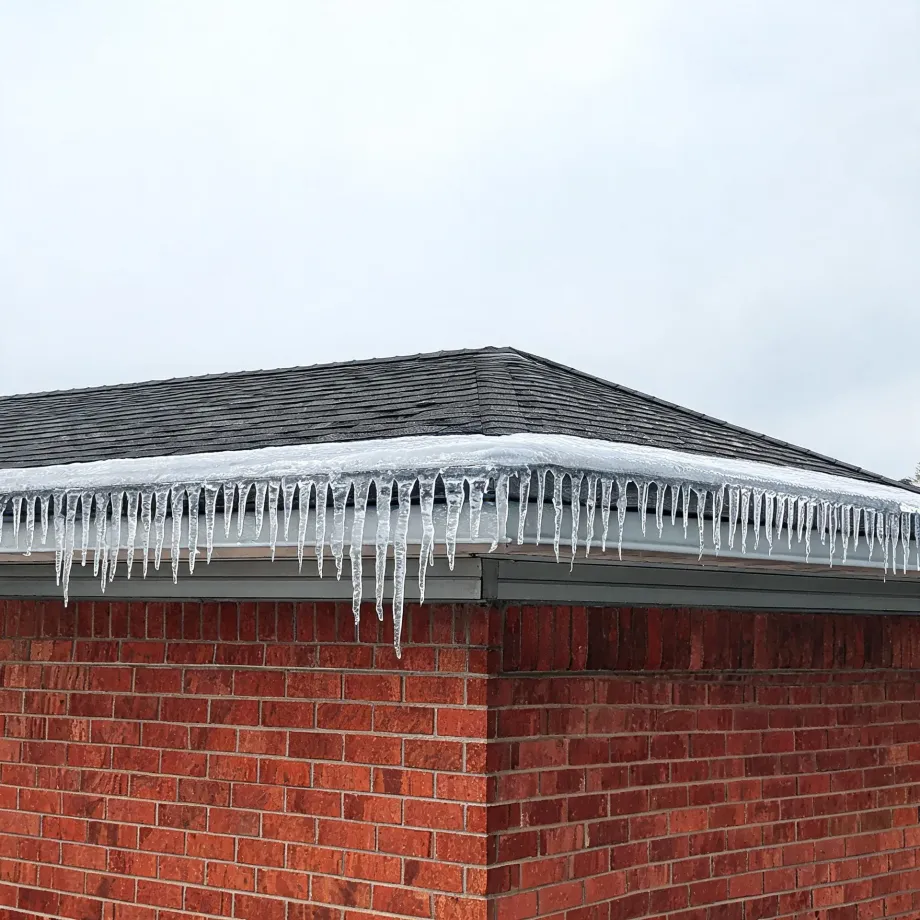
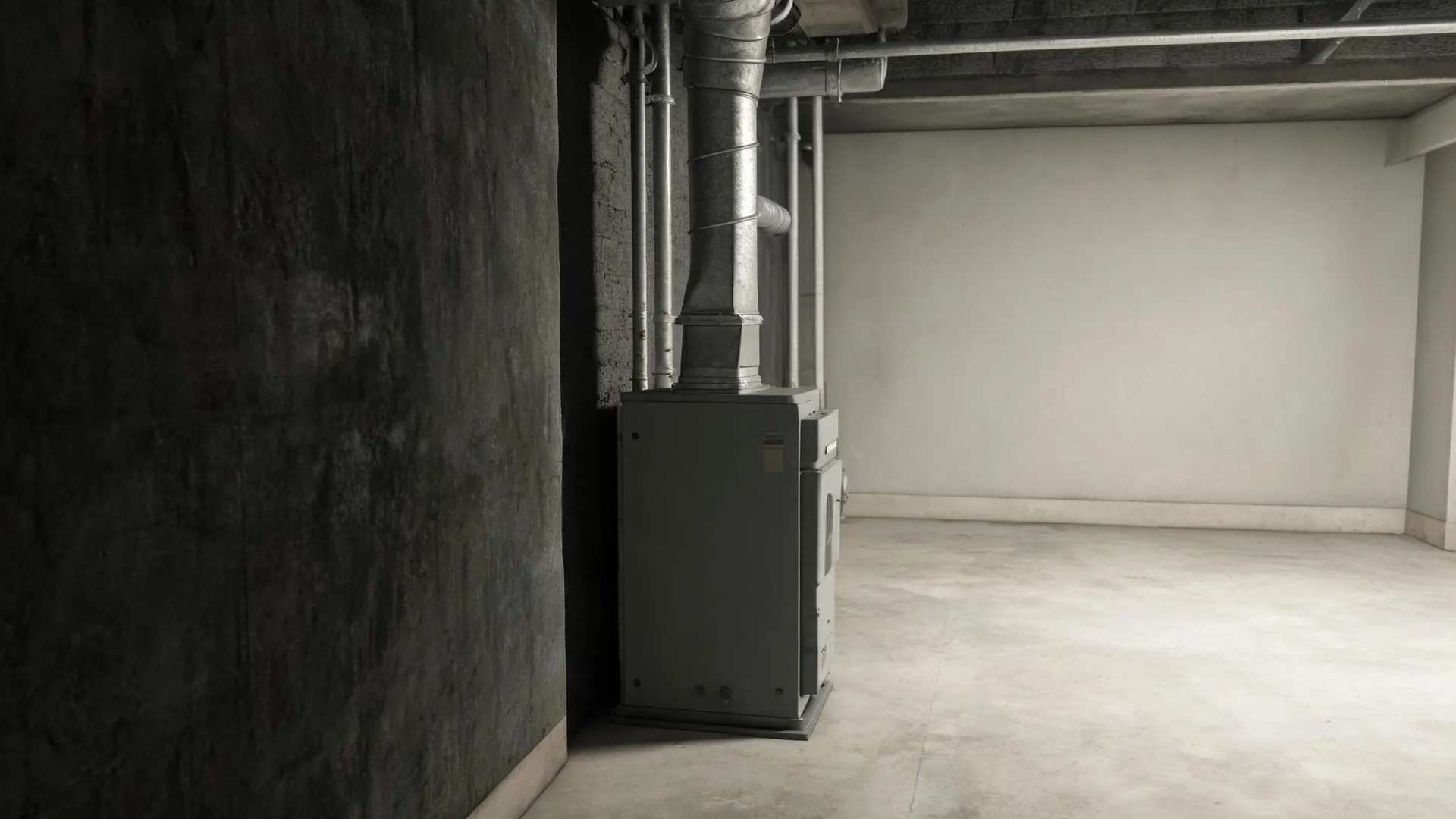
A furnace repair in Scotland County starts with the burner assembly and heat exchanger, because those are the parts that carry the load every time the system cycles through a cold night. Homes in Scotland County, MO run heat about eight months a year, from October through May. By late spring, the ignition system has fired hundreds of times since October, and a cracked heat exchanger or a fouled burner is what a contractor finds when a system limps into its last weeks of the season. The ignition components go next. A homeowner who waits for a full breakdown in January is calling at the same moment every other furnace in the county is also demanding attention.
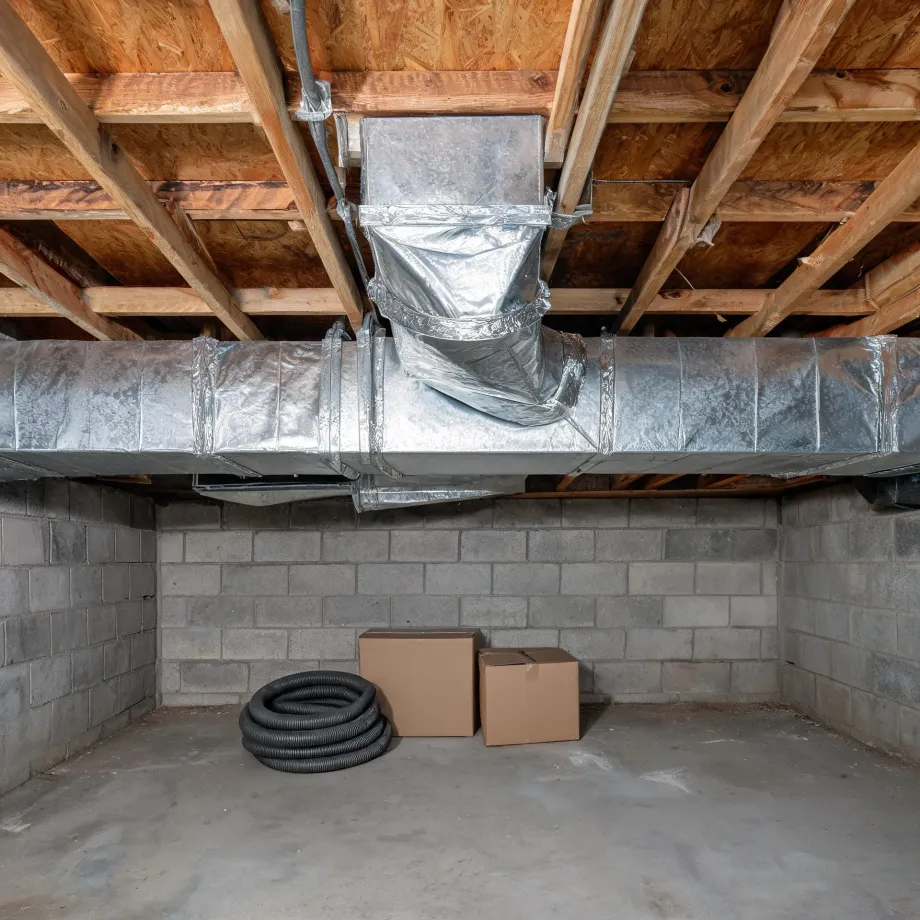
Ductwork and flue connections in much of this county's housing were put in for furnaces that are long gone, and a contractor opening a current system often finds the surrounding infrastructure was adapted around it rather than built for it. Half the homes in Scotland County, Missouri were built in 1971 or earlier (2020-2024 ACS 5-year). That history shows up in the repair work: heat exchangers running in flue runs that were resized once or twice, and components whose replacement parts a contractor has to source carefully because the fit depends on what earlier owners chose. The equipment on the service call is one question; what the house was set up to carry is another, and they do not always have the same answer.
The Parts of a Furnace a Contractor Checks First
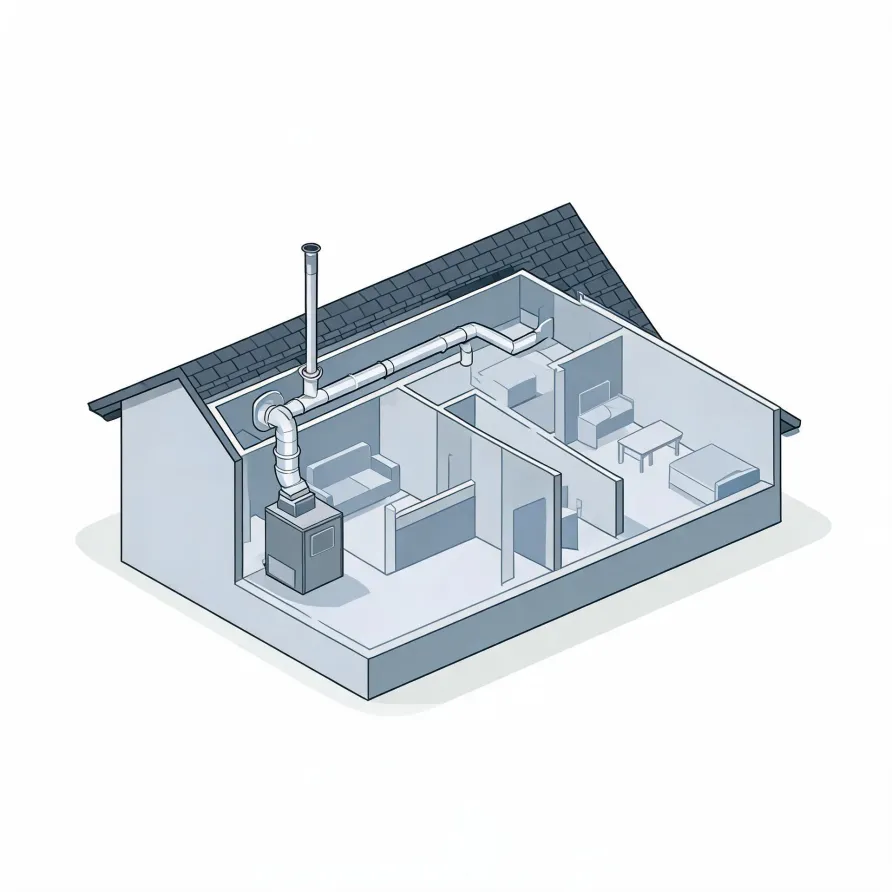
The furnace itself sits in the basement, utility room, or closet and is the piece a contractor opens first. Inside it, the heat exchanger does the actual work of warming air, and a cracked or corroded exchanger is one of the more serious faults a technician hunts for. The burner assembly feeds the heat exchanger, and when a furnace fails to ignite or runs unevenly, the burners and the igniter are where the diagnosis begins.
The blower motor sits at the base of the furnace cabinet and pushes conditioned air into the supply side of the house. The flue pipe runs from the furnace to an exterior vent and carries combustion gases out. A contractor checks both: a failing motor shows up as weak airflow or unusual noise, and a blocked or deteriorating flue is a safety concern that gets addressed before anything else.
The drawing shows a general layout of these components, and a licensed contractor assesses which of them apply and what condition they are in for this particular house.
Find a contractor in Scotland CountyScotland County by the numbers
86 severe weather events were recorded in Scotland County, Missouri between 2015 and 2024.
NOAA National Centers for Environmental Information, Storm Events Database, bulk CSV export, events 2015-01-01 through 2024-12-31.Half the homes in Scotland County, Missouri were built in 1971 or earlier (2020-2024 ACS 5-year).
U.S. Census Bureau, 2020-2024 American Community Survey 5-Year EstimatesScotland County, Missouri holds 2,201 housing units (2020-2024 ACS 5-year).
U.S. Census Bureau, 2020-2024 American Community Survey 5-Year EstimatesOwners occupy 82.4% of the occupied homes in Scotland County, Missouri (2020-2024 ACS 5-year).
U.S. Census Bureau, 2020-2024 American Community Survey 5-Year EstimatesCodes & Standards Covering Furnace Repair in Scotland County, Missouri4 sourced rules and standards
What Happens When the Contractor Arrives
Non-weatherized gas furnaces manufactured on or after November 19, 2015 must reach 80.0 percent AFUE.
Non-weatherized oil-fired furnaces manufactured on or after November 19, 2015 must reach 83.0 percent AFUE.
Mobile home gas furnaces manufactured on or after November 19, 2015 must reach 80.0 percent AFUE.
Non-weatherized gas furnaces manufactured on or after December 18, 2028 must reach 95.0 percent AFUE, up from the 80.0 percent minimum that applies to units manufactured before that date.
Severe Weather Events in Scotland County
Weather in Scotland County puts real load on furnaces, and that load shows up as wear, failures, and repair calls. How hard the equipment has worked here is a local fact, not a general one.
86 severe weather events, 2015–2024. Source: NOAA National Centers for Environmental Information, Storm Events Database.