Tell us about the job
Takes about a minute. No obligation.
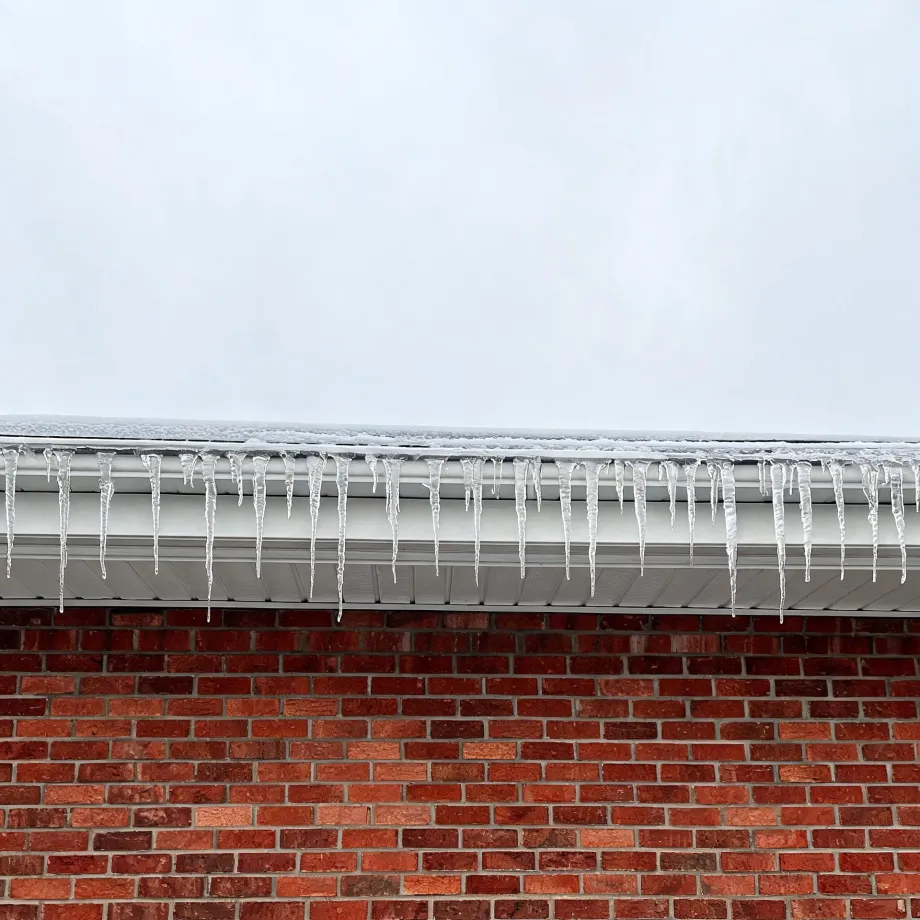
A furnace repair call in Clark County starts with the burner and ignition system, because those are the parts that have been cycling the longest. Homes in Clark County, MO run heat about eight months a year, from October through May. The heat exchanger runs under that same load, and cracks or fatigue in it show up earlier than homeowners expect. A contractor quoting a repair here looks at igniter wear and heat exchanger condition before pricing anything else, because those components have had little idle time to spare.
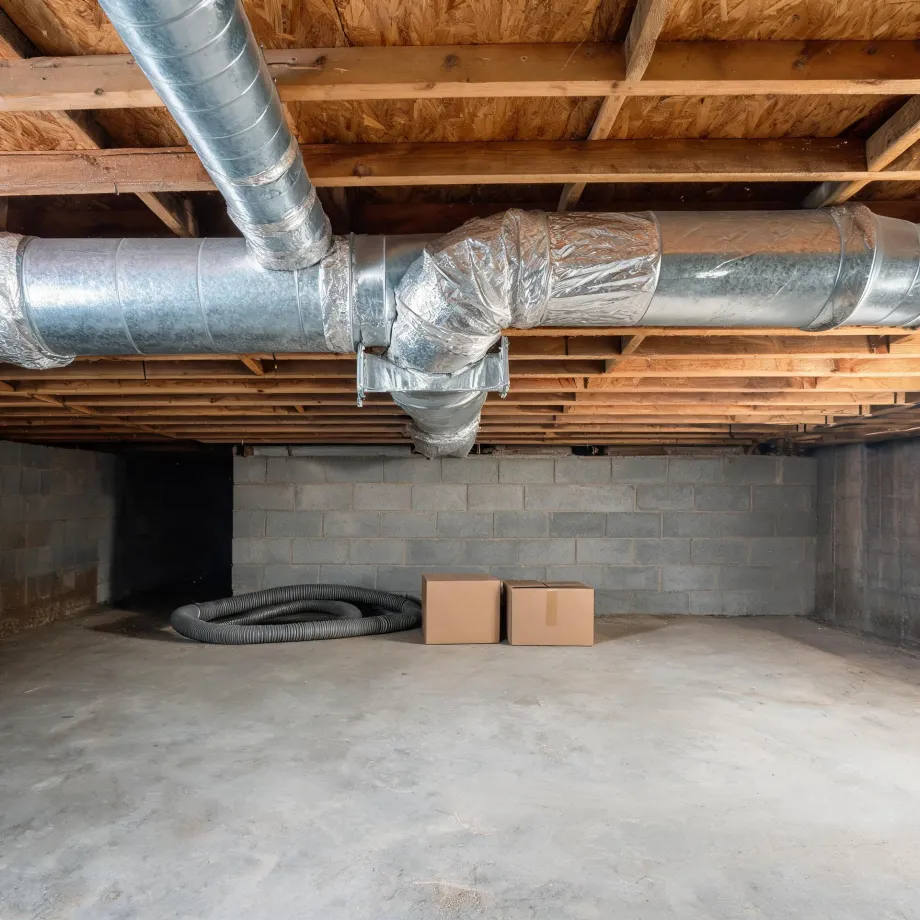
Furnaces in houses this old are often running on components that manufacturers stopped supplying years ago, which means a repair call can turn into a parts search before any work begins. Half the homes in Clark County, Missouri were built in 1970 or earlier (2020-2024 ACS 5-year). When a contractor opens a furnace in stock like this, a cracked heat exchanger or a failed igniter may have no direct replacement, and the repair scope shifts based on what is actually inside rather than what the unit looks like from the front. That changes the quote, the timeline, and sometimes the decision itself.
The Parts of a Furnace a Contractor Checks First
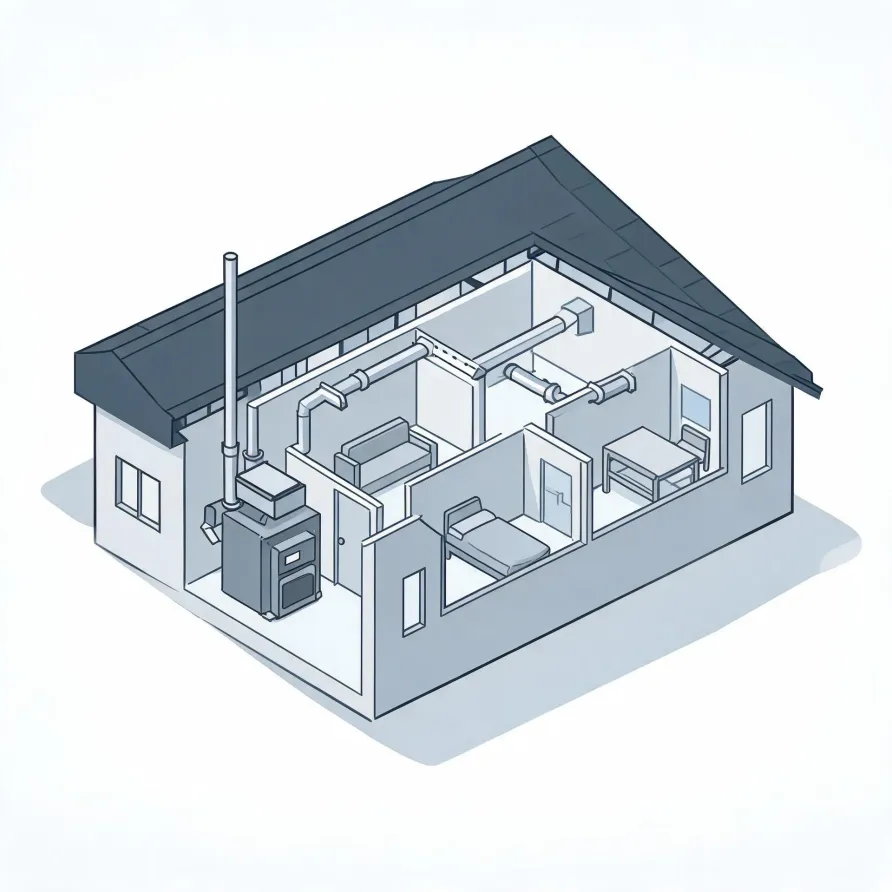
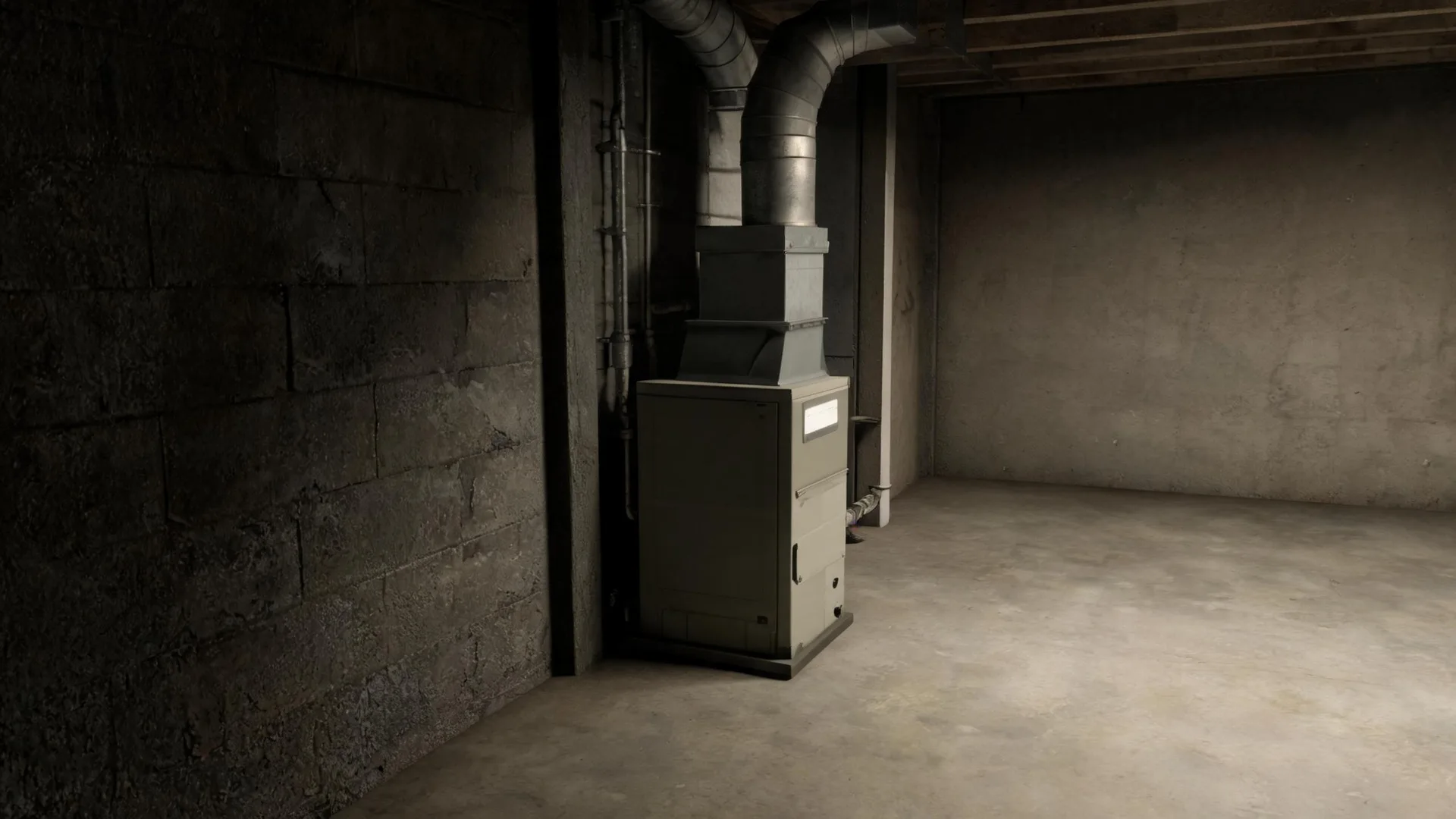
The furnace itself sits in a utility space, basement, or closet and is the piece that generates heat. Inside it, the heat exchanger is the first thing a contractor looks at when something is wrong, because cracks or failures there affect both comfort and safety. The burners, which fire inside that exchanger, are checked next when the system is not heating properly.
The blower motor sits at the base of the furnace cabinet and pushes conditioned air out through the house. Alongside it, the control board reads signals from the thermostat and tells each component when to act. When the furnace behaves erratically or fails to start, both the board and the igniter are early suspects.
The drawing shows the general layout of a furnace system, and a licensed contractor determines which components need attention in your specific home.
Get matched in Clark CountyClark County, Missouri, by the numbers
89 severe weather events were recorded in Clark County, Missouri between 2015 and 2024.
NOAA National Centers for Environmental Information, Storm Events Database, bulk CSV export, events 2015-01-01 through 2024-12-31.Half the homes in Clark County, Missouri were built in 1970 or earlier (2020-2024 ACS 5-year).
U.S. Census Bureau, 2020-2024 American Community Survey 5-Year EstimatesClark County, Missouri holds 3,233 housing units (2020-2024 ACS 5-year).
U.S. Census Bureau, 2020-2024 American Community Survey 5-Year EstimatesOwners occupy 78.3% of the occupied homes in Clark County, Missouri (2020-2024 ACS 5-year).
U.S. Census Bureau, 2020-2024 American Community Survey 5-Year EstimatesCodes & Standards Behind Furnace Repair in Clark County, Missouri4 sourced rules & standards
What the repair visit looks like
Non-weatherized gas furnaces manufactured on or after November 19, 2015 must reach 80.0 percent AFUE.
Non-weatherized oil-fired furnaces manufactured on or after November 19, 2015 must reach 83.0 percent AFUE.
Mobile home gas furnaces manufactured on or after November 19, 2015 must reach 80.0 percent AFUE.
Non-weatherized gas furnaces manufactured on or after December 18, 2028 must reach 95.0 percent AFUE, up from the 80.0 percent minimum that applies to units manufactured before that date.
Severe Weather Events in Clark County
Weather puts direct stress on heating equipment: temperature swings force furnaces to run harder and more often, and storm conditions can interrupt power, damage venting, and accelerate wear on components that were already working at capacity. How much of that pressure a furnace faces depends on where it sits, which is why local weather history is relevant to repair work in Clark County.
89 severe weather events, 2015–2024. Source: NOAA National Centers for Environmental Information, Storm Events Database.