Tell us about the job
Takes about a minute. No obligation.
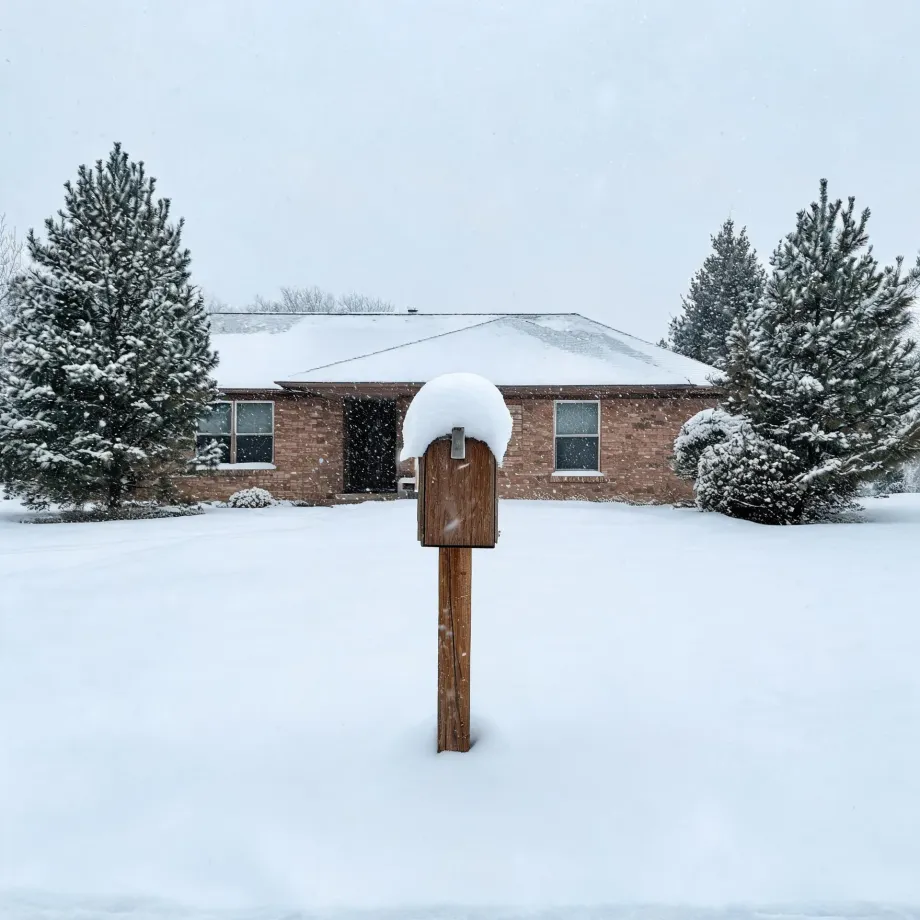
The burner, the heat exchanger, and the ignition system take the full weight of an Iron County heating season. Homes in Iron County, MO run heat about seven months a year, from October through April. That kind of cycling builds wear into specific parts: a heat exchanger that has expanded and contracted through months of daily firing shows it in hairline cracks before any other symptom appears. A contractor diagnosing a furnace here checks those components first, because a cracked heat exchanger changes the scope of the job and what the homeowner decides to do next.
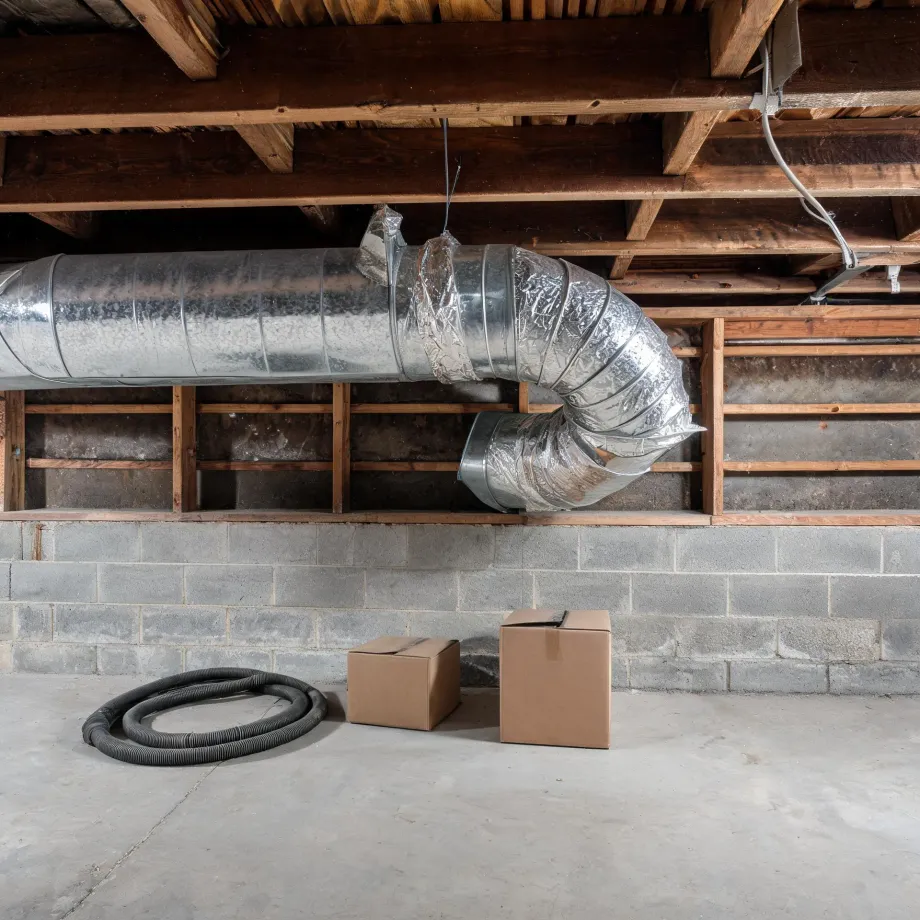
Ductwork laid decades before the furnace now sitting in it was ever manufactured tells a contractor something concrete: whatever is inside that unit, it has been maintained, adapted, or patched to keep pace with supply chains that moved on. Half the homes in Iron County, Missouri were built in 1974 or earlier (2020-2024 ACS 5-year). A furnace running in stock that old is likely on its second or third set of solutions for parts that went obsolete between service calls. When a repair opens the unit, what decides the job is whether the components it still takes can be sourced or whether the path forward is a workaround.
The Parts of a Furnace a Contractor Checks First
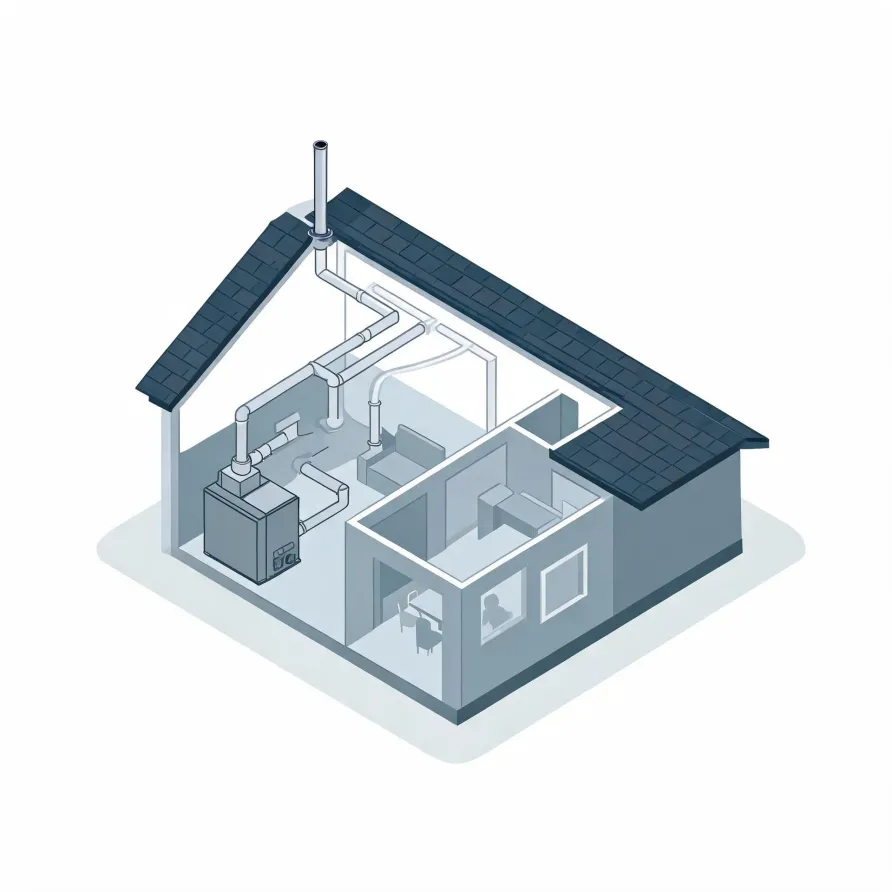
The furnace itself sits in the basement, utility closet, or garage and is the piece a contractor opens first. Inside it, the heat exchanger is the part most worth understanding: a crack there lets combustion gases into the air your family breathes, so it draws close attention before anything else. The burners, which fire directly beneath it, are checked for uneven flame or carbon buildup.
The blower motor sits at the base of the furnace cabinet and pushes conditioned air out through the supply side of your home. Alongside it, the control board reads signals from your thermostat and tells each component when to act, making it a common starting point when the system behaves erratically. The flue pipe runs from the cabinet to the exterior and is checked for blockage or separation.
The drawing shows a typical furnace layout, and a licensed contractor determines which components apply to your specific system and situation.
Find a contractor in Iron CountyIron County, Missouri, by the numbers
53 severe weather events were recorded in Iron County, Missouri between 2015 and 2024.
NOAA National Centers for Environmental Information, Storm Events Database, bulk CSV export, events 2015-01-01 through 2024-12-31.Half the homes in Iron County, Missouri were built in 1974 or earlier (2020-2024 ACS 5-year).
U.S. Census Bureau, 2020-2024 American Community Survey 5-Year EstimatesIron County, Missouri holds 4,682 housing units (2020-2024 ACS 5-year).
U.S. Census Bureau, 2020-2024 American Community Survey 5-Year EstimatesOwners occupy 75.1% of the occupied homes in Iron County, Missouri (2020-2024 ACS 5-year).
U.S. Census Bureau, 2020-2024 American Community Survey 5-Year EstimatesCodes & Standards Governing Furnace Repair in Iron County, Missouri4 sourced rules and standards
What Happens When a Contractor Comes Out
Non-weatherized gas furnaces manufactured on or after November 19, 2015 must reach 80.0 percent AFUE.
Non-weatherized oil-fired furnaces manufactured on or after November 19, 2015 must reach 83.0 percent AFUE.
Mobile home gas furnaces manufactured on or after November 19, 2015 must reach 80.0 percent AFUE.
Non-weatherized gas furnaces manufactured on or after December 18, 2028 must reach 95.0 percent AFUE, up from the 80.0 percent minimum that applies to units manufactured before that date.
Severe Weather Events in Iron County
Extreme weather puts real stress on furnace components, cycling systems hard and accelerating wear on parts that were already working close to their limits. How much of that pressure a furnace takes on depends on where it sits, which is why local weather history is part of the repair picture.
53 severe weather events, 2015–2024. Source: NOAA National Centers for Environmental Information, Storm Events Database.