Tell us about the job
Takes about a minute. No obligation.
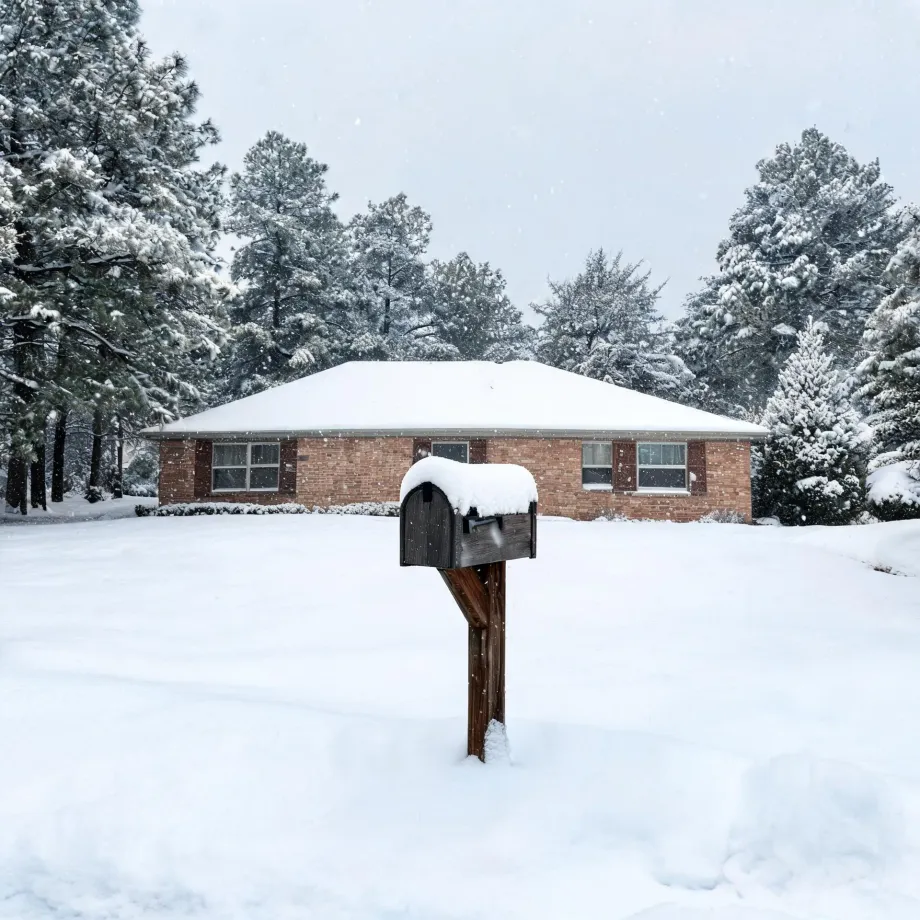
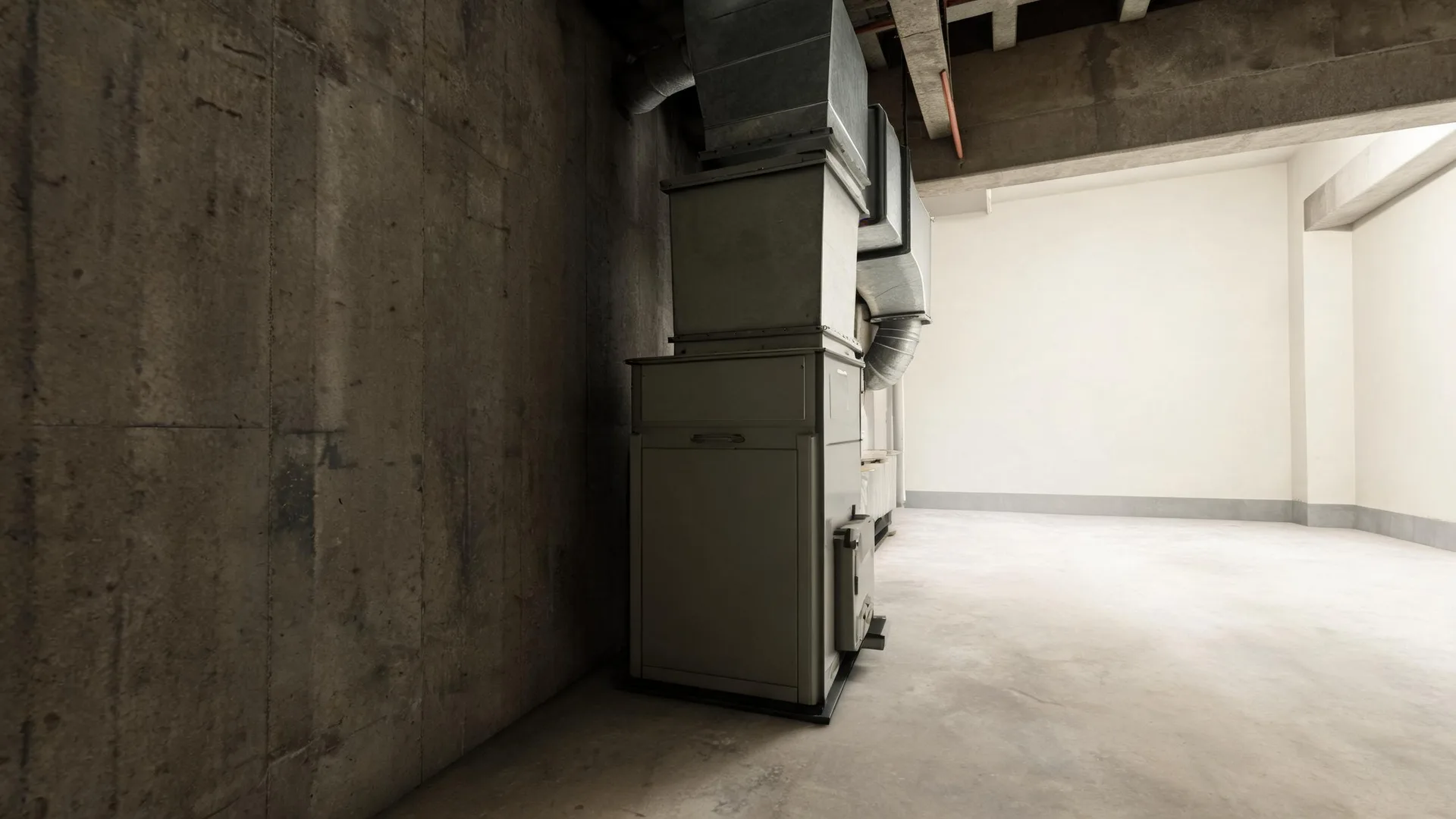
A contractor quoting a furnace installation in Vernon County has to resolve sizing before anything else, because an undersized system runs longer cycles and stresses the heat exchanger and ignition components on every one of them. Homes in Vernon County, MO run heat about seven months a year, from October through April. The burner and igniter accumulate that cycling across the full run of the season, and a unit that was close enough on paper can fall short in practice before its first major service interval arrives. Proper load calculation, correct venting, and a tight installation are what keep that wear in line.
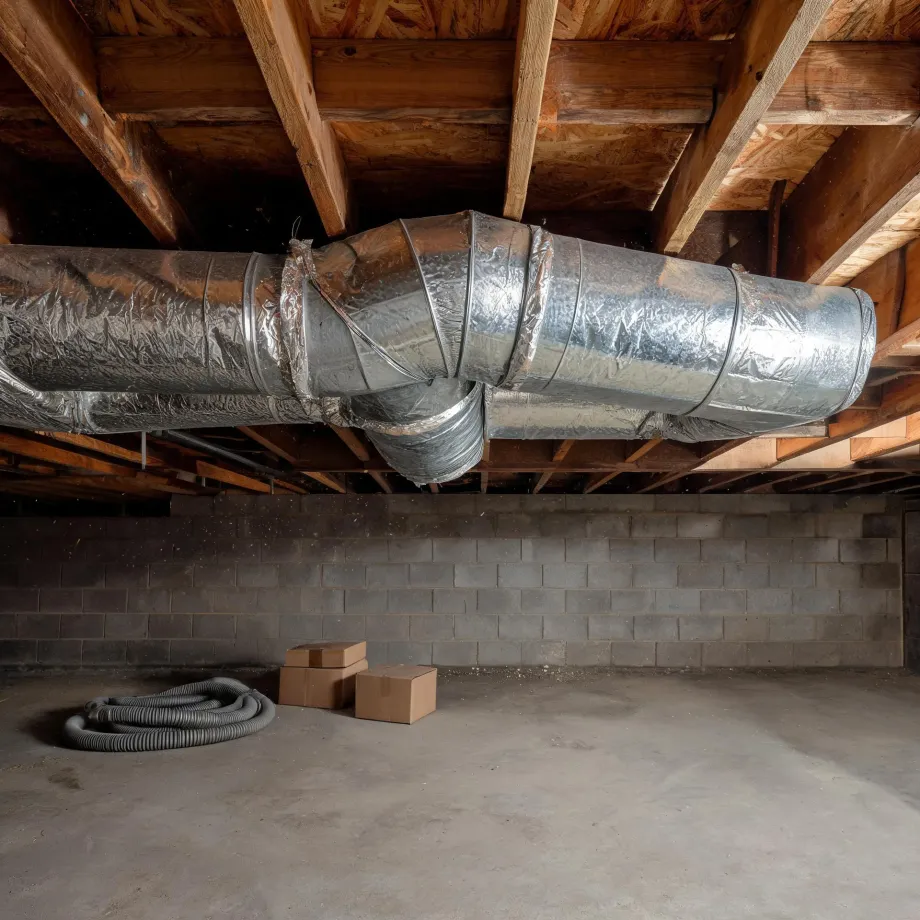
Existing ductwork is what a furnace installation in Vernon County actually hinges on. Half the homes in Vernon County, Missouri were built in 1976 or earlier (2020-2024 ACS 5-year). A house built in that era was laid out around equipment that no longer exists in it, and the duct runs reflect those older load calculations and airflow paths. A contractor installing a new furnace has to determine whether those runs will carry it adequately before the new unit is ever priced or ordered. If they will not, the duct work gets redesigned or supplemented, and that work shapes the project as much as the furnace itself does.
What Gets Installed With a New Furnace
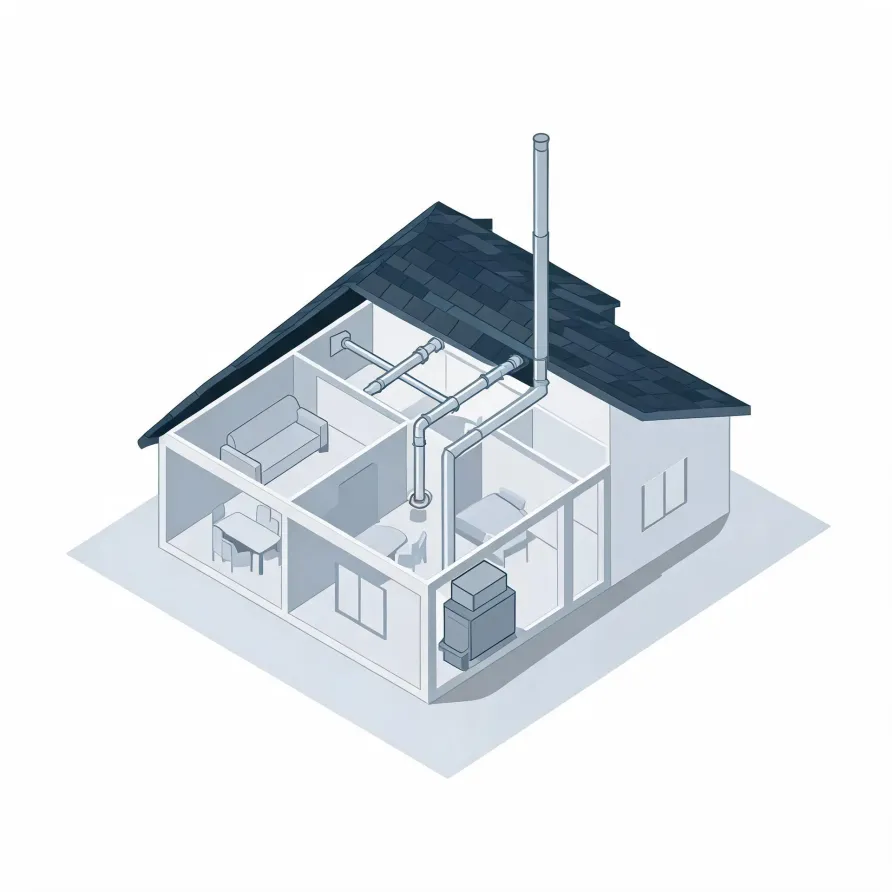
The furnace itself sits in a basement, utility room, or mechanical closet and is the piece doing the heating work. A heat exchanger inside it warms the air that moves through the house, and a blower motor pushes that air out into the supply side of the system. The flue pipe runs from the furnace to an exterior wall or through the roof, carrying combustion gases out.
The thermostat goes on an interior wall, usually in a central living area, and is the control point for the whole system. A contractor also installs the filter housing and any transition hardware that ties the new furnace to the existing duct openings, making sure air can move cleanly in both directions.
The drawing shows a representative layout, and a licensed contractor determines exactly which components apply to your house and how they connect.
Get matched in Vernon CountyVernon County, by the numbers
114 severe weather events were recorded in Vernon County, Missouri between 2015 and 2024.
NOAA National Centers for Environmental Information, Storm Events Database, bulk CSV export, events 2015-01-01 through 2024-12-31.Half the homes in Vernon County, Missouri were built in 1976 or earlier (2020-2024 ACS 5-year).
U.S. Census Bureau, 2020-2024 American Community Survey 5-Year EstimatesVernon County, Missouri holds 8,928 housing units (2020-2024 ACS 5-year).
U.S. Census Bureau, 2020-2024 American Community Survey 5-Year EstimatesOwners occupy 71.3% of the occupied homes in Vernon County, Missouri (2020-2024 ACS 5-year).
U.S. Census Bureau, 2020-2024 American Community Survey 5-Year EstimatesCodes & Standards Governing Furnace Installation in Vernon County, Missouri4 sourced rules and standards
What to Expect From Your HVAC Installation in Vernon County
Non-weatherized gas furnaces manufactured on or after November 19, 2015 must reach 80.0 percent AFUE.
Non-weatherized oil-fired furnaces manufactured on or after November 19, 2015 must reach 83.0 percent AFUE.
Mobile home gas furnaces manufactured on or after November 19, 2015 must reach 80.0 percent AFUE.
Non-weatherized gas furnaces manufactured on or after December 18, 2028 must reach 95.0 percent AFUE, up from the 80.0 percent minimum that applies to units manufactured before that date.
Severe Weather Events in Vernon County
Weather in Vernon County puts real demands on heating equipment: hard cold snaps, sharp swings in temperature, and storm loads that cycle systems hard and often at the worst times. A furnace sized and installed for local conditions handles that workload differently than one spec'd to a national average.
114 severe weather events, 2015–2024. Source: NOAA National Centers for Environmental Information, Storm Events Database.