 Hand off the search
Furnace smells like burning in Florissant, MO
Send the request today and let a furnace pro reach out to you.
A burning smell from your furnace is not something to sit with. If it's been off for months and this is the first run of the season, a light burning smell from dust on the heat exchanger is normal and should clear in an hour. If the smell is sharp, stays, or smells like plastic or something electrical, shut the furnace off at the switch and don't run it again until someone looks at it.
Furnaces around Florissant and the rest of St. Louis County get worked hard once the cold sets in. Most homes here run on gas, and a gas furnace that's been idle since spring can throw off odd smells the first few times it fires. But a burning smell paired with a furnace that's been running fine for weeks points to something else. A motor bearing going dry, a cracked wire insulation, dust burning off a clogged filter against the heat exchanger. These are things a furnace tech sees every winter in this area, because the same weather that makes you run the heat hard from November through March also wears on the same parts.
Send the request through this page and the job of tracking down a contractor is off your plate. You're not calling around St. Louis County trying to find someone who answers, and you're not getting matched with a handful of companies all trying to win your business at once. One licensed local contractor gets your information, someone who works on furnaces in this area all winter and has a good sense of what's behind a smell like yours before they even walk in. That's one call to make, not five, and no guessing about who's reliable. Fill out the form below and let the search end there.
A light burning smell on a furnace's first run in October or November is usually dust burning off the heat exchanger, and it clears within an hour. A smell that lingers past that, or smells sharp like hot metal or plastic, is different. That points to dust clogged in the blower motor, a cracked heat exchanger, or wiring that's overheating inside the cabinet. A smell like rotten eggs is not the furnace burning at all. That's gas, and it means shutting the furnace off and getting out of the house. With St. Louis County winters running cold and most homes here heating with gas, a furnace that's working hard every day is one worth having looked at as soon as something smells wrong, rather than waiting to see if it clears on its own.




Is this smell normal or something to worry about
If you just turned the furnace on for the first time this fall and the smell fades within the hour, that's dust burning off and nothing to worry about. If it's still there after that, or if it smells like hot metal, melting plastic, or something electrical, pay attention. You might notice it strongest near the vents, or coming from the furnace closet itself. A smell like burning plastic often means a part like the blower motor is overheating. Left alone, that can mean a bigger repair later, or the furnace shutting itself off mid-cycle on a cold night, which is the last thing you want in a St. Louis County winter.
What that burning smell is coming from
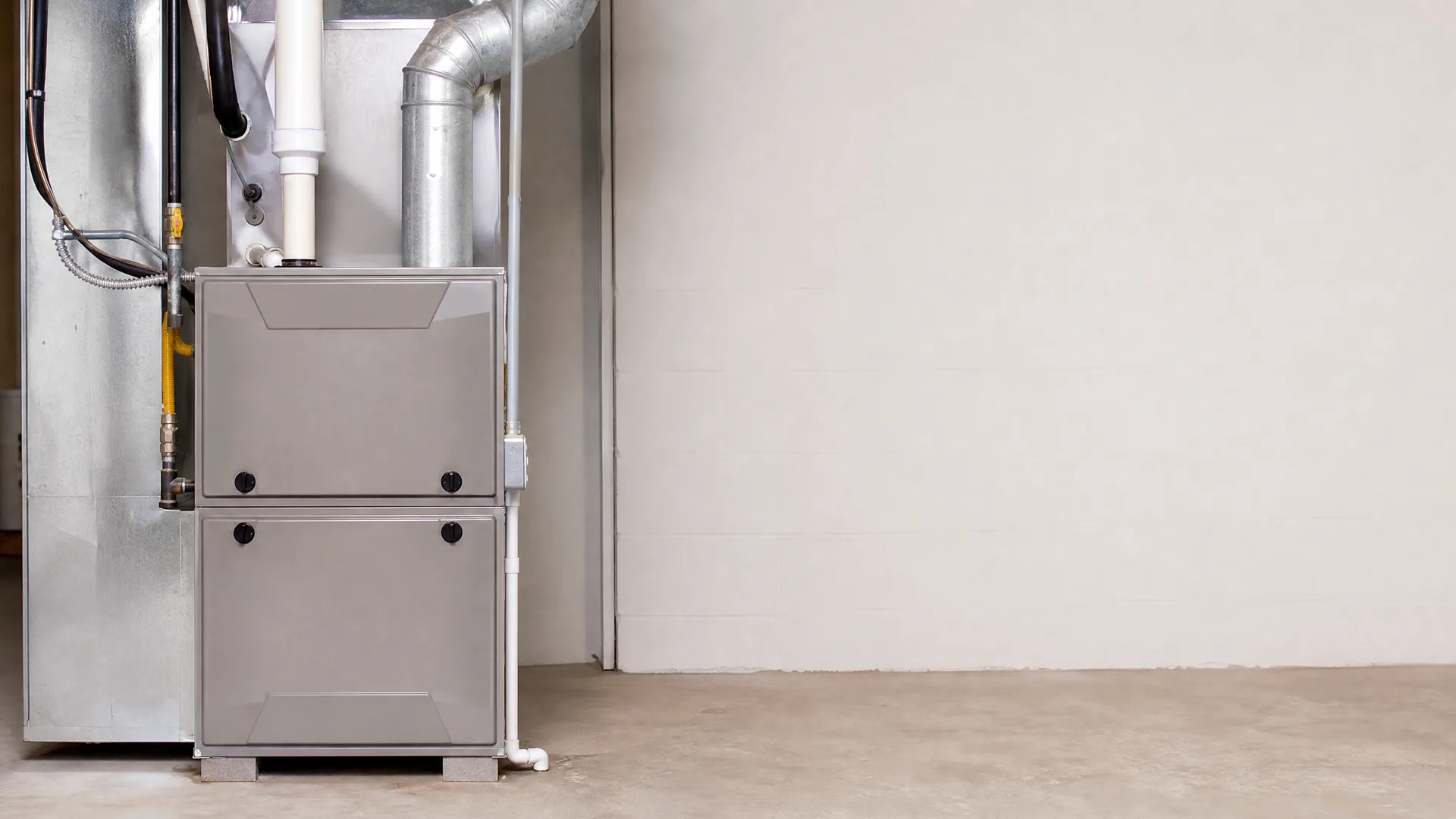
A gas furnace lights by sparking the igniter, which heats to a few hundred degrees to catch the burners. Dust that's settled on it over the summer burns off fast, and that's what you smell the first time it runs. The heat exchanger does the same thing, just slower, since it holds more surface area for dust to collect on. Once both have run hot for an hour, there's nothing left on them to burn.
Why a lingering smell means something else
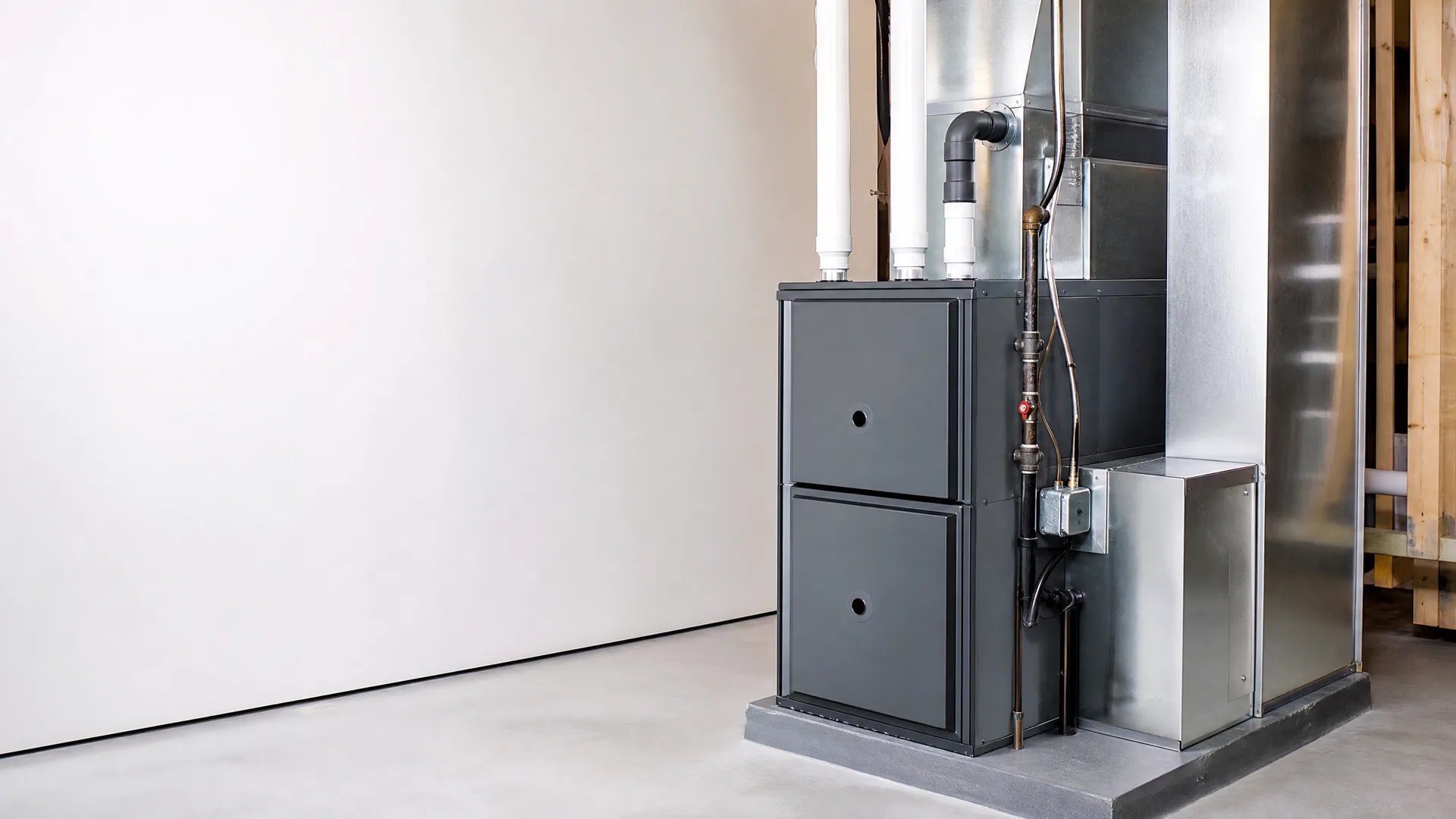
After that first hour, the igniter and heat exchanger are clean, so there's nothing normal left to burn off. A smell that stays past that point is usually coming from somewhere it shouldn't, a wiring insulation overheating near the blower motor, or a belt or bearing running hot. Furnaces in Missouri sit idle most of the year outside of winter, so whatever's wearing out has had months to get worse before that first cold morning shows it.
Wait It Out or Get It Checked
Dust burning off
- This happens on the first cold night you run the furnace after it sat idle all summer.
- The smell fades inside an hour on its own, and you don't need to turn the furnace off.
- It smells like dust warming up, not like hot metal or melting plastic.
- Running the furnace for a while actually clears it faster than shutting it down and restarting later.
- It won't come back once the dust that settled over the summer has burned off this one time.
Something wrong inside
- The smell is still there after an hour, or it's sharp like hot metal or burning plastic.
- A plastic smell usually means a wire or a motor part is overheating somewhere it shouldn't.
- A metal smell can mean the blower motor bearings are worn or a part inside the cabinet is rubbing.
- This kind of smell doesn't fade on its own, and it tends to come back every time the furnace runs.
- A contractor who works on furnaces around Florissant every winter can tell you which part it is before anything fails outright.
Hand off the search today
The pro who gets in touch is licensed in Missouri and works in St. Louis County.
Get the furnace repair search off your mind today.
There's no charge for the request.
How long will this smell keep showing up each winter?
Winter nights average 26°F
Nights here average 26°F in December, January and February, and your furnace runs through all of that to keep up.
Heat runs October through April
Heat runs here from October through April, about seven months, so a burning smell on a cold morning isn't a one-time thing to shrug off.
74.6% of homes heat with gas
74.6% of homes in St. Louis County heat with gas, which means a furnace repair tech out here sees this kind of smell often and knows what it usually is.
NOAA nClimDiv 1991-2020 · ACS 2020-2024
Wait and see if it clears on its own, and you might catch it early enough to avoid a bigger repair, or you might let a cracked heat exchanger or frayed wiring keep running until it fails outright.
Have a licensed contractor look at it once the smell doesn't fade, and you get a straight answer on what's wrong before a cold night in Florissant leaves you without heat at all.
Winter nights average 26°F
Nights here average 26°F in December and January, so your furnace is running long stretches to keep the house warm. That's more hours of burners cycling and air moving across the heat exchanger, which is exactly where a burning smell that doesn't fade is coming from.
NOAA nClimDiv 1991-2020
Turn it off or leave it running
If the smell is faint and fading, there's no reason to shut the furnace down. Let it run its cycle and check back in an hour. If the smell is sharp, smells like hot plastic or metal, or comes with any smoke, shut the furnace off at the thermostat and leave it off. Running it longer with a smell like that risks turning a cracked heat exchanger or a wiring problem into something worse, and in the case of a heat exchanger, it risks carbon monoxide getting into the air you're breathing. You don't need to touch the gas valve or the breaker, just the thermostat is enough.
What a contractor checks first
A licensed contractor working in St. Louis County sees this call often once furnaces start running for the season, and the diagnosis follows a set order. First is the heat exchanger, checked for cracks, since that's the part tied to carbon monoxide. Next is the wiring around the blower motor and igniter, checked for insulation that's melted or frayed. If both check out clean, the smell is usually dust in the ductwork or on the burners themselves, which clears with time or a cleaning. One visit is normally enough to tell you which of these you're dealing with.


What to do about the smell
- A burning smell that fades within an hour on the first cold night is dust and nothing to worry about.
- A smell that lingers, smells sharp, or comes with smoke points to a problem like a cracked heat exchanger or frayed wiring.
- A licensed contractor who works on furnaces through the cold months here knows which of these causes shows up most often.
- One contractor takes the call for your furnace, so you're dealing with a single visit instead of fielding several companies.
- Catching a cracked heat exchanger or bad wiring early keeps a small fix from turning into a furnace that fails outright on a cold night.
- Your furnace runs long stretches through winters here, so it's worth knowing early whether the smell is routine or not.
A burning smell on the first cold night is usually nothing. Give it an hour. If it fades, your furnace is fine and you don't need to do anything else. If it's still there after that hour, or it smells sharp like hot metal or melting plastic, or you see any smoke, shut the furnace off and have it looked at.
That second case is where a cracked heat exchanger or frayed wiring tends to show up, and neither one gets better by waiting. A furnace that runs long stretches through a Florissant winter is putting hours on that heat exchanger and that wiring every night it's cold, so a problem that's just starting now has all winter to get worse.
A licensed contractor who services furnaces through the cold months here has seen this exact smell dozens of times and knows what it usually turns out to be before they even open the cabinet. You'll get one contractor assigned to your call, not a handful of companies competing for it, so you're explaining your furnace once to someone who's going to be the one standing in front of it.
Nothing about this smell tells you to panic. It does tell you to pay attention. An hour of waiting answers the question for you, and after that, the next step is getting someone qualified to confirm what you're already smelling.
Stop chasing a furnace pro