Tell us about the job
Takes about a minute. No obligation.
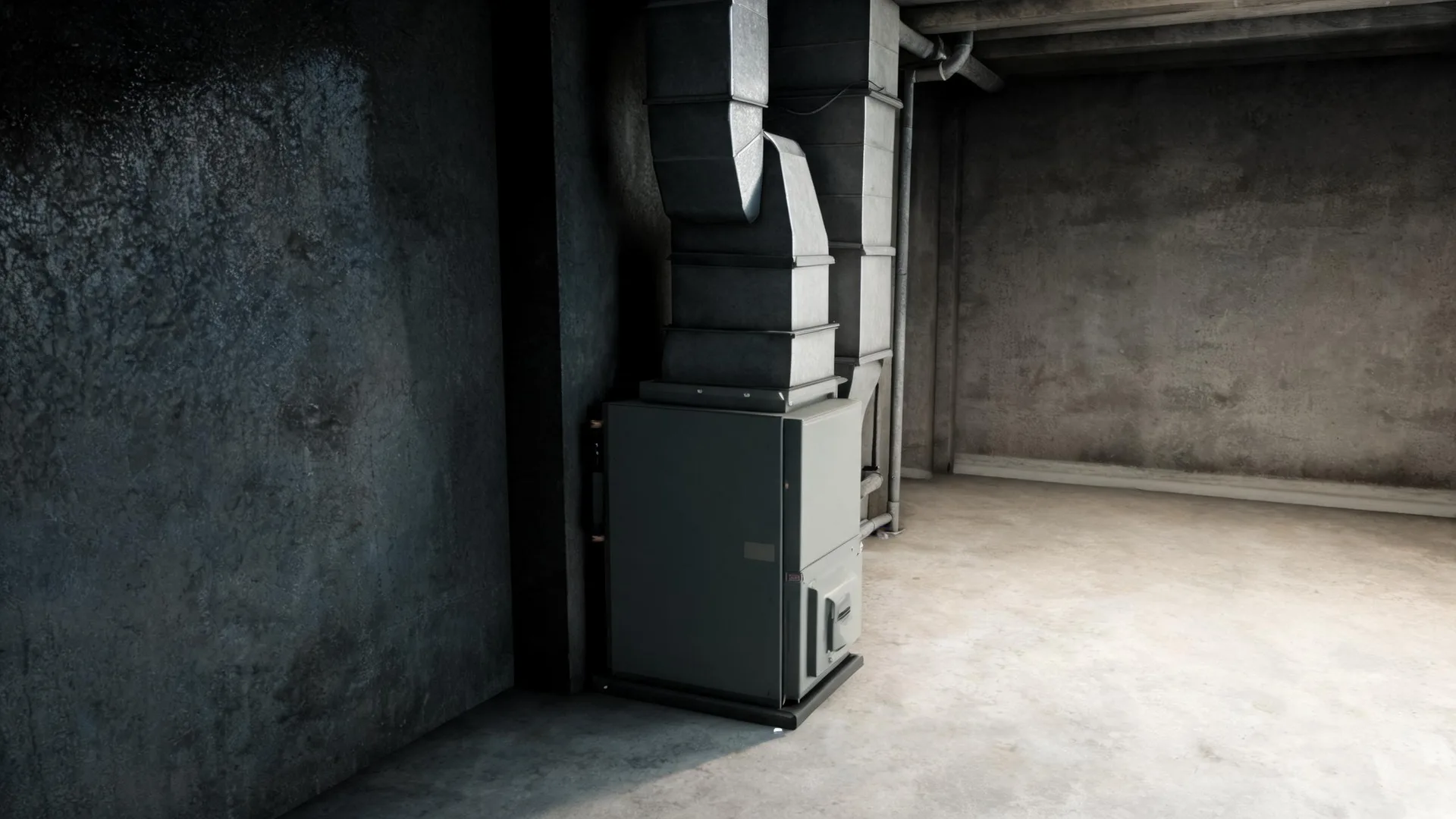
A furnace repair in Randolph County starts with what the ignition system and heat exchanger have already been through. Homes in Randolph County, MO run heat about seven months a year, from October through April. Cycling a burner across that many months stacks wear on the igniter, the flame sensor, and the heat exchanger in ways that a mild-use system never sees. When a contractor opens a furnace here, igniter degradation and heat exchanger fatigue are the first things checked, because those are the components the season loads hardest. A cracked heat exchanger found on a repair call is not a surprise; it is the result of a burner that has earned its hours.
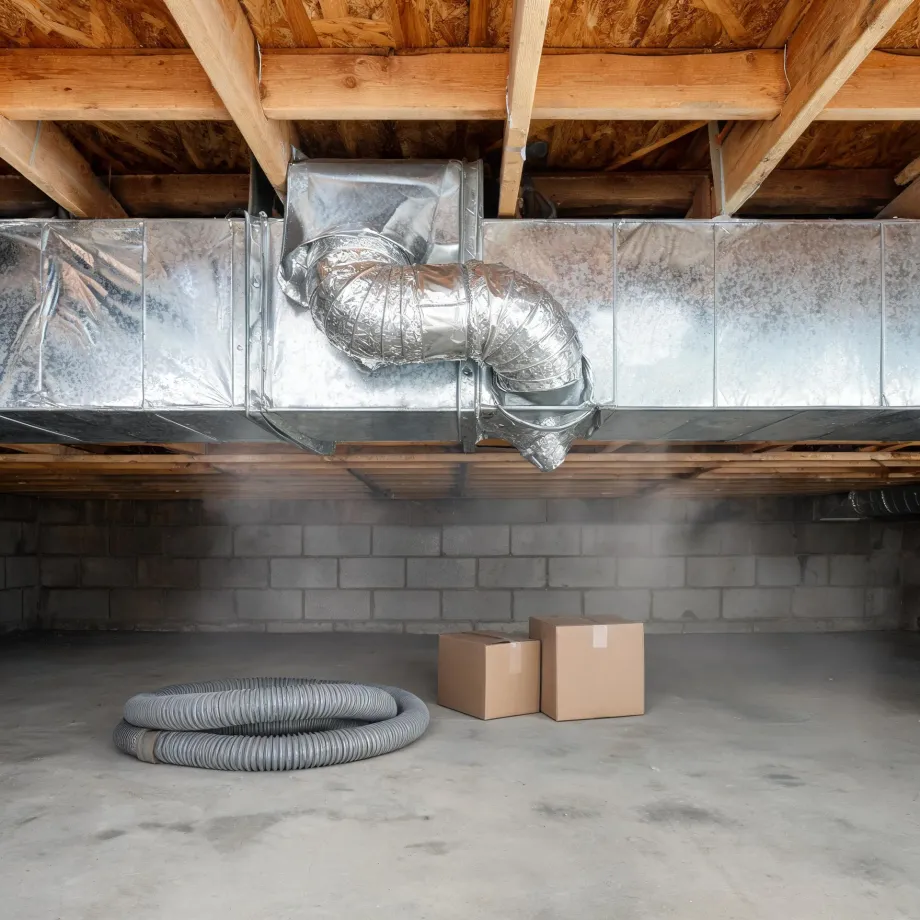
Ducting laid down for a system that no longer exists tends to sit quietly until a furnace fails and someone pulls the service panel. Half the homes in Randolph County, Missouri were built in 1974 or earlier (2020-2024 ACS 5-year). That means a contractor working on a furnace repair here opens the unit expecting to find components that may have cycled through one or more replacements, with heat exchangers, burner assemblies, and flue connections sized for equipment the supply chain has largely moved past. If a part is still made, the repair proceeds. If it is not, the scope changes on the spot.
The Parts of a Furnace a Contractor Checks First
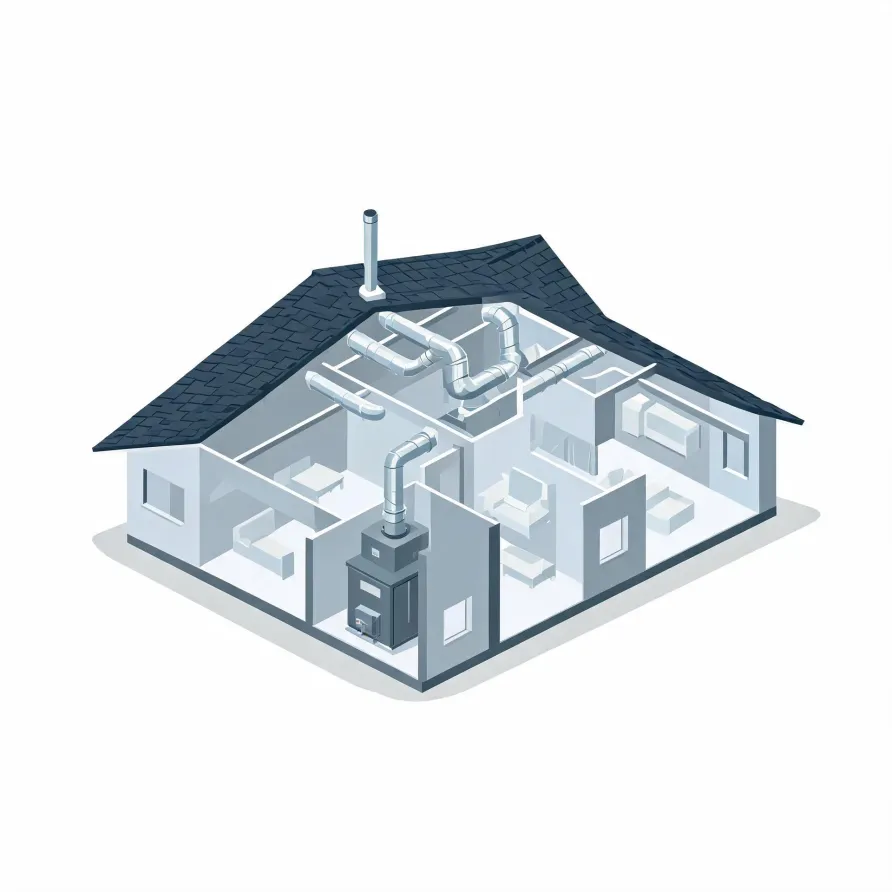
The furnace itself sits in a basement, utility room, or closet and is the heart of the system. Inside it, the heat exchanger is the piece a contractor looks at early: cracks or corrosion there let combustion gases mix with circulated air. The burners, which produce the flame, and the ignitor, which lights it, are the other parts that fail most often when a furnace stops heating.
The blower motor sits inside the furnace cabinet and pushes conditioned air into the supply side of the house. The flue pipe runs from the cabinet up and out of the home, carrying exhaust gases away. Alongside those, the control board and the gas valve each govern how the system starts and runs, and both come up quickly when a furnace behaves erratically or refuses to fire.
The drawing shows a typical furnace layout, and a licensed contractor determines which components are at issue in your specific system.
Find a contractor in Randolph CountyRandolph County, by the numbers
61 severe weather events were recorded in Randolph County, Missouri between 2015 and 2024.
NOAA National Centers for Environmental Information, Storm Events Database, bulk CSV export, events 2015-01-01 through 2024-12-31.Half the homes in Randolph County, Missouri were built in 1974 or earlier (2020-2024 ACS 5-year).
U.S. Census Bureau, 2020-2024 American Community Survey 5-Year EstimatesRandolph County, Missouri holds 10,862 housing units (2020-2024 ACS 5-year).
U.S. Census Bureau, 2020-2024 American Community Survey 5-Year EstimatesOwners occupy 71.4% of the occupied homes in Randolph County, Missouri (2020-2024 ACS 5-year).
U.S. Census Bureau, 2020-2024 American Community Survey 5-Year EstimatesCodes & Standards Covering Furnace Repair in Randolph County, Missouri4 sourced rules and standards
What HVAC Repair Looks Like in Randolph County
Non-weatherized gas furnaces manufactured on or after November 19, 2015 must reach 80.0 percent AFUE.
Non-weatherized oil-fired furnaces manufactured on or after November 19, 2015 must reach 83.0 percent AFUE.
Mobile home gas furnaces manufactured on or after November 19, 2015 must reach 80.0 percent AFUE.
Non-weatherized gas furnaces manufactured on or after December 18, 2028 must reach 95.0 percent AFUE, up from the 80.0 percent minimum that applies to units manufactured before that date.
Severe Weather Events in Randolph County
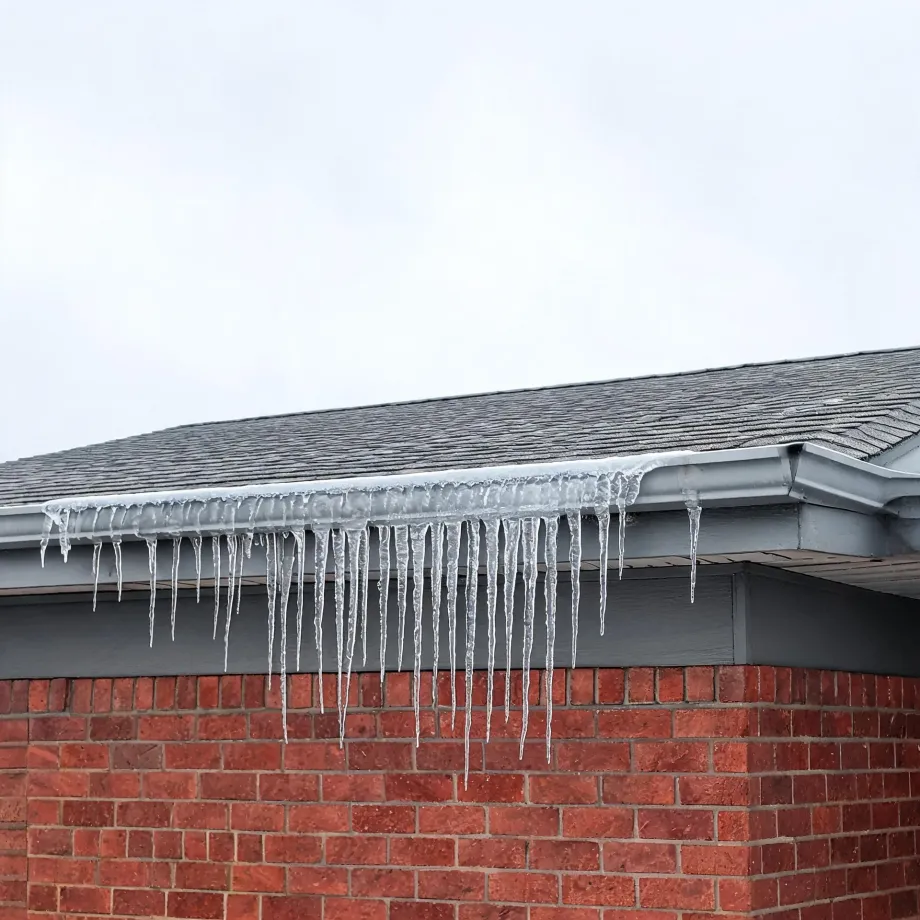
Extreme weather puts strain on heating equipment, and Randolph County gets its share of conditions that push furnaces hard. How often that happens locally shapes the repair and maintenance load contractors here deal with.
61 severe weather events, 2015–2024. Source: NOAA National Centers for Environmental Information, Storm Events Database.