Tell us about the job
Takes about a minute. No obligation.
A furnace repair in Cole County starts with the burner assembly and ignition system, because those are the parts that have been cycling the longest. Homes in Cole County, MO run heat about seven months a year, from October through April. The heat exchanger takes the same load, and a contractor inspecting one that has been working hard will look for stress cracks before quoting anything else. Blower motors and limit switches follow. A system that was marginal when installed does not stay marginal quietly under that kind of demand; it fails at the part that cycled hardest.
Half the homes in Cole County, Missouri were built in 1982 or earlier (2020-2024 ACS 5-year). A furnace installed in a house from that era has likely been replaced or serviced more than once since, and what a contractor finds once the unit is open is a system whose repair path depends on parts availability more than anything else. For equipment that has reached the edge of what manufacturers still supply, a like-for-like fix stops being an option regardless of what the rest of the house looks like. That is the variable a contractor has to resolve before a repair quote means anything.
The Parts of a Furnace a Contractor Checks First
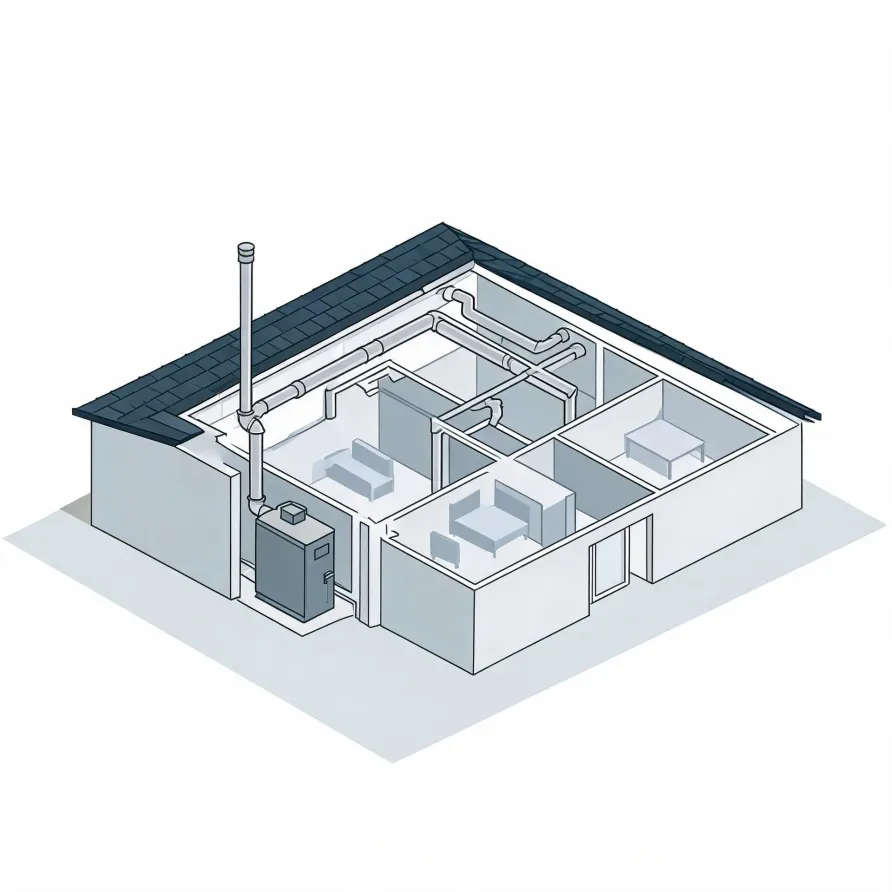
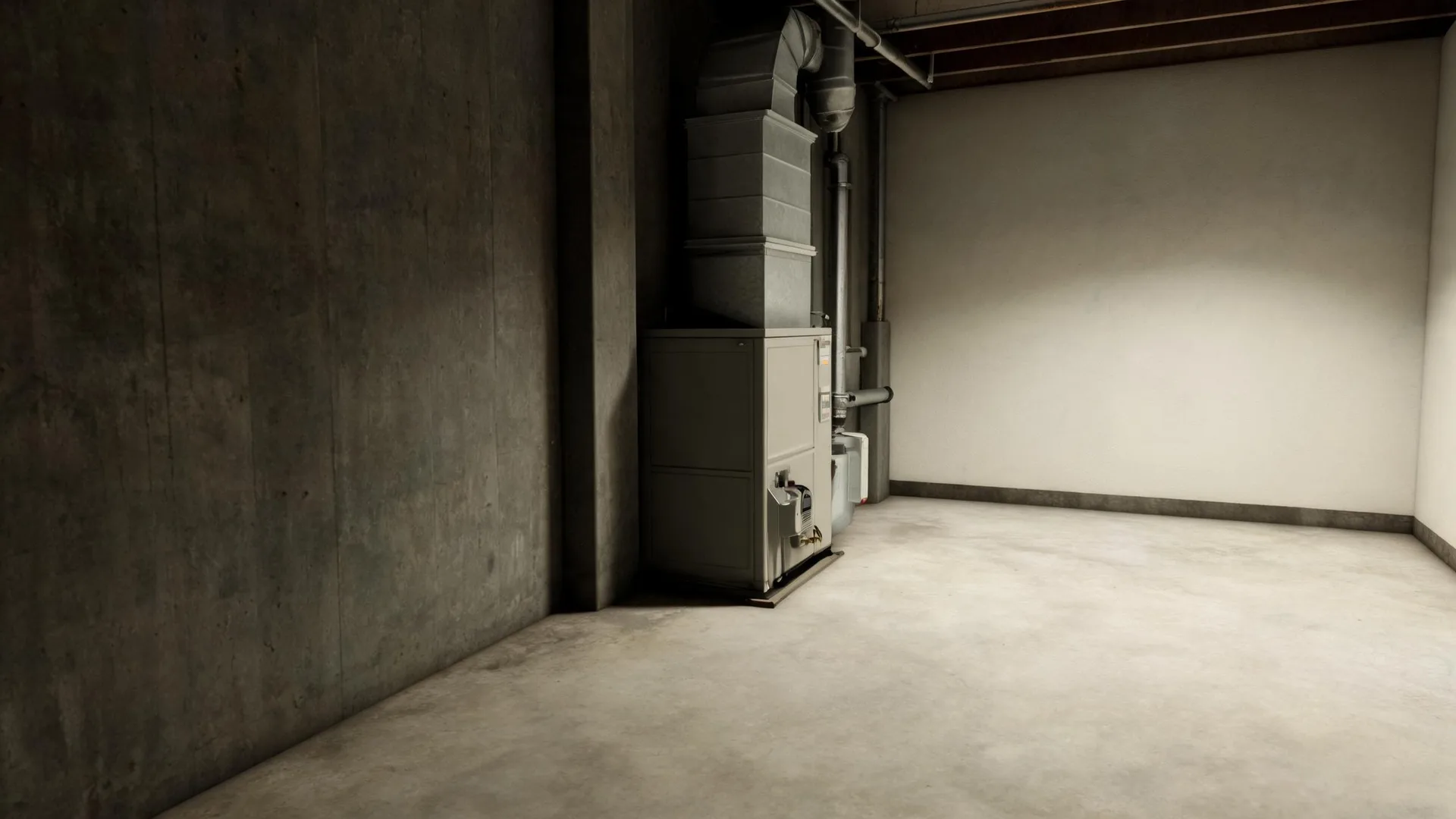
The furnace itself sits in the basement, utility room, or closet and is the piece a contractor goes to first. Inside it, the heat exchanger is the part most worth understanding: it separates combustion gases from the air your home breathes, and a crack there is a serious find. The burners, the ignitor, and the flame sensor all live inside that cabinet too, and any one of them can stop the unit from firing.
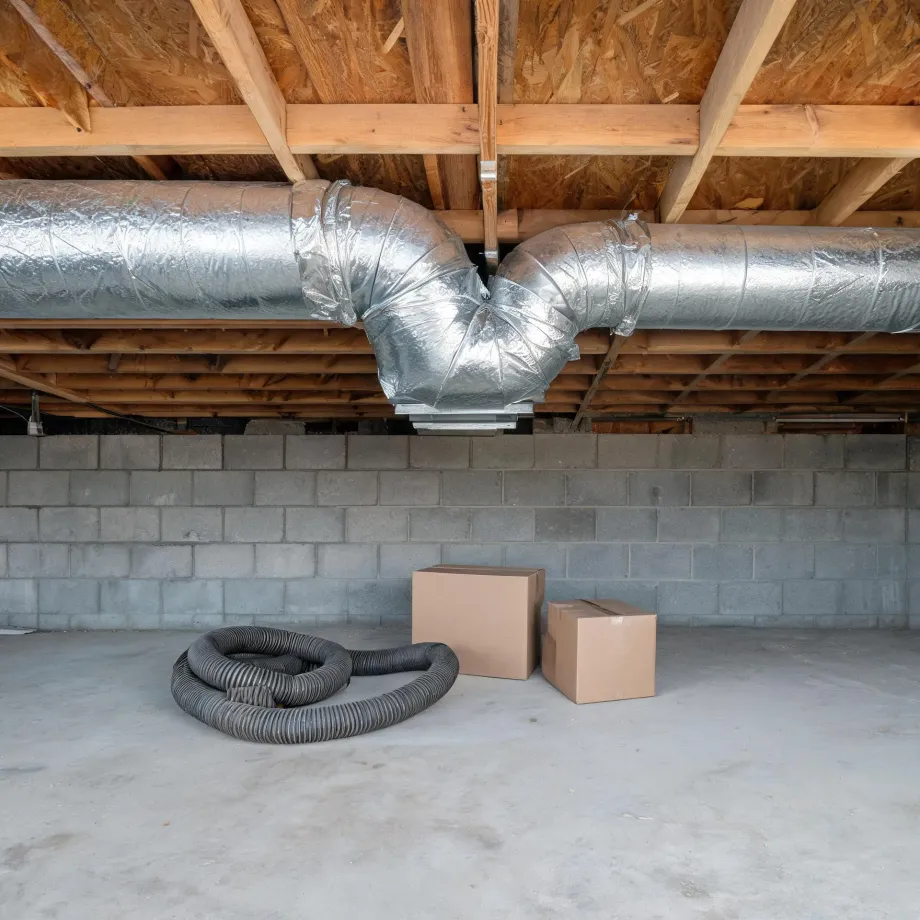
The blower motor sits at the base of the furnace and pushes conditioned air out into the ducts once the heat exchanger has done its work. Near it, the flue pipe runs from the furnace up and out of the house, carrying exhaust away. The thermostat on the wall is where the whole sequence starts, and a faulty signal there can look like a furnace problem when the furnace itself is fine.
The drawing shows a typical layout, and a licensed contractor determines what applies to your specific system and home.
Find a contractor in Cole CountyCole County, by the numbers
45 severe weather events were recorded in Cole County, Missouri between 2015 and 2024.
NOAA National Centers for Environmental Information, Storm Events Database, bulk CSV export, events 2015-01-01 through 2024-12-31.Half the homes in Cole County, Missouri were built in 1982 or earlier (2020-2024 ACS 5-year).
U.S. Census Bureau, 2020-2024 American Community Survey 5-Year EstimatesCole County, Missouri holds 33,533 housing units (2020-2024 ACS 5-year).
U.S. Census Bureau, 2020-2024 American Community Survey 5-Year EstimatesOwners occupy 67.9% of the occupied homes in Cole County, Missouri (2020-2024 ACS 5-year).
U.S. Census Bureau, 2020-2024 American Community Survey 5-Year EstimatesCodes & Standards Governing Furnace Repair in Cole County, Missouri4 sourced rules and standards
What Happens When the Contractor Arrives
Non-weatherized gas furnaces manufactured on or after November 19, 2015 must reach 80.0 percent AFUE.
Non-weatherized oil-fired furnaces manufactured on or after November 19, 2015 must reach 83.0 percent AFUE.
Mobile home gas furnaces manufactured on or after November 19, 2015 must reach 80.0 percent AFUE.
Non-weatherized gas furnaces manufactured on or after December 18, 2028 must reach 95.0 percent AFUE, up from the 80.0 percent minimum that applies to units manufactured before that date.
Severe Weather Events in Cole County
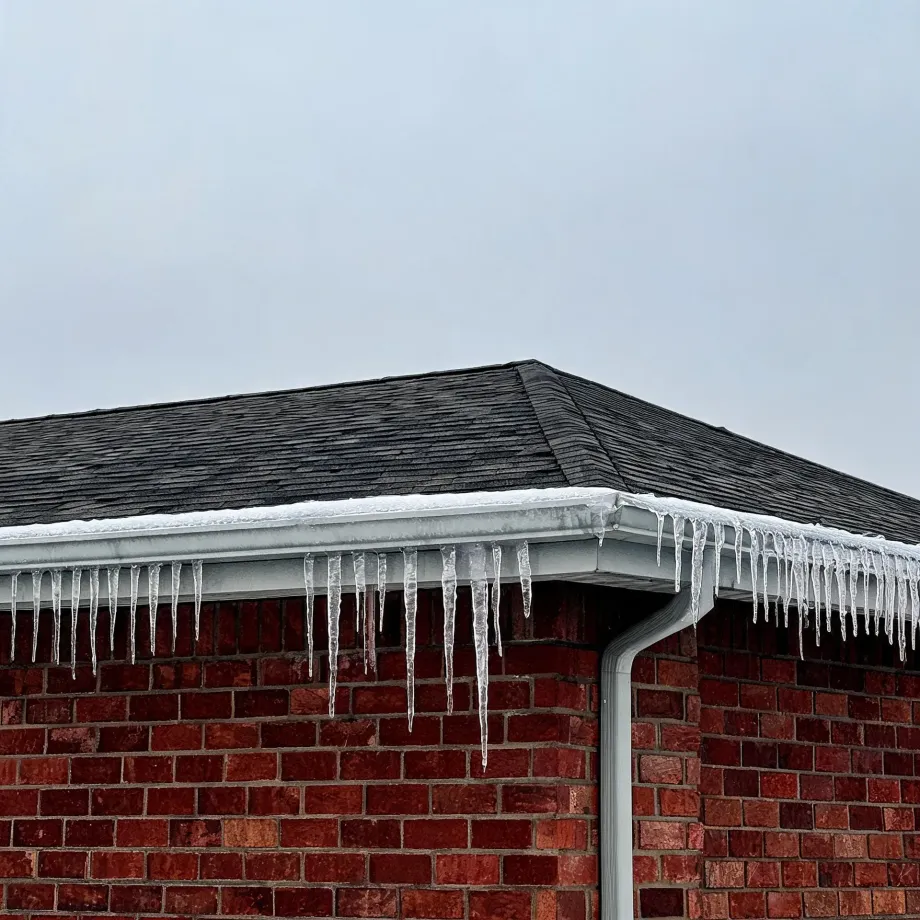
Extreme weather puts a real load on heating equipment, cycling it hard through temperature swings it was not sized for in calm conditions. How often that happens in Cole County shapes how much wear a furnace takes and what repair work looks like here.
45 severe weather events, 2015–2024. Source: NOAA National Centers for Environmental Information, Storm Events Database.