Tell us about the job
Takes about a minute. No obligation.
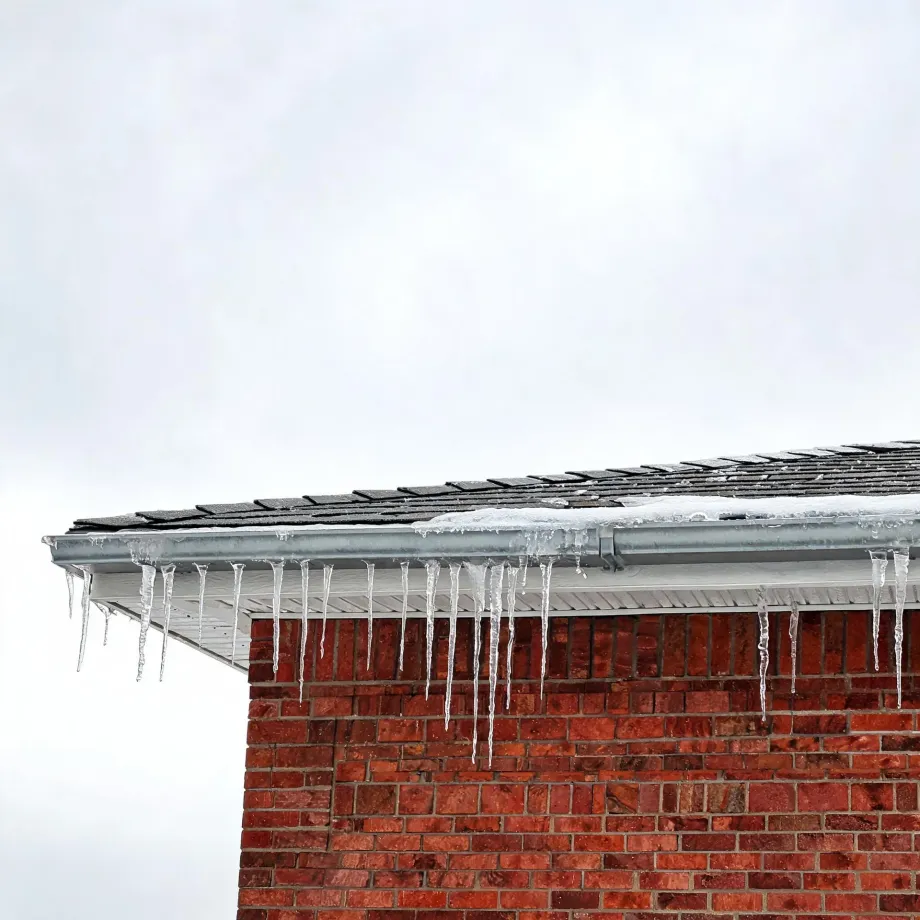
Homes in Hickory County, MO run heat about seven months a year, from October through April. The burner cycles through ignition and shutdown repeatedly across those months, and the heat exchanger flexes with every one of those cycles. Fatigue cracks in heat exchangers and worn igniter assemblies are the failures a contractor finds most often here, not because the equipment is poor but because those are the parts the season actually works. A contractor quoting a repair in Hickory County prices the ignition system and the heat exchanger first, and looks at the blower motor second.
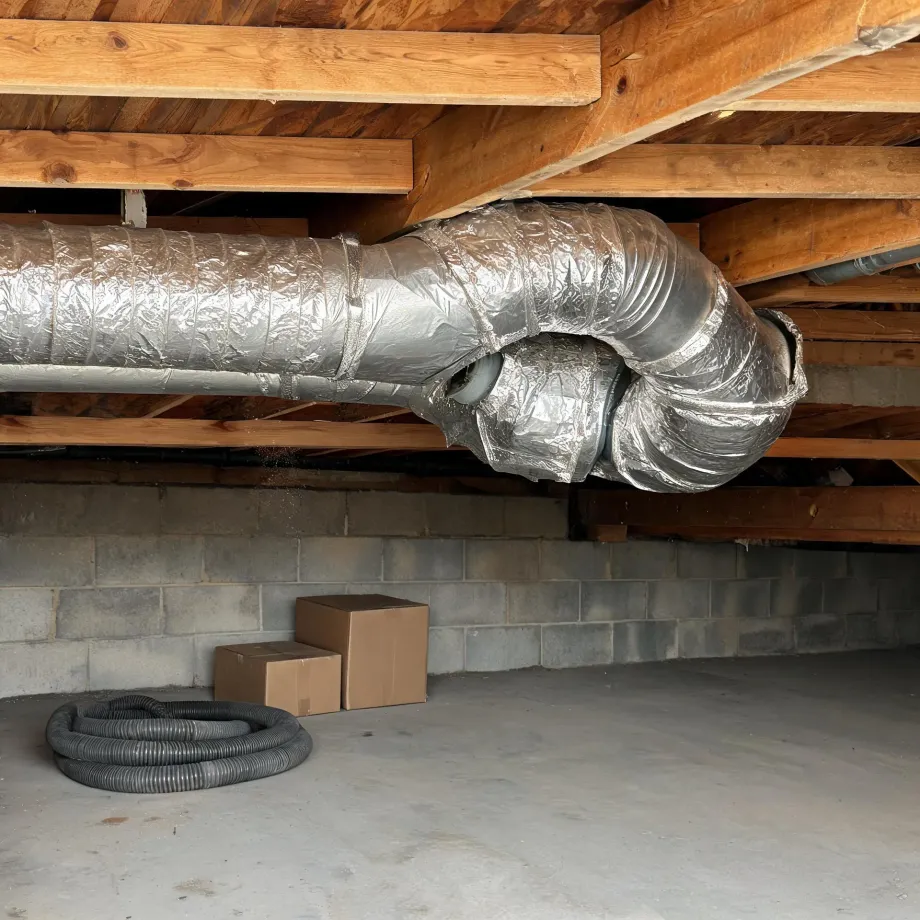
Ductwork in houses of this vintage was often run to serve equipment long since replaced, and what it has collected since then is a separate question from what the furnace itself needs. Half the homes in Hickory County, Missouri were built in 1983 or earlier (2020-2024 ACS 5-year). A contractor opening a furnace here reads heat exchangers, burners, and flue connections that carry a history the surrounding structure set in motion well before the current unit was installed. Wear on those components is the finding that drives scope, parts sourcing, and what gets replaced.
The Parts of a Furnace a Contractor Checks First
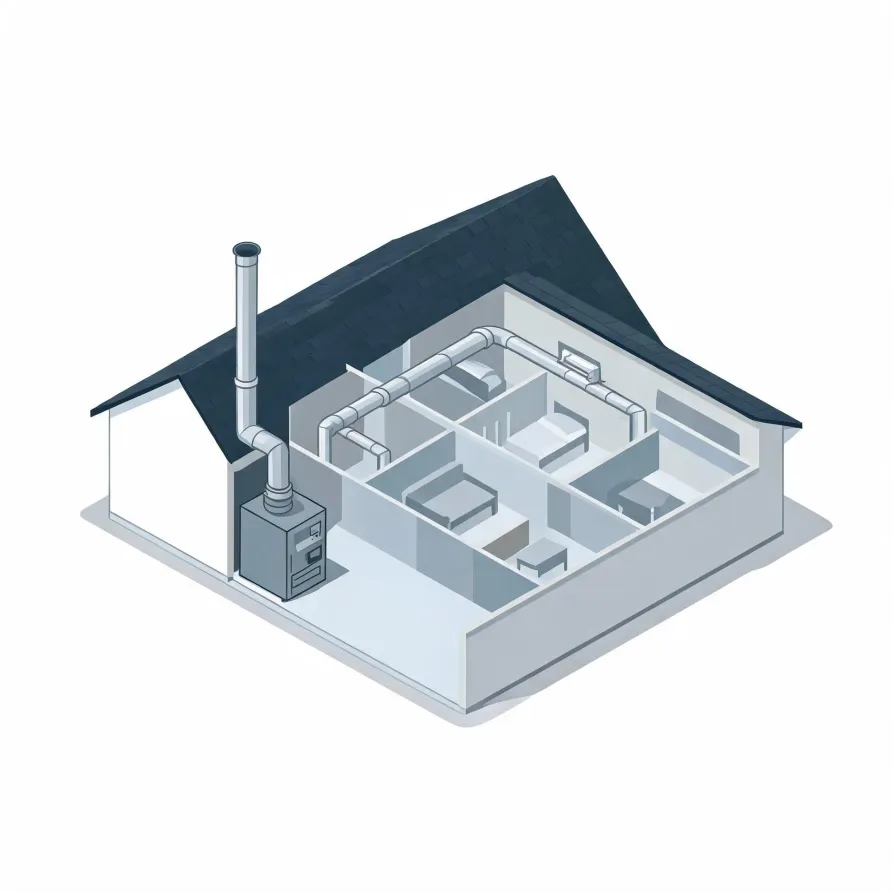
The heat exchanger sits at the core of the furnace cabinet in your basement, utility room, or closet, and it is the piece that separates combustion gases from the air your family breathes. Cracks or corrosion there are serious. The burners sit just below it and are where the flame starts, so when ignition is weak or uneven, a contractor looks here first.
The blower motor and its fan wheel sit at the base of the cabinet and push conditioned air out through the supply ducts. The inducer motor pulls exhaust gases out through the flue before each cycle begins. The control board runs all of it, and when symptoms are erratic or hard to pin down, that board is often where the diagnosis ends up.
The drawing shows a typical furnace layout, and a licensed contractor will determine which components apply to the specific unit and installation in your home.
Get matched in Hickory CountyHickory County, by the numbers
87 severe weather events were recorded in Hickory County, Missouri between 2015 and 2024.
NOAA National Centers for Environmental Information, Storm Events Database, bulk CSV export, events 2015-01-01 through 2024-12-31.Half the homes in Hickory County, Missouri were built in 1983 or earlier (2020-2024 ACS 5-year).
U.S. Census Bureau, 2020-2024 American Community Survey 5-Year EstimatesHickory County, Missouri holds 5,480 housing units (2020-2024 ACS 5-year).
U.S. Census Bureau, 2020-2024 American Community Survey 5-Year EstimatesOwners occupy 82.4% of the occupied homes in Hickory County, Missouri (2020-2024 ACS 5-year).
U.S. Census Bureau, 2020-2024 American Community Survey 5-Year EstimatesFurnace Repair Rules & Codes for Hickory County, Missouri4 sourced regulations and standards
What HVAC Repair Looks Like in Hickory County
Non-weatherized gas furnaces manufactured on or after November 19, 2015 must reach 80.0 percent AFUE.
Non-weatherized oil-fired furnaces manufactured on or after November 19, 2015 must reach 83.0 percent AFUE.
Mobile home gas furnaces manufactured on or after November 19, 2015 must reach 80.0 percent AFUE.
Non-weatherized gas furnaces manufactured on or after December 18, 2028 must reach 95.0 percent AFUE, up from the 80.0 percent minimum that applies to units manufactured before that date.
Severe Weather Events in Hickory County
Weather puts direct stress on heating equipment: hard swings in outdoor conditions push furnaces to run longer and work harder, and that wear shows up in repair calls. How much pressure the weather places on equipment here shapes what local contractors see in the field.
87 severe weather events, 2015–2024. Source: NOAA National Centers for Environmental Information, Storm Events Database.