Tell us about the job
Takes about a minute. No obligation.
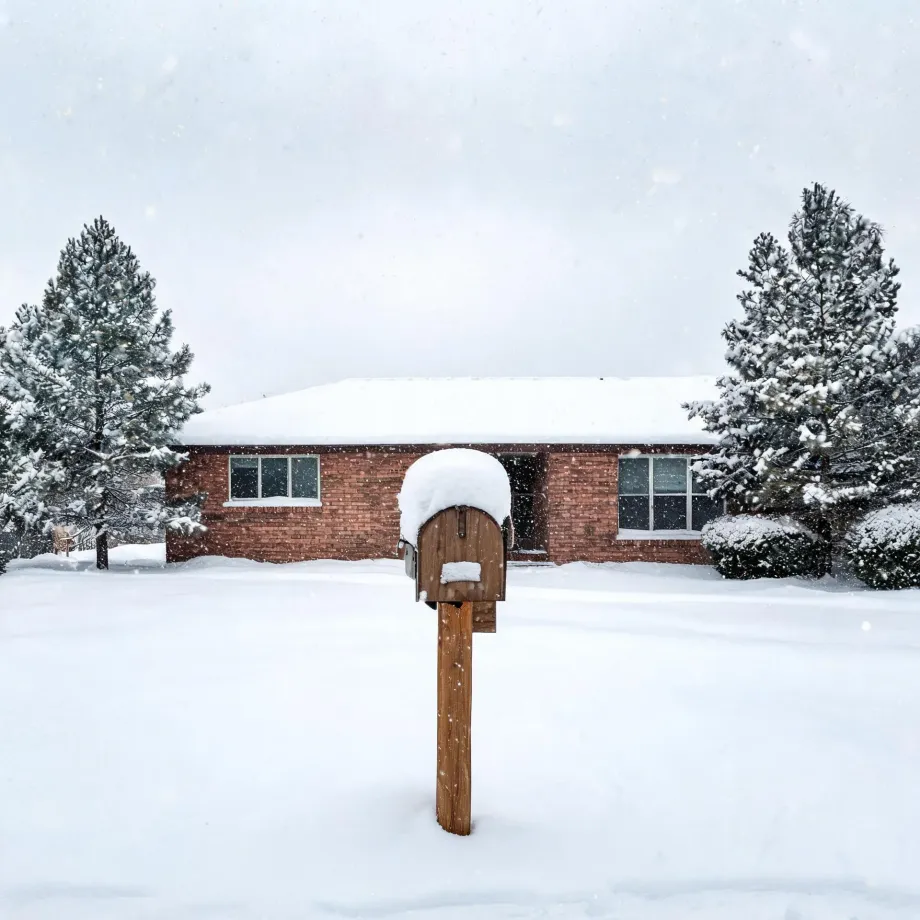
A furnace repair in Pike County starts with the burner assembly and ignition system, because those are the parts that cycle every time the house calls for heat. Homes in Pike County, MO run heat about seven months a year, from October through April. Across a heating season that long, the igniter takes hundreds of cold starts, the heat exchanger flexes with every cycle, and the burner orifices collect residue that chokes the flame. A contractor diagnosing a no-heat call here checks those components before anything downstream, because wear on them is predictable and visible once the cabinet is open.
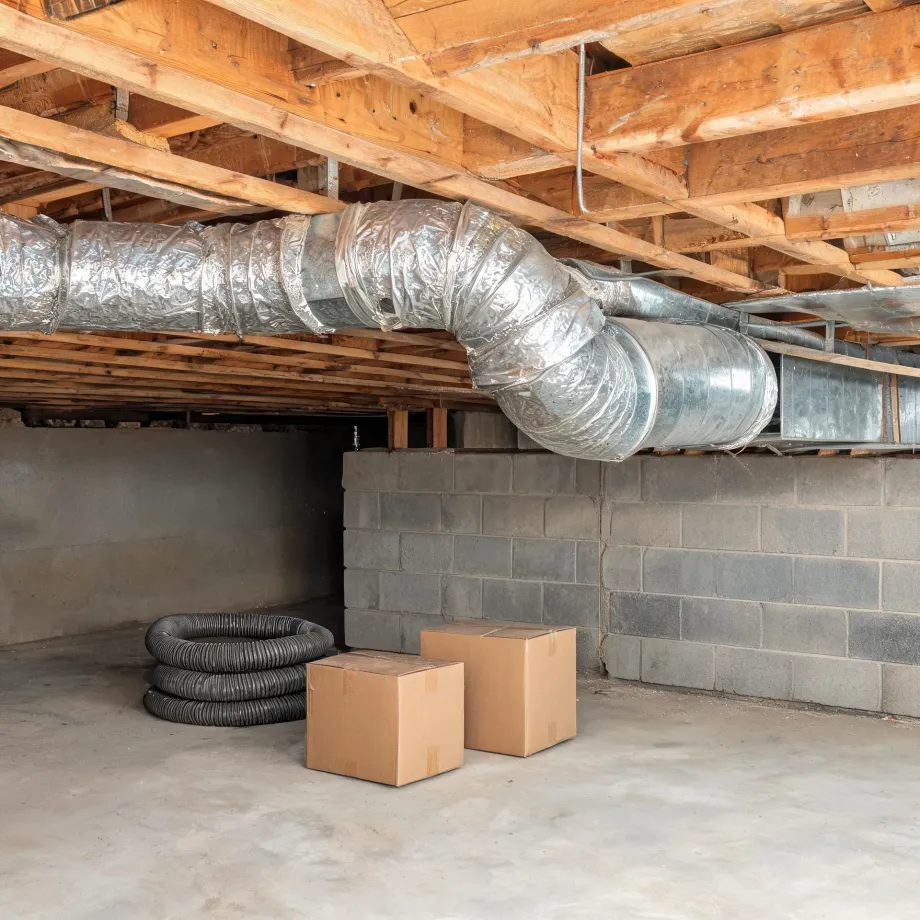
Furnace stock this old tends to have been through several equipment swaps, and each swap leaves its own layer of decisions behind the access panel. Half the homes in Pike County, Missouri were built in 1971 or earlier (2020-2024 ACS 5-year). That history matters at the repair stage because the system a contractor opens may be drawing on a parts supply that has thinned out considerably. A heat exchanger or burner assembly in a furnace serving a house this vintage can require components that take time to source, and sometimes cannot be sourced at all, which changes what a contractor quotes before the job is done.
The Parts of a Furnace a Contractor Checks First
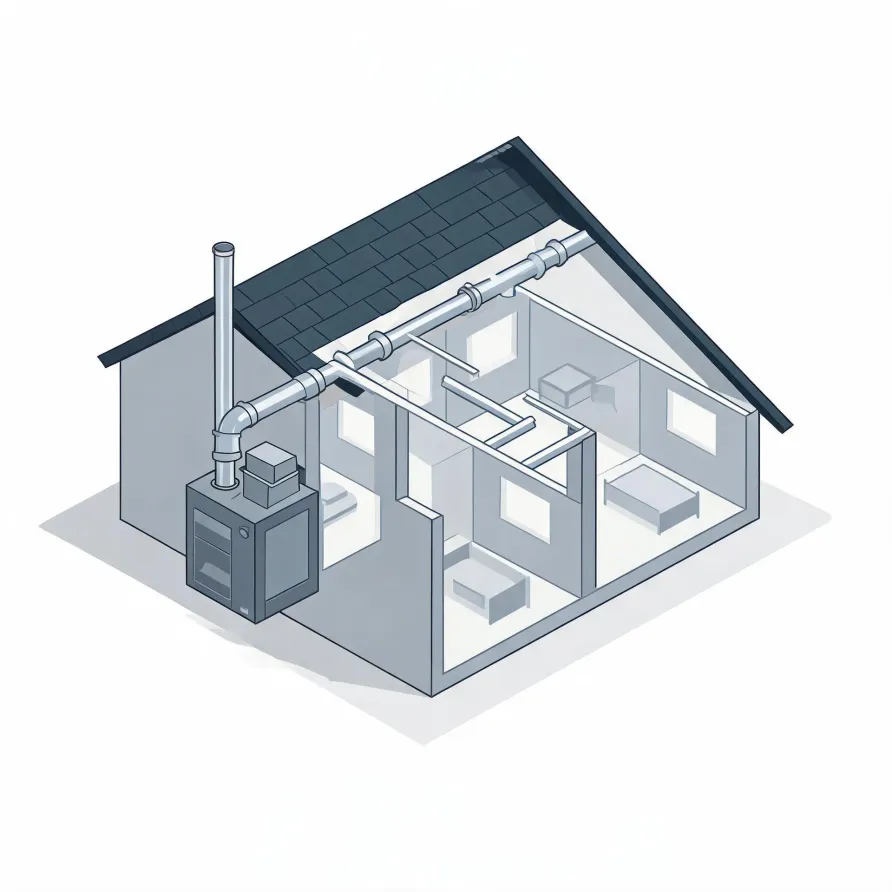
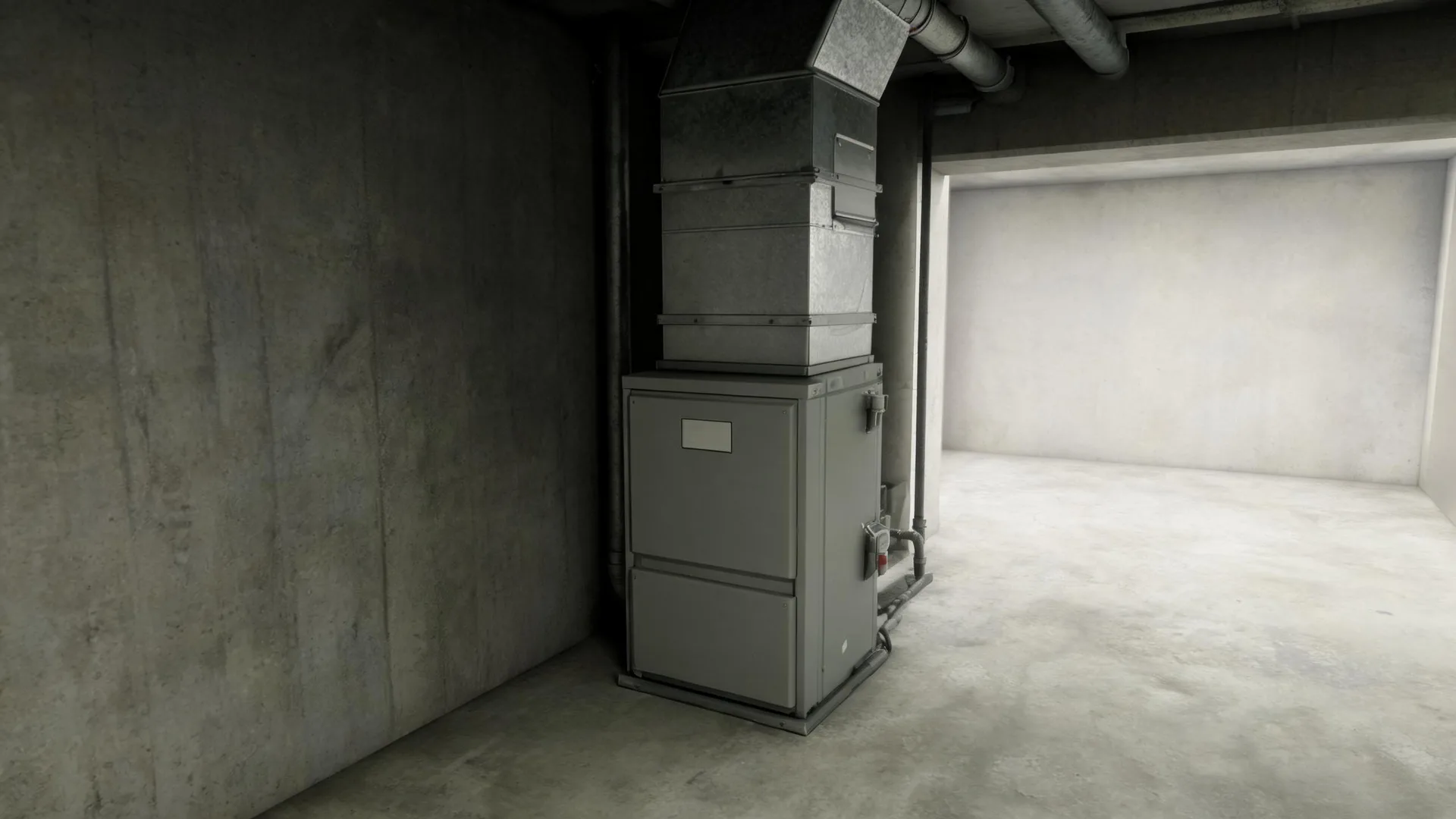
The furnace itself sits in a utility area, basement, or closet and is the piece a contractor reaches first when something goes wrong. Inside it, the heat exchanger and burner assembly are the usual suspects in a repair call. A cracked heat exchanger or a burner that won't fire reliably stops the system from producing heat at all.
The blower motor pushes conditioned air into the duct system and sits inside the furnace cabinet. The flue or vent pipe runs from the furnace to an exterior wall or up through the roof, carrying combustion gases out. The thermostat on the interior wall controls the whole sequence, and a fault there can look like a furnace problem when the furnace itself is fine.
The drawing shows a general layout of these components, and a licensed contractor determines which of them apply and what condition they are in for your specific house.
Find a contractor in Pike CountyPike County, Missouri, by the numbers
56 severe weather events were recorded in Pike County, Missouri between 2015 and 2024.
NOAA National Centers for Environmental Information, Storm Events Database, bulk CSV export, events 2015-01-01 through 2024-12-31.Half the homes in Pike County, Missouri were built in 1971 or earlier (2020-2024 ACS 5-year).
U.S. Census Bureau, 2020-2024 American Community Survey 5-Year EstimatesPike County, Missouri holds 7,620 housing units (2020-2024 ACS 5-year).
U.S. Census Bureau, 2020-2024 American Community Survey 5-Year EstimatesOwners occupy 73.3% of the occupied homes in Pike County, Missouri (2020-2024 ACS 5-year).
U.S. Census Bureau, 2020-2024 American Community Survey 5-Year EstimatesCodes & Standards Governing Furnace Repair in Pike County, Missouri4 sourced rules and standards
What Happens When a Contractor Comes Out
Non-weatherized gas furnaces manufactured on or after November 19, 2015 must reach 80.0 percent AFUE.
Non-weatherized oil-fired furnaces manufactured on or after November 19, 2015 must reach 83.0 percent AFUE.
Mobile home gas furnaces manufactured on or after November 19, 2015 must reach 80.0 percent AFUE.
Non-weatherized gas furnaces manufactured on or after December 18, 2028 must reach 95.0 percent AFUE, up from the 80.0 percent minimum that applies to units manufactured before that date.
Severe Weather Events in Pike County
Extreme weather puts real strain on furnace systems, pushing them to run harder and longer than ordinary conditions demand. How much of that strain a furnace in Pike County absorbs is a local question, and it shapes how often repair work becomes necessary.
56 severe weather events, 2015–2024. Source: NOAA National Centers for Environmental Information, Storm Events Database.