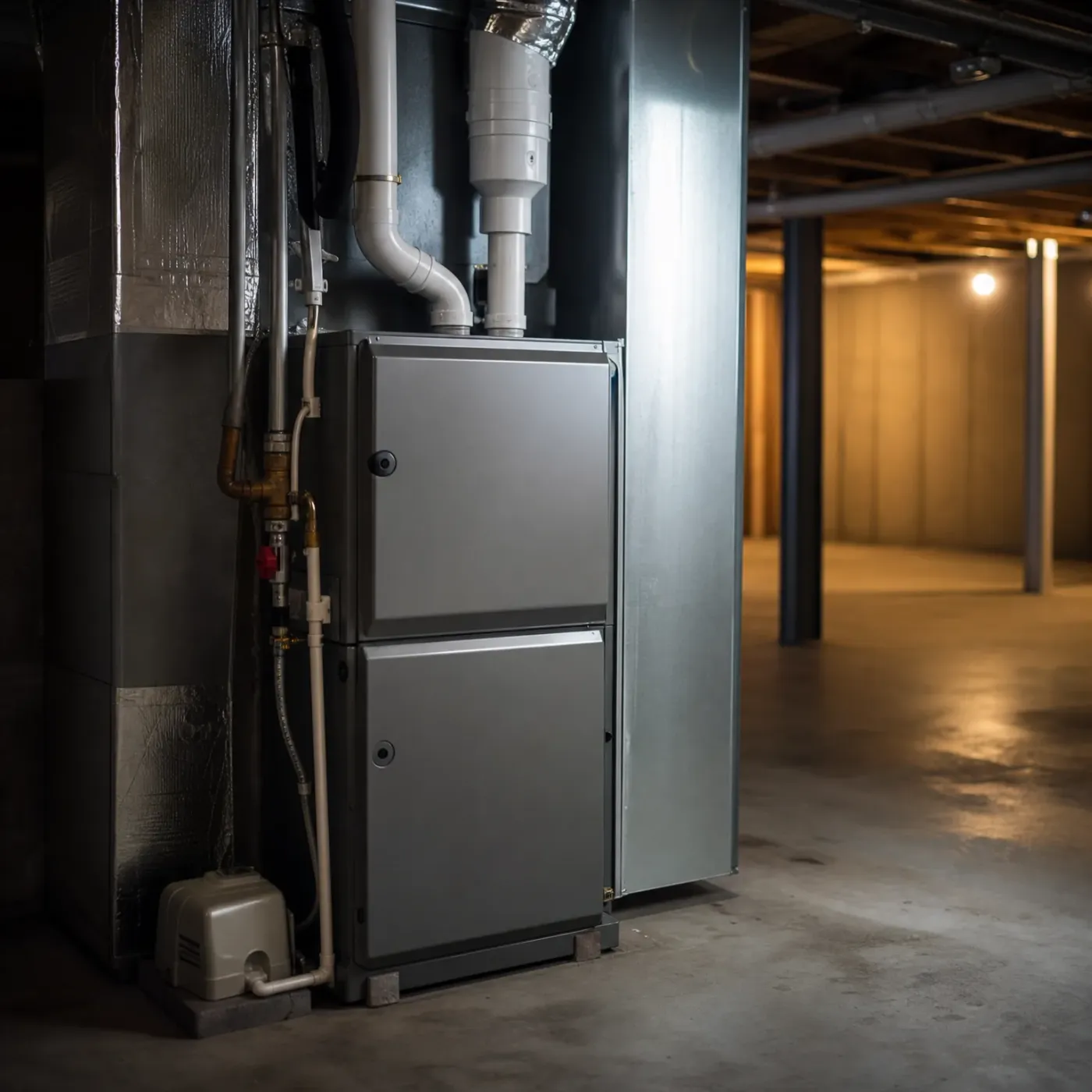
A gray high-efficiency furnace with PVC venting, copper and plastic piping, and a condensate pump sits beside sheet-metal ductwork in a concrete-floored basement.

Get your furnace to the right pro

Furnace pilot light won't stay lit in Washington, MO

A pilot light that won't stay lit usually means the thermocouple has worn out, though a draft or a dirty orifice can cause it too. This page gets into why it happens and what it takes to fix for good. A licensed furnace contractor near Washington can look at your specific unit and tell you which it is.

Find a furnace pro

A pilot light that won't stay lit almost always comes down to the thermocouple, the small sensor that sits in the flame and tells the gas valve it's safe to stay open. Once it wears out, it stops reading the flame correctly and the valve shuts the gas off within seconds of your lighting it, even though the flame looks fine. Less often the cause is a draft from a nearby vent or door pushing the flame off the sensor, or an orifice so dirty the flame burns too small to register. None of these clear up on their own, and relighting it over and over just gets you a few more hours of heat before it goes out again. With Franklin County winters running cold for months, a furnace that can't hold its pilot is one you can't count on overnight. It needs a furnace technician to find which of these it is and replace or adjust the part.

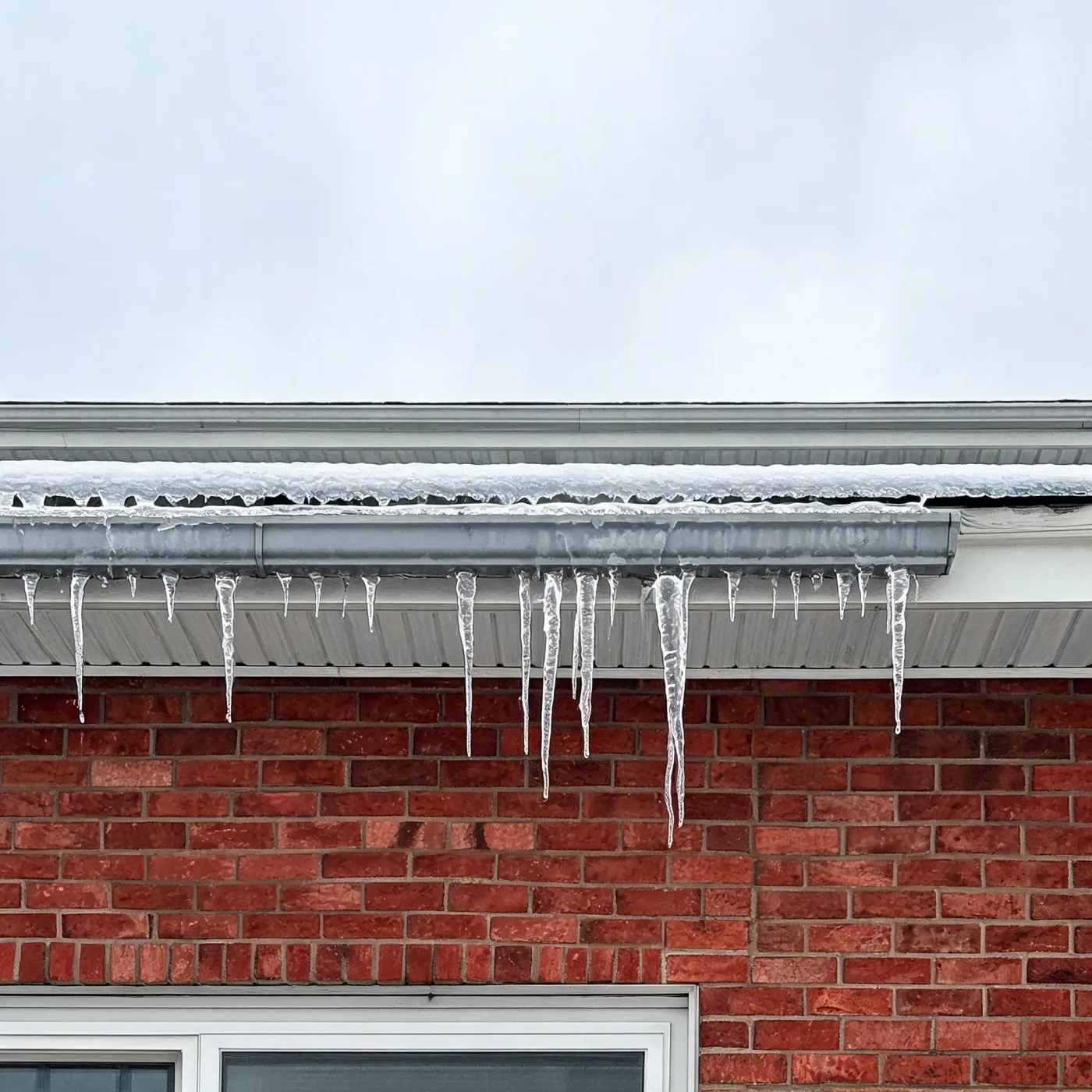
Icicles hang from a snow-covered gutter along the eave of a red brick house, with a white soffit and the top of a window below against an overcast sky.

Winter nights around Washington average 24°F, according to NOAA climate data for Franklin County. At that temperature your furnace is running long stretches to keep the house warm, and a pilot light that won't hold means it's cycling off right when it's needed most. You'll notice the house losing warmth overnight, the air near the vents turning cool by morning, and the furnace trying to relight on its own over and over. A thermocouple that's failing shows itself fastest on the coldest nights, since that's when the burner has to stay lit the longest.

NOAA nClimDiv 1991-2020

Why does your pilot keep going out on you

You turn the knob, hold it, light the pilot, and it catches. Let go and within a few seconds or minutes it's dark again. Maybe you've gotten it to hold a few times by holding the knob down longer, only for it to quit again by morning. You might notice the flame looks thin or yellow instead of a steady blue before it dies. Each time it goes out, the furnace stops sending heat through the house until someone relights it. With nights near 24°F, a furnace that keeps dropping its pilot can't keep up, and a house that loses heat overnight gets cold fast and stays that way until the pilot's lit again.

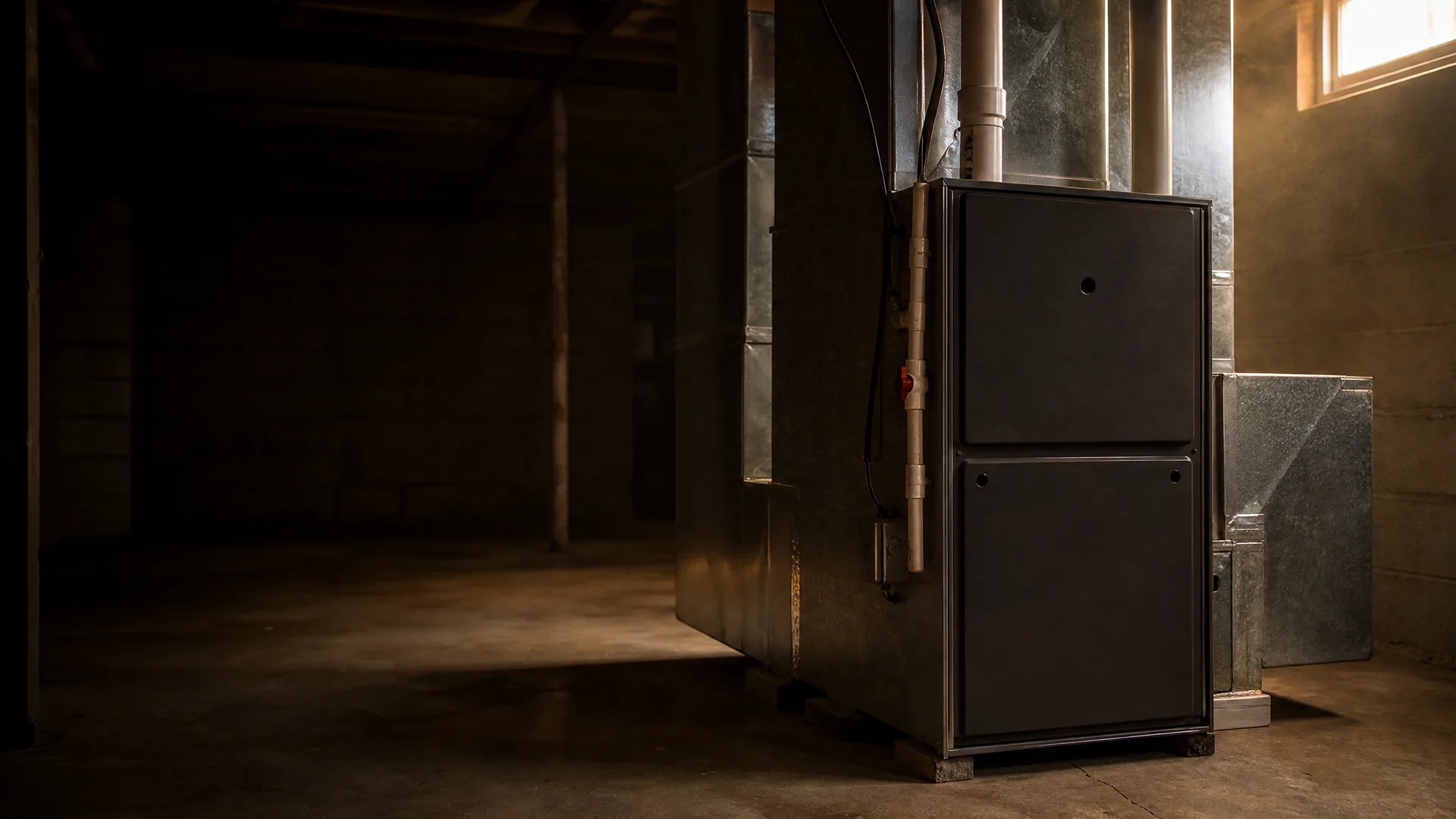
A dark residential basement with a concrete floor and block walls, containing a furnace with two access panels connected to galvanized sheet-metal ductwork and a white vent pipe, lit by a small window at upper right.

You're down in the basement a little after six, and it's already full dark outside. The furnace sits quiet along the wall, no hum, no warmth coming off it, just the small smell of gas from the last time you tried the pilot. A bit of dust hangs in the beam of your flashlight where you've had the access panel off. You strike the igniter again, watch the flame catch and curl blue around the thermocouple, and hold the knob down the way you always do. You count it out. You let go. Dark again, and the house is still 24 degrees colder than you want it tonight. You leave the panel leaning against the wall and go back upstairs for another blanket, figuring someone who does this for a living in Franklin County would know in a minute what you've been guessing at for twenty.

Find a furnace repair pro in Franklin County

Only one pro gets your request, so you hear from one company.

Asking costs nothing, and the choice to hire stays yours.

Relighting it yourself

You can hold the knob down, light the pilot, and get heat for a while. Some homeowners do this every night for a week before calling anyone. It costs nothing but time, and it works until the thermocouple drops below the point where it can still hold the valve open. The trouble is you can't see that point coming. One night it holds for ten minutes, the next it holds for three, and eventually it won't hold at all. You're also down in the basement in the cold each time, striking a match near a gas valve that isn't shutting off the way it should.

Having it replaced

A thermocouple runs a few dollars, but a furnace contractor who works on these every week will check the orifice and the draft while it's open, so you're not back down there in a month for the same problem. The part itself takes only a few minutes to swap once the furnace is apart. Having someone local who knows the common failure points on your model means the diagnosis is faster than guessing at home, and the furnace stays lit through the cold nights instead of going dark when you're not there to catch it.

How much does a furnace that won't stay lit cost you here

  • Winter nights average 24°F

    Nights average 24°F here in winter, so a furnace that keeps cutting out is losing ground fast, not just flickering on a mild evening.

  • Heat runs October through April

    Seven months of heat means a thermocouple that's starting to fail gets worked hard and worn out long before the season's over.

  • 67.6% of homes heat with electricity

    Most homes here run on electric heat, so a gas furnace with a bad thermocouple is often the one appliance in the house that can leave a room cold.

NOAA nClimDiv 1991-2020 · ACS 2020-2024

A woman stands in the open doorway of a white stucco house holding the dark door, facing a man in a black cap and shirt seen from behind in the blurred foreground, with a potted flowering plant beside the entry.

A thermocouple is a small fix for a cold house

A pilot that won't hold is almost always the thermocouple, worn past the point where it can tell the gas valve the flame is real. That part gets swapped out, the valve stays open, the pilot holds, and the furnace runs the way it's supposed to. Nothing about this is a mystery once someone's looked at it in person.

A furnace contractor near Washington who works on these units through the winter has seen this exact failure plenty of times and knows what to check first. Getting matched with one means a single contractor reaching out to you directly, someone local who can look at your pilot assembly and tell you straight what it needs, instead of you relighting it night after night hoping it sticks.

A gray upholstered sofa with a beige cushion and knit blanket beside a curtained window, with a white mug and a book on a dark wooden table in the foreground and a lit lamp in the background.
A woman with wavy blonde hair wearing a grey knit cardigan over a green top sits on a sofa in a living room, looking off to the side.
A woman with long brown hair in a cream knit sweater sits on a light sofa in a living room, looking toward a window with sunlight on her face.
A woman in a gray sweater sits in a chair in a living room with a dark sofa, wooden coffee table with a potted plant, and a staircase behind her, looking toward a window.
A smiling woman with dark hair in an updo, wearing a gray ribbed turtleneck sweater, sits on a light sofa in a living room and looks off to the side.

Furnace Repair

The right pro for this job

A licensed pro who works in Franklin County gets your request.

A black-framed smartphone standing upright against a plain light gray background, its screen filled with solid green.
Step 1 of 3: Equipment