Tell us about the job
Takes about a minute. No obligation.
Sizing a furnace for Marion County starts with understanding how much the burner and ignition system actually run. Homes in Marion County, MO run heat about seven months a year, from October through April. A contractor quoting a new installation has to calculate the load against that full heating season, because a system that is even slightly undersized will short-cycle or run continuously, putting the heat exchanger under stress it was not rated to absorb at that pace. Poor duct sealing compounds the same problem. A correctly sized, properly installed furnace distributes that load the way the equipment was built to handle it.
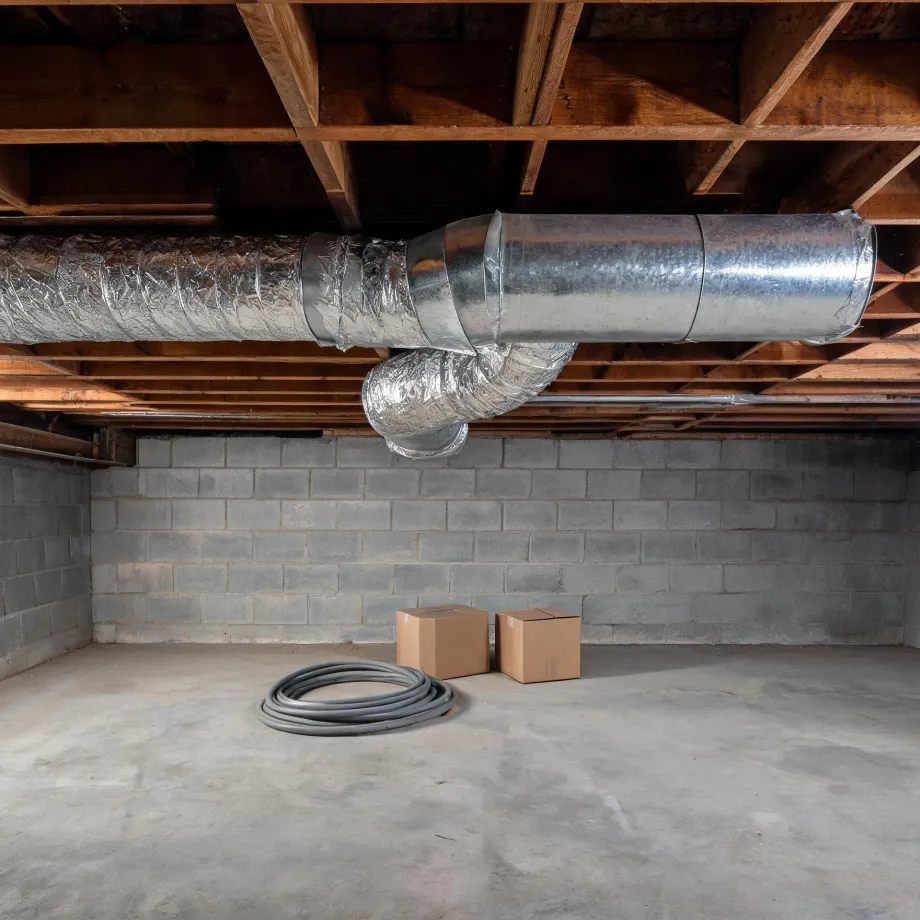
Ductwork laid out for whatever heating system came first in these houses is what a contractor has to size up before a new furnace can be priced or ordered. Half the homes in Marion County, Missouri were built in 1971 or earlier (2020-2024 ACS 5-year). That depth of housing stock means the ducts running through the walls and floors were configured around equipment that is no longer in them, and a new furnace has to be matched against what those ducts can actually move. The electrical supply gets the same look. If the existing runs cannot carry the job, that gets settled before the unit ships.
What Gets Installed With a New Furnace
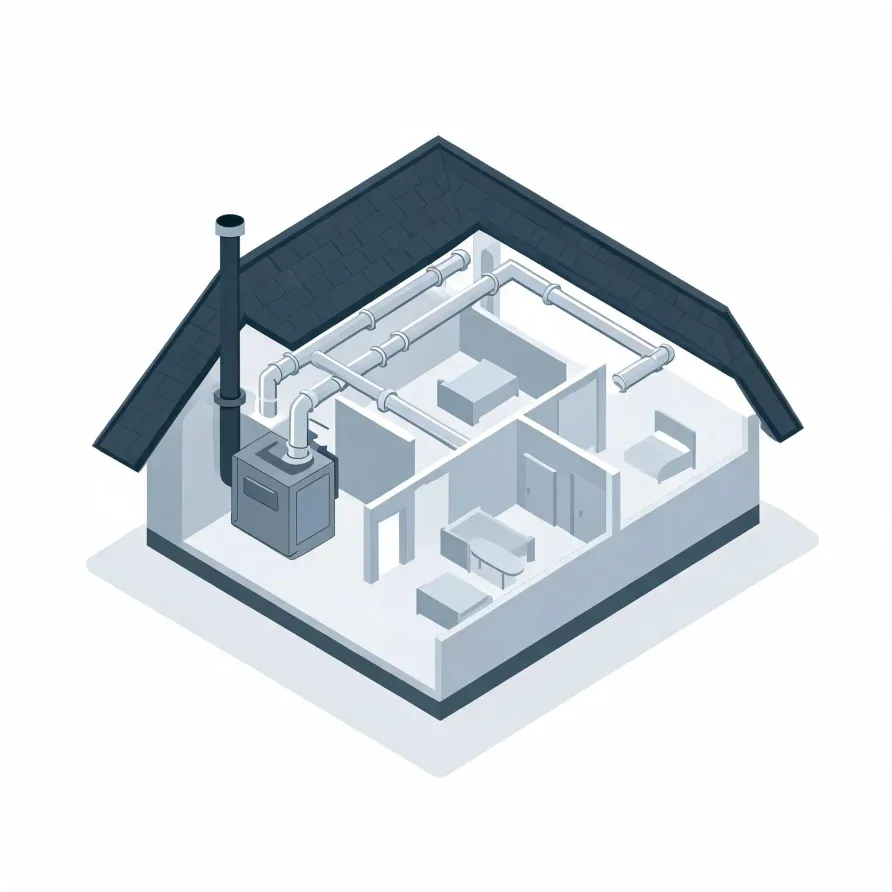
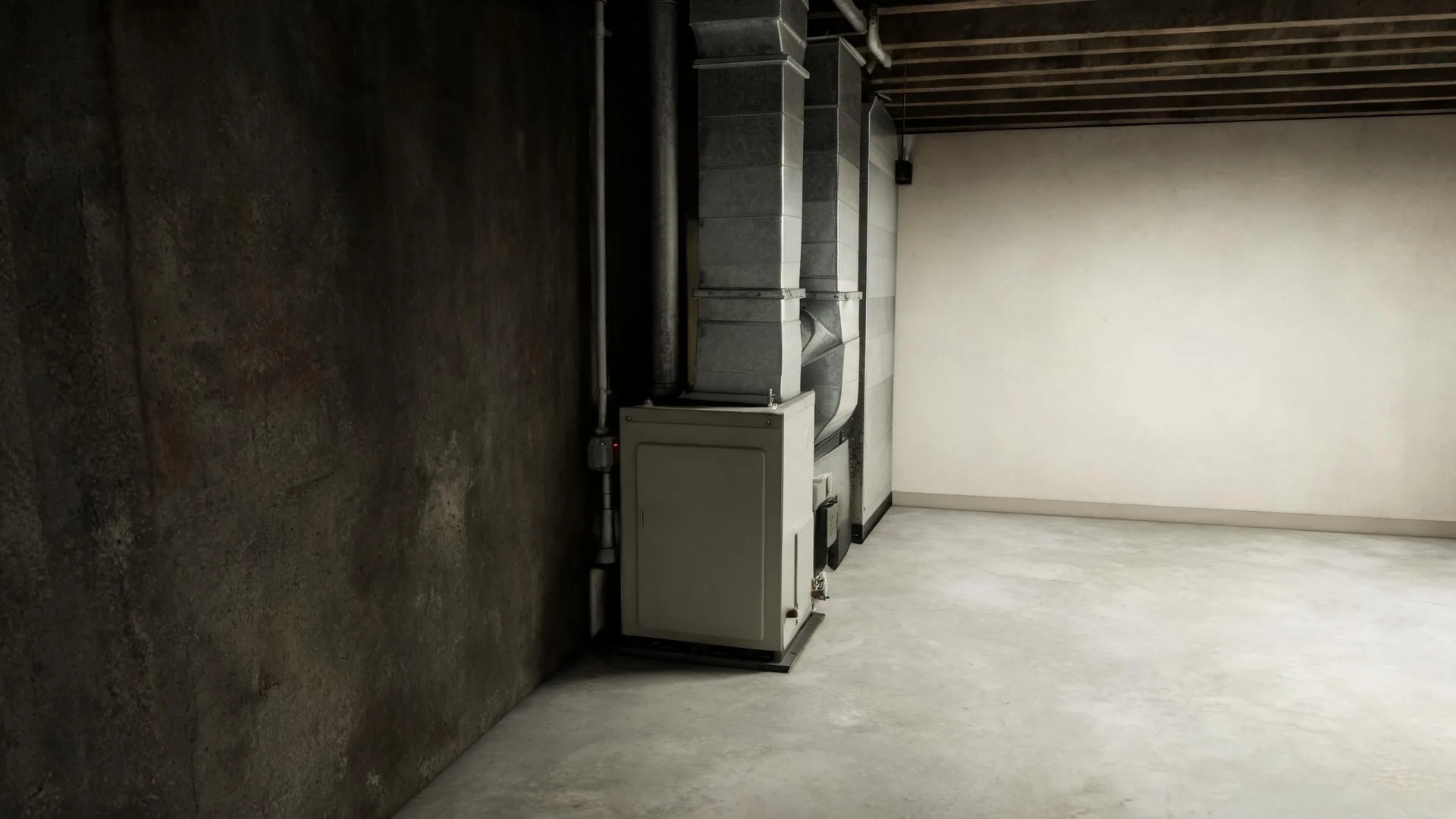
The furnace itself sits in the basement, utility room, or mechanical closet and is the unit a homeowner is most likely to have seen before. A contractor sets it on a level surface, connects it to the gas supply line, and ties it into the existing duct openings. The heat exchanger lives inside that cabinet, separating combustion gases from the air that moves through the house.
The flue pipe runs from the furnace up and out of the house, carrying exhaust gases away from the living space. The thermostat mounts on an interior wall and is the control point for the whole system. A contractor also connects the furnace to the air handler or blower section if that component is being replaced alongside it.
The drawing shows a typical layout, and a licensed contractor determines exactly what applies to this house.
Get matched in Marion CountyMarion County, Missouri, by the numbers
66 severe weather events were recorded in Marion County, Missouri between 2015 and 2024.
NOAA National Centers for Environmental Information, Storm Events Database, bulk CSV export, events 2015-01-01 through 2024-12-31.Half the homes in Marion County, Missouri were built in 1971 or earlier (2020-2024 ACS 5-year).
U.S. Census Bureau, 2020-2024 American Community Survey 5-Year EstimatesMarion County, Missouri holds 12,917 housing units (2020-2024 ACS 5-year).
U.S. Census Bureau, 2020-2024 American Community Survey 5-Year EstimatesOwners occupy 69.3% of the occupied homes in Marion County, Missouri (2020-2024 ACS 5-year).
U.S. Census Bureau, 2020-2024 American Community Survey 5-Year EstimatesFurnace Installation Rules for Marion County, Missouri4 codes, standards, and laws
What happens during an HVAC installation in Marion County
Non-weatherized gas furnaces manufactured on or after November 19, 2015 must reach 80.0 percent AFUE.
Non-weatherized oil-fired furnaces manufactured on or after November 19, 2015 must reach 83.0 percent AFUE.
Mobile home gas furnaces manufactured on or after November 19, 2015 must reach 80.0 percent AFUE.
Non-weatherized gas furnaces manufactured on or after December 18, 2028 must reach 95.0 percent AFUE, up from the 80.0 percent minimum that applies to units manufactured before that date.
Severe Weather Events in Marion County
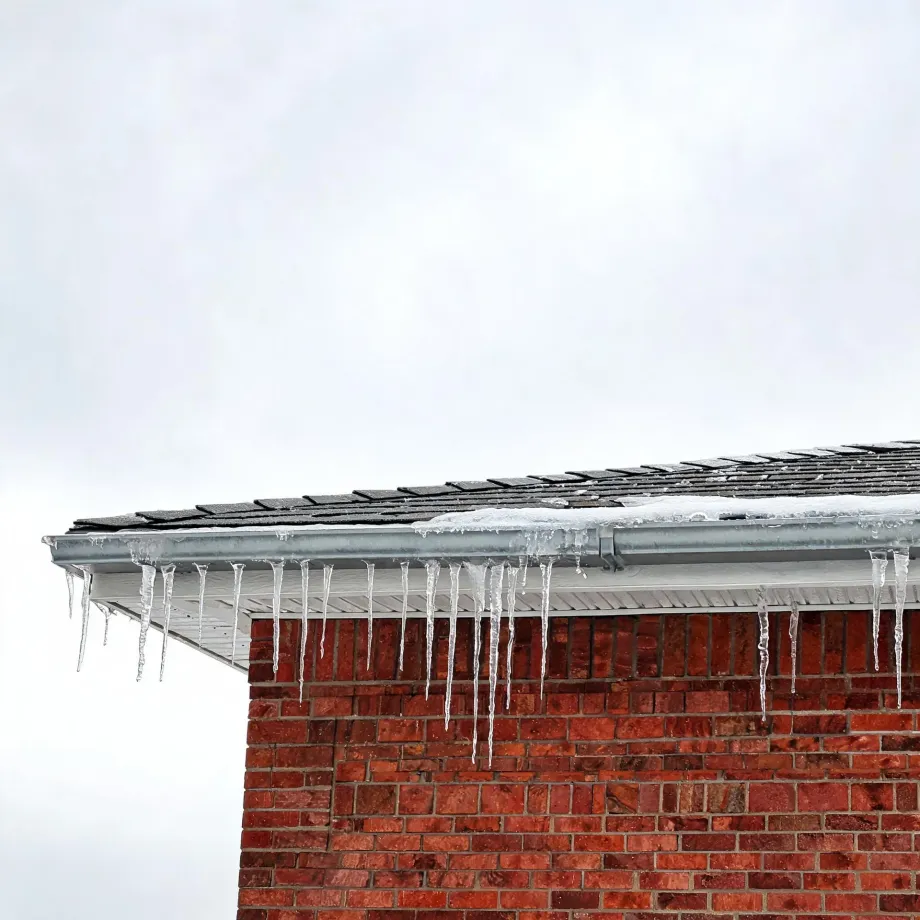
Weather in Marion County puts real hours on heating equipment. A furnace that carries a heavy load through hard winters ages differently than one that does not, and that shapes what a contractor specifies at install time.
66 severe weather events, 2015–2024. Source: NOAA National Centers for Environmental Information, Storm Events Database.