Profile view of a bearded man wearing a black baseball cap and a dark gray T-shirt against a plain light background.

Why your furnace ignitor keeps failing in Missouri

Step 1 of 3: Equipment

Why does my furnace ignitor keep failing in Missouri?

A new ignitor just cracked or stopped glowing, and this isn't the first time. You're wondering if you got a bad part, or if something in your furnace is working against it every time it's replaced.

Most likely a power or airflow problem, not a bad ignitor

A silicon nitride ignitor is a thin strip that can take a few hundred cycles before it's fragile. What kills it early is usually something else making it work harder than it should. A dirty flame sensor or a clogged filter can force the furnace to cycle on and off more than normal, and each cycle heats and cools that strip again. A loose wire or the wrong voltage reaching it does the same kind of damage faster. With gas heat running hard through a Missouri winter, a furnace that short cycles might put an ignitor through that stress every day for months. Replacing the part without finding what's straining it usually means doing this again by next winter.

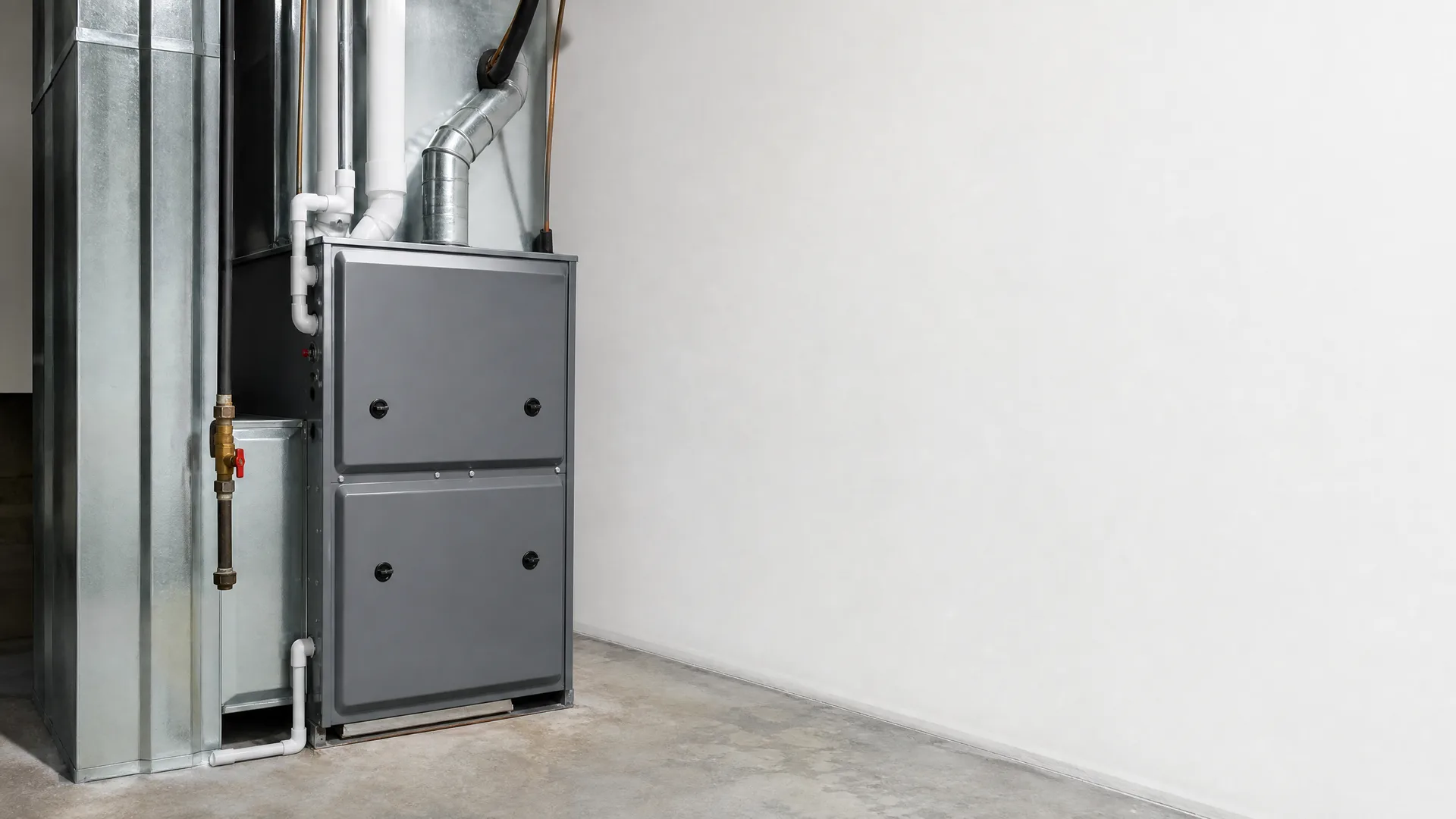
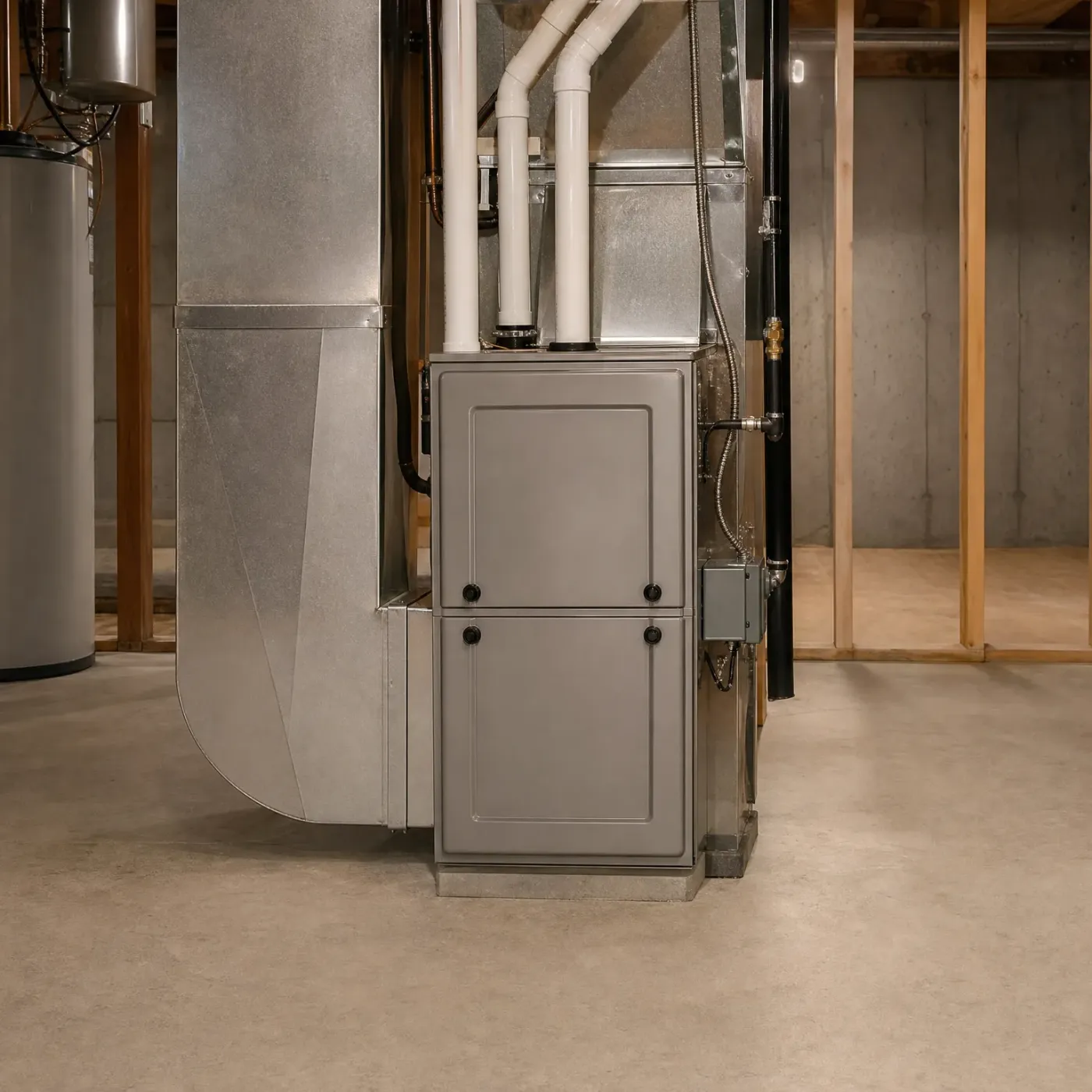
A gray high-efficiency furnace stands on a concrete basement floor beside galvanized sheet-metal ductwork, white PVC vent pipes, copper and black piping, and unfinished wood stud framing.

Ignitor Holding Up

The furnace cycles on, the ignitor glows steady, and the burners light on the first try. No scorch marks around the element, no hesitation before ignition. A furnace running right this way isn't fighting bad voltage or a cracked flame sensor, it's just doing its job through another Missouri winter.
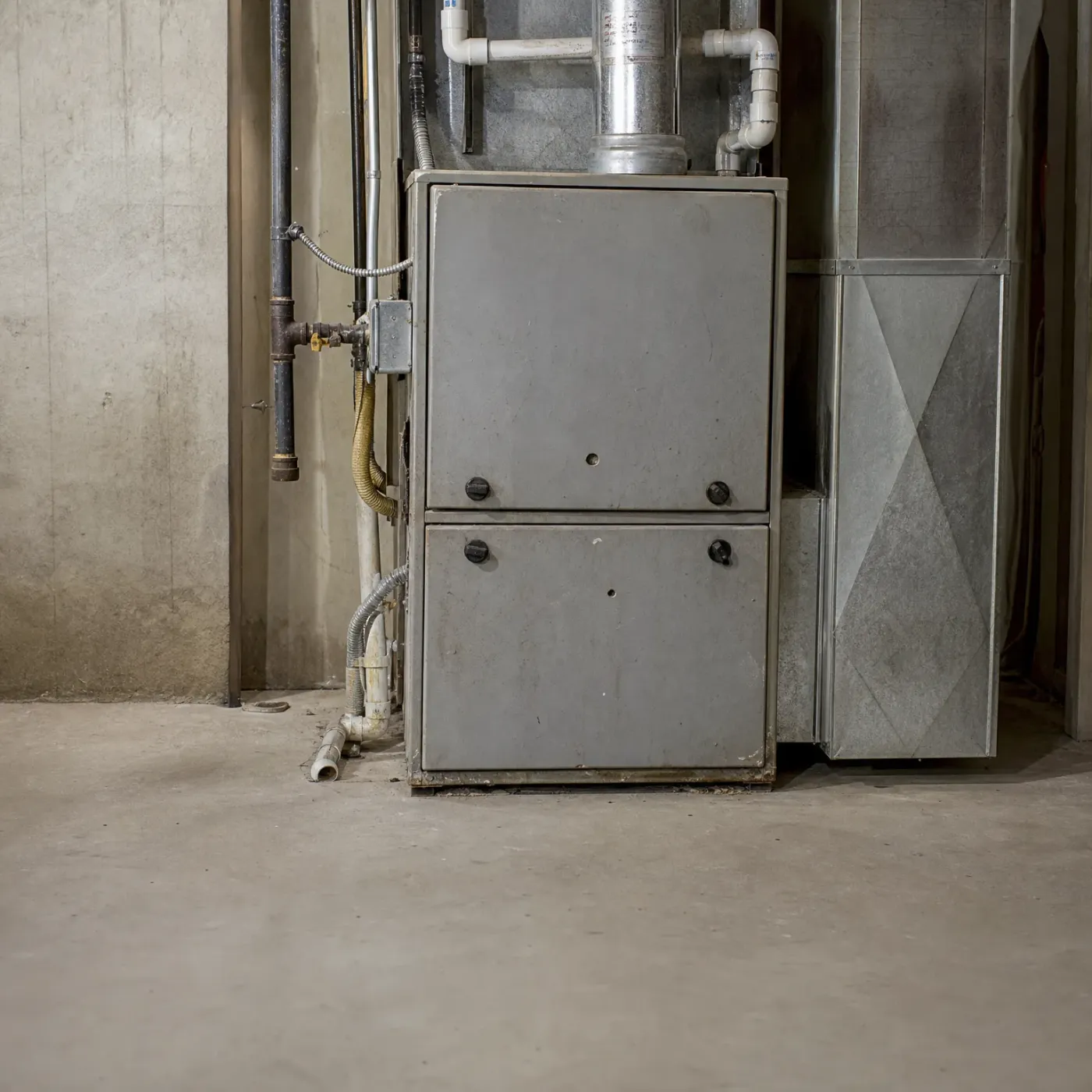
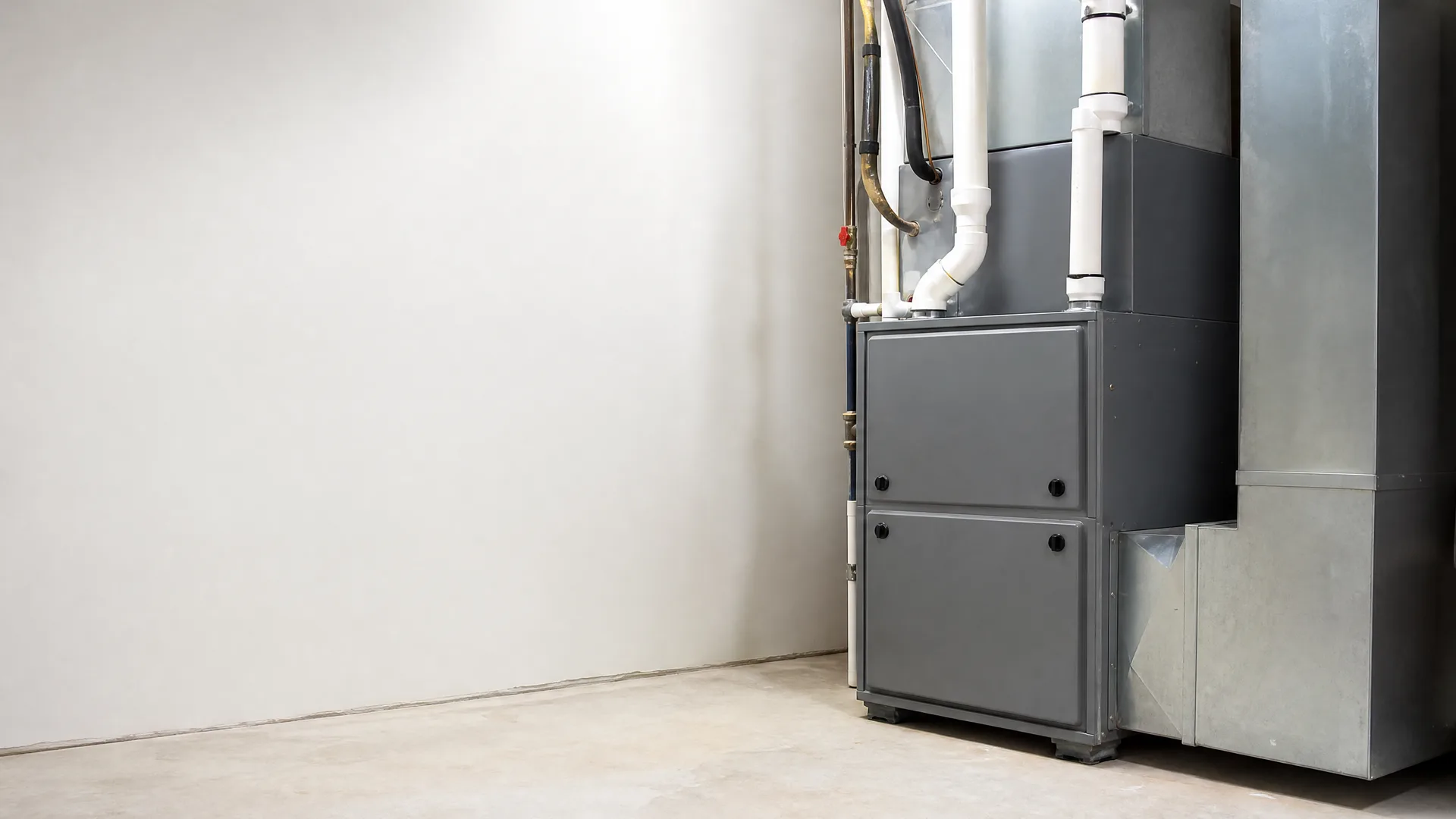
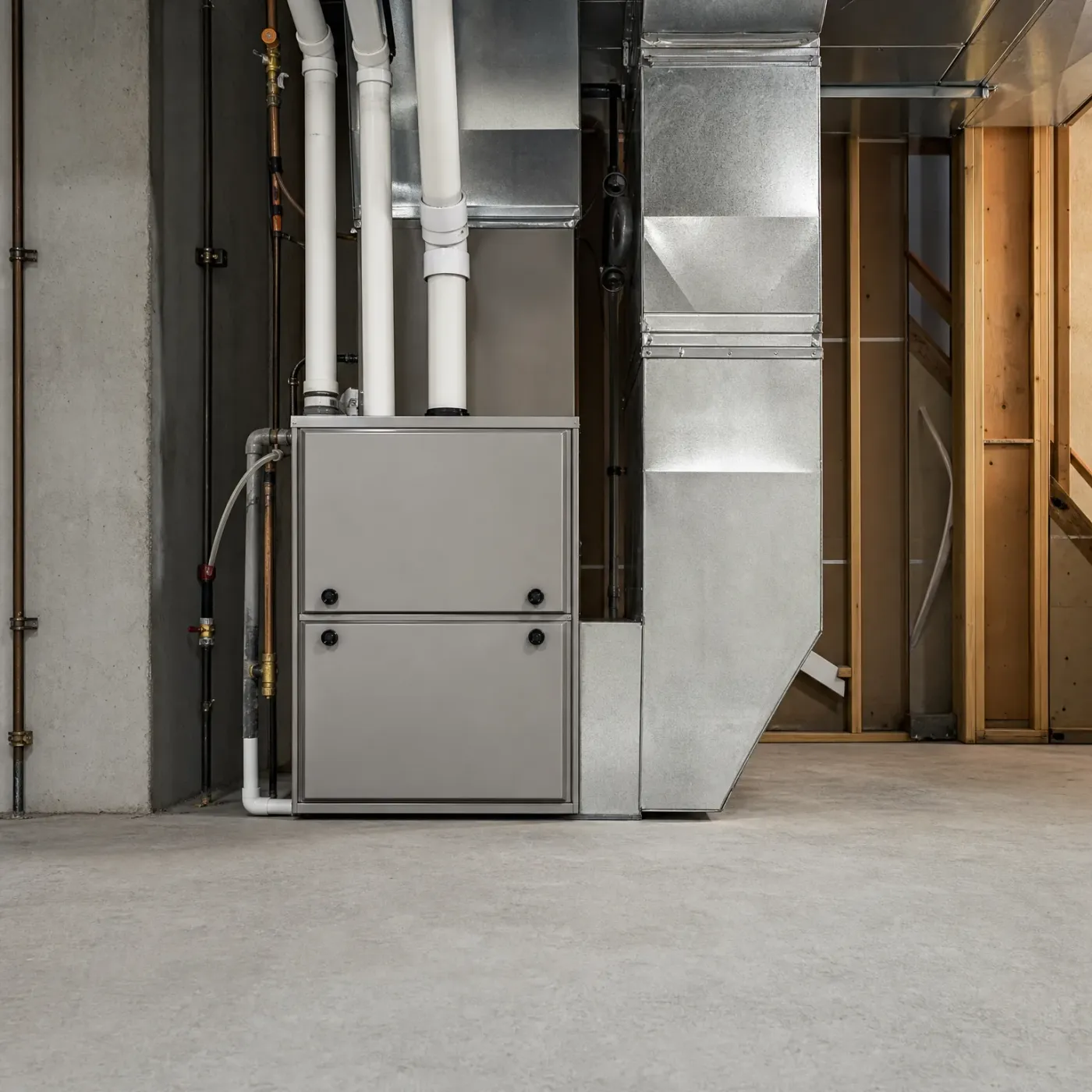
A gray furnace with two access panels stands on a concrete basement floor beside sheet-metal ductwork, with pipes, flexible conduit and an electrical box on the concrete wall to the left.

Ignitor Failing Again

The panel's off, and this ignitor already looks tired, maybe it's cracked, maybe it never glowed right the last time it fired. If this is the second or third one in a short span, something upstream, like the flame sensor or the control board, is likely putting it under more strain than it should take.

Why does this keep happening right after a cold snap?

You replace the ignitor, it works fine for a while, then it fails again during a hard freeze or right after the furnace has been running nonstop for days. You might notice the furnace clicking and trying to light without catching, or short cycling where it starts then shuts off within a minute. Sometimes there's a faint burning smell the first time it fires after sitting unused. If this keeps happening, the furnace is working harder to heat the house each time it tries, and a furnace that won't reliably light leaves you without heat exactly when you need it most, on the coldest nights of the year.

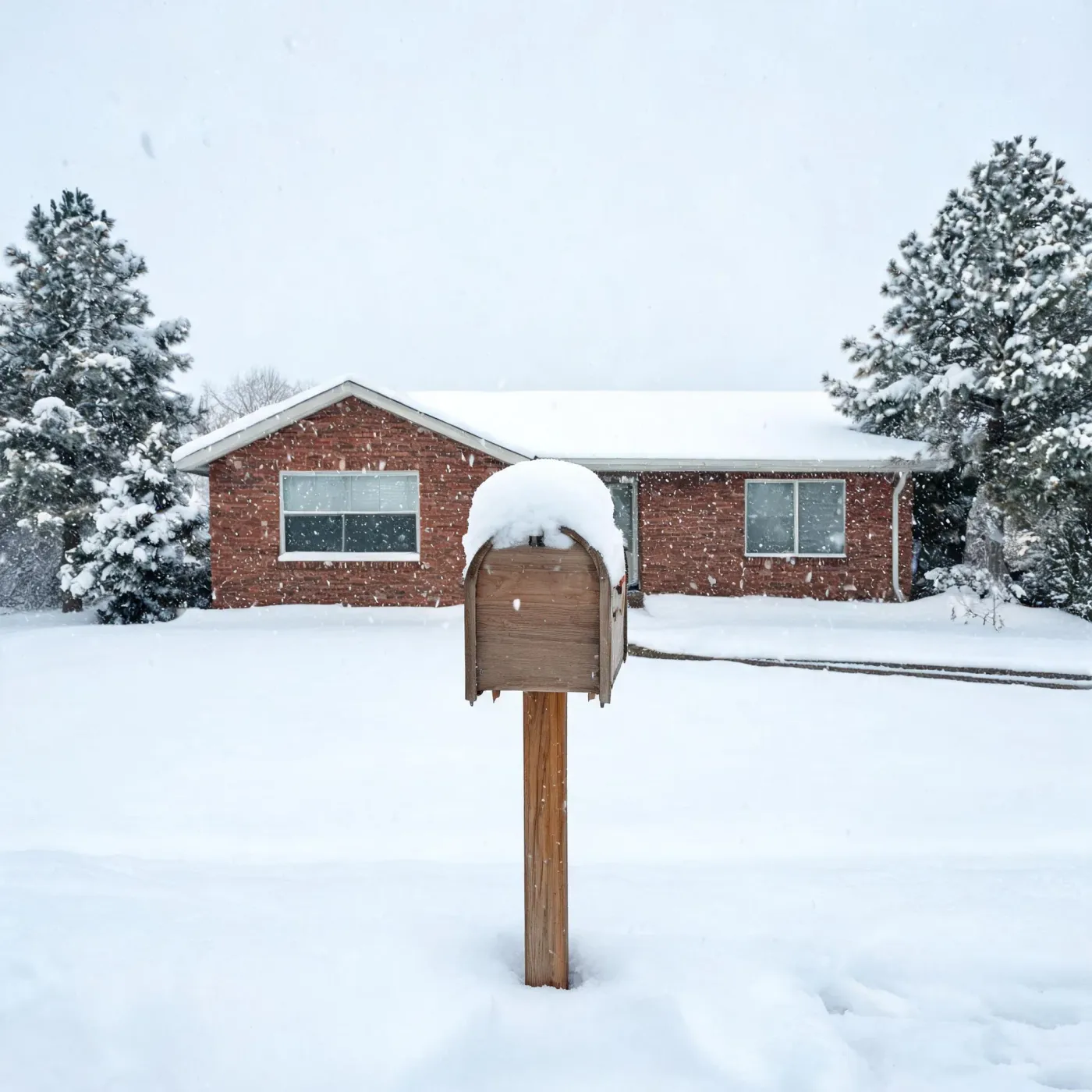
A wooden mailbox on a post topped with a thick layer of snow stands in a snow-covered yard in front of a single-story brick house with a snowy roof, flanked by snow-laden evergreen trees during falling snow.

Winter nights average 25°F across Missouri, according to NOAA climate data. That kind of cold means your furnace is firing up several times an hour, all night, every night, for weeks at a stretch. Each cycle asks the ignitor to heat up and cool down again. A silicon nitride ignitor is only built for so many of those cycles before the element gets brittle and cracks. More cold nights mean more cycles, and more cycles mean the ignitor you just replaced is already working toward its next failure. You'll notice it as a furnace that takes longer to catch, or clicks a few times before the burners light.

NOAA nClimDiv 1991-2020 county normals weighted by homes

A woman with shoulder-length brown hair wearing a beige knit cardigan sits in a gray upholstered armchair near a window, looking off to the side with a slight smile, with bookshelves blurred in the background.
A woman and a sleeping child wrapped together in a cream knitted blanket on a couch, with a potted plant, framed photo and lit lamp in the background.

The ignitor is a thin strip of silicon nitride. When the control board calls for heat, full current hits it at once. There's no gradual warm-up, so that strip takes a jolt every single cycle. It usually cracks at the narrowest point, where the material is thinnest and the heat has nowhere to spread. A furnace that short-cycles puts the ignitor through this more times an hour than one that runs in longer stretches, so the part simply logs more cycles in the same winter. Dust sitting on the element does something similar. It doesn't block the flame, but it raises the surface temperature a little each time the furnace fires, and that adds up over months of cold weather. An ignitor that draws more current than the furnace calls for runs hot on every cycle, not just the rough ones. None of this shows up as a warning sign. A cracked ignitor keeps glowing like normal right up until the moment it doesn't.

How an ignitor actually fails

  • A silicon nitride ignitor draws current the moment the control board calls for heat, with no slow warm-up built in.
  • Most failures happen at the thin bridge of material where the element is weakest and heat concentrates fastest.
  • A furnace that short-cycles makes the ignitor heat and cool more times per hour than one that runs longer, steadier stretches.
  • Dust or lint on the element raises its surface temperature slightly on every light, and that adds up over hundreds of cycles.
  • An ignitor rated for the wrong current draw will run hotter than it should on every single cycle, not just some.
  • A cracked ignitor usually still glows right up until the moment it fails, so there's no warning before it goes.
A man with grey hair and stubble in a dark sweater sits on a grey sofa indoors, looking off to the side, with a potted plant and a sunlit window behind him.
A man with gray hair, a beard and glasses, wearing a dark green sweater, sits on a gray sofa in a sunlit living room with a potted plant, table lamp and wooden sideboard behind him.
A middle-aged man with graying hair and a short beard sits on a blue sofa in a living room, looking toward a window, with a bookshelf, lamp and framed picture in the background.
A man with graying curly hair and a dark green sweater sits on a gray sofa in a sunlit living room, looking off to the side, with a framed picture, shelving, an armchair and a window with sheer curtains behind him.

A local pro for your furnace repair

Your request goes to one pro, not a list of companies.

It costs nothing to send, and you don't have to hire anyone.

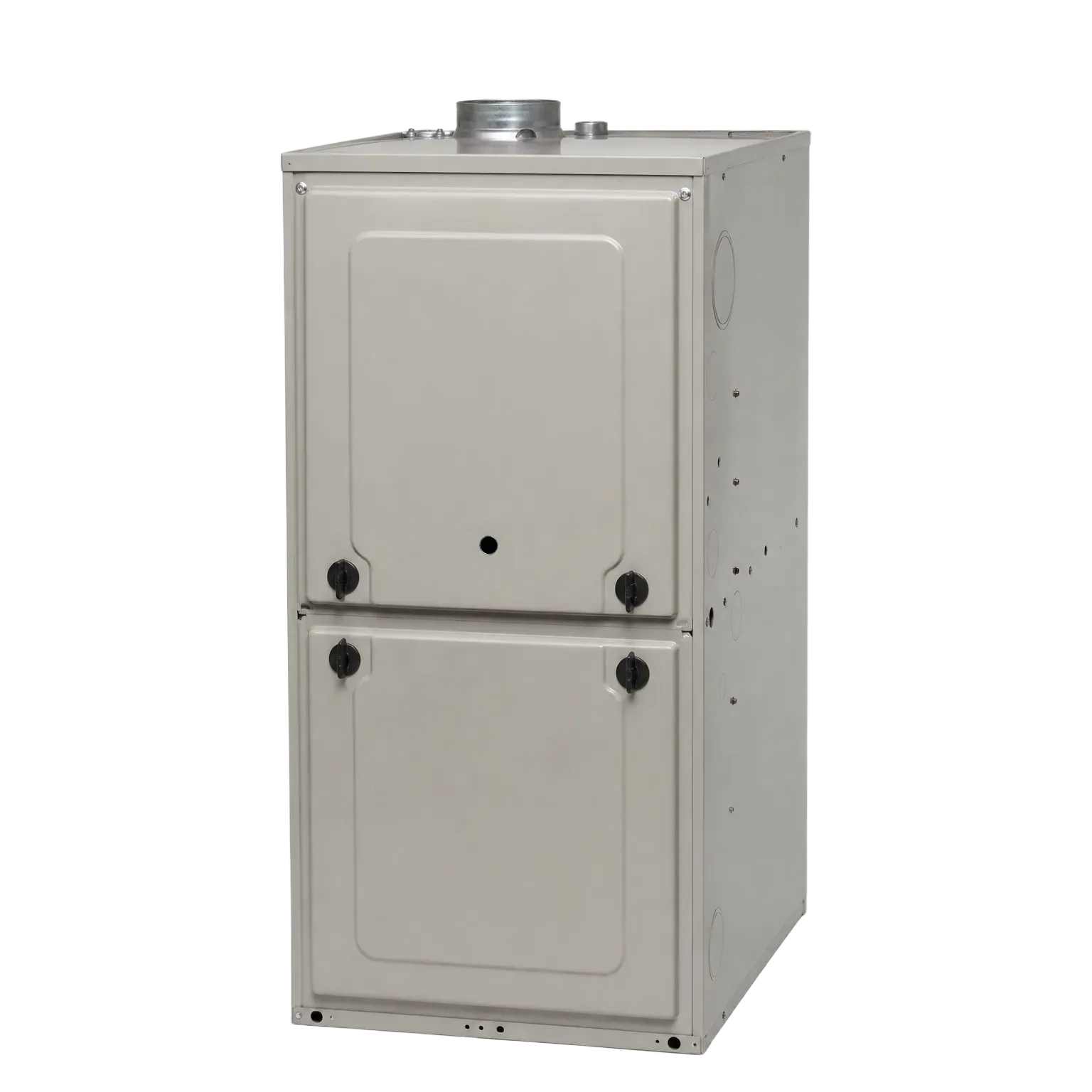
A gray residential furnace with two panel doors stands against a plain light wall in a concrete-floored room, connected to metal ductwork and white and copper pipes.

Current spikes before the glow

A silicon nitride ignitor doesn't ease into the job. The moment the control board calls for heat, it pulls close to full current right away, and the element jumps to ignition temperature in under a minute. That jump in temperature is what lights the burners fast, but it's also what stresses the material. An ignitor rated for a slow climb would last longer. This one isn't built that way, and no furnace ignitor is.

A gray high-efficiency furnace with white PVC venting pipes stands against a plain wall in a basement, connected to sheet-metal ductwork on a concrete floor.

Dirty flame sensors make it worse

If the flame sensor is coated with a thin layer of residue, it can fail to detect the flame fast enough, and the control board cuts power to the ignitor and tries again. Each retry is another full heat cycle on an element that already runs hot. A furnace doing this several times a night, through weeks of hard cold, puts far more cycles on the ignitor than one that lights clean every time.

A man seen from behind raises his hand to wave at a woman standing in the open front doorway of a single-story house with gray shingle siding, white columns and a gabled porch entry.

What a failed ignitor costs you at 2 a.m.

When the ignitor goes, the furnace won't light at all. You'll hear the inducer motor run, then silence where the burners should catch. In a Missouri January that can mean a cold house fast, not just a cold room. If anyone in the house depends on steady heat, that's the part that matters, not the part number.

A furnace that's eaten through two or three ignitors in a short stretch usually has something else driving it, a cracked heat exchanger, a pressure switch issue, or wiring that's feeding it bad voltage. That's not a part you want guessed at. Getting matched with a contractor who works on furnaces around Missouri all winter, who's seen what a hard freeze does to this exact part, means the second ignitor actually gets diagnosed instead of just replaced again.

A living room corner with a beige upholstered armchair holding navy and striped cushions, a small round wooden side table with a carved bowl and a potted green plant, a framed landscape picture on a pale wall, built-in shelving, and a curtained window.
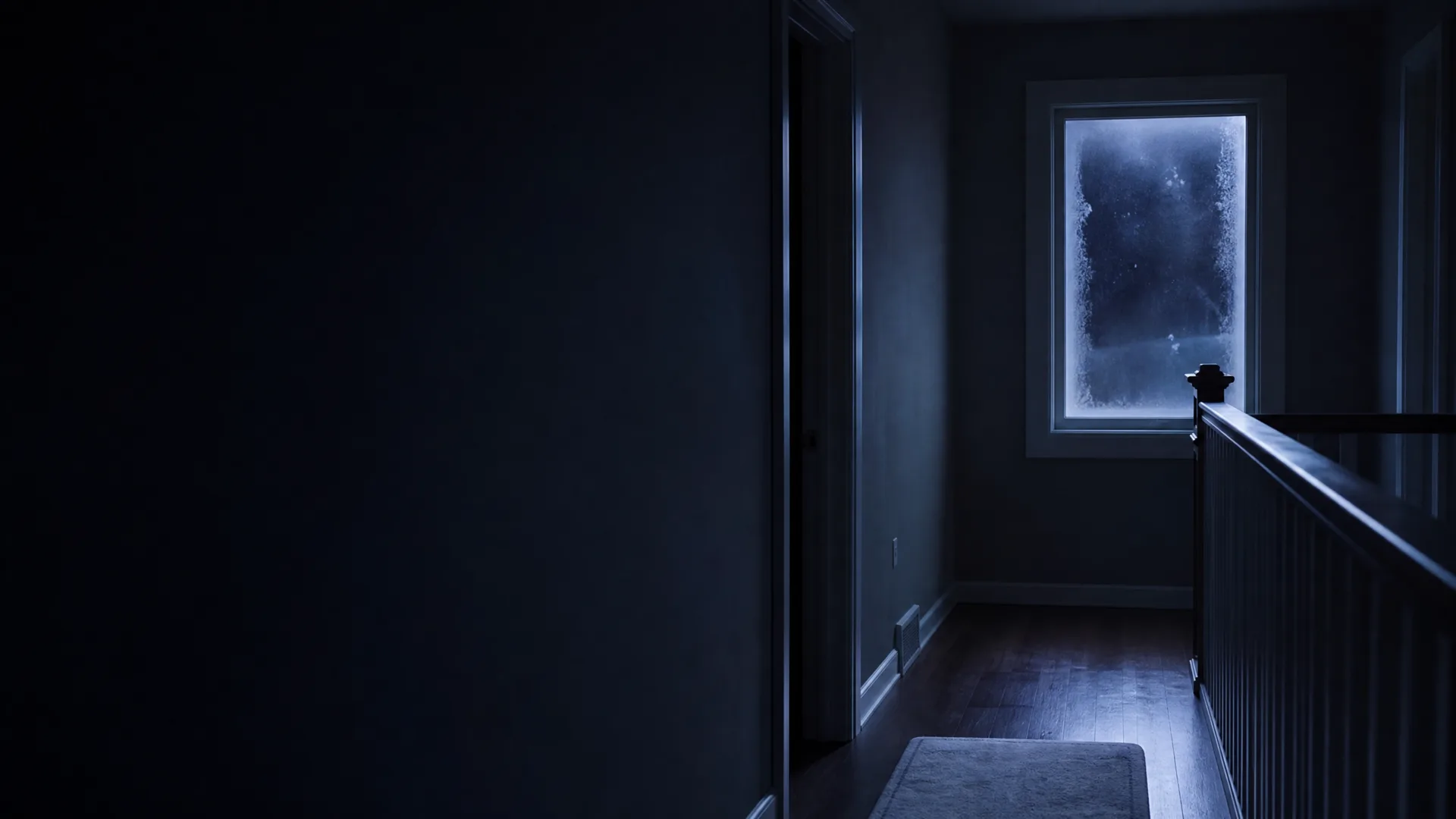
A dark interior hallway with a dim window at the end, a wooden floor, a stair railing on the right, and a bench or rug in the foreground.

You wake up without meaning to, a little past 2 a.m., and the house feels wrong before you know why. The hallway floor is cold under your feet. No air moving from the vents, no low hum from downstairs. You stand there a second, listening for the furnace to kick in, and it doesn't. Frost has crept up the edges of the hallway window, and the glass throws back that flat blue light that only shows up on the coldest nights. You already know what this is. Not the first time this winter the house has gone quiet like this.

Which Ignitor Fits Your Furnace

Silicon Nitride

  • Costs less than silicon carbide and is what most furnaces made in the last couple decades ship with.
  • Pulls close to full current the instant the control board calls for heat, with no gradual warm-up.
  • More sensitive to the physical bump of a hard restart after a power blip or a breaker trip.
  • Tends to fail at that thin bridge in the element, usually within a few heating seasons in a furnace that cycles this hard.
  • Replacement parts are easy to find and cheap, which matters if this furnace is going to eat a few of them.

Silicon Carbide

  • Costs more up front and isn't a straight swap into every furnace control board.
  • Built thicker and handles the repeated heat-up and cool-down of a long Missouri cold snap better.
  • Less likely to crack from a rough restart after the power drops and comes back.
  • Often outlasts silicon nitride by several seasons in a furnace that's firing up all night long.
  • A contractor who works on your model can tell you whether your control board supports it before you pay for one.
  1. Thermostat calls for heat and the control board gets the signal.

  2. Inducer motor starts and proves draft through the pressure switch.

  3. Control board sends full current straight to the ignitor.

  4. Ignitor climbs to ignition temperature in under a minute.

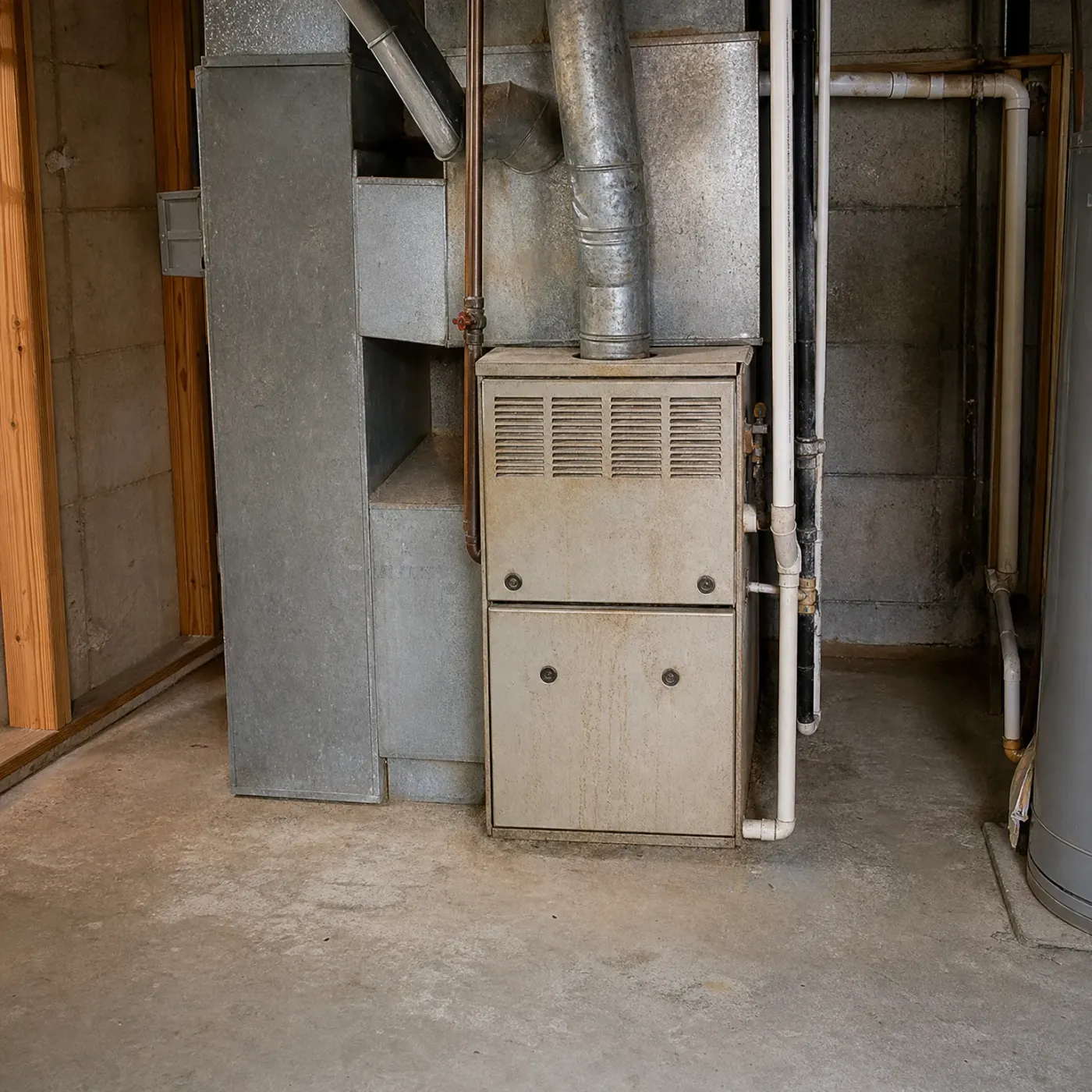
A beige gas furnace with a metal flue pipe stands in a basement against concrete block walls, beside sheet-metal ductwork, copper and white plastic pipes, and a water heater at right.
Before you get your furnace repair
A gray high-efficiency furnace with white PVC vent pipes stands beside sheet-metal ductwork and a water heater in an unfinished basement with concrete walls and wood framing.
After you get your furnace repair

You keep buying the same ignitor and swapping it in yourself, hoping this time it holds through a cold snap without you paying someone to look at why it keeps cracking.

A licensed Missouri contractor who works on furnaces all winter can check the draft, the voltage, and the mounting before putting in the next one, so it's the last one you buy this year.

Winter nights average 25°F statewide

At 25°F the furnace isn't cycling on and off a few times a night, it's running almost constantly to hold the house steady. Every one of those calls for heat sends full current to the ignitor. Fewer cold nights would mean fewer chances for it to crack.

NOAA nClimDiv 1991-2020 county normals weighted by homes

A cracked ignitor in Missouri usually isn't bad luck. It's full current hitting a brittle element over and over through weeks of hard cold, and sometimes a draft problem that makes the furnace work harder to prove ignition than it should. Swapping the part again fixes the symptom for a little while and leaves the cause sitting there for the next cold snap. A licensed contractor based near you who works on furnaces all winter has likely seen this exact pattern on other systems in the area, and knows what to check beyond the ignitor itself, the draft, the pressure switch, the voltage at the board. Getting matched means one contractor reaching out, not a handful of companies competing for the job, so you're dealing with someone who actually looked at your situation instead of a call list. That's worth more than another ignitor out of the box. The part isn't the problem. What's making it fail is, and that's what gets found when someone qualified actually looks.

Close view of a dark standing-seam metal roof with a stone chimney and metal flue cap, overlooking a wide river, trees, and flat farmland under a partly cloudy sky.

Get the right pro for your furnace

Get a local pro

No charge to send it. You decide if you hire them.

A local contractor who works on furnaces all winter knows which ignitors keep cracking and why, and can check the draft while they're at it instead of just handing you another part to swap in yourself.