When to replace a furnace in Nixa, MO

Your new furnace project goes to an installer who works in Christian County.

Get a furnace pro

Most furnaces last 15 to 20 years, and once yours is past that range, repairs start costing more than they're worth. A cracked heat exchanger, a cycling blower, or a furnace that can't keep up on a cold Nixa night are all signs it's done. Age matters here because winters in Christian County get genuinely cold, and a furnace working harder than it should runs up gas use while still leaving cold rooms. If yours needs a second repair in a year, or the pilot and igniter keep failing, replacing it usually makes more sense than fixing it again. A new furnace also handles the cold more evenly, so you're not watching the thermostat and wondering if it'll hold through the night. If your furnace is old enough that you don't know its install date, that alone is worth checking.

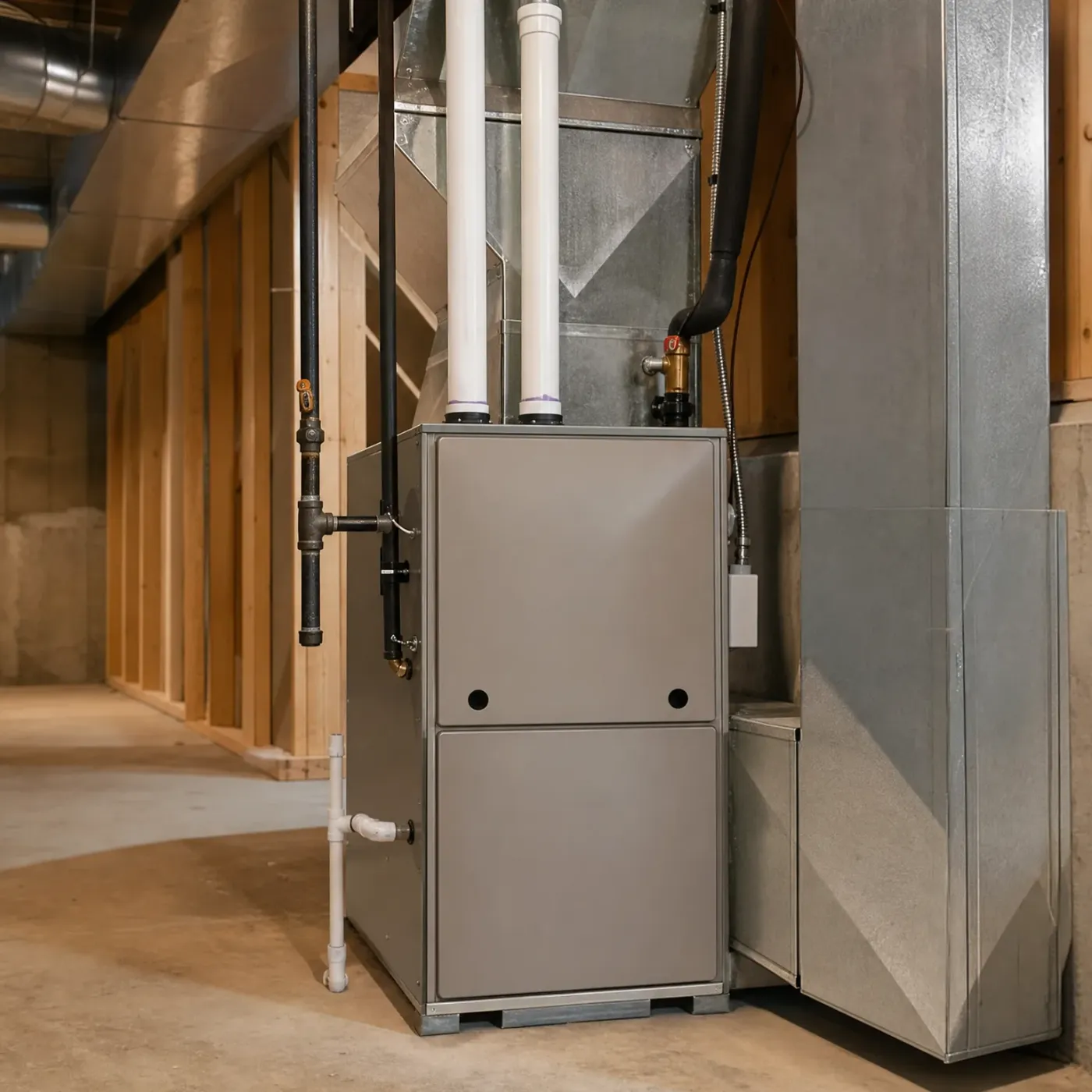
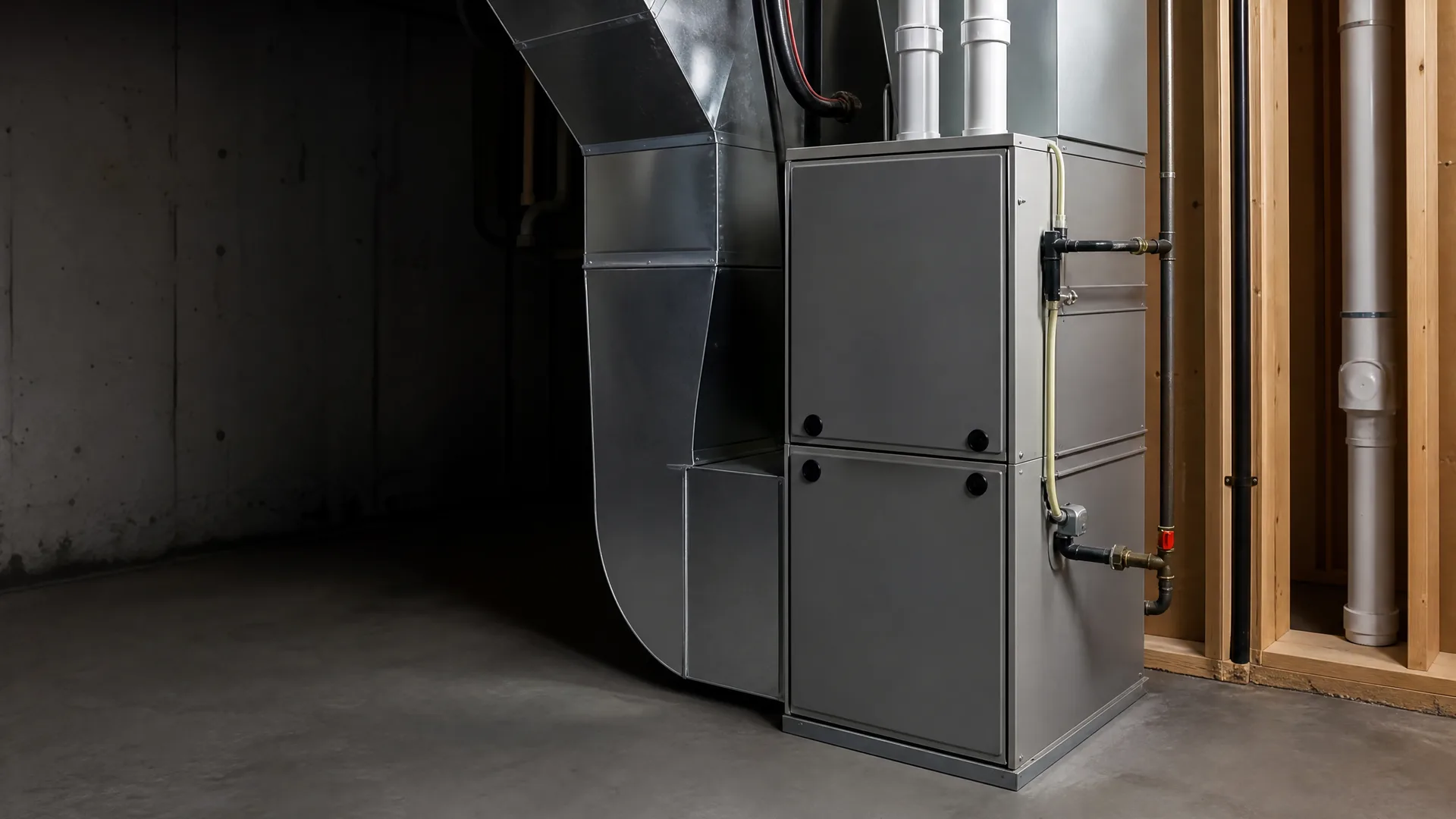
A gray high-efficiency furnace with white PVC vent pipes stands on a concrete pad in a basement, beside sheet-metal ductwork, copper piping and a poured concrete wall with wood framing at left.

Still a safe bet

If your furnace is under 15 years old and heats every room evenly, repairs still make sense. A technician can replace a cracked igniter or a failed blower motor and send you into another Christian County winter for a few hundred dollars.

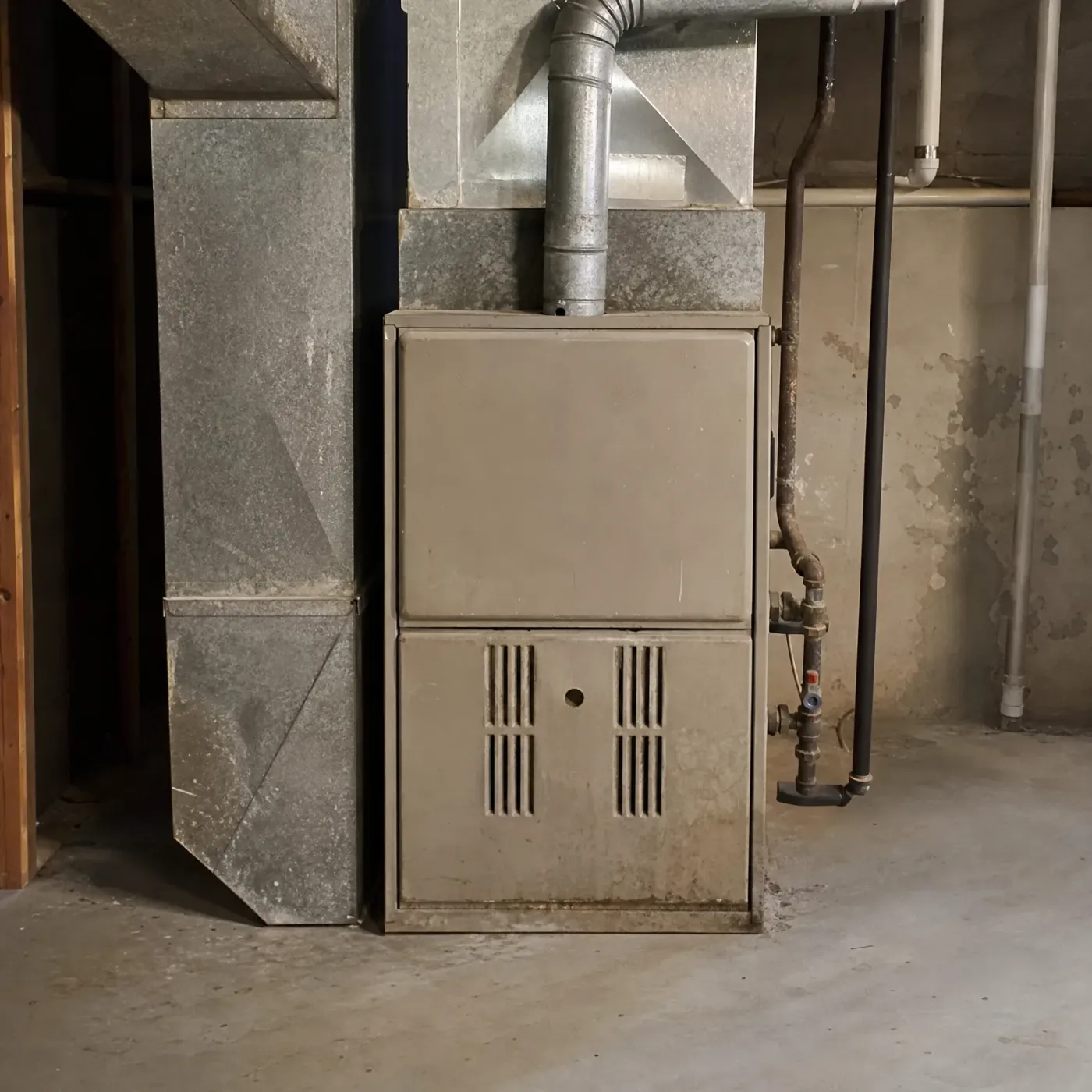
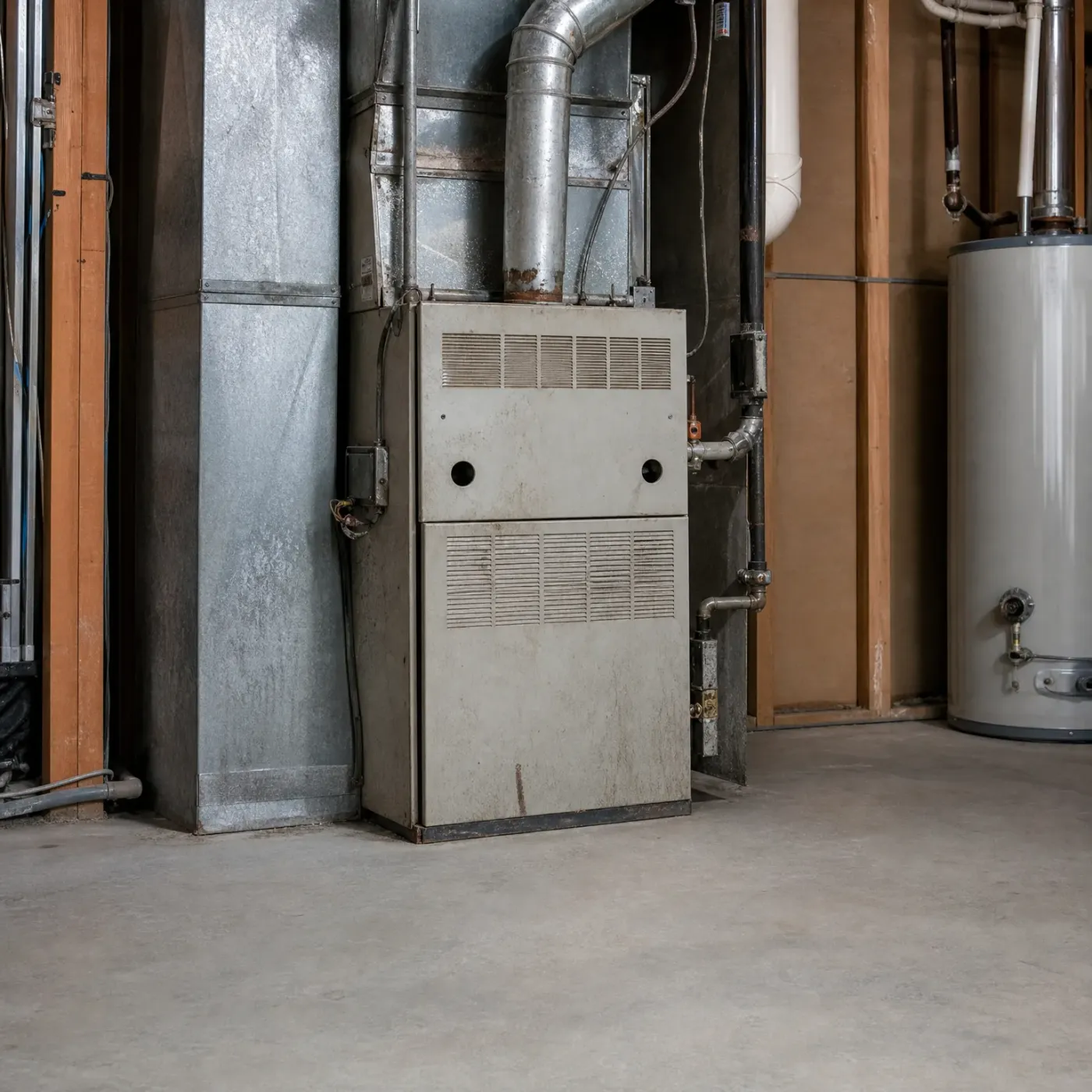
A beige gas furnace in a basement with a metal flue pipe, galvanized sheet-metal ductwork to its left, and gas and water pipes along the concrete wall to its right.

Time to replace

An older unit that short-cycles, trips its limit switch, or leaves the far rooms cold on a single-digit night is nearing the end. Once a furnace this age needs a new heat exchanger or inducer motor, replacement costs less than chasing one repair after another.

Repair It or Replace It

Repair

  • A furnace under 15 years old that heats evenly room to room is usually worth fixing rather than replacing.
  • A cracked igniter or a failed blower motor is a contained repair, not a sign the whole unit is failing.
  • If this is the first major repair the furnace has needed, that alone says the cabinet and heat exchanger are still sound.
  • Parts are still available for most furnaces under 15 years old, which keeps repair times and costs predictable.
  • A single repair now can carry the furnace through another Christian County winter without further trouble.

Replace

  • A furnace past 15 to 20 years old has likely outlived the heat exchanger it was built with.
  • Multiple repairs in the same season, on the blower, the igniter, the limit switch, point to a system breaking down rather than one bad part.
  • A furnace that short cycles or can't hold the house warm on a cold night is failing to do its one job.
  • A cracked heat exchanger is a safety problem, not a repair, and means the furnace needs to come out.
  • Rising gas or electric bills with no change in use often mean the furnace is working harder to produce the same heat.
  • A new furnace installed now carries a full warranty, instead of aging equipment with none left on it.
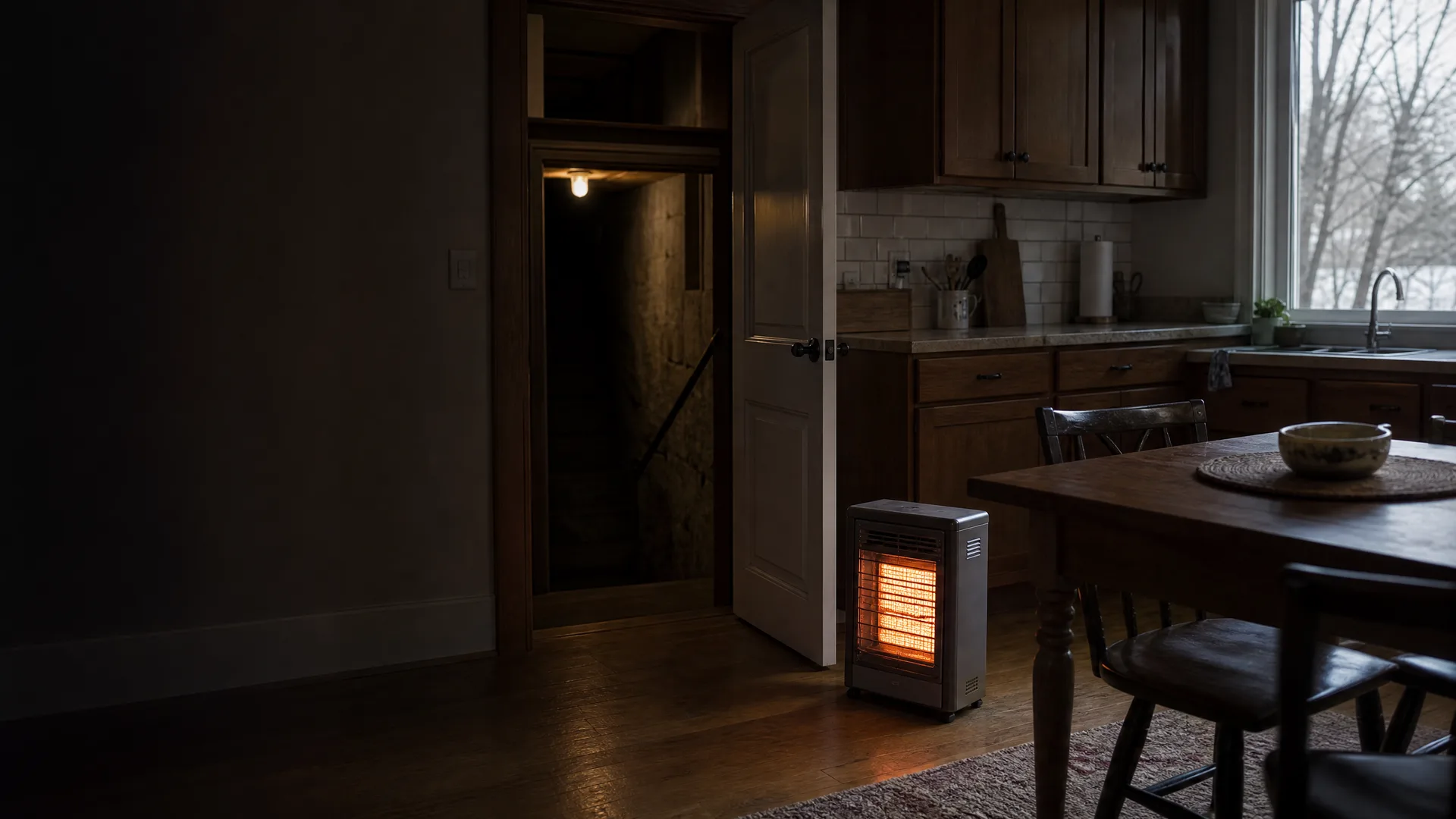
A dim kitchen and dining area with wood cabinets and table, an open door to a lit basement stairwell, and a portable space heater with glowing elements on the floor.

You're up before the sun, same as always, and the kitchen is cold enough to see your breath near the window. The space heater's been running since 5 a.m., its orange coil the only warm light in the room. You left the basement door open last night so some of that heat would drift down to check on the furnace, which has been making a knocking sound before it fires. Christian County mornings like this, in January, don't forgive a furnace that hesitates. You wrap your hands around a coffee mug and listen for the burners to catch. When they don't, right away, you already know you'll be calling someone today, not next week.
Is your furnace trying to tell you something

Walk through the house and some rooms feel fine while the one over the garage never warms up. The furnace runs longer to get there, or it short-cycles, kicking on and off every few minutes instead of settling into a steady run. You notice a burning dust smell the first cold snap, or a smell that doesn't go away after an hour. The blower sounds different, a rattle or a hum that wasn't there last winter. Your gas bill climbed even though you kept the thermostat where it's always been. None of this means shut it off tonight, but a furnace working harder than it used to is a furnace closer to a repair bill, or a morning in January when it doesn't start at all.

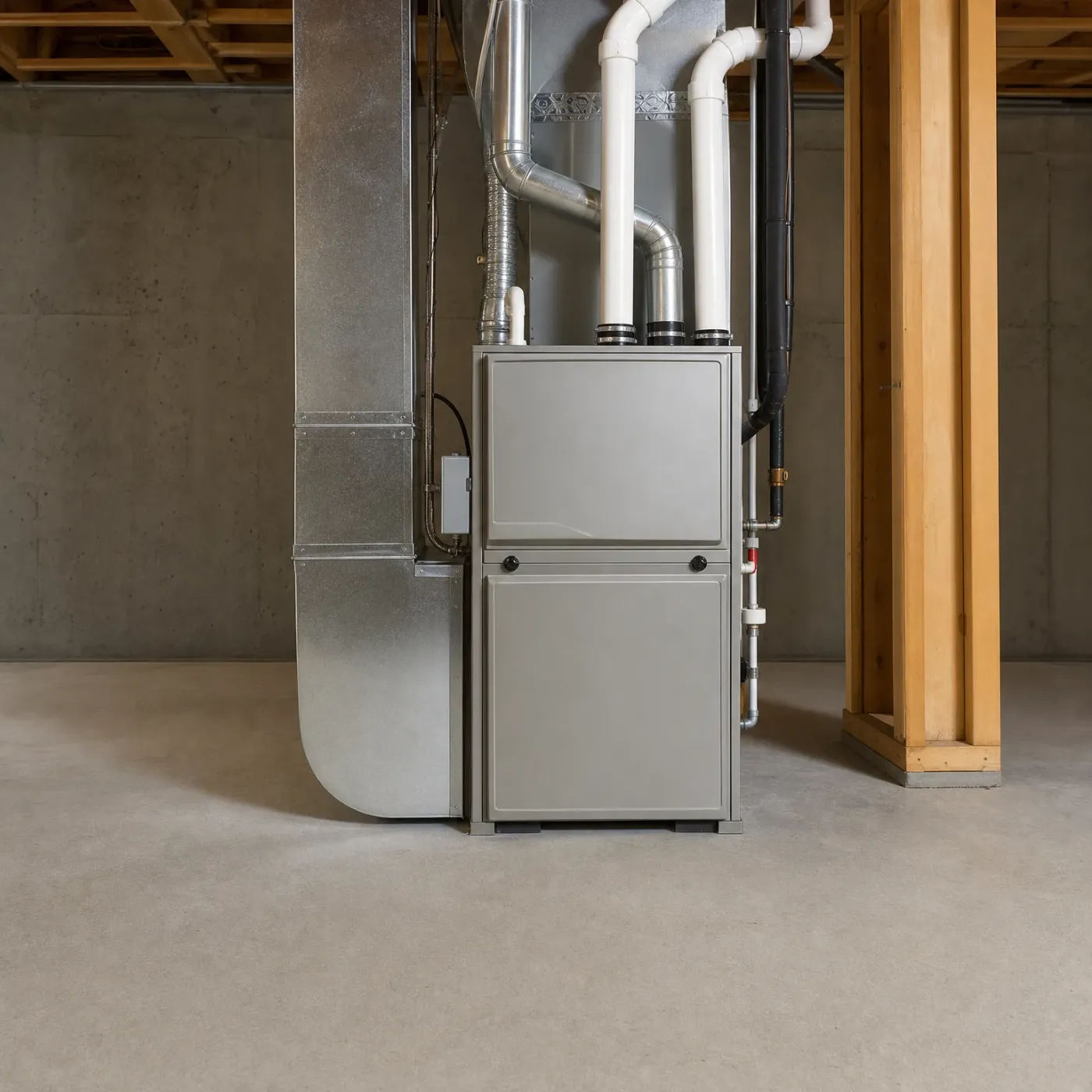
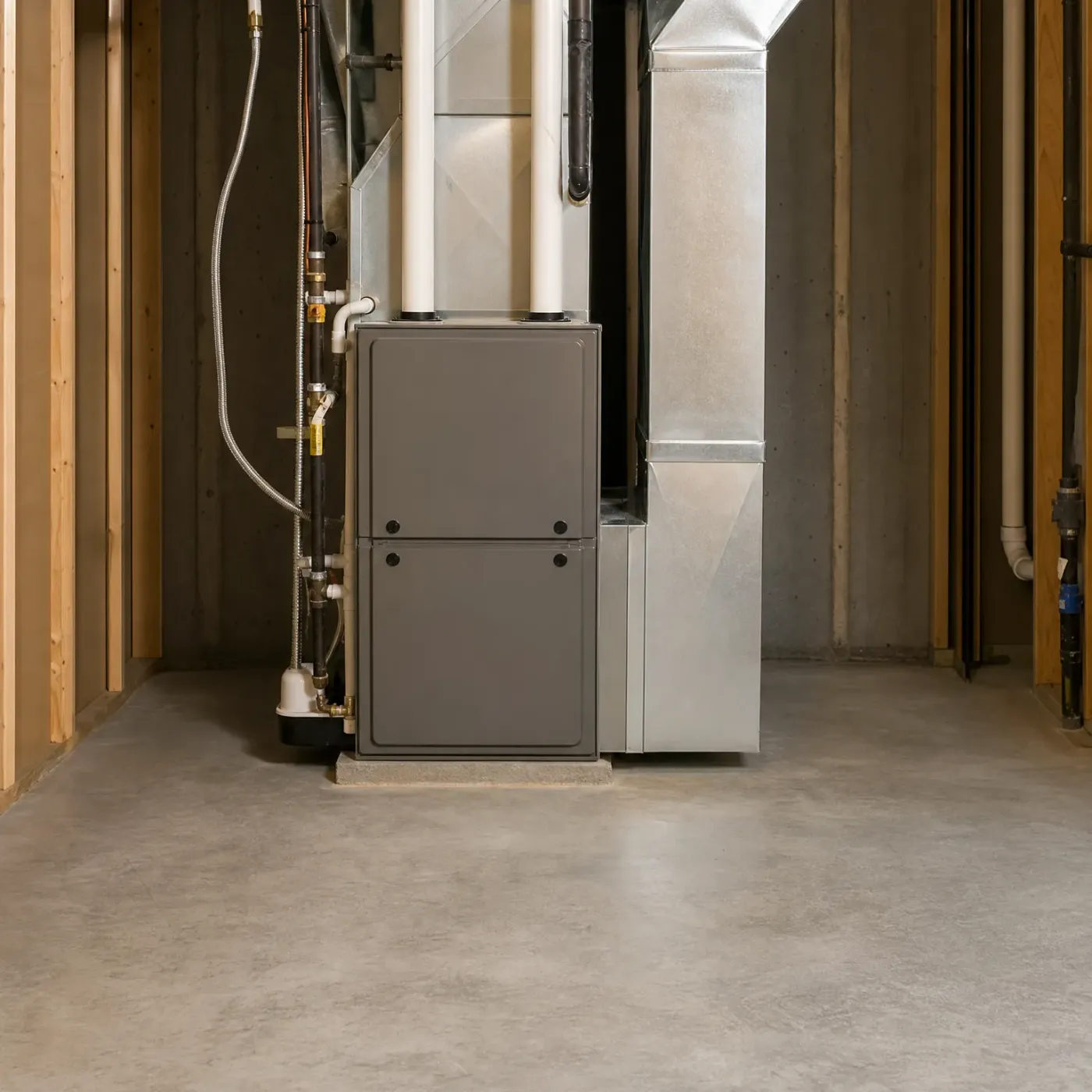
A gray high-efficiency furnace stands on a concrete basement floor beside sheet-metal ductwork, with white PVC vent pipes and a black flexible line running up to exposed wood floor joists, next to a wood-framed post against a concrete wall.

Running the way it should

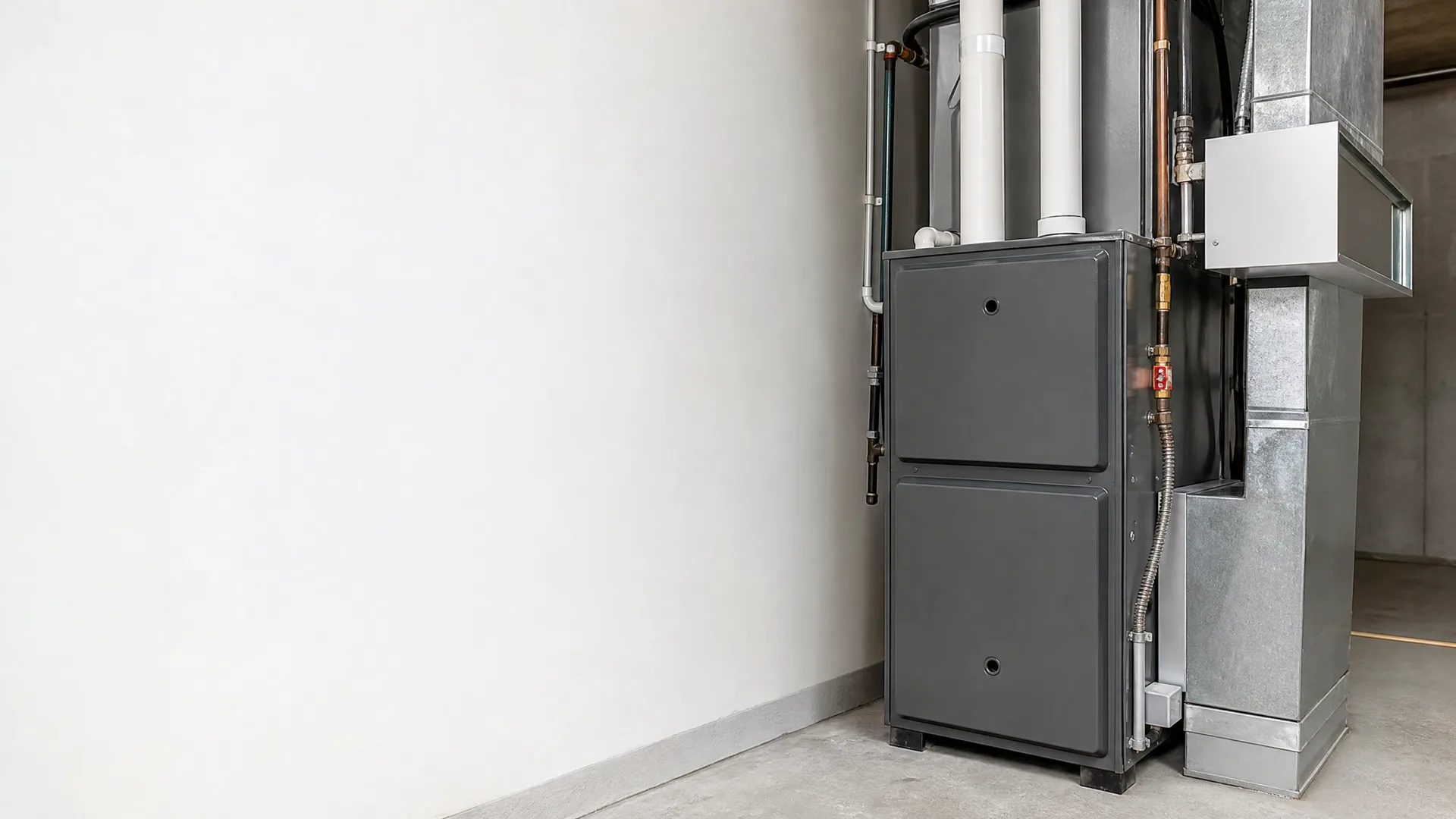
A furnace like this, sitting clean on the basement floor with its ductwork and flue pipes intact, is doing its job. No rust on the cabinet, no soot near the burners, no strain in the gas line fittings. If yours looks like this and heats the house evenly, there's no reason to replace it.

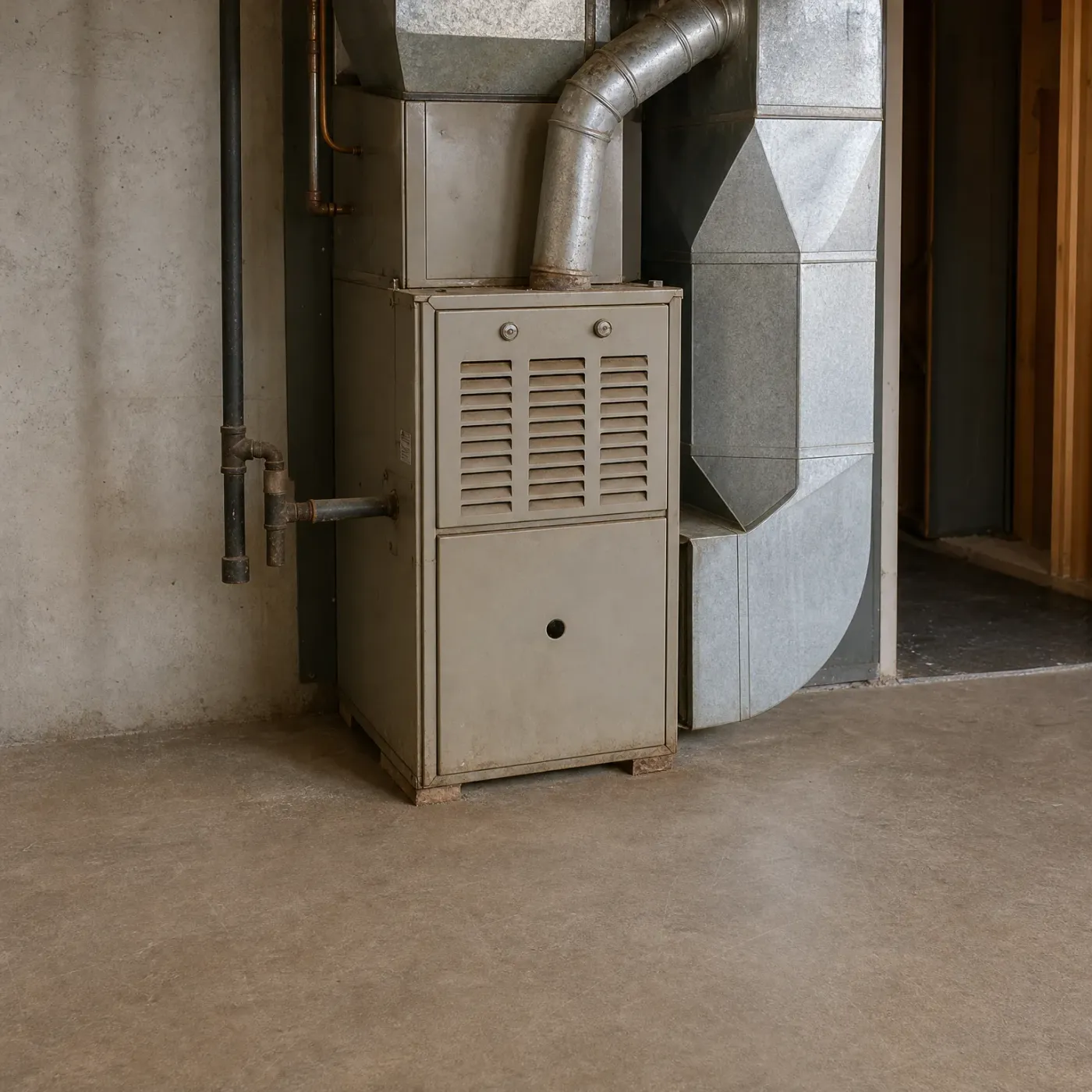
A beige metal furnace with a louvered front panel stands on a concrete floor against a concrete wall, connected to galvanized sheet-metal ductwork and a metal pipe.

Showing its age

An older unit like this one, with black iron gas pipe and a round flue instead of PVC, has likely been running since before current venting and ignition systems became standard. That alone isn't a failure. But paired with short cycling or rooms that won't heat, it's worth having a contractor look at before next winter.

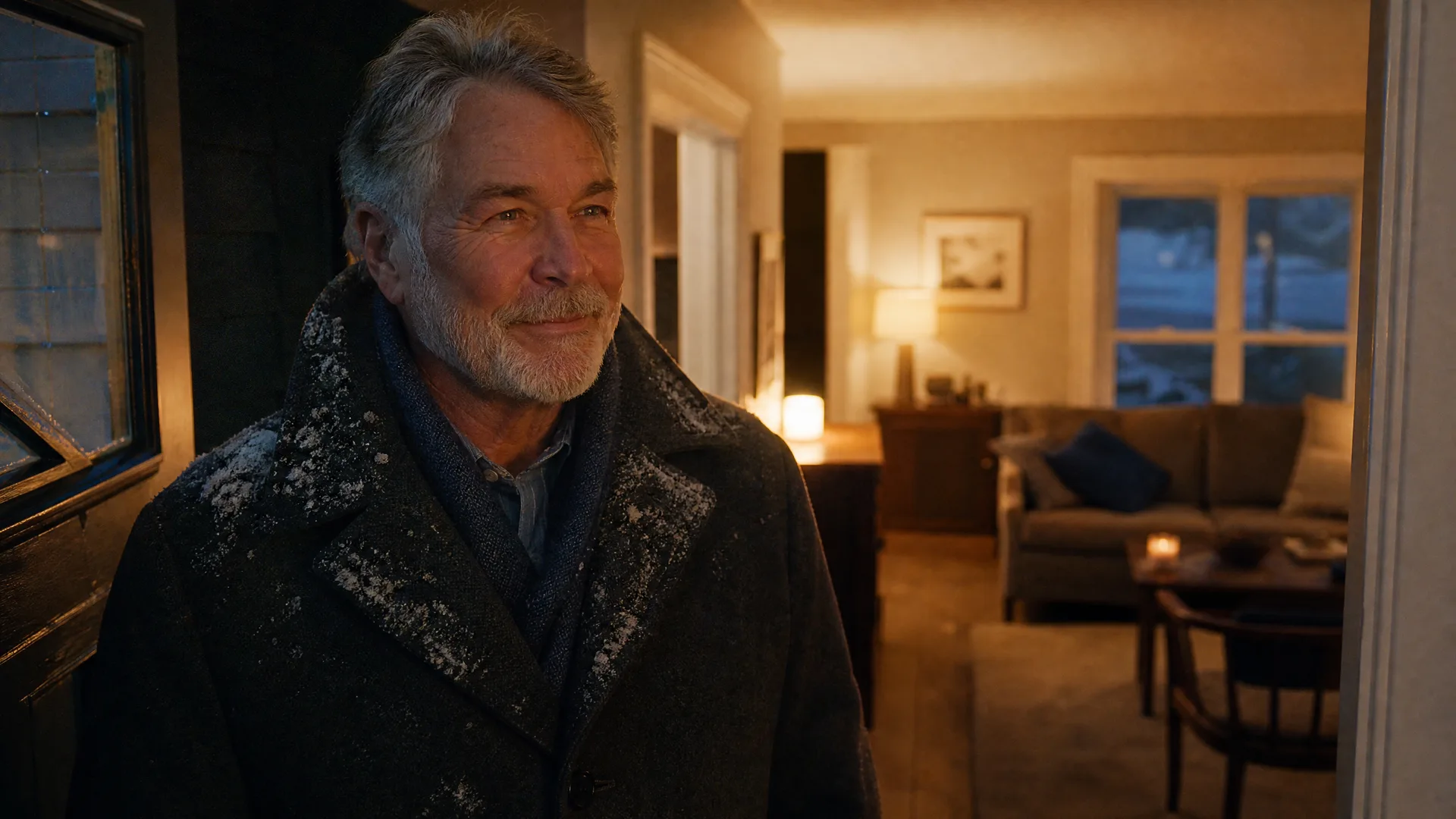
An older man with gray hair and a beard, wearing a dark coat dusted with snow, stands smiling in a doorway of a warmly lit home with a sofa, lamp and window visible behind him.
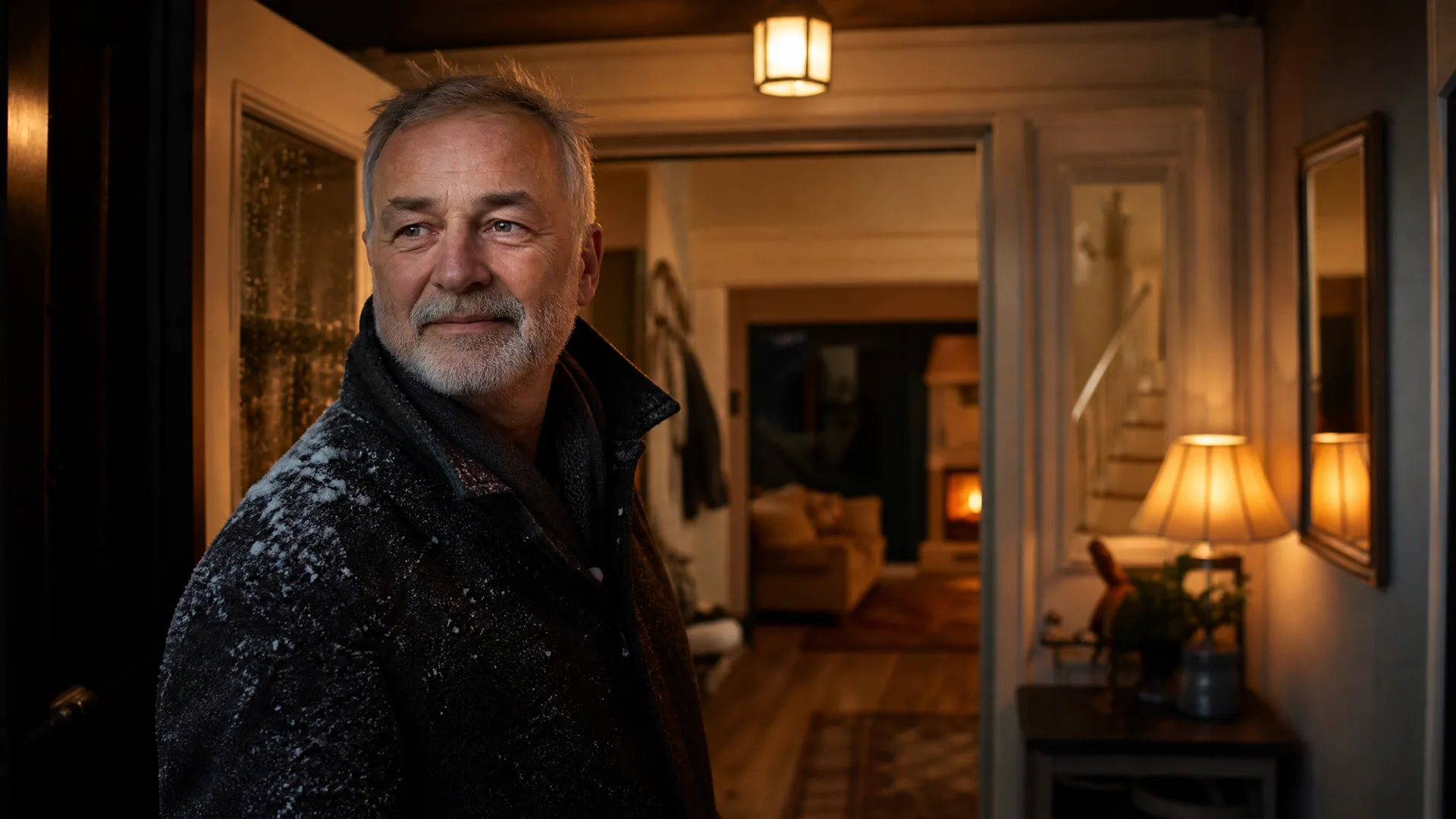
An older man with grey hair and a beard, wearing a dark coat dusted with snow, stands in a dimly lit entryway with a ceiling lamp, a side table with two shaded lamps, and a lit fireplace visible in a room beyond.
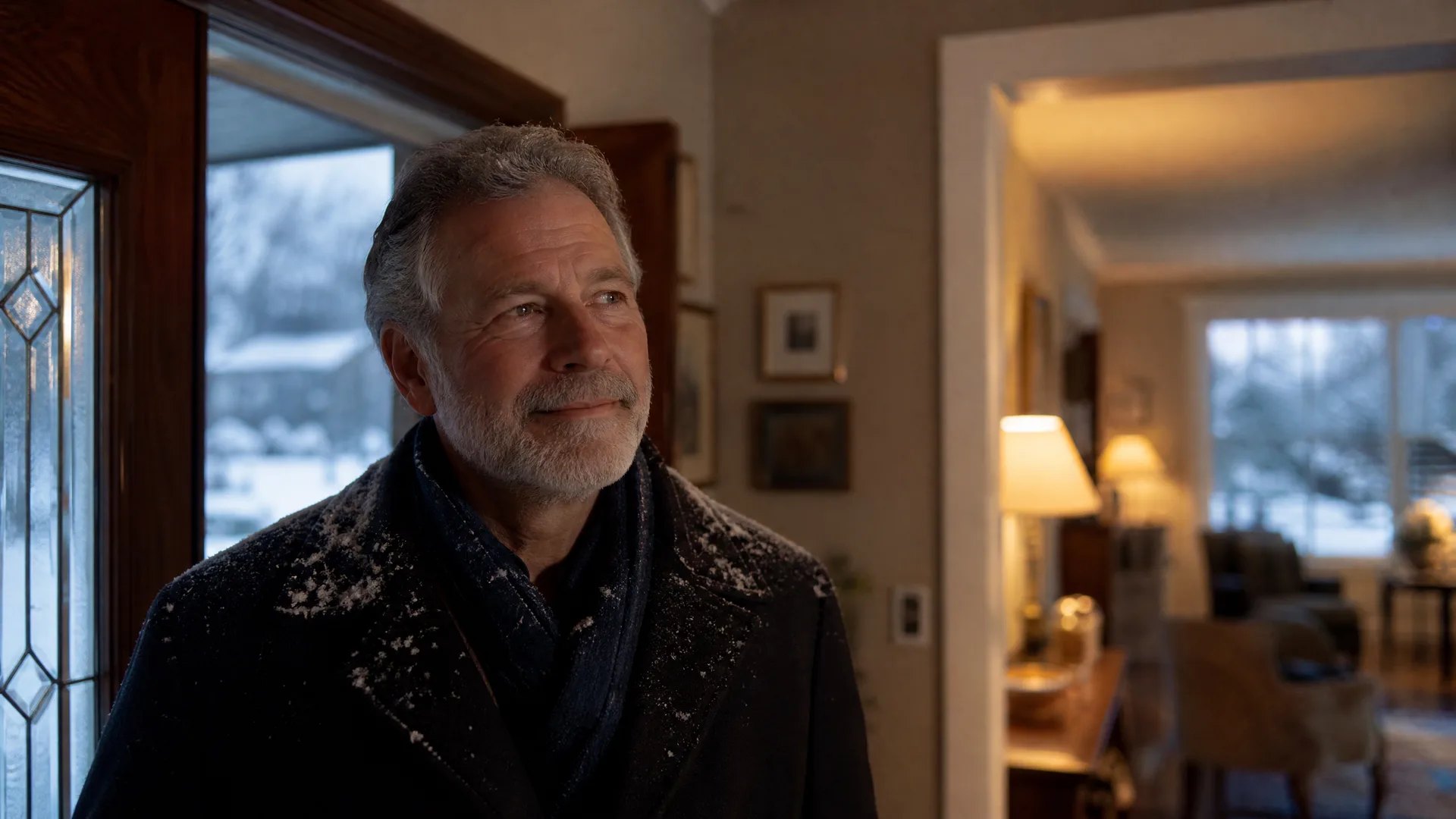
A bearded older man in a dark snow-dusted coat and scarf stands just inside a home's front door, with a lamp-lit room and snowy window visible behind him.
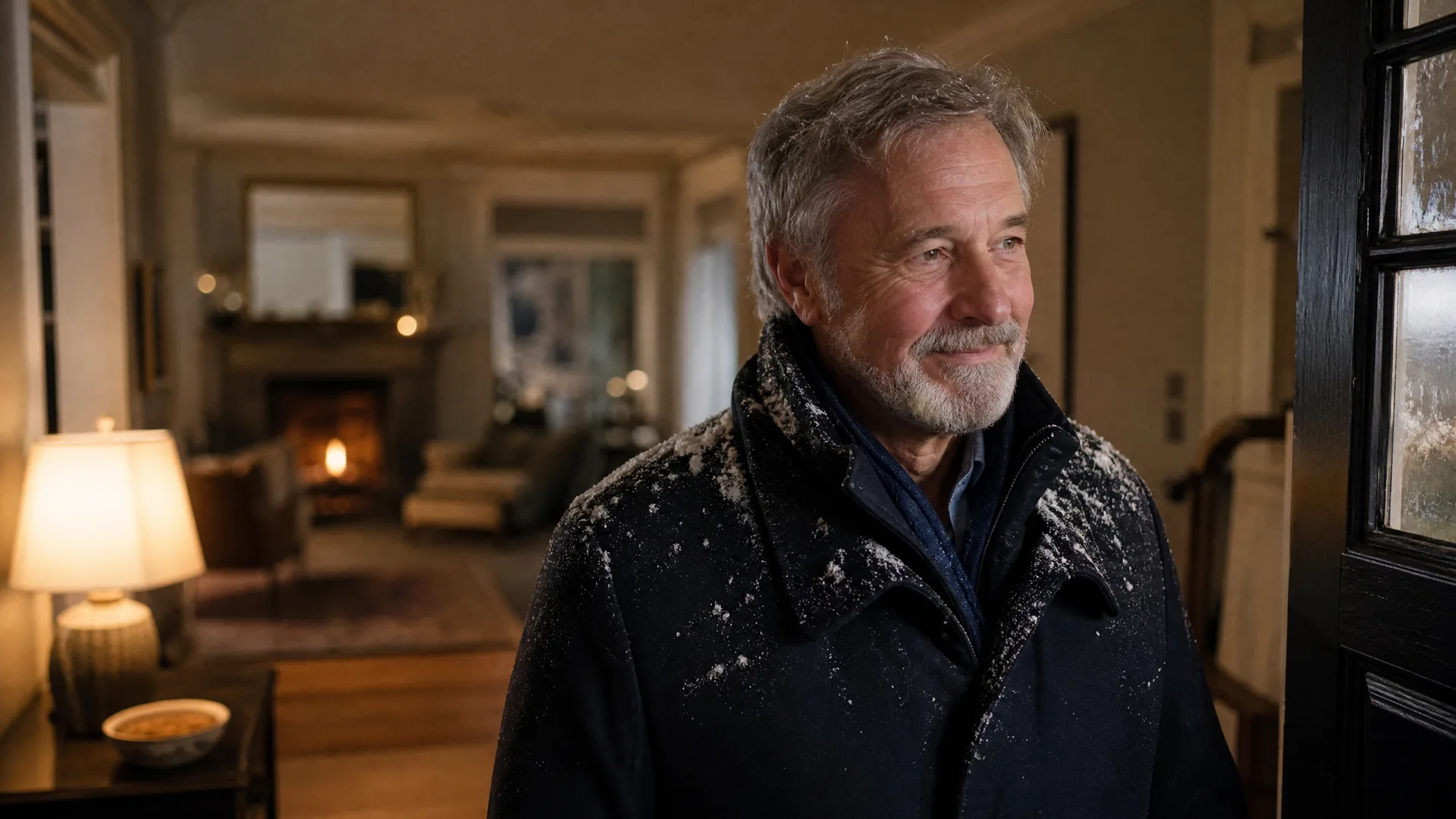
An older man with gray hair and a beard stands in a doorway of a home, wearing a dark coat dusted with snow, with a lit fireplace and lamp visible in the blurred room behind him.
A gray high-efficiency furnace in an unfinished basement, connected to sheet metal ductwork, white PVC vent pipes, a black gas line and flexible conduit, with concrete floor and wood-framed walls nearby.

Get matched with a furnace pro in Christian County

Send the form and stop researching installers for the new furnace.

Get in touch with a local installer about a new furnace.

Connect with a pro

There's no charge for the request.

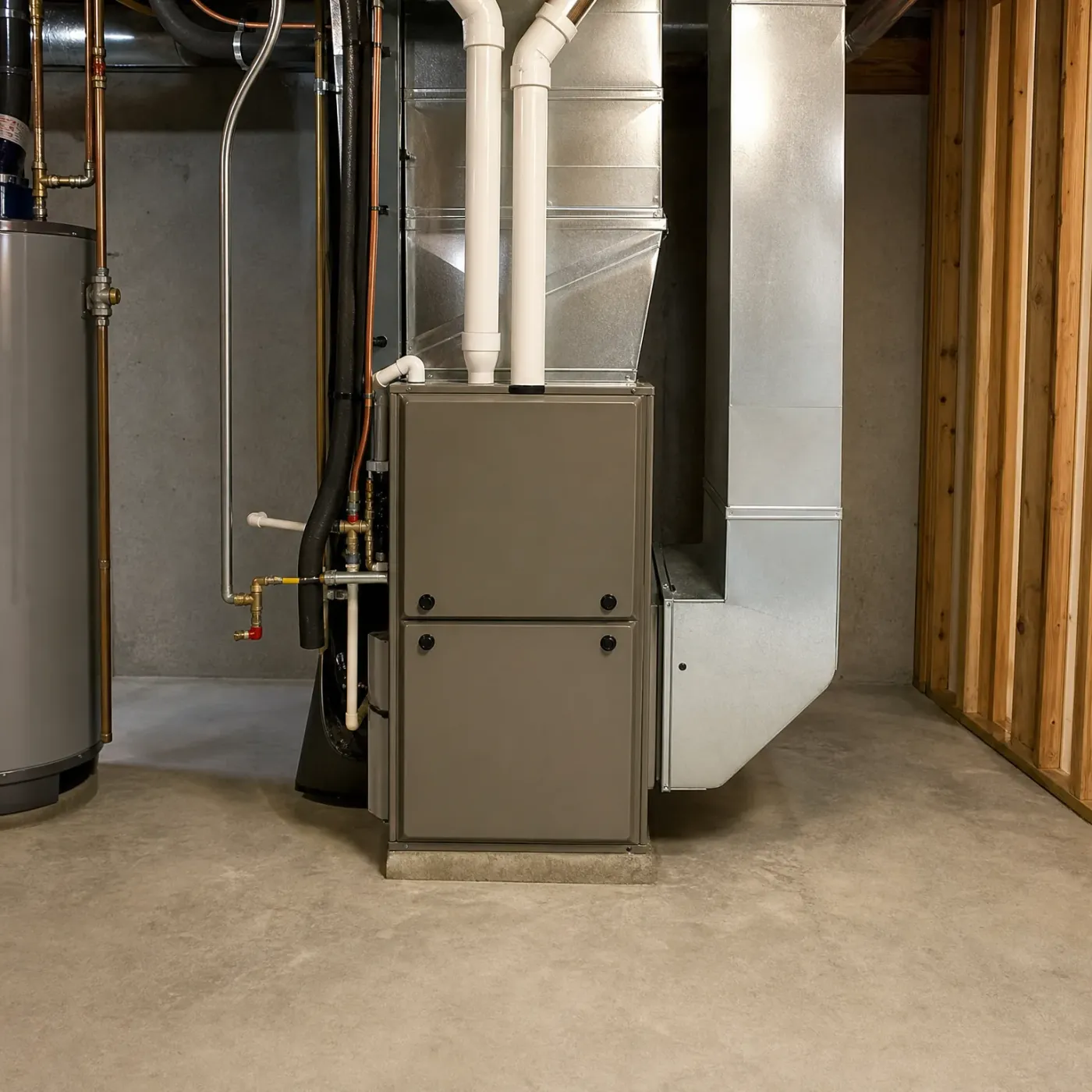
A gray high-efficiency furnace in a basement with PVC vent pipes, sheet-metal ductwork, copper and insulated pipes, a water heater at left, and an unfinished wood-stud wall at right.
A furnace like this is still earning its keep, running steady with no signs of strain on the pad or the flue.
An older beige furnace with louvered front panels stands on a concrete basement floor beside galvanized ductwork, metal and plastic pipes, exposed wood framing, and a cylindrical water heater at right.
Galvanized ductwork and an aging flue pipe like this usually mean the furnace behind them has worked hard for a long time.
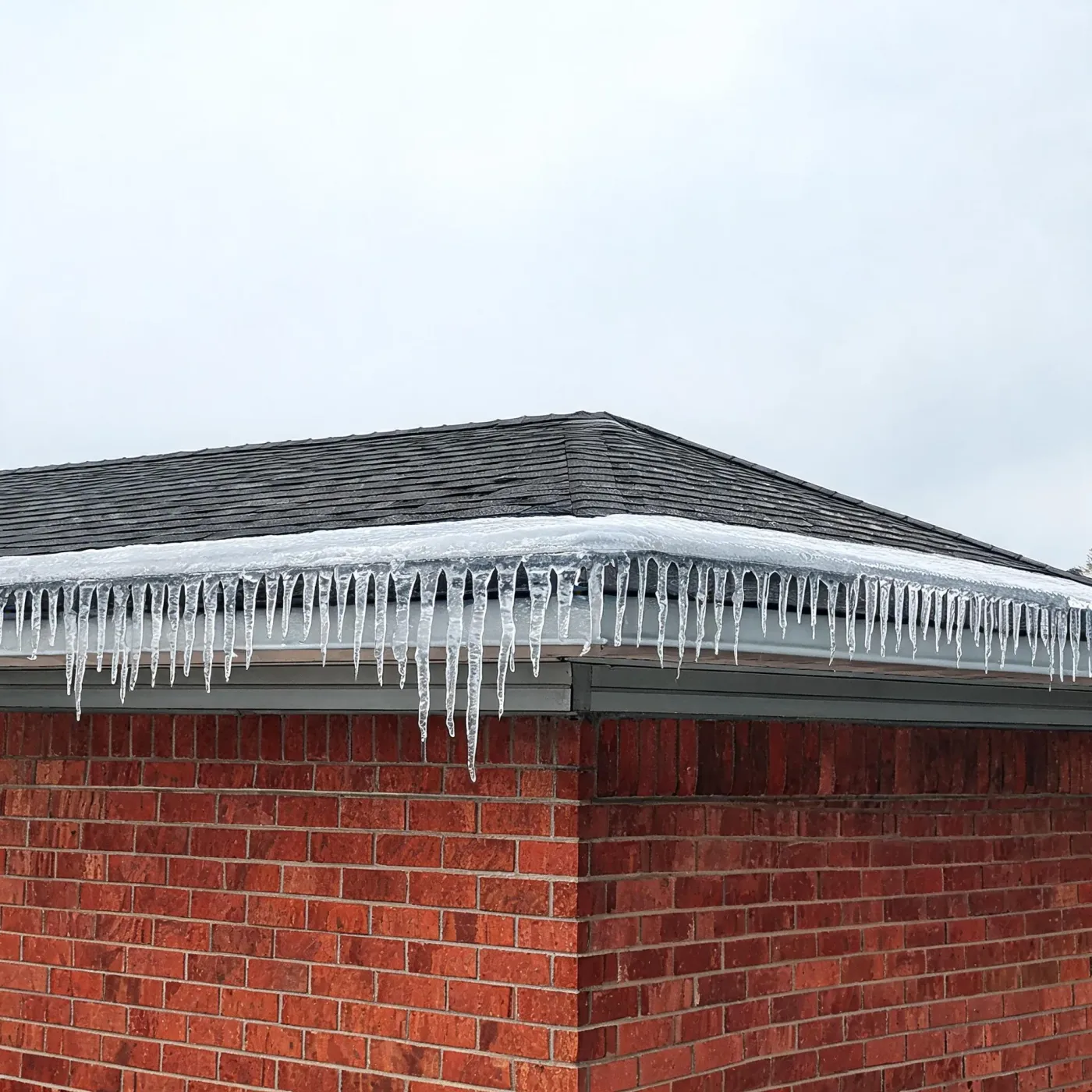
Corner of a red brick building with a dark shingled hip roof, a row of icicles hanging from the ice-covered gutter, under an overcast white sky.

Winter nights in Christian County average 26°F from December through February, according to NOAA climate records. That's a furnace running most of the night, every night, for three months straight. An older unit feels that strain first. It takes longer to bring the house up to temperature after the thermostat drops, and the blower runs in longer stretches to keep up. Some homes end up with a room that never quite catches up by morning, usually the one farthest from the furnace itself. If you're setting the thermostat higher than you used to just to feel the same warmth, that's the furnace telling you it's working harder for less.

NOAA nClimDiv 1991-2020

How do I know when my furnace is actually on its last leg?

How do I know when my furnace is actually on its last leg?

Watch the heat exchanger, not just the thermostat

A furnace fails from the inside first. The heat exchanger is the metal chamber that holds the flame and passes heat into the air your blower pushes through the house. Years of heating and cooling cycles make it expand and contract until it cracks. Once that happens, a technician will condemn the furnace on the spot, because a cracked exchanger can let combustion gas into the air supply. You won't see the crack yourself. What you can watch for is a furnace that smells faintly like formaldehyde when it runs, or soot building up around the burner compartment. If a technician flags the exchanger during a routine check, that's the point where replacement stops being optional.

A dark gray furnace unit with connected ductwork, pipes and flexible hoses stands in the corner of an empty room with bare white walls and a concrete floor.

What a cracked exchanger does

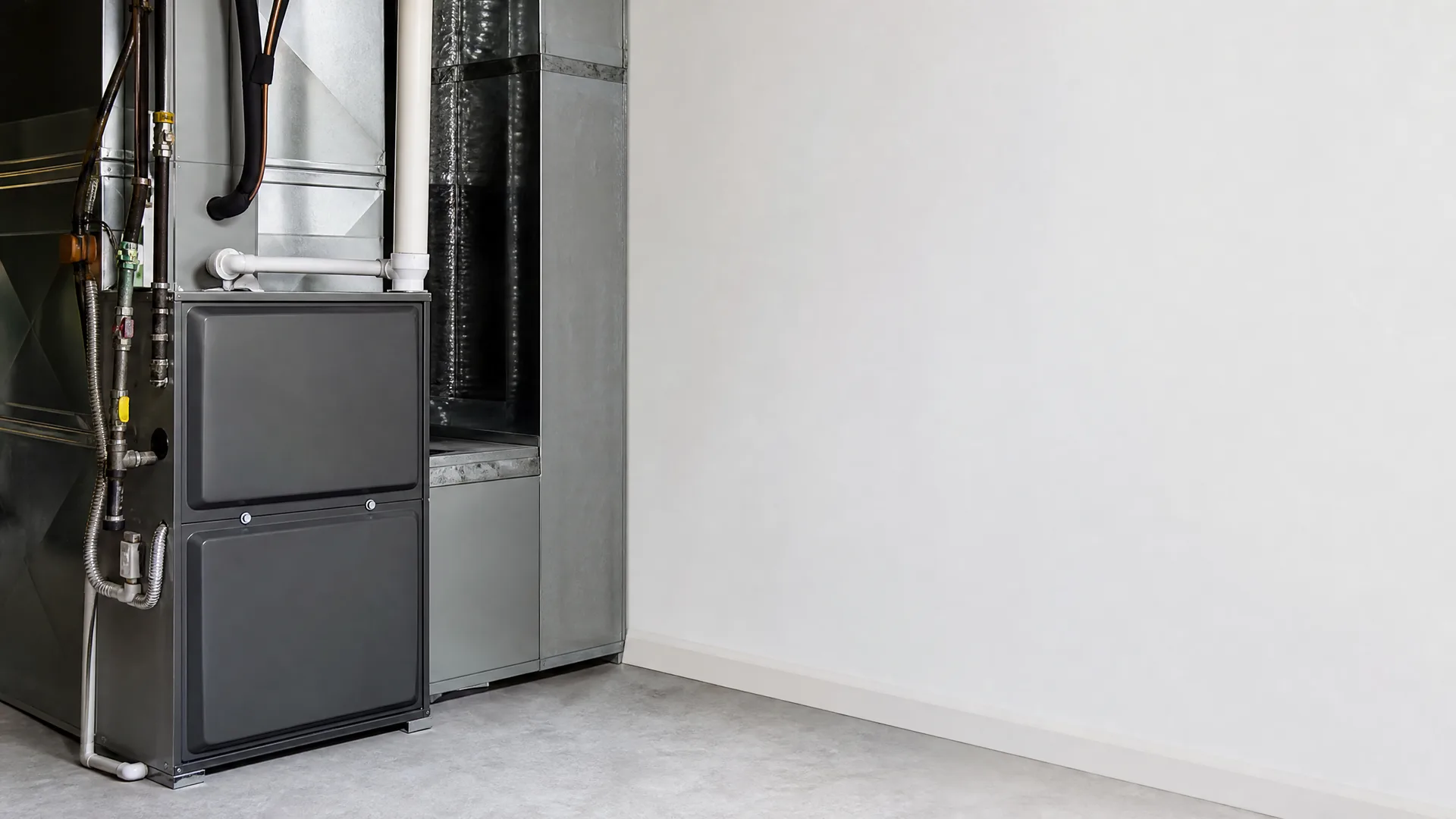
The heat exchanger is the metal chamber that pulls heat off the flame and passes it into the air moving through your ducts. Once it cracks, it can let combustion gas mix into that air stream instead of venting outside. A furnace in this state gets shut down on the spot, not scheduled for a future fix. That's a replacement, not a repair, no matter how new the rest of the unit looks.

A gray high-efficiency furnace stands against a plain white wall in a concrete-floored utility room, connected to white PVC vent pipes, copper gas lines, and sheet-metal ductwork.

What gas costs you either way

Missouri gas rates run low compared to most of the country, which is part of why furnace heat stays cheap to run here. A furnace past 15 years loses efficiency as its burners and exchanger wear, so it uses more gas to hold the same temperature. You won't see that as a single bad month on the bill. You'll see it as a winter that costs more than last winter did, for the same cold.

Winter nights average 26°F

At 26°F, your furnace is running most of the night for three straight months. That's the stretch where a weak unit falls behind, cycling longer and longer to hold the house at temperature. An older furnace under that kind of load is the one that quits on a January night, not a mild one.

NOAA nClimDiv 1991-2020

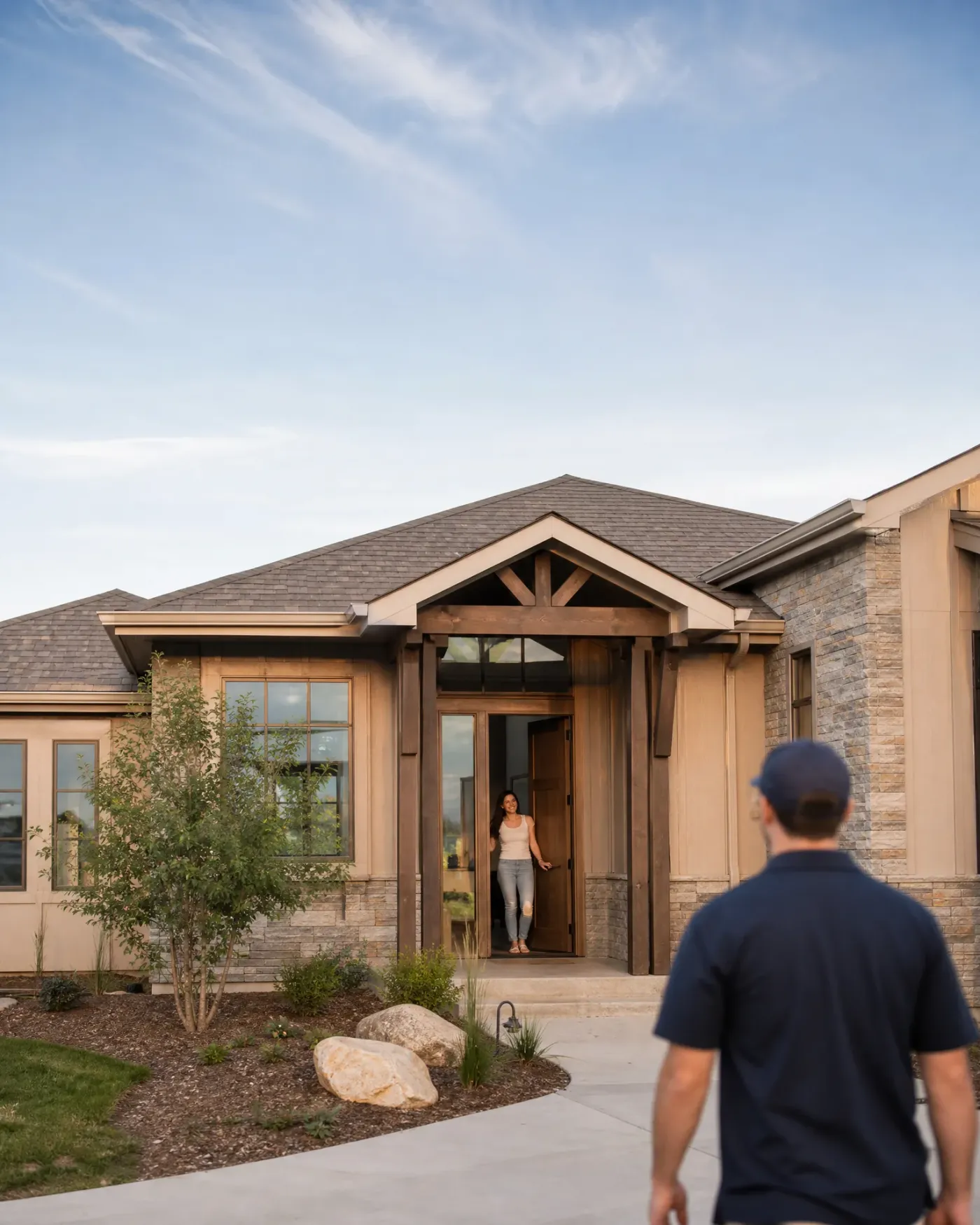
A woman stands in the open front doorway of a single-story house with stone and wood siding while a man in a dark polo shirt and cap walks toward it along a concrete path.

Where that leaves you

If your furnace is under 15 years old and heats the house evenly, a repair is the right call. If it's older than that, or it's already cracked a heat exchanger or can't hold the house at temperature through a 26°F night, replacing it is the sounder move. Christian County winters don't give a weak furnace anywhere to hide.

You don't have to figure out which one you're looking at by yourself. Send in what you know about your furnace and your house, and a contractor who works on furnaces in Nixa will reach out and walk through it with you, repair or replacement, so you know where you stand before the next cold night.

Interior corner with sheer white curtains at a window, a brown upholstered sofa in the foreground, and a wooden multi-drawer cabinet holding a round ceramic vase with leafy branches.
A gray furnace with attached sheet-metal ductwork and PVC vent pipes stands in a basement with concrete walls and floor beside exposed wood framing and vertical pipes.

A local pro for your furnace installation

Step 1 of 3: Equipment