




What to do when the heat goes out in O'Fallon, MO

Step 1 of 3: Equipment

My furnace stopped working, what do I do?

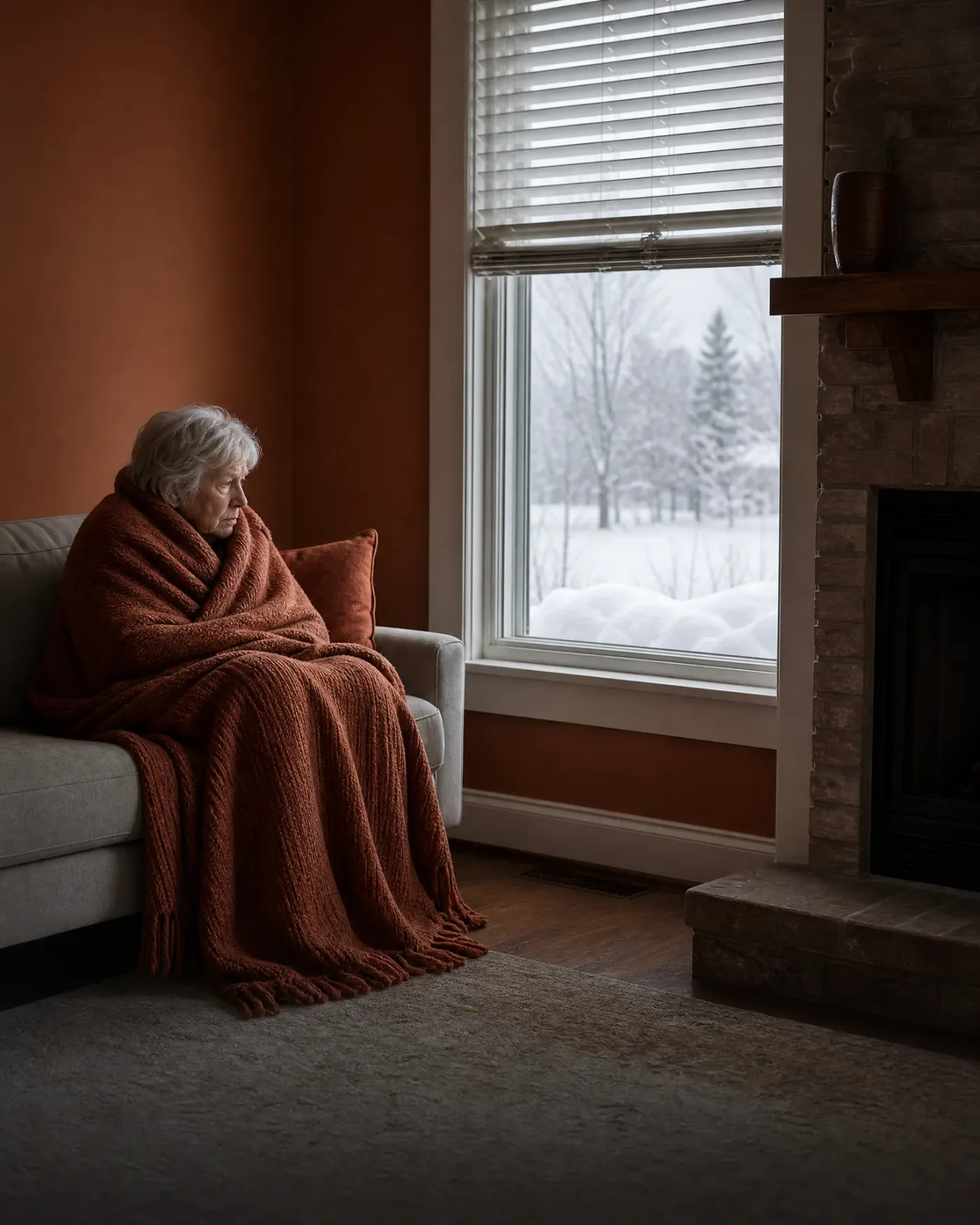
A cold house in O'Fallon is a different problem than a cold house most places. Winters here get hard, and a furnace that quits in January needs attention before pipes or comfort become the bigger issue. Before anything else, you want to know what's actually wrong and whether it's something you can check yourself before calling someone out.

Check the thermostat and the breaker before you assume the worst

Most furnaces that stop running have lost power, lost gas, or tripped a safety switch, and all three show up before you call anyone. Look at the thermostat first and make sure it's set to heat and the batteries aren't dead. Then check the breaker panel, since a tripped breaker is a common reason a gas furnace won't ignite even though the gas is fine. If the furnace has a reset button near the blower, it may have shut itself off on purpose rather than failed outright. None of this means the repair is simple, but it tells you and whoever comes out what you're dealing with before the work starts, which matters when it's cold outside.

A smiling man in a blue denim shirt over a white tee sits at a light stone kitchen counter with a grey mug and a bowl of oranges and bananas, with pendant lights and shelving behind him.
A smiling bearded man in a grey long-sleeved shirt sits at a kitchen counter with a dark mug, with a dining table, pendant light and glass doors onto greenery behind him.
A bearded man in a dark green knit sweater smiles and looks off to the side while standing at a kitchen counter with a white mug of coffee, with open shelving, a potted tree, and a dining table near large windows behind him.
A man with dark curly hair in a dark green sweater stands smiling and looking to the side in a kitchen with white cabinets, a potted plant, a stone countertop with a ceramic mug, and a dining area with framed art in the background.
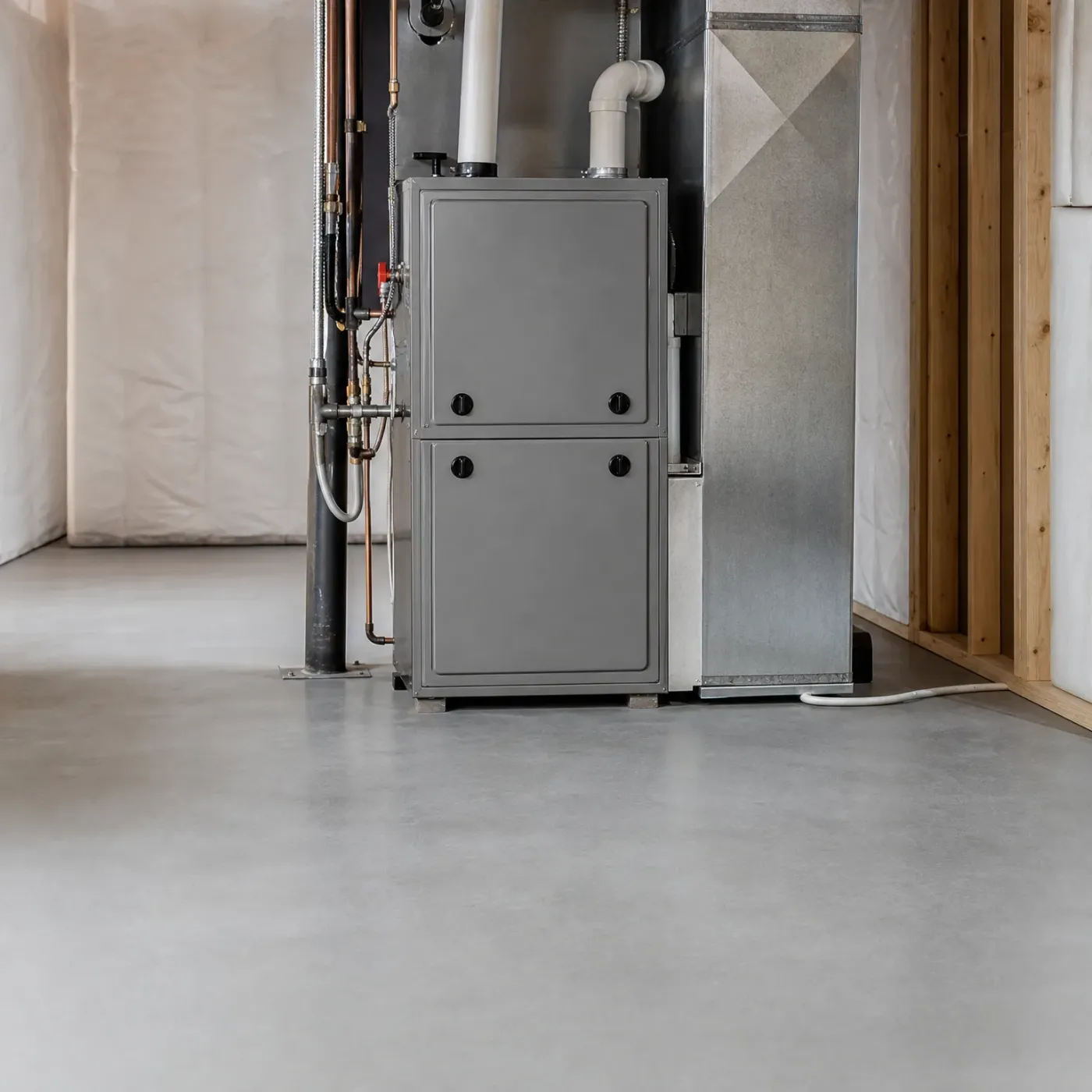
A gray furnace with white PVC vent pipes stands beside sheet-metal ductwork in a basement with a smooth concrete floor, exposed wood framing, and plastic sheeting on the walls.
A furnace like this runs on its own, cycling on and off to hold the temperature you set, with the burner lighting clean each time.
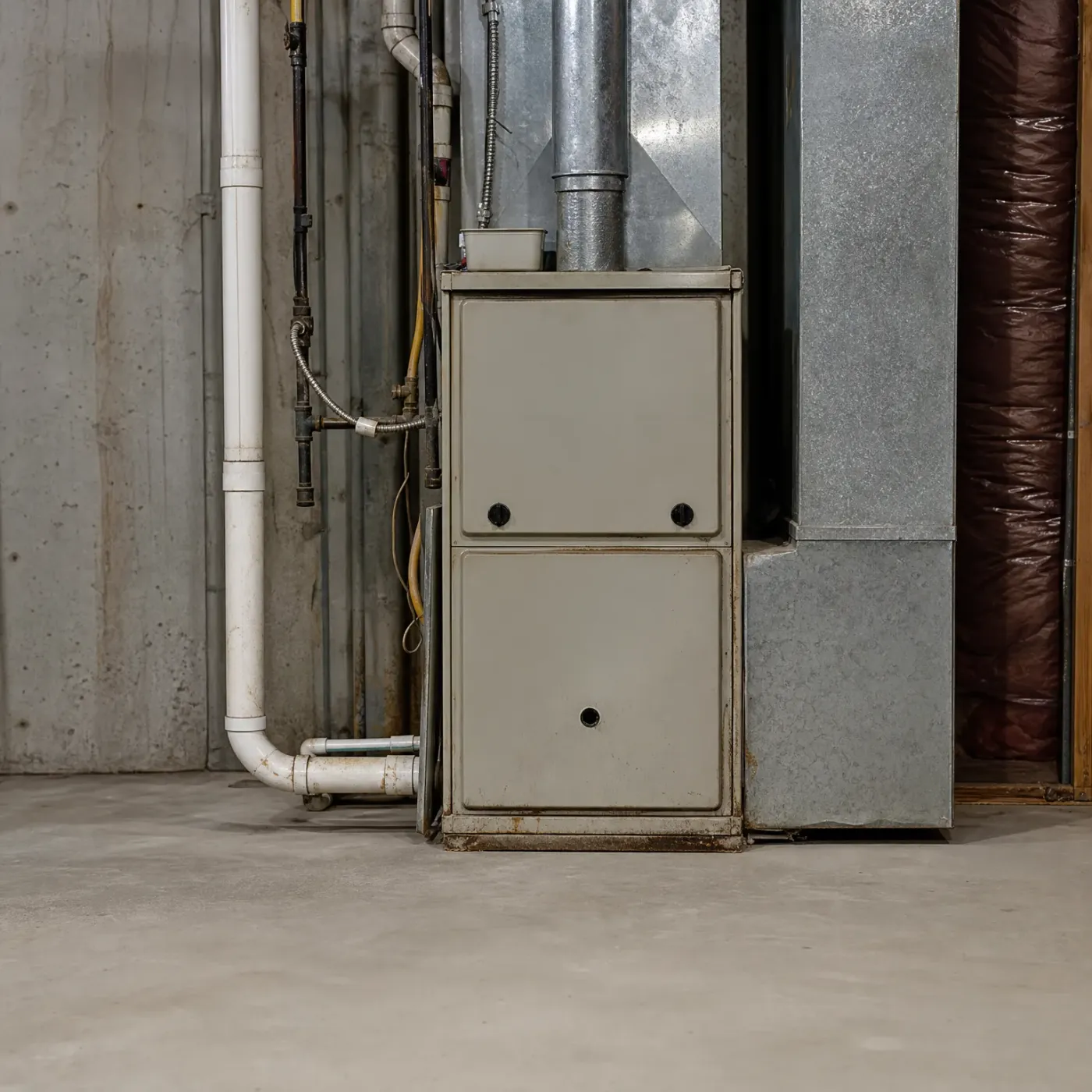
A beige furnace with two access panels stands against a concrete basement wall, with galvanized sheet-metal ductwork, a white PVC pipe, flexible conduit and insulated ducting around it.
Rust on the cabinet and a flue pipe showing its age are signs the unit is closer to a breakdown than a tune-up fixes.

How a gas furnace actually starts

  • A gas furnace fires only after the inducer motor proves the vent is clear, usually running a few seconds before ignition.
  • The igniter heats up, the gas valve opens, and a flame sensor confirms the burner actually lit within a couple seconds or the system shuts down.
  • If the flame sensor doesn't detect a flame, the furnace tries again a couple times, then locks out rather than keep flooding the burner with gas.
  • A dirty flame sensor is one of the most common reasons a furnace that was working fine suddenly won't stay lit.
  • The blower motor doesn't start moving air until the heat exchanger is already warm, which is why cold air blows for a short stretch after startup.
  • A furnace that locks out and won't reset on its own is telling you the safety system caught something, not that it's broken for good.

A furnace doesn't just light the second the thermostat calls for heat. The inducer motor kicks on first and clears the vent of any leftover gas before anything else happens. Only after that does the igniter heat up and the gas valve open. A flame sensor is watching by then, a thin metal rod sitting right in the flame path, and it has to confirm a flame is actually burning within a couple seconds. If it doesn't see one, the furnace shuts the gas valve, waits, and tries again. After a couple failed attempts it locks out completely rather than keep pushing gas into a burner that won't light. That's a safety step, not a malfunction, and most furnaces need a manual reset or a power cycle at the breaker to try again. The flame sensor itself is usually the weak link. It sits in the flame every time the furnace runs, and over a season or two it picks up a layer of residue that keeps it from reading the flame correctly, even though the flame is there and burning fine. That's why a furnace can work perfectly for years and then start cutting out mid-cycle with no warning. One more thing worth knowing: the blower doesn't turn on right at ignition. It waits until the heat exchanger has warmed up, so a short blast of cool air at startup is normal, not a sign anything's wrong.

Why does a dead furnace matter so fast here?

  • Winter nights average 25°F

    Winter nights average 25°F in St. Charles County, so a house without heat loses warmth fast once the furnace quits.

  • Heat runs October through April

    Furnaces here run from October through April, about seven months of the year, so a breakdown rarely happens when it's easy to ignore.

  • 65.9% of homes heat with gas

    65.9% of homes in St. Charles County heat with gas, so most furnace trouble traces back to the burner, igniter or gas valve, not the ductwork.

NOAA nClimDiv 1991-2020 · ACS 2020-2024

  1. Thermostat calls for heat and sends power to the control board.

  2. Inducer motor spins up to clear the heat exchanger and vent.

  3. Pressure switch confirms the vent is clear before anything lights.

  4. Igniter heats up enough to catch the gas.

A smiling man in a dark blue T-shirt sits on a light gray sofa in a living room with a wooden shelf and window behind him, with a laptop edge visible in the foreground.
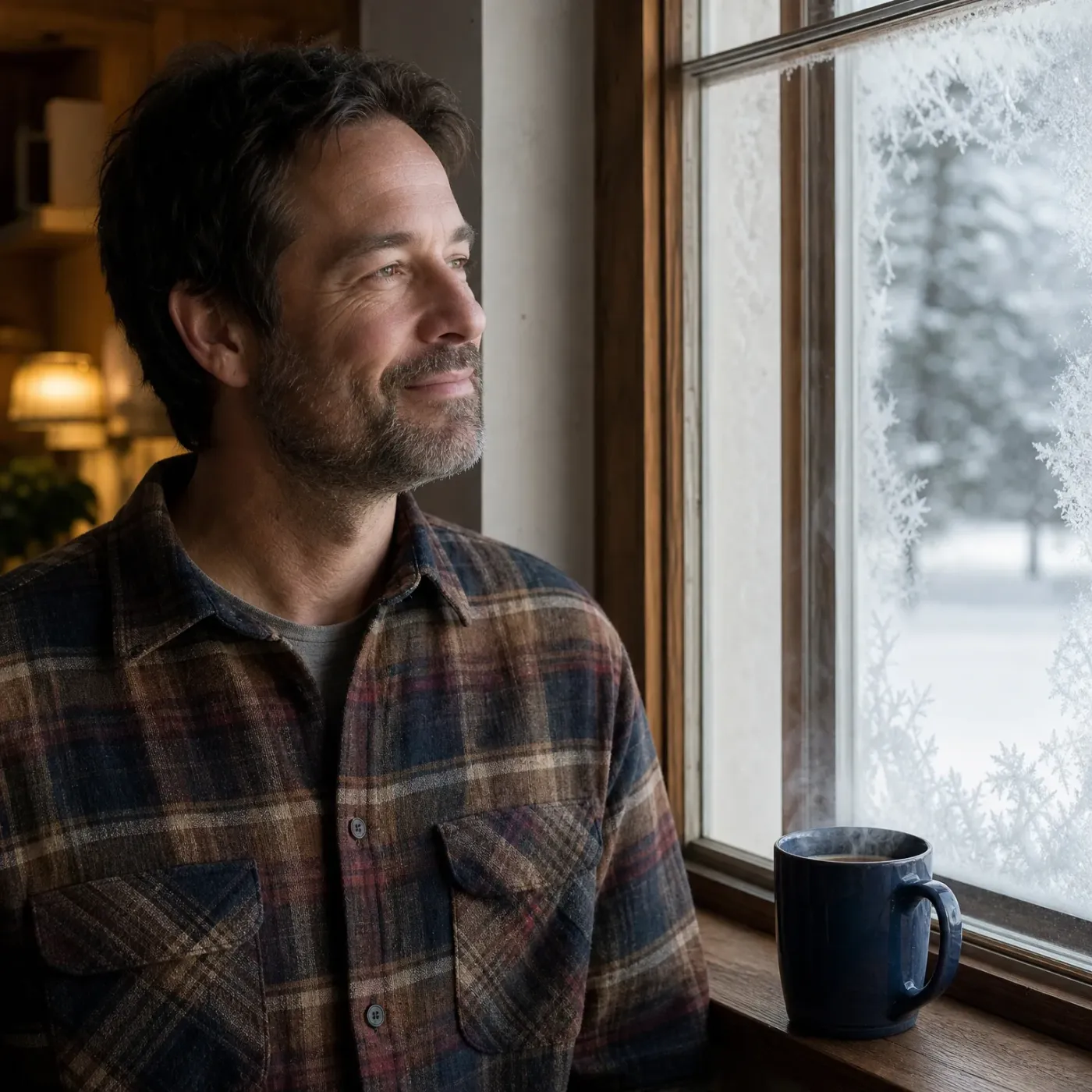
A bearded man in a plaid flannel shirt stands indoors looking out a frost-covered window, with a steaming dark blue mug on the wooden sill and snow-covered trees outside.
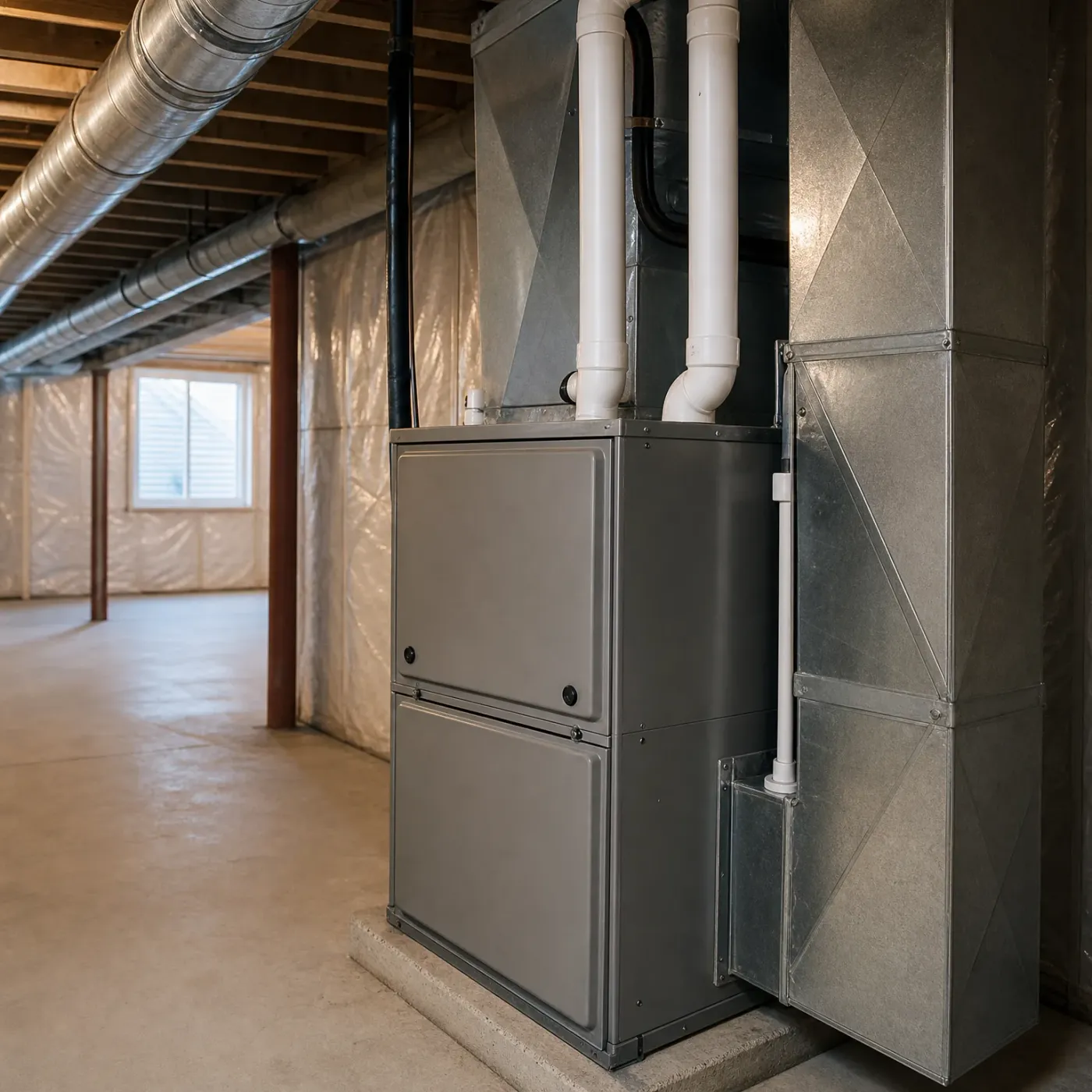
A gray high-efficiency furnace on a concrete pad in an unfinished basement, with white PVC vent pipes, galvanized sheet-metal ductwork, insulated walls and a small window in the background.

Done looking for a furnace pro

Describe what your furnace is doing once, in one form.

One request and the search for a pro is handled.

Fill out one form

It costs nothing to send, and you don't have to hire anyone.

A closed silver laptop and a white cup of coffee on a saucer sit on a wooden table in front of a wooden chair, a plain beige wall, a potted leafy plant and a window with greenery outside.

A cold snap in O'Fallon doesn't wait

A furnace that quits on a 25°F night in St. Charles County shows up fast. The thermostat drops a degree, then another, and by morning the house feels it in the floors first. If you've got pipes running along an outside wall, a long cold stretch without heat is how those freeze. That's the real risk here, not just a chilly living room.

Most people in this situation start where you'd expect: searching for a furnace repair company, calling a couple, waiting on callbacks, explaining the same problem three times before anyone shows up. That's time you don't have when it's January and dropping. Send the form on this page and that search is done. You're not sorting through reviews or waiting by the phone. Someone licensed to work on your furnace gets your information and the finding-help part of this is off your plate.

A wooden table holding a stone vase with a bare branch, two stacked books and a small dark bowl, beside a window with green foliage outside and a sofa in the dim background.
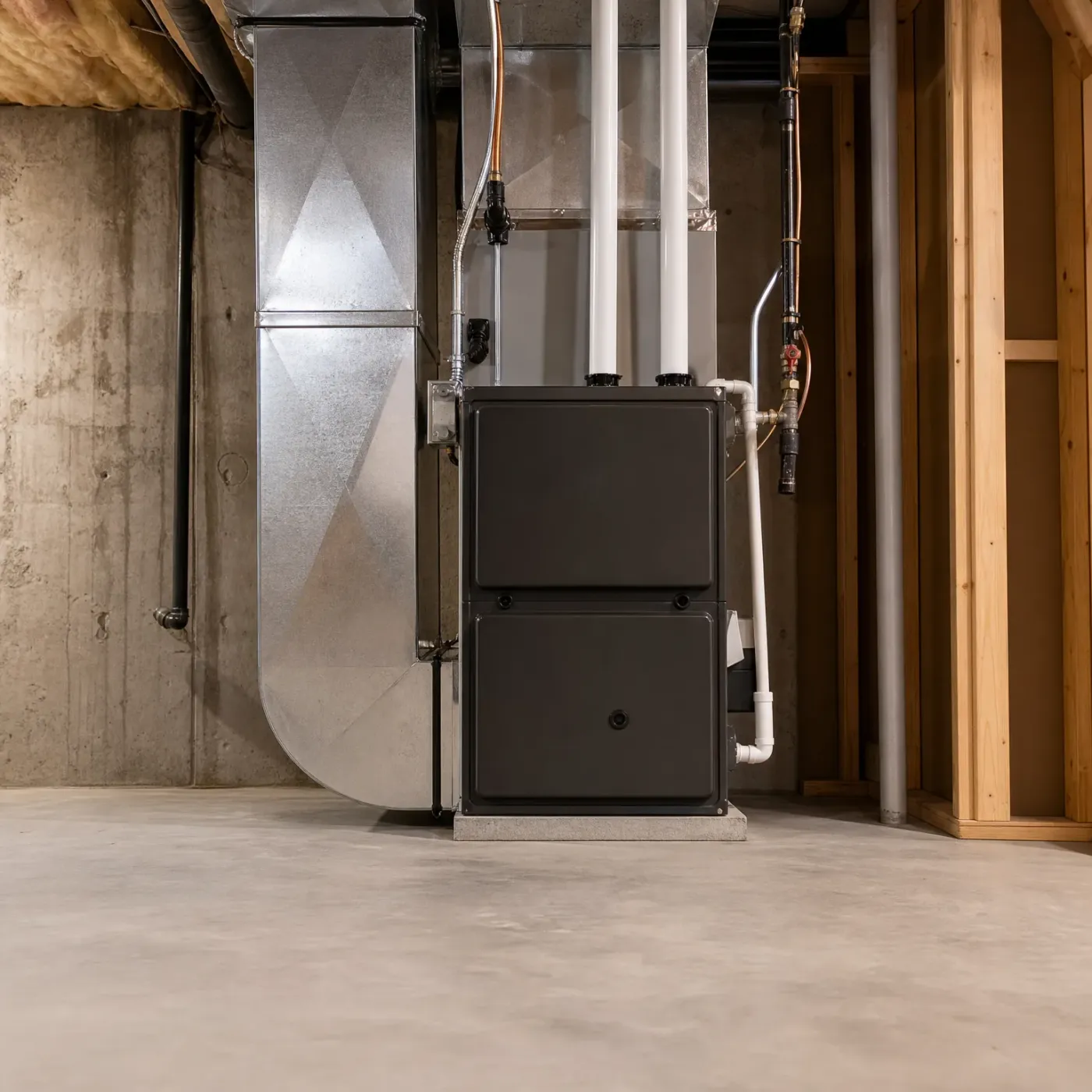
A dark high-efficiency furnace on a concrete pad in a basement, connected to galvanized ductwork, white PVC vent pipes, and copper and black gas piping, with concrete walls and wood framing nearby.

Running the way it should

A furnace like this sits clean, with the ductwork, exhaust pipes and gas line all connected tight and square. No rust on the cabinet, no scorch marks near the burner. A unit in this shape is doing its job quietly, seven months a year.
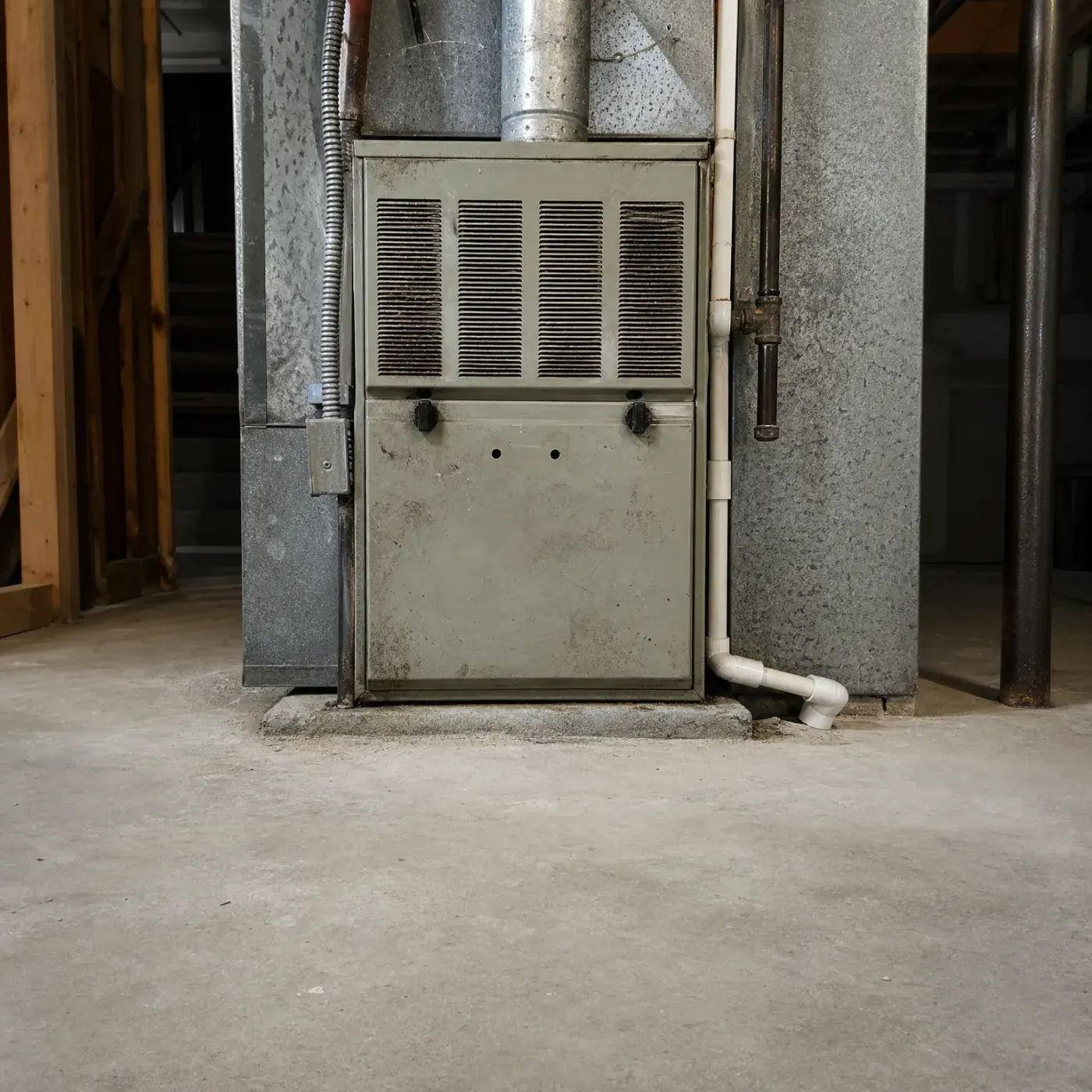
A gas furnace with a louvered upper panel stands on a concrete pad in a basement, flanked by sheet-metal ductwork, white PVC and metal pipes, and insulated columns.

Signs it's heading for trouble

This furnace is older, and the flexible conduit and condensate line running to the floor are worth a look if either is cracked or pulling loose. A furnace that reaches this age without a tune-up is more likely to leave you without heat on a cold night.

Winter nights average 25°F

At 25°F, a house without heat doesn't coast for long. Floors and windows cool first, then the rooms farthest from the furnace. If your furnace quit tonight, that's the clock you're working against, not tomorrow afternoon.

NOAA nClimDiv 1991-2020

A furnace that quits in St. Charles County is not something to sit on, not with winter nights averaging 25°F and the cold working into the floors within hours. The fix is the same whether it is the igniter, the pressure switch or the flame sensor: get someone licensed to look at it before the house gets any colder. What usually eats the time is the part before that, calling around to find someone free, explaining the same problem two or three times, and sorting through quotes to see who actually knows gas furnaces. Sending one form here skips that part. You describe the problem once, and the search for who can come out stops being your job. What's left is the actual wait for the fix, not the hours spent lining it up. In a house that's losing heat tonight, that difference is the one that matters.

A dark wood cabinet with a paneled door and a ceramic pot of green foliage on top stands in a beige-walled room with white baseboard, a window at left, hardwood floor, and a patterned area rug.
A dark wood glass-front cabinet holding folded towels, woven baskets and a ceramic vase stands in a bathroom corner beside a window, with a potted fern and stacked towels on top and a freestanding tub partly visible at left.
A woven basket holding a green cushion and a cream fringed knit throw sits on a wood floor in a room corner beside a window and a dark wooden cabinet.
Corner of a room with a dark wood cabinet topped by a round vase, a linen curtain at a window, white baseboard, oak plank flooring with sunlight patches, and a woven jute rug in the foreground.
A dark wood sideboard against a pale wall holds a shallow stone bowl and a round ceramic vase with leafy branches, with sunlight from a curtained window falling across the wall, wood floor and woven rug.

It's off your list after this

Skip calling shops to ask who repairs furnaces in St. Charles County.

Skip the search

No charge to send it. You decide if you hire them.