What size generator runs a furnace in Missouri

A local installer who puts in furnaces gets your project.

Find a pro near me

What size generator do I need to run my furnace?

Winter power outages in Missouri are the kind of thing that makes you think twice about your gas furnace. It won't run without electricity, since the blower, control board and igniter all need power even though the heat itself comes from gas. If you're looking at a generator, you want to size it right the first time instead of guessing and finding out during an ice storm that it's not enough.

Most furnaces need a generator between 5,000 and 7,500 running watts

A gas furnace itself doesn't take much power to run. What draws the most is the blower motor starting up, and that pull is higher for a moment than what it needs once it's running. A generator sized for your furnace has to cover that startup surge, not just the steady draw. Most homes here get by with something in the 5,000 to 7,500 watt range, but the exact number depends on your furnace's horsepower and whether the generator is also expected to carry anything else in the house during an outage. Checking the nameplate on your furnace or the specs from when it was installed is the only way to know your actual draw.

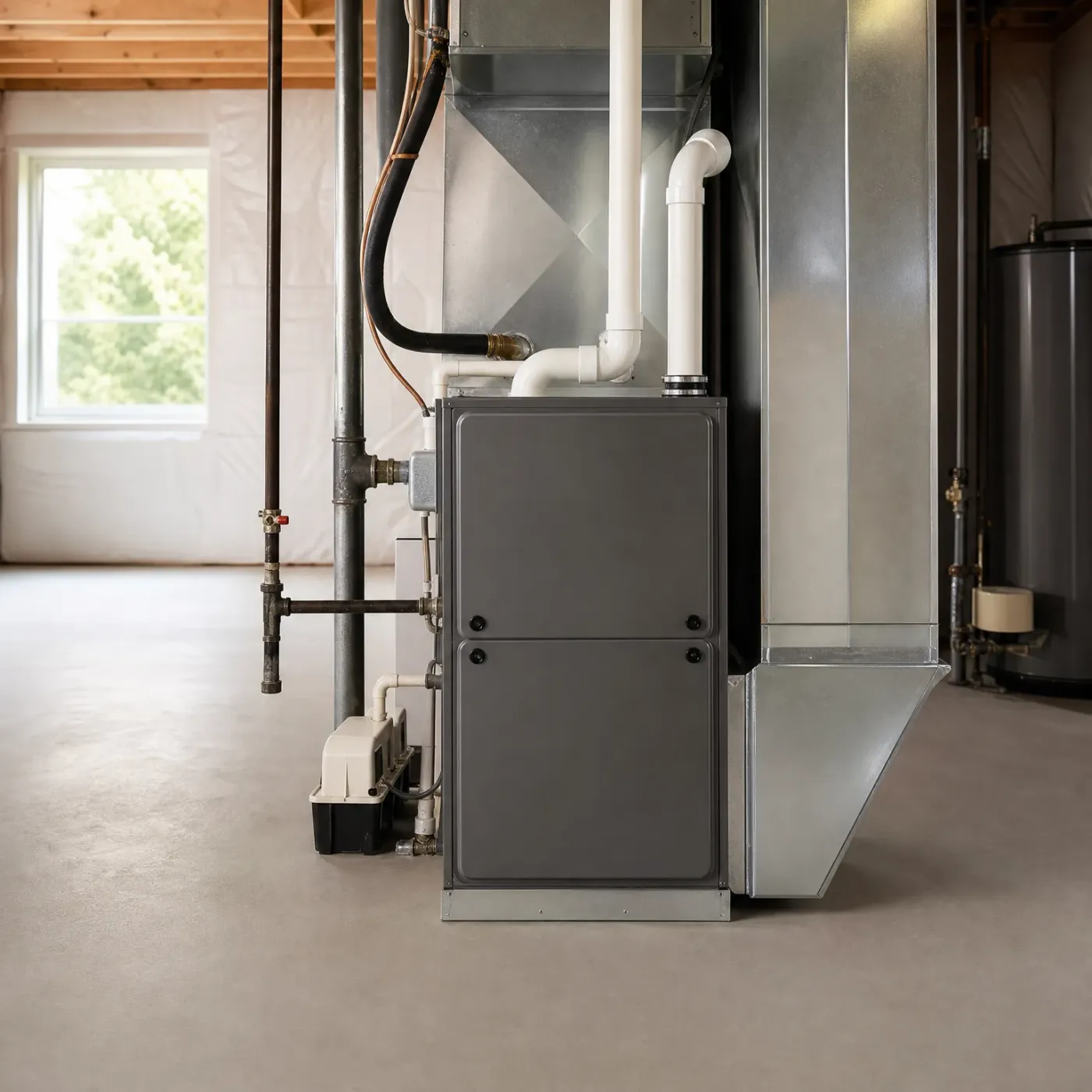
A gray high-efficiency furnace in a basement with sheet-metal ductwork, white PVC vent pipes, metal plumbing lines, a condensate pump on the floor, and a window showing green trees outside.

Running on the right generator

The blower kicks on, the igniter fires, and the furnace heats the way it's supposed to. A generator sized to cover the startup draw keeps every part working together instead of tripping the breaker when the blower motor first spins up.

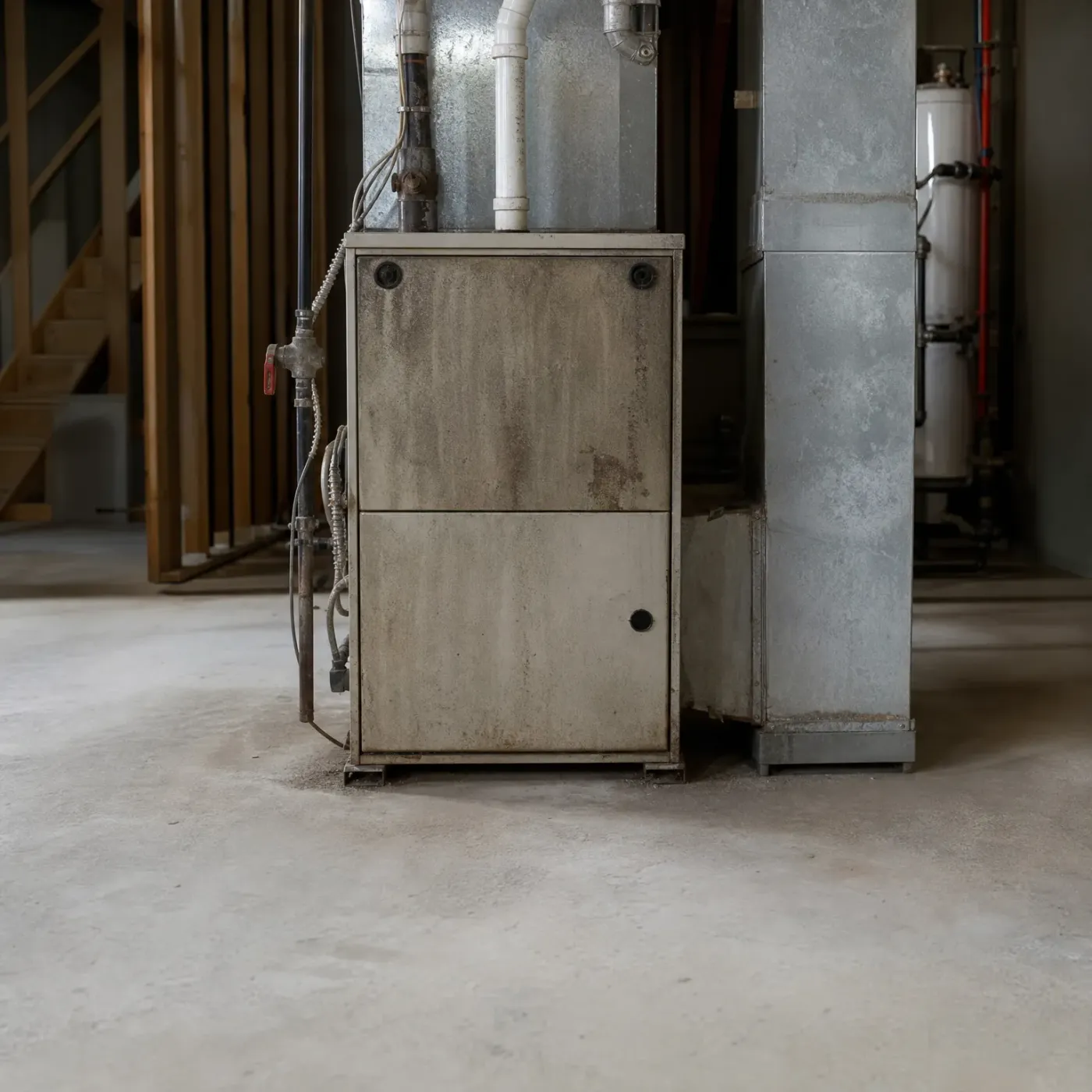
An older metal furnace with PVC and metal pipes stands on a concrete basement floor beside galvanized ductwork, with wooden stairs and a water tank in the background.

Guessing on generator size

Undersized power means the blower stalls or the control board resets mid-cycle. The furnace may try to start, fail, and try again, and in a Missouri ice storm that's the night you're stuck checking the breaker instead of staying warm.

Why does the furnace stop the moment the power does

The lights go out and the house goes quiet fast. No blower noise, no warm air from the vents, nothing from the thermostat. That's the furnace sitting dead even though the gas line is fine, because the ignition and the blower both run on electricity. If the outage drags into a second day, you'll feel the house losing ground, especially overnight. Pipes along outside walls are the first thing at risk once the inside temperature keeps dropping. An undersized generator can look like it's working and still fail the moment the blower motor tries to start, which is often how someone finds out their setup was wrong in the first place.

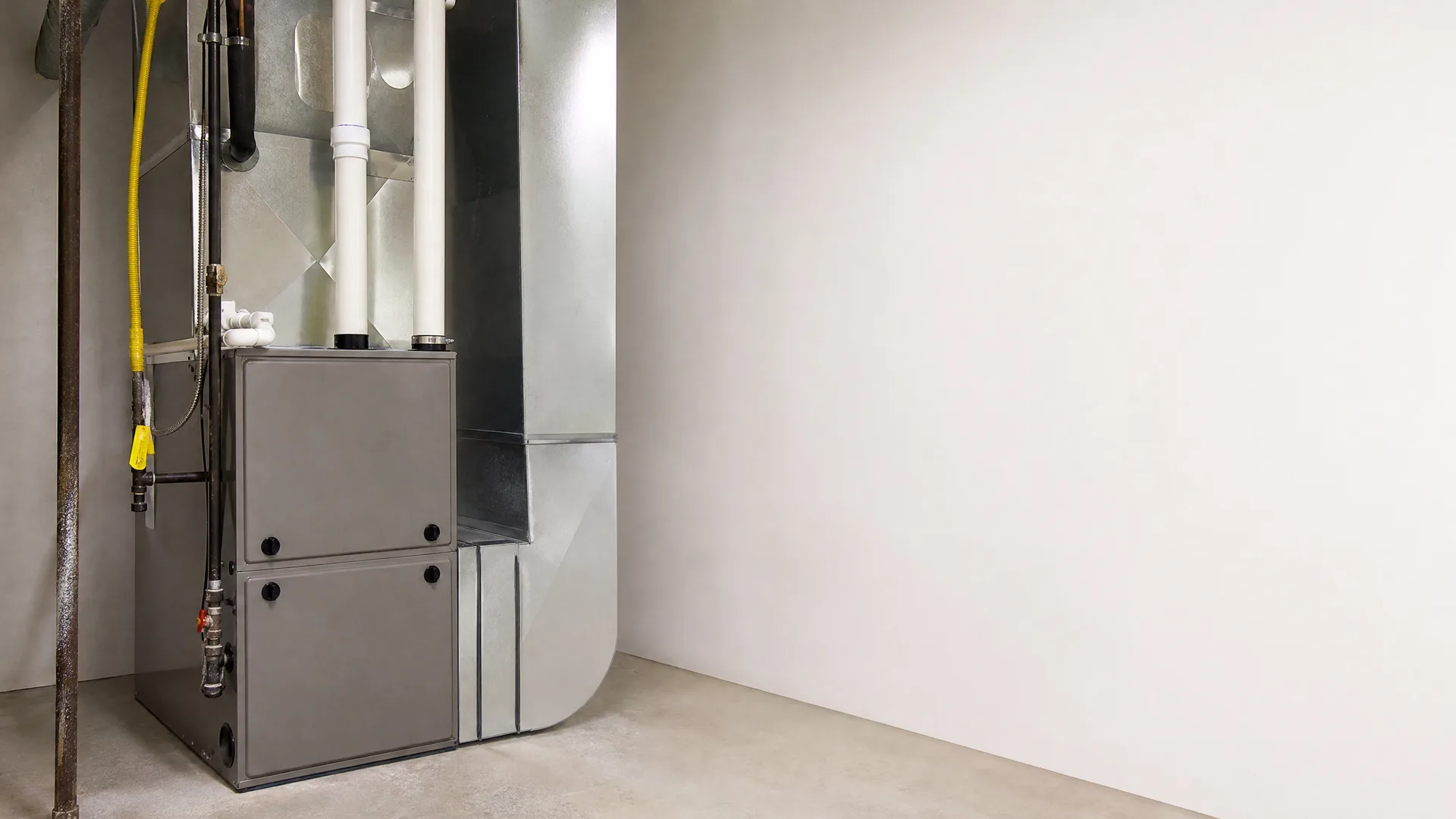
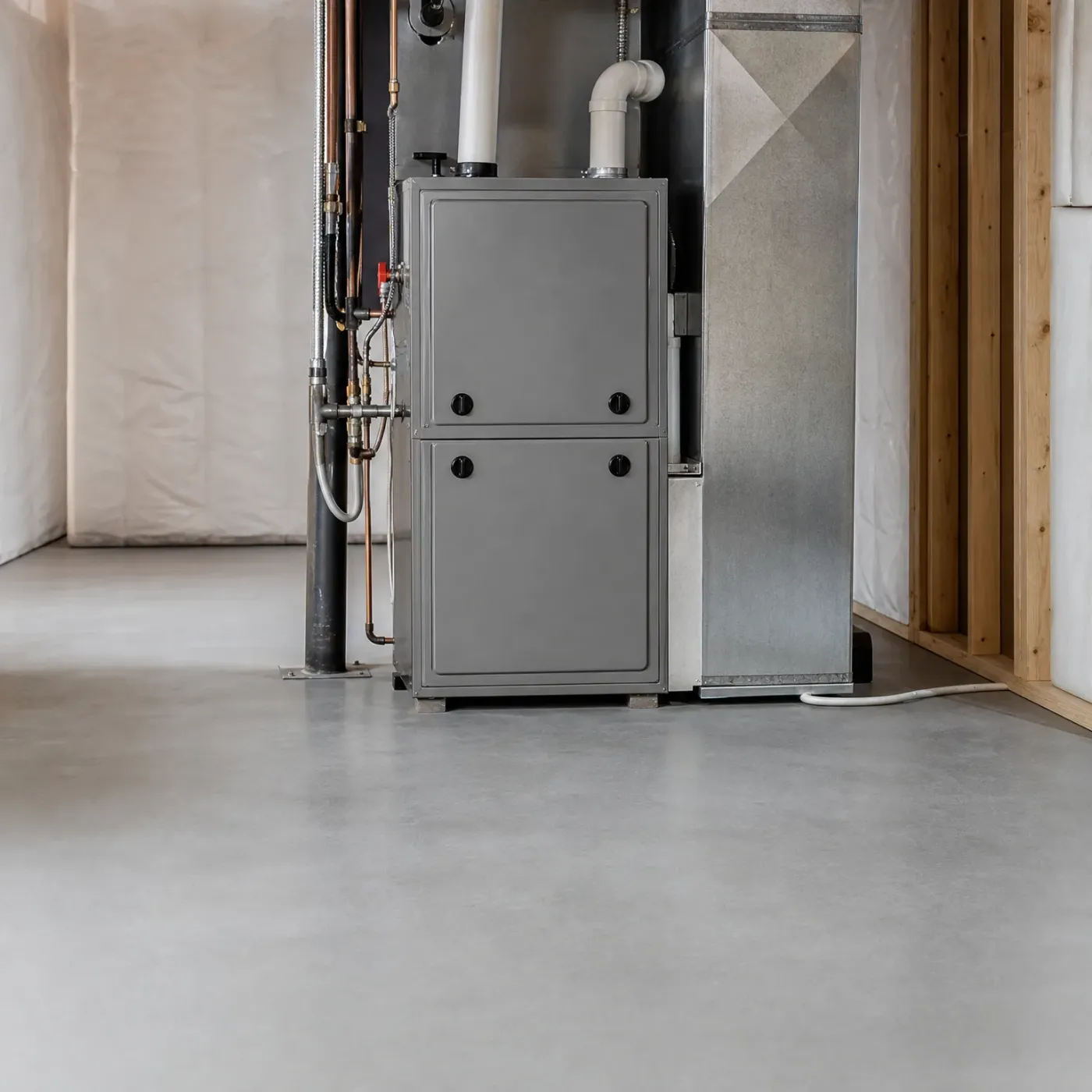
A gas furnace with two gray access panels stands against a plain wall in a basement, connected to sheet-metal ductwork, white PVC vent pipes, and a yellow gas line.

The blower motor sets the number

A furnace blower draws a lot more power the instant it starts than it does once it's running. That jump is called starting watts, and it's higher than the running watts most spec sheets lead with. A generator picked only for running watts can supply power fine right up until the blower kicks on, then stall or trip. Sizing for the startup draw, not just the steady load, is what keeps the furnace from cutting out the moment it matters most.

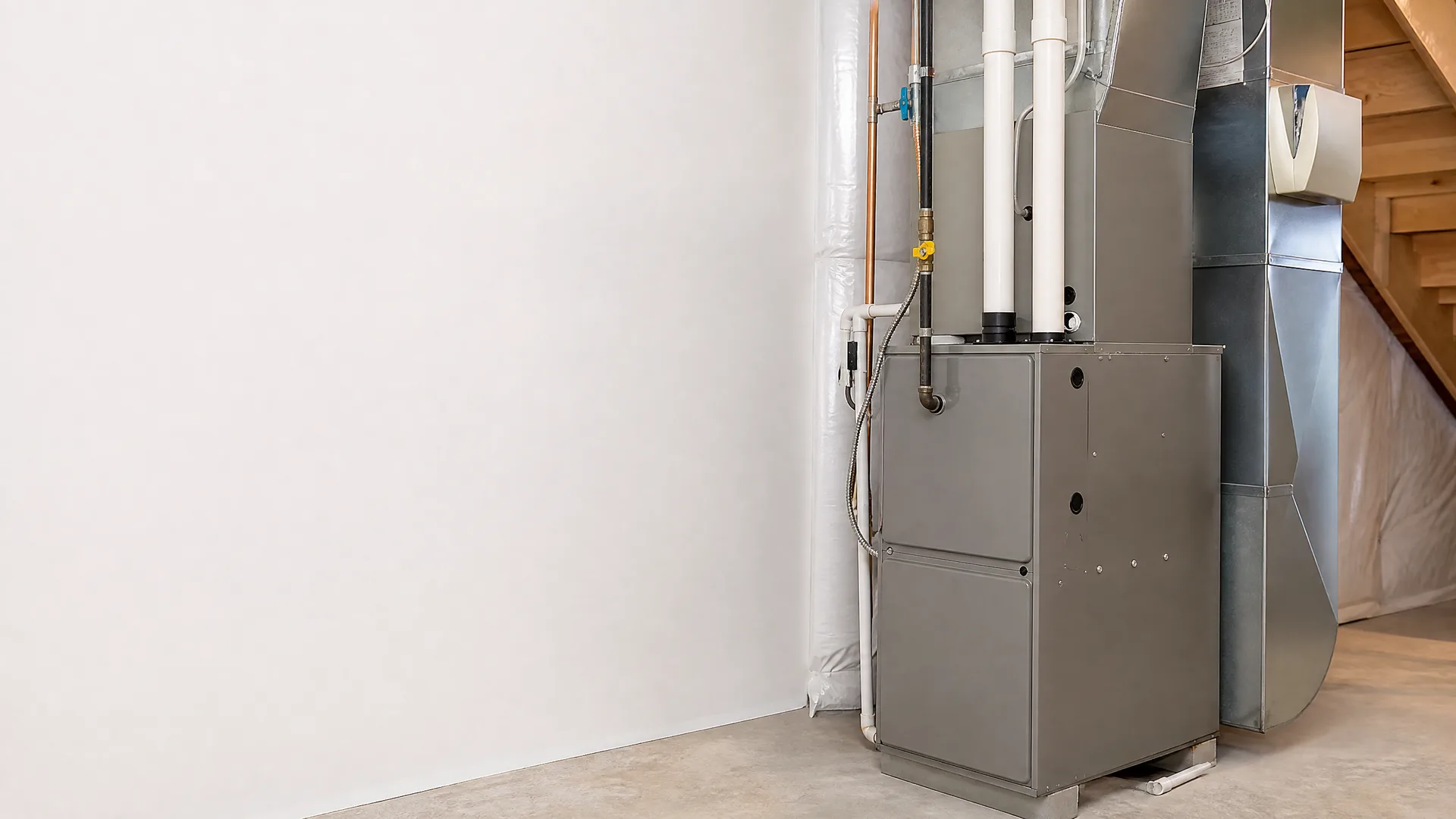
A gray high-efficiency furnace in a basement corner with white PVC vent pipes, copper and black gas piping, and sheet-metal ductwork beside a plain white wall and wooden stair framing.

What else draws power at once

The furnace isn't the only thing pulling from the generator during an outage. A sump pump, a refrigerator, a few lights, maybe a space heater in a cold bedroom all add their own load on top of the furnace's draw. Add those up before settling on a size, since a generator that covers the furnace alone can still come up short once the rest of the house is running on it too. That's the number worth getting right before anything gets installed.

Portable or standby for your furnace

Portable generator

  • Needs a transfer switch to feed the furnace circuit safely instead of running an extension cord through a window.
  • Has to be refueled by hand every several hours, which means going outside in the cold to check it during a storm.
  • Sits outside the house, so it has to be started manually once the power drops and the furnace won't restart on its own.
  • Running watts in the 3,000 to 5,000 range cover most gas furnaces, but the blower's startup draw is what decides if it trips.
  • Costs less to buy than a standby unit, but someone has to be home to run it for the furnace to stay on.

Standby generator

  • Wired permanently to the house and starts on its own within seconds of an outage, so the furnace doesn't sit cold while you find the portable.
  • Runs on the natural gas or propane line already feeding the house, so there's no fuel to haul or store.
  • Sized at installation to cover the furnace's startup draw along with whatever else is on the same circuit.
  • Keeps running as long as the outage lasts, since it draws fuel from the line instead of a tank that needs refilling.
  • Installation involves an electrician and the gas line, so it's a bigger job up front than plugging in a portable unit.
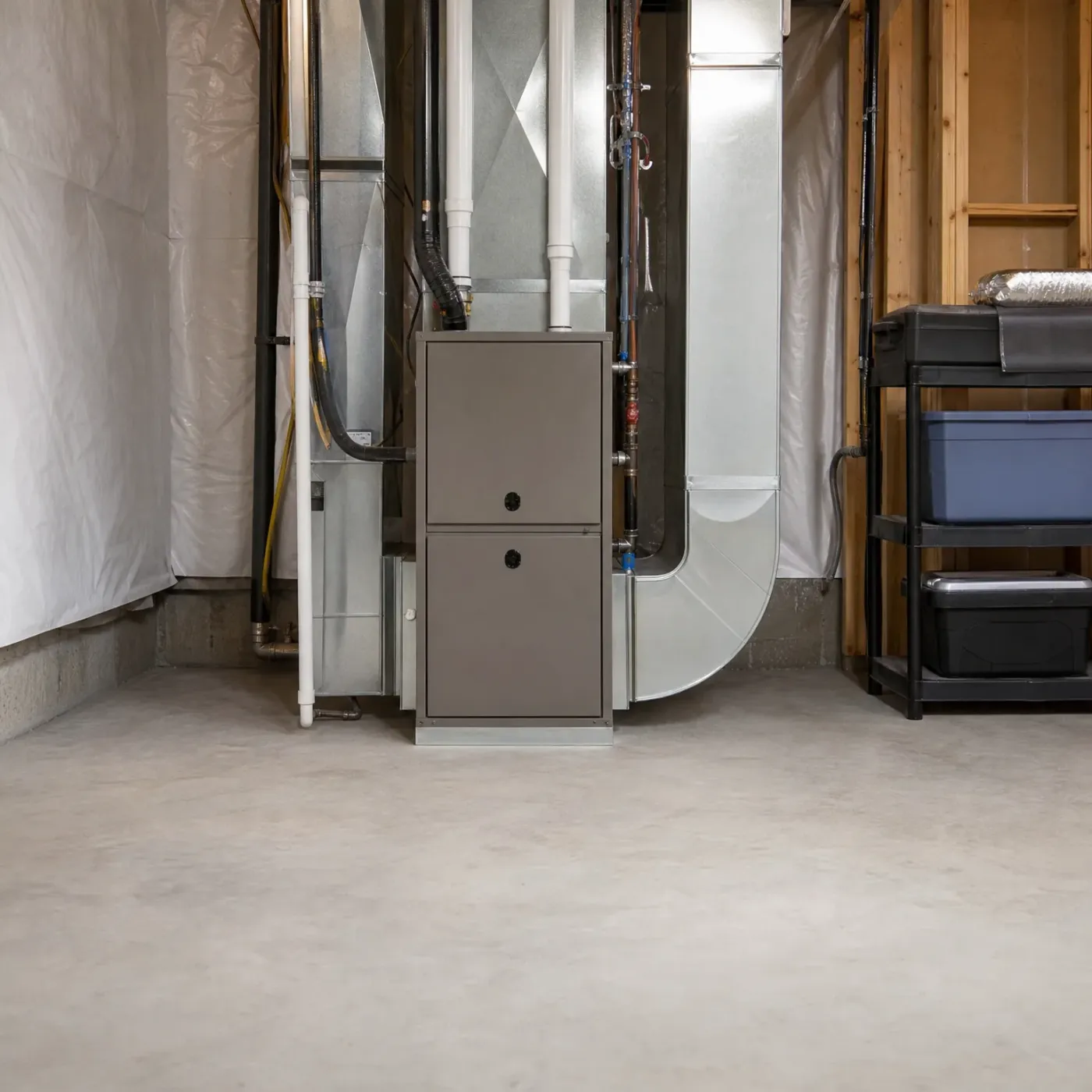
A basement utility area with a gray furnace, sheet-metal ductwork, pipes, plastic-covered walls, a concrete floor, and a black shelving unit holding storage bins.

Furnace on backup power

This is what a generator sized for the startup draw keeps running. The blower pushes air through the ductwork, the igniter lights, and heat comes out of the vents like any other night. Gas keeps flowing from the line since that part never needed electricity.

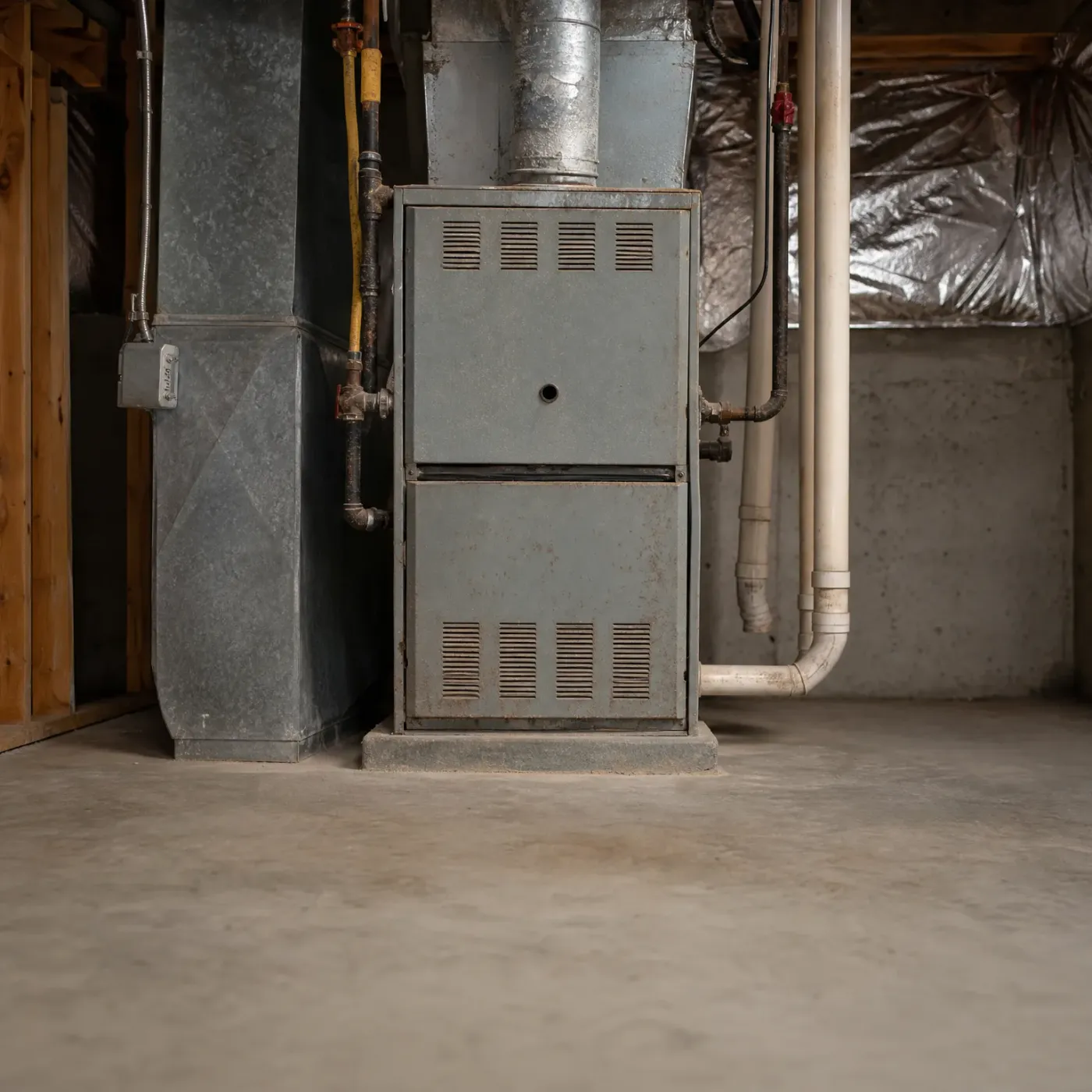
A gray metal furnace with louvered vent panels stands on a concrete basement floor beside galvanized ductwork, gas and plastic pipes, and foil-faced insulation along the ceiling and wall.

Furnace with no power

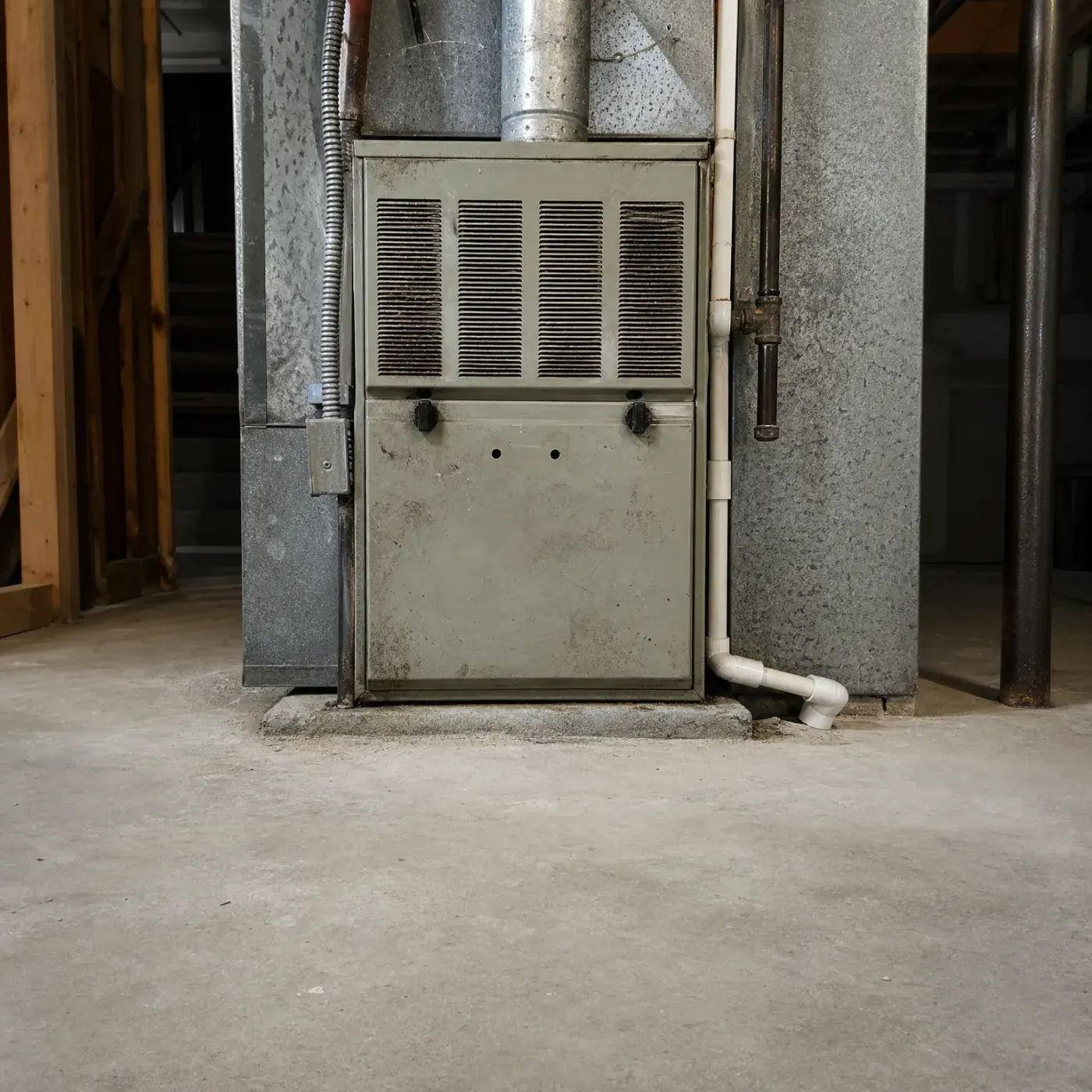
This is what sits in the basement once the outage hits and the generator can't cover the load. The cabinet goes quiet, the igniter has nothing to fire with, and the gas line behind it does nothing on its own. Age and rust aside, no furnace runs on gas alone.

A woman wrapped in a thick beige fleece blanket sits on a sofa with an open book on her lap, beside a lit table lamp, with a frost-covered window behind her.
An older woman with gray hair in a bun and glasses, wearing a beige knit sweater, smiles while looking to the side in a warmly lit kitchen, with a loaf of bread on the counter in the foreground and a snowy scene outside the window.
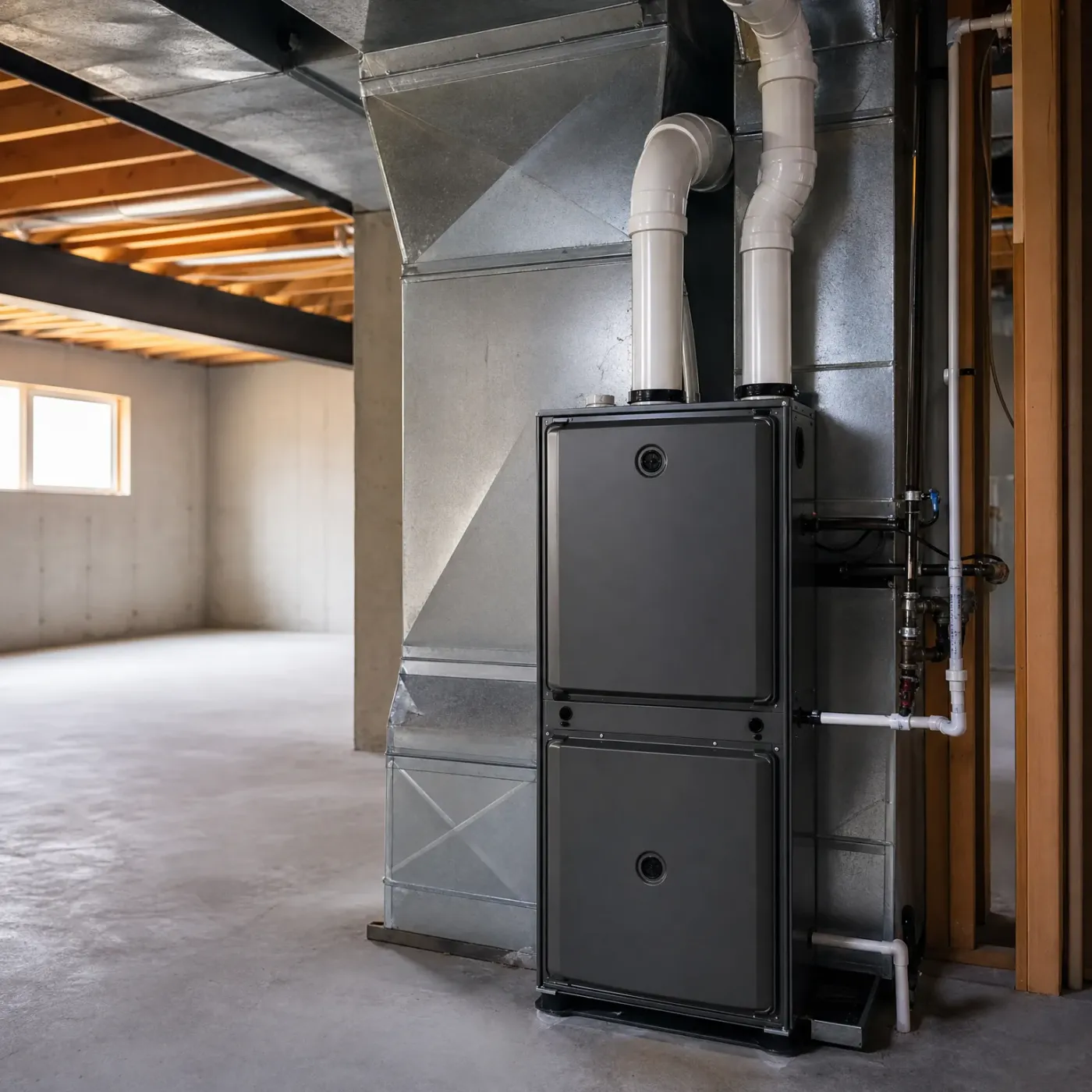
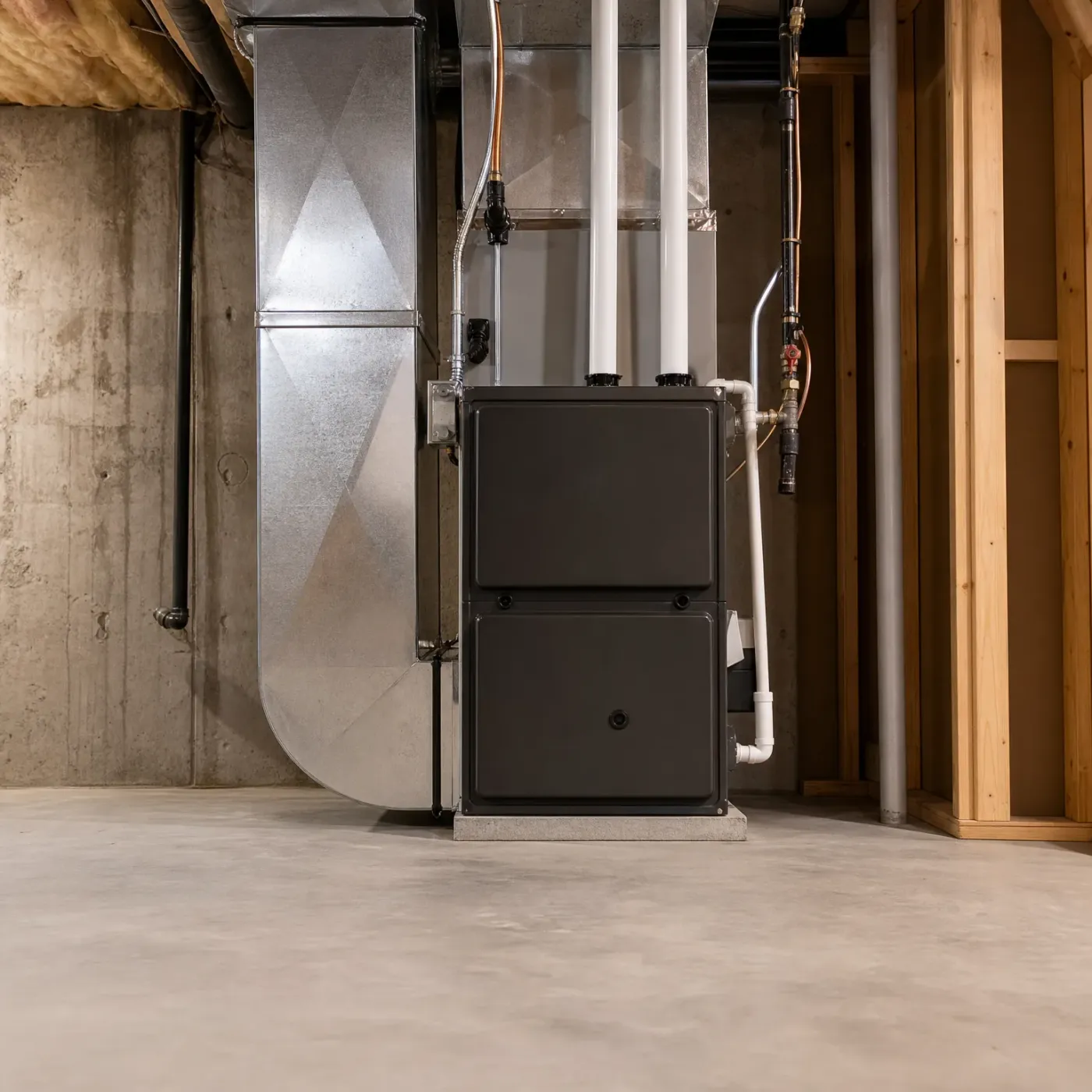
A gray high-efficiency furnace with two white PVC vent pipes stands against sheet-metal ductwork in an unfinished basement with concrete floor and walls and exposed wood joists.

Matched to your furnace job

Skip searching for a furnace pro and answer a few questions instead.

Get in touch with a local installer about a new furnace.

Get my match

There's no charge for the request.

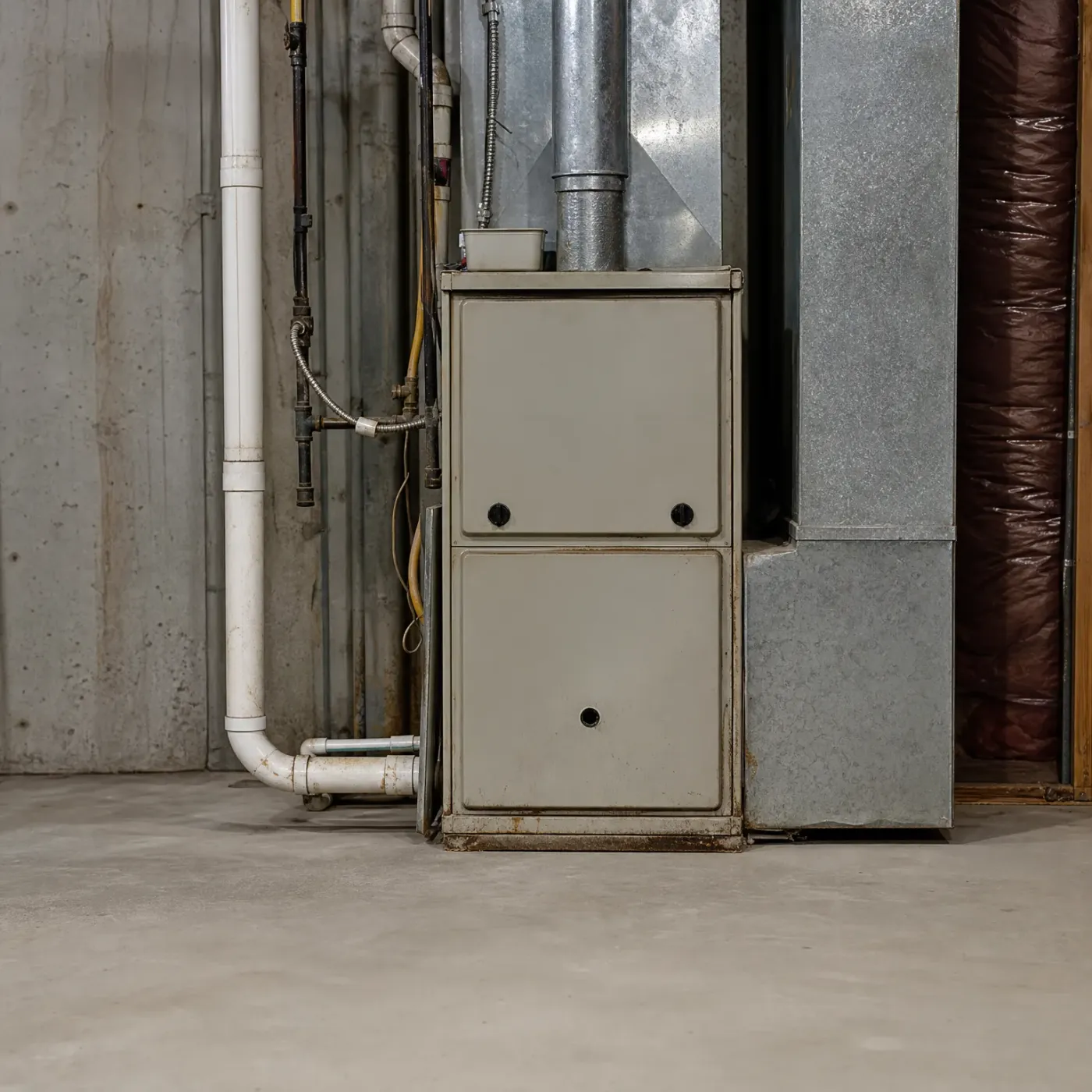
A beige furnace with two access panels stands against a concrete basement wall, with galvanized sheet-metal ductwork, a white PVC pipe, flexible conduit and insulated ducting around it.
Before you get your furnace installation
A gray furnace with white PVC vent pipes stands beside sheet-metal ductwork in a basement with a smooth concrete floor, exposed wood framing, and plastic sheeting on the walls.
After you get your furnace installation

How the furnace checks itself

  • The control board runs a startup check before it lets the igniter or blower do anything.
  • Once the board sees a call for heat from the thermostat, it opens the gas valve in a fixed sequence, not all at once.
  • The igniter has to reach full temperature before the board allows gas to flow, which takes several seconds.
  • A flame sensor confirms the burner actually lit before the blower motor is allowed to start.
  • If the generator's voltage dips during that startup draw, the board can read it as a fault and shut the whole cycle down.
  • Most furnaces will retry the ignition sequence a few times before locking out and waiting for a reset.

A furnace doesn't just fire up the second the thermostat calls for heat. The control board runs through a sequence first, checking that the inducer motor is clearing the heat exchanger before it does anything else. Only after that check passes does the board open the gas valve, and it does this in steps, not all at once. The igniter has to climb to full temperature first, which takes several seconds, and the board won't send gas until it gets there. Once gas flows and the burner lights, a flame sensor has to confirm there's an actual flame, a small metal rod that reads the electrical signal a flame gives off. Only then does the board let the blower motor start pushing air through the ductwork. Every one of these steps needs steady voltage to read correctly. If a generator's output dips while the blower motor is starting, which is the biggest draw in the whole sequence, the board can misread that dip as a problem with the igniter or the flame sensor, even though neither failed. That reading is enough to make the board stop the cycle. Most furnaces won't just give up after one failed attempt. The board will retry the ignition sequence, usually a few times, before it locks out entirely and waits for the thermostat to be reset. A generator sized for that startup draw is what keeps the board from ever seeing that dip in the first place.

A dark high-efficiency furnace on a concrete pad in a basement, connected to galvanized ductwork, white PVC vent pipes, and copper and black gas piping, with concrete walls and wood framing nearby.
Sized right, the furnace keeps running through the outage without a hitch, start to finish.
A gas furnace with a louvered upper panel stands on a concrete pad in a basement, flanked by sheet-metal ductwork, white PVC and metal pipes, and insulated columns.
Undersized, the breaker trips the moment the blower motor pulls its startup draw, and the heat stops again.
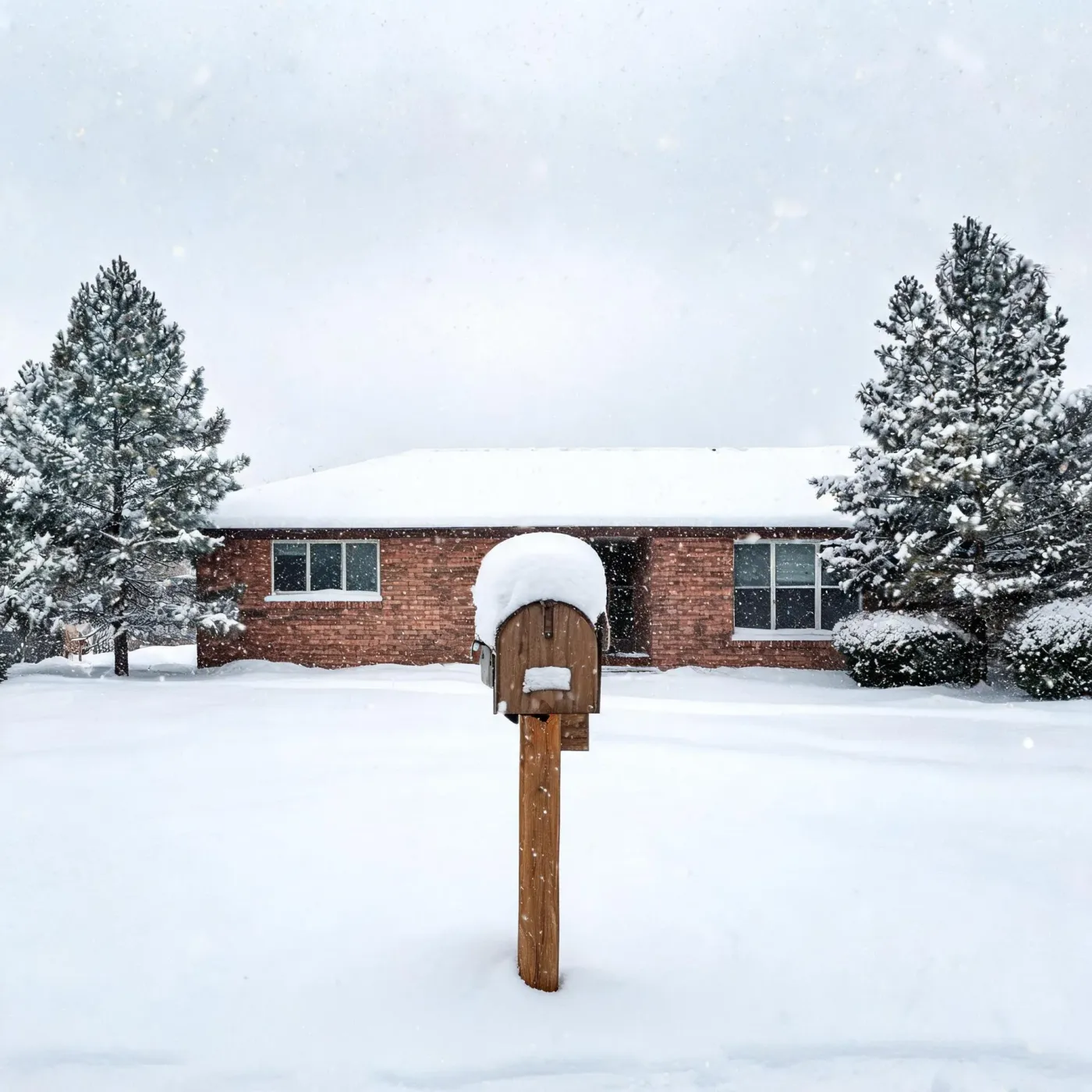
A snow-covered wooden mailbox on a post stands in a deep snowy yard in front of a single-story brick house flanked by snow-laden pine trees during falling snow.

Statewide, winter nights average 25°F, according to NOAA climate data. That's the stretch when a power outage turns into a real problem, not just an inconvenience. At 25 degrees, a house without heat starts losing warmth fast, and the furnace that would normally handle it can't do anything without power to the blower and control board. A generator sized for the startup draw is what keeps the furnace running through nights like that, instead of leaving you watching the thermostat drop while the gas still sits unused in the line.

NOAA nClimDiv 1991-2020 county normals weighted by homes

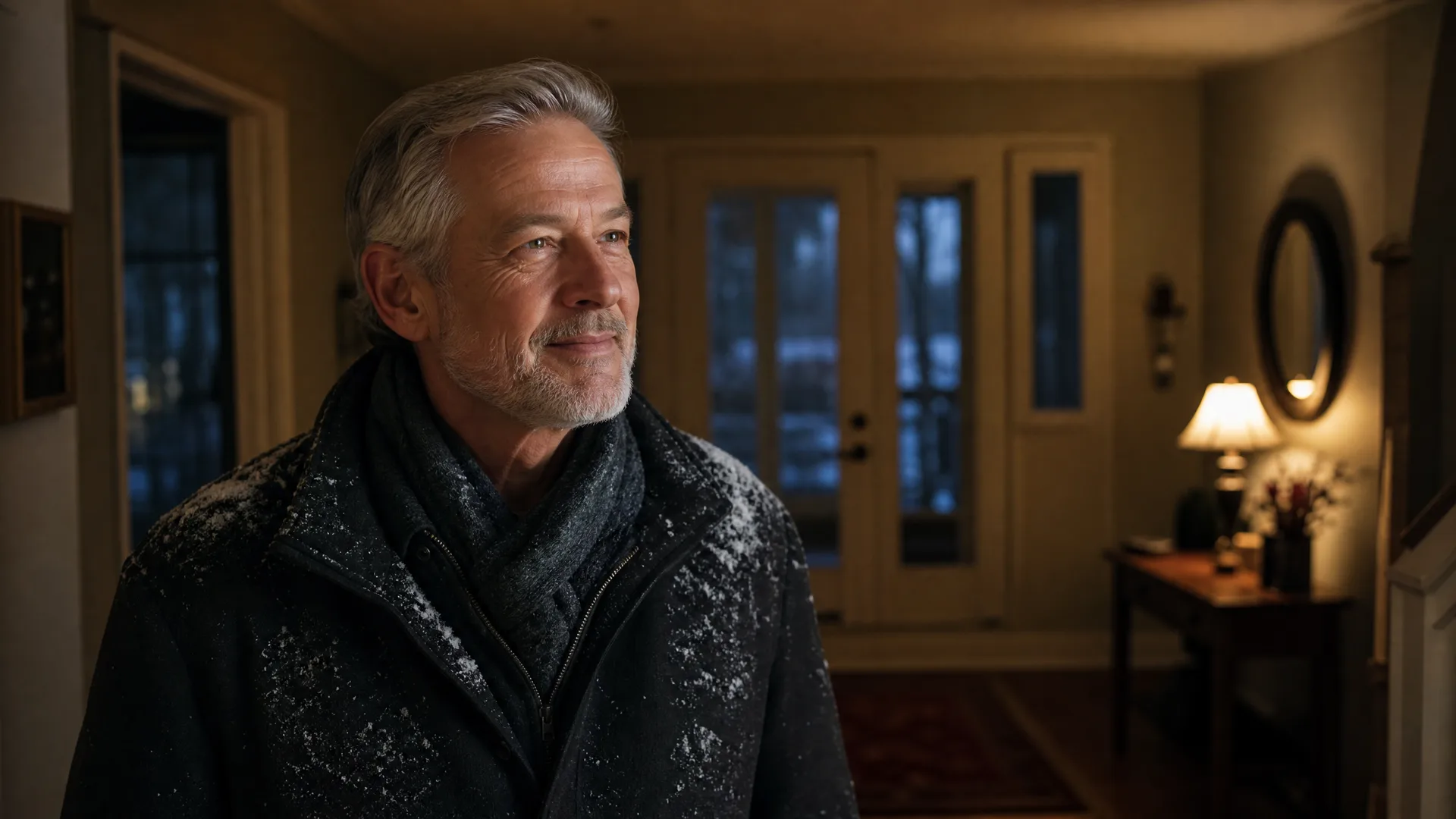
A gray-haired bearded man in a dark coat and scarf dusted with snow stands smiling in a dimly lit entryway with a white front door, a side table with a lit lamp, an oval mirror, and a patterned rug.
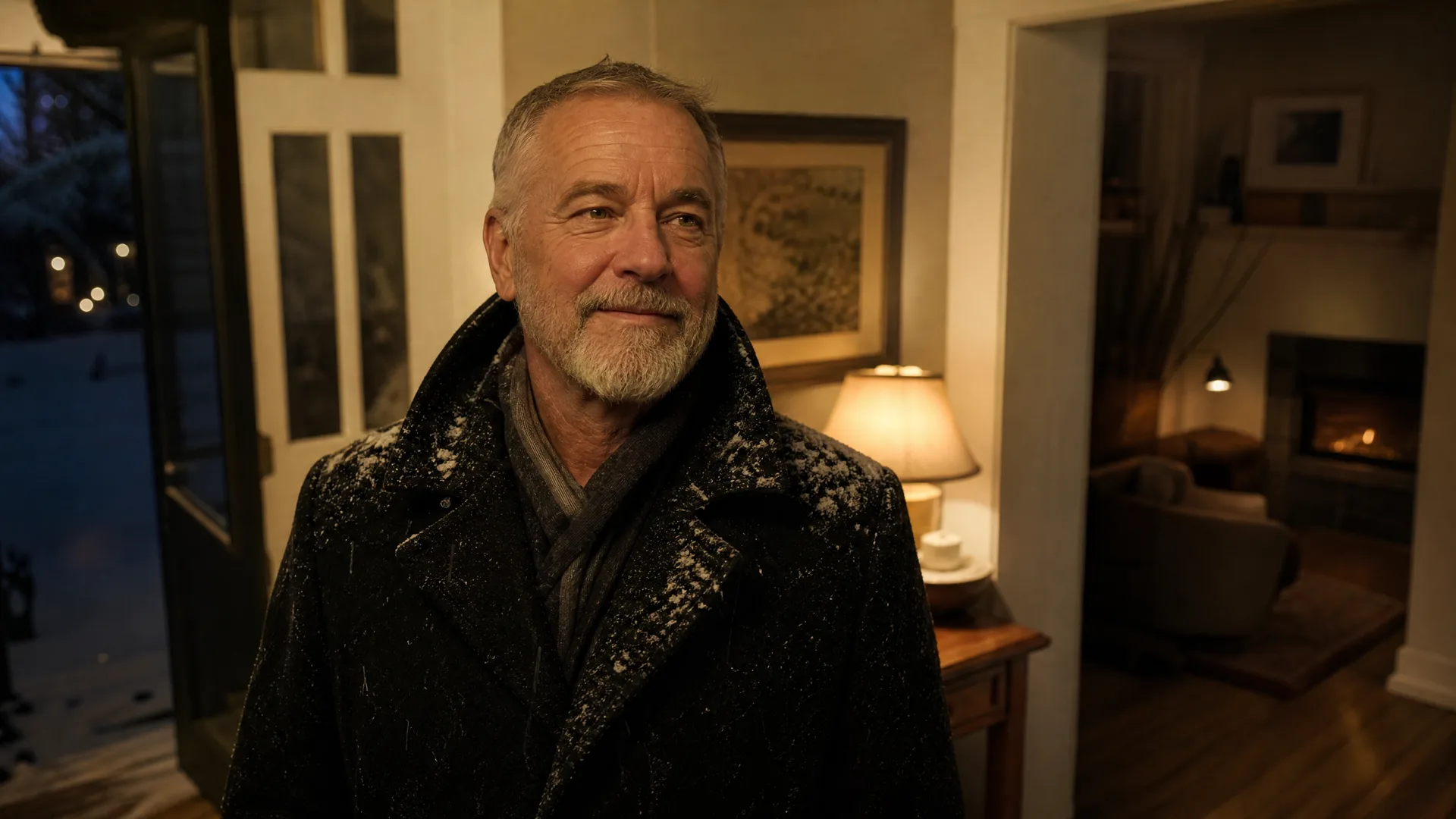
An older bearded man in a dark snow-dusted coat and gray scarf stands just inside a dimly lit home entry, with a framed picture, lit table lamp, and an adjoining room with a fireplace behind him, and snow visible through the open door.
A gray-haired, bearded man in a dark snow-dusted coat stands smiling in a dimly lit entry hall with a staircase, a lit table lamp, a framed picture, and a living room visible through a doorway.
An older man with gray hair and a beard, wearing a dark jacket dusted with snow, stands smiling in a dimly lit hallway with lamps and a living room visible behind him.
  1. The power drops, and the furnace control board shuts off with it.

  2. The generator starts and reaches full voltage before any load connects.

  3. The transfer switch shifts the furnace circuit onto generator power.

  4. The control board restarts its checks like any normal power-up.

Winter nights average 25°F statewide

Twenty five degrees is the average overnight low, so plenty of nights drop colder than that. A furnace that quits partway through one of those nights isn't a minor outage, it's pipes and comfort both at risk before morning.

NOAA nClimDiv 1991-2020 county normals weighted by homes

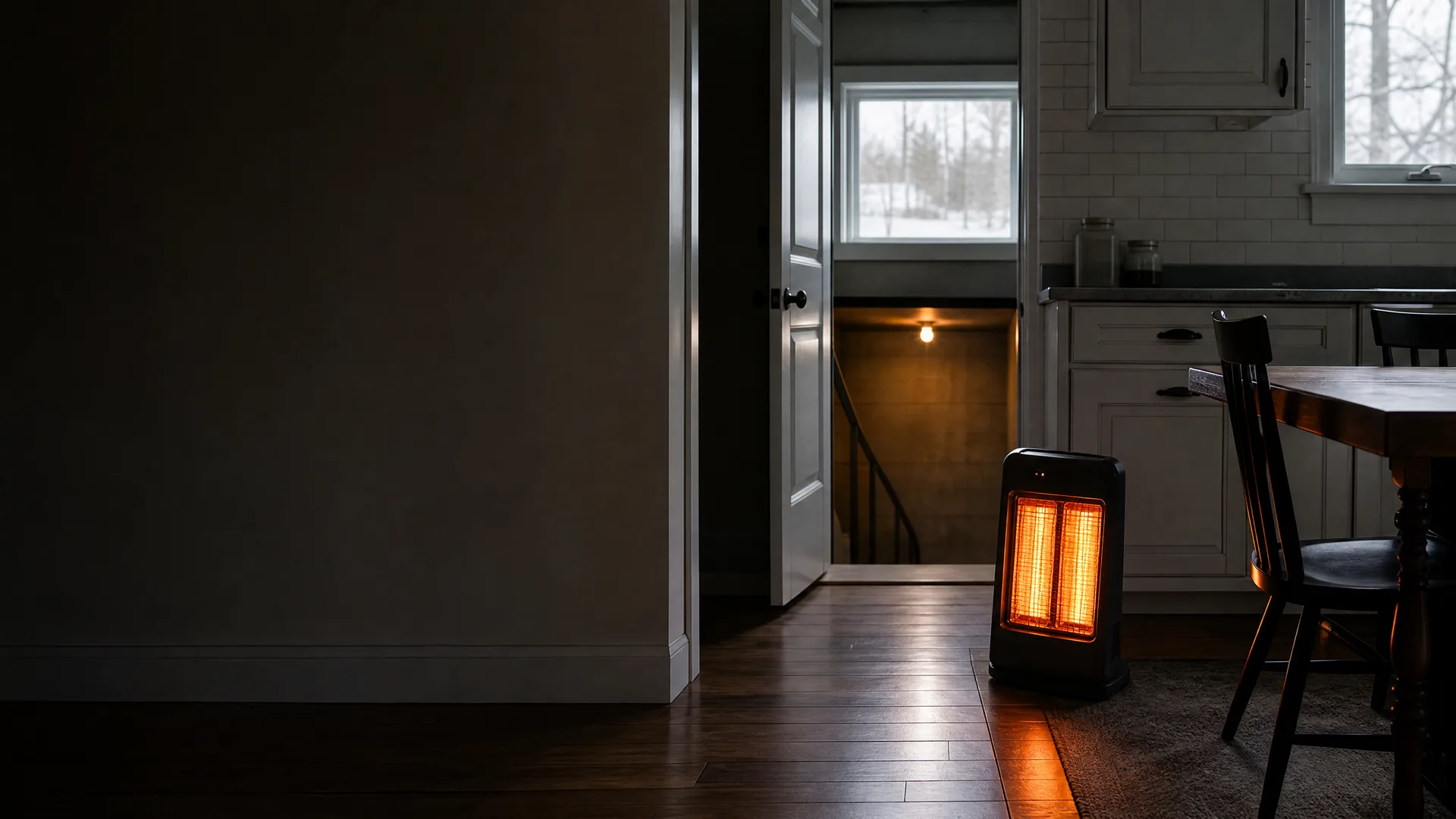
A portable electric space heater with glowing orange elements stands on a dark wood floor in a dim room beside an open door leading to a lit stairway, with a kitchen counter, window and wooden table and chairs at right.

It's just past six and still dark outside. The power's been out since the wind picked up around midnight, and the kitchen is lit by one space heater pulled in from the garage, its coil glowing orange next to the table. The basement door stands open behind it, the thermostat on the wall dark and useless. You've got a sweatshirt on over your pajamas and your hands wrapped around a coffee mug for the warmth more than the coffee. Outside the window, the thermometer reads 25. Somewhere down in the basement, the furnace sits cold and quiet, waiting on power that hasn't come back yet.


A furnace needs a generator sized for the blower's startup draw, not just the number on the running watts line, and that's what keeps the heat on when a Missouri winter storm takes the power out. Sizing it wrong means a tripped breaker and a cold house at the worst possible hour. Sizing it right, with a transfer switch installed to match your furnace's actual circuit, means the blower, igniter and control board all come back the moment the generator does. Getting there on your own means calling around to find someone who installs standby generators, explaining your furnace and your panel to each one, then sitting with a stack of quotes trying to tell them apart. Submitting your information here skips that part. It gets you matched with a contractor who installs generators sized to a furnace like yours, and they'll reach out to you directly. You still decide what to do next, but you won't be the one tracking down who's qualified to do it.

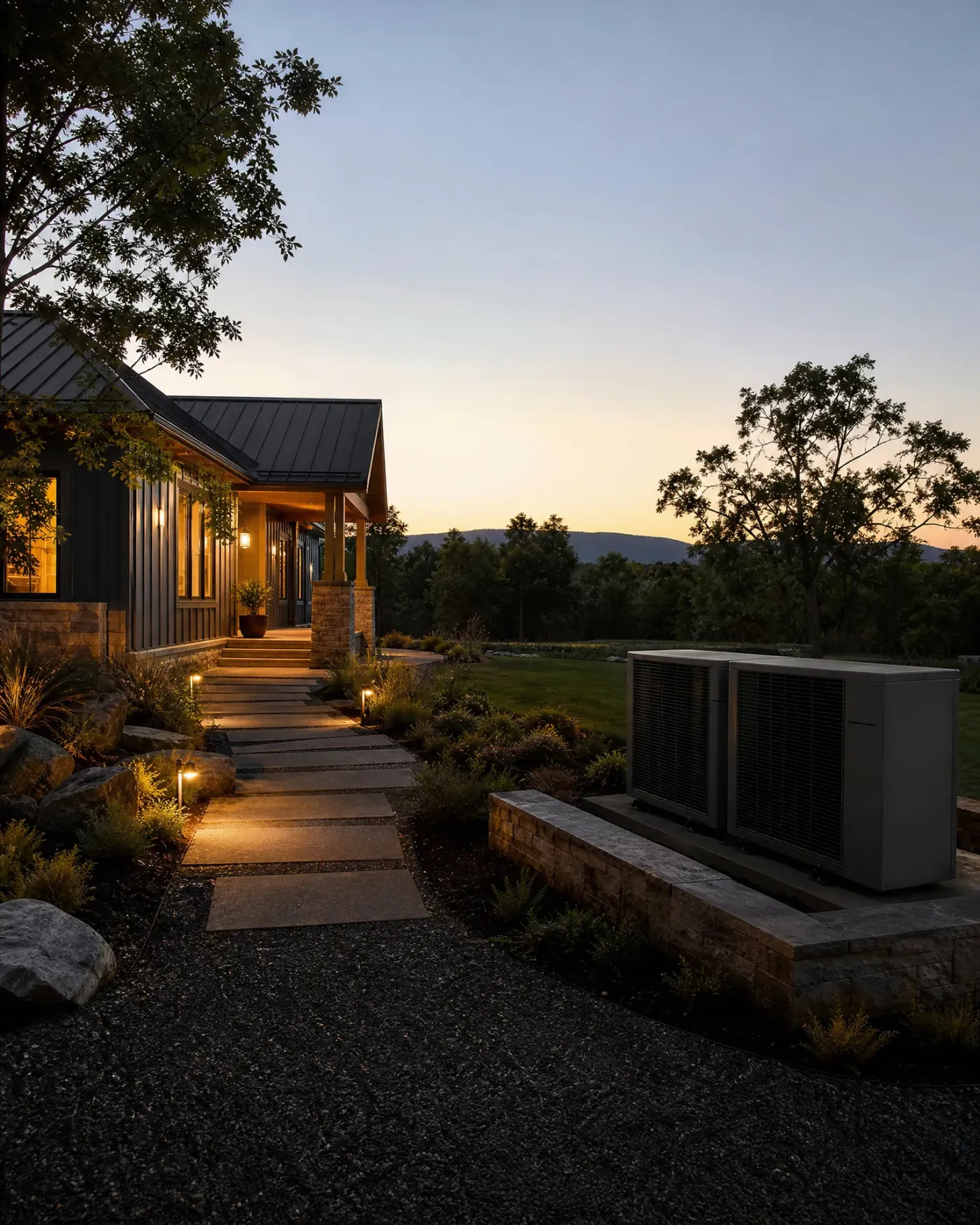
At dusk, a dark board-and-batten house with a standing-seam metal roof and lit entry walkway of stone pavers, with two large outdoor heat pump units on a stone-walled pad at right and trees and hills in the background.

Furnace Installation

A furnace pro near you

Step 1 of 3: Equipment
  • A corner of a room with an upholstered wood-framed armchair holding a floral pillow, a round side table with a ceramic lamp, books and a vase of greenery, a framed landscape painting on the wall, a patterned rug, and a sunlit multi-pane window.
    • Say what's going on with your furnace, and a pro who works on them reaches out.
    • A local pro who knows furnaces gets your details and gets in touch.
  • Interior corner with a wood-framed window showing green foliage outside, a framed landscape print on a beige wall, and a rounded stone vase of leafy branches on a wooden cabinet.
    • Send the form and the search for an installer is over.
    • Send the form and stop researching installers for the new furnace.
  • A pale ceramic vase holding olive branches sits on a dark wooden countertop beside a carved wooden dough bowl, next to a wood-framed window and a light painted plank wall.
    • Skip the round of in-home estimates for a new furnace.
    • Describe the project once instead of to every installer.
  • A dark wood round side table holding a brass lamp with a cream shade, a blue-and-white patterned bowl, and a white textured pot of greenery, beside an upholstered chair with a gray patterned cushion and a white-framed window showing green trees and flowering shrubs.
    • One installer gets your project, so there's no bidding war over it.
    • Only one pro gets your request, so you hear from one company.