Tell us about the job
Takes about a minute. No obligation.
The burner, the heat exchanger, and the ignition system on a furnace here cycle hard every fall and keep cycling until late spring. Homes in Bollinger County, MO run heat about seven months a year, from October through April. By the time a furnace shows a fault, those components have already absorbed seasons of repeated starts and thermal stress. A contractor diagnosing a repair in this county checks the ignition system and the heat exchanger first, because that is where the wear lands.
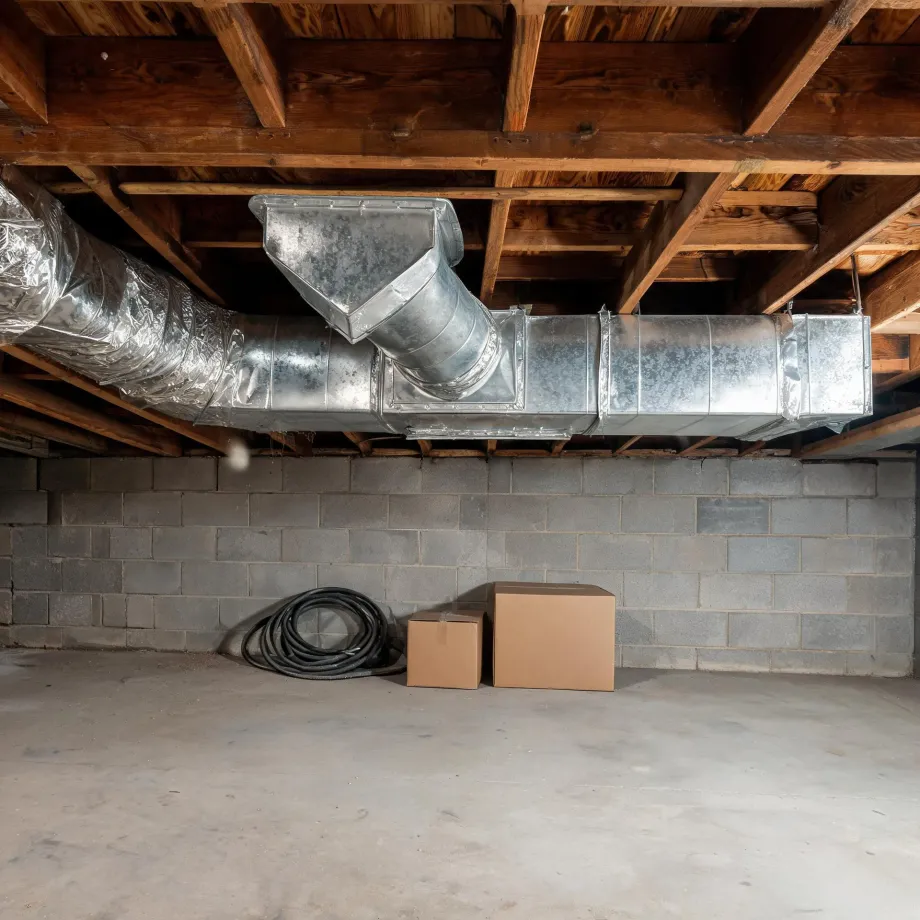
Ducting and flue runs in a house age alongside the furnace they feed, and in Bollinger County the housing stock makes that overlap worth taking seriously. Half the homes in Bollinger County, Missouri were built in 1982 or earlier (2020-2024 ACS 5-year). A furnace that has been running in a house that long is often on its second or third heat exchanger, and the flue connections and combustion seals around it reflect years of thermal cycling that a visual inspection from the outside will miss. Once a contractor opens the cabinet, what they find drives the repair scope: whether a cracked exchanger needs a part that is still in production, or whether the venting around it has degraded to where patching the furnace alone does not solve the problem.
The Parts of a Furnace a Contractor Checks First
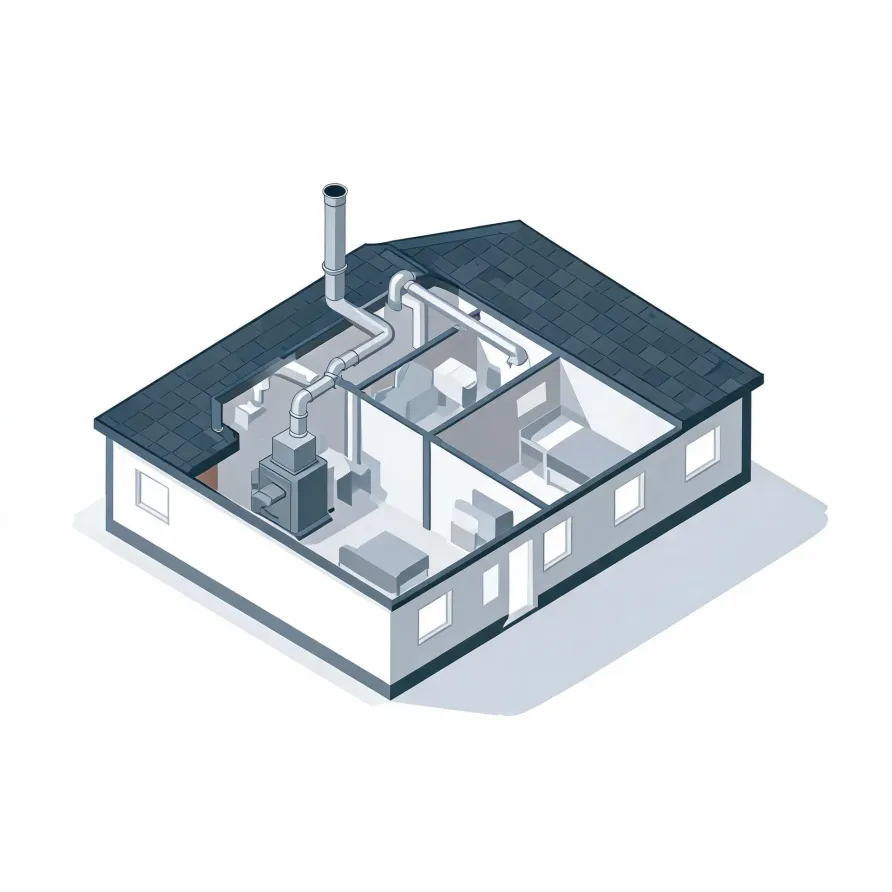
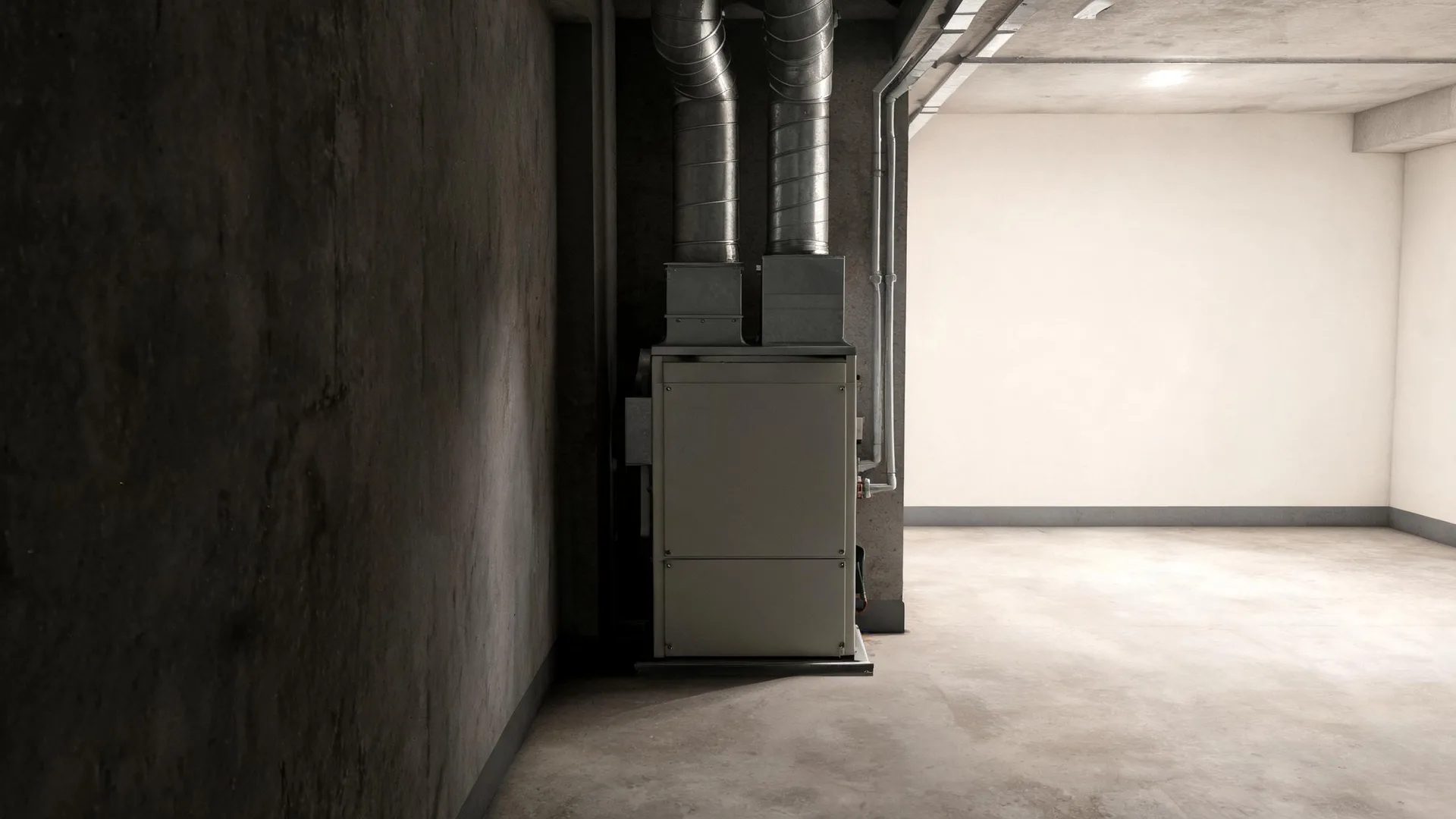
The furnace itself sits in the basement, utility room, or closet and is the piece that generates heat. Inside it, the heat exchanger is the part a contractor looks at hard during a repair call, because cracks or failures there affect both performance and safety. The burners, which fire inside the exchanger, are another common source of trouble.
The blower motor sits at the base of the furnace cabinet and pushes conditioned air out through the supply side of your duct system. The flue pipe runs from the furnace to the outside and carries combustion gases out of the house. The control board and the thermostat work together to tell every other part when to run and when to stop.
The drawing shows a typical furnace layout, and a licensed contractor determines which components apply to your specific setup.
Find a contractor in Bollinger CountyBollinger County, by the numbers
104 severe weather events were recorded in Bollinger County, Missouri between 2015 and 2024.
NOAA National Centers for Environmental Information, Storm Events Database, bulk CSV export, events 2015-01-01 through 2024-12-31.Half the homes in Bollinger County, Missouri were built in 1982 or earlier (2020-2024 ACS 5-year).
U.S. Census Bureau, 2020-2024 American Community Survey 5-Year EstimatesBollinger County, Missouri holds 5,046 housing units (2020-2024 ACS 5-year).
U.S. Census Bureau, 2020-2024 American Community Survey 5-Year EstimatesOwners occupy 82.3% of the occupied homes in Bollinger County, Missouri (2020-2024 ACS 5-year).
U.S. Census Bureau, 2020-2024 American Community Survey 5-Year EstimatesCodes & Standards Behind Furnace Repair in Bollinger County, Missouri4 sourced rules & standards
What HVAC Repair Looks Like in Bollinger County
Non-weatherized gas furnaces manufactured on or after November 19, 2015 must reach 80.0 percent AFUE.
Non-weatherized oil-fired furnaces manufactured on or after November 19, 2015 must reach 83.0 percent AFUE.
Mobile home gas furnaces manufactured on or after November 19, 2015 must reach 80.0 percent AFUE.
Non-weatherized gas furnaces manufactured on or after December 18, 2028 must reach 95.0 percent AFUE, up from the 80.0 percent minimum that applies to units manufactured before that date.
Severe Weather Events in Bollinger County
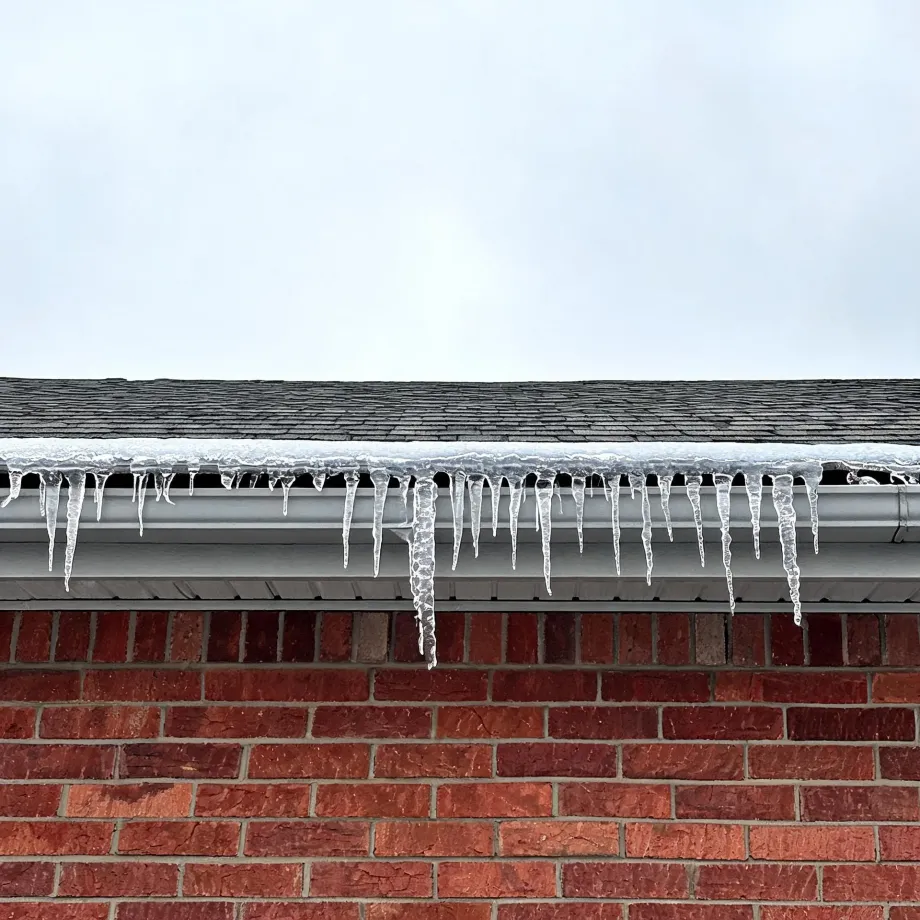
Hard weather puts furnaces under pressure: cold snaps, power surges, and sudden temperature swings push equipment to its limits and surface problems that mild conditions hide. How often that happens in Bollinger County shapes how much repair work furnaces here actually face.
104 severe weather events, 2015–2024. Source: NOAA National Centers for Environmental Information, Storm Events Database.