Tell us about the job
Takes about a minute. No obligation.
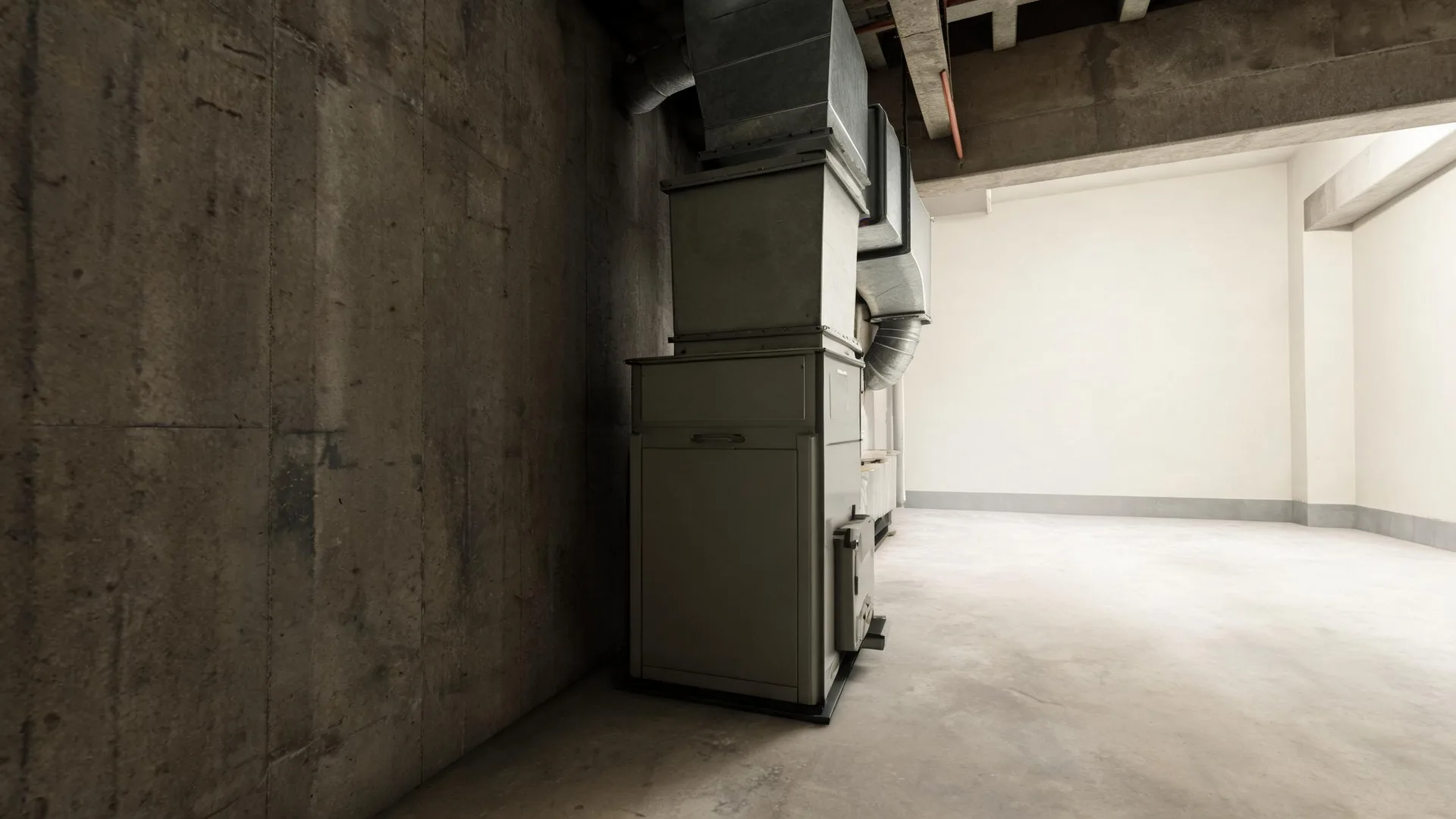
A furnace in Stone County puts real work through its ignition system, its burner, and its heat exchanger every year. Homes in Stone County, MO run heat about seven months a year, from October through April. That much cycling stresses the parts that fire and quench repeatedly, and when a furnace fails here, a contractor checks ignition components and heat exchanger fatigue before looking anywhere else. Cracks in the exchanger, a worn igniter, or a flame sensor fouled by seasons of combustion are not incidental findings on a Stone County repair call.
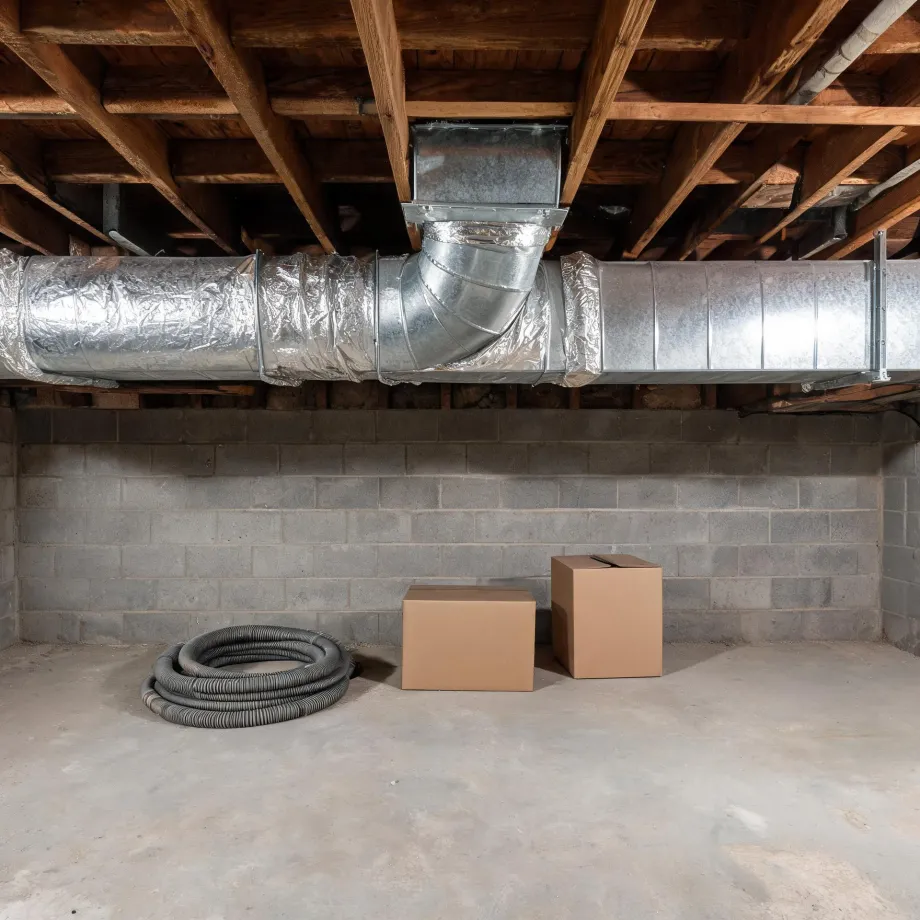
Half the homes in Stone County, Missouri were built in 1992 or earlier (2020-2024 ACS 5-year). A furnace running in a house from that era was likely installed or retrofitted well after the house was framed, which means the repair scope is decided by what a contractor finds once the cabinet is open: whether the heat exchanger has cracked, whether the igniter is a type still stocked by distributors, whether the control board takes a part that is still made. Some components remain widely available; others have moved to specialty suppliers or been discontinued altogether. That gap between what the system needs and what a contractor can source in a reasonable window is where furnace repair in this county gets complicated.
The Parts of a Furnace a Contractor Checks First
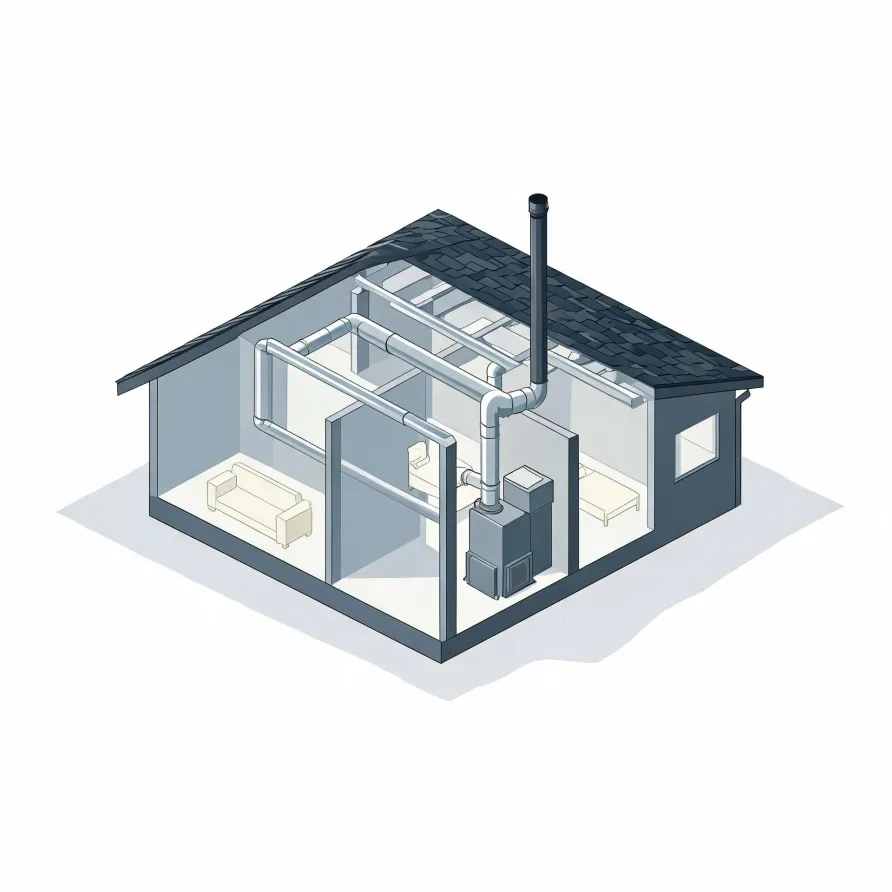
The heat exchanger sits at the core of the furnace cabinet in the basement, utility room, or closet, and it is where most repair calls trace back. When it cracks or corrodes, combustion gases can spill into the living space. The burners sit just below it and are the first thing a contractor lights off when diagnosing a no-heat call.
The blower motor and its fan wheel sit at the bottom of the cabinet and push conditioned air into the supply plenum above. The draft inducer, mounted at the top near the flue outlet, pulls exhaust out of the heat exchanger before combustion begins. The control board, the flame sensor, and the pressure switches all sit inside the cabinet and are what a contractor reads when the furnace short-cycles, locks out, or fails to ignite.
The drawing shows a typical furnace layout, and a licensed contractor determines which components apply to the specific equipment and setup in your home.
Find a contractor in Stone CountyStone County, Missouri, by the numbers
190 severe weather events were recorded in Stone County, Missouri between 2015 and 2024.
NOAA National Centers for Environmental Information, Storm Events Database, bulk CSV export, events 2015-01-01 through 2024-12-31.Half the homes in Stone County, Missouri were built in 1992 or earlier (2020-2024 ACS 5-year).
U.S. Census Bureau, 2020-2024 American Community Survey 5-Year EstimatesStone County, Missouri holds 20,464 housing units (2020-2024 ACS 5-year).
U.S. Census Bureau, 2020-2024 American Community Survey 5-Year EstimatesOwners occupy 83.3% of the occupied homes in Stone County, Missouri (2020-2024 ACS 5-year).
U.S. Census Bureau, 2020-2024 American Community Survey 5-Year EstimatesCodes & Standards Covering Furnace Repair in Stone County, Missouri4 sourced rules and standards
What Happens When the Contractor Arrives
Non-weatherized gas furnaces manufactured on or after November 19, 2015 must reach 80.0 percent AFUE.
Non-weatherized oil-fired furnaces manufactured on or after November 19, 2015 must reach 83.0 percent AFUE.
Mobile home gas furnaces manufactured on or after November 19, 2015 must reach 80.0 percent AFUE.
Non-weatherized gas furnaces manufactured on or after December 18, 2028 must reach 95.0 percent AFUE, up from the 80.0 percent minimum that applies to units manufactured before that date.
Severe Weather Events in Stone County
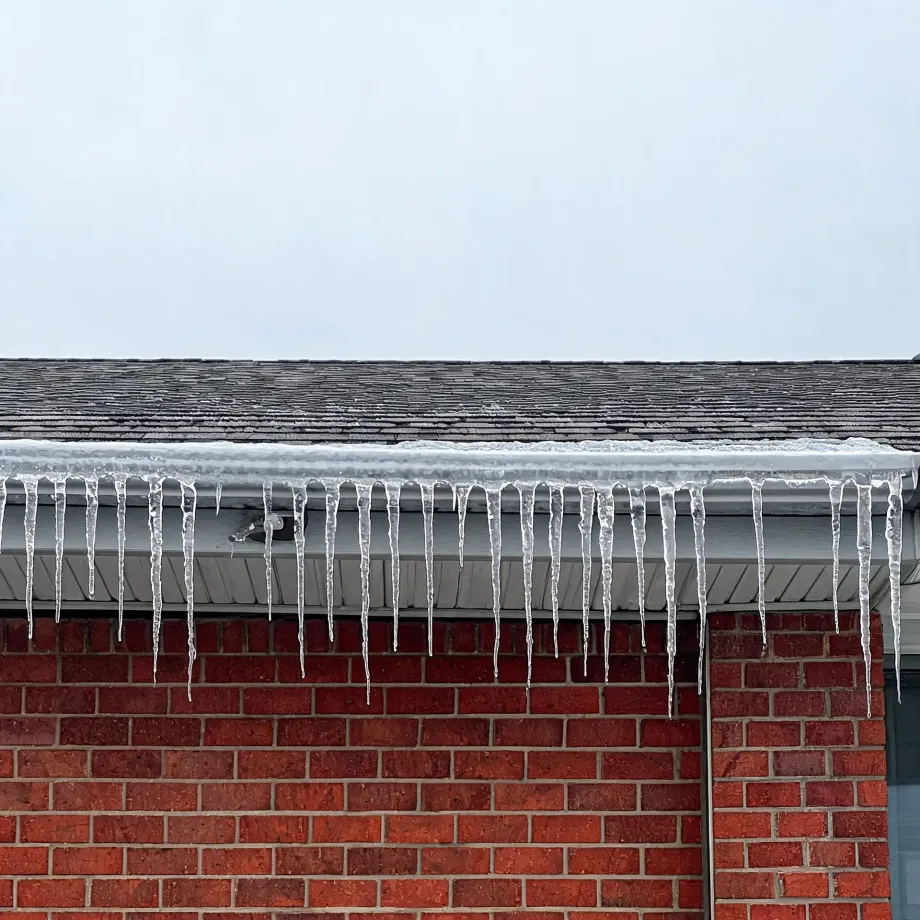
Extreme weather puts real stress on heating equipment, forcing it to run harder and longer than it was sized for. How often that happens here shapes what local furnaces actually go through, and what repair work tends to follow.
190 severe weather events, 2015–2024. Source: NOAA National Centers for Environmental Information, Storm Events Database.