Tell us about the job
Takes about a minute. No obligation.
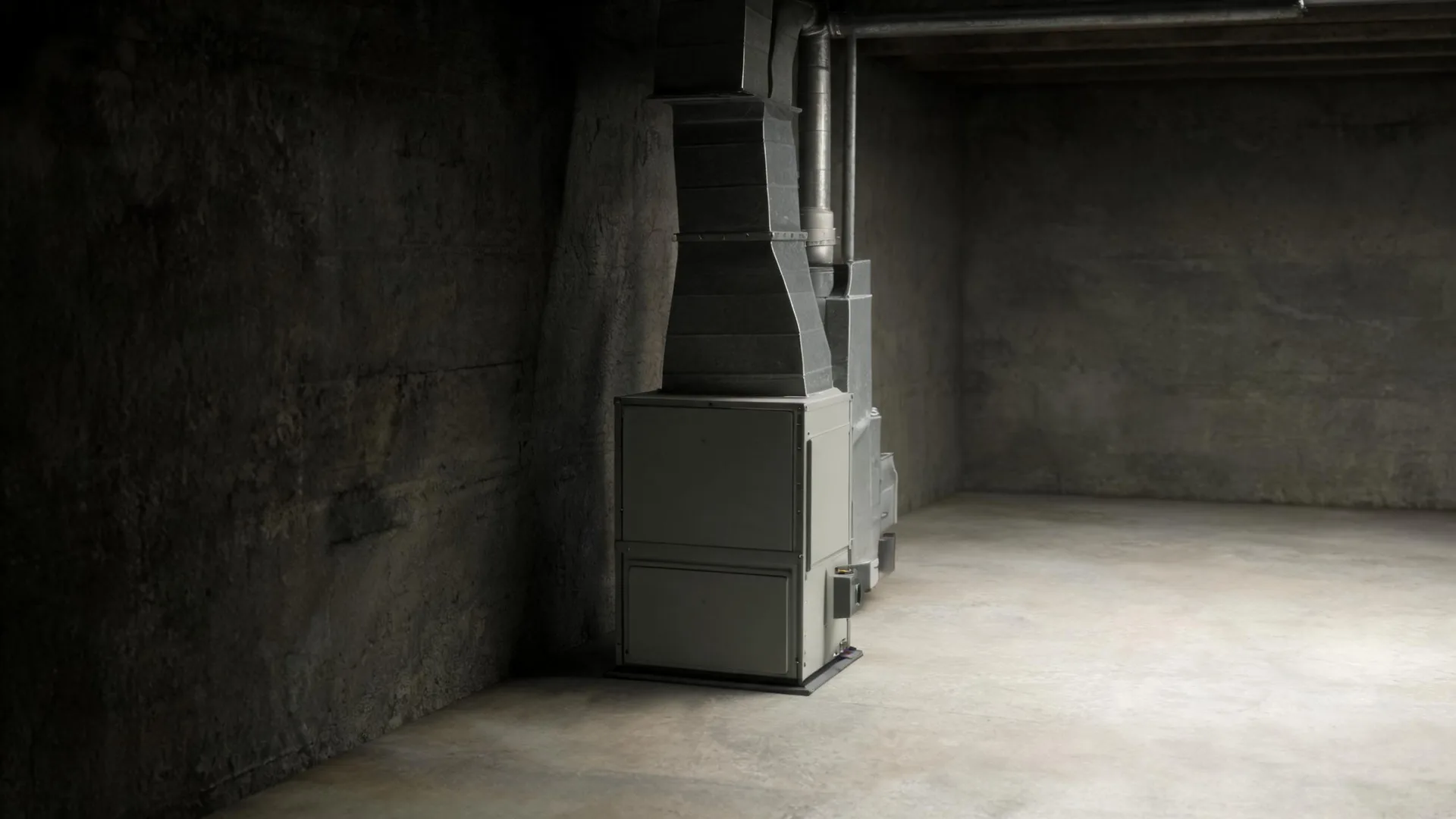
The burner, heat exchanger, and ignition system in a furnace here take a long, steady beating every year. Homes in Mississippi County, MO run heat about seven months a year, from October through April. Cycling that often, the igniter cracks before controls fail, and the heat exchanger develops stress fractures before the blower motor goes. A contractor on a repair call in Mississippi County works that order: combustion components first, because that is where the hours land.
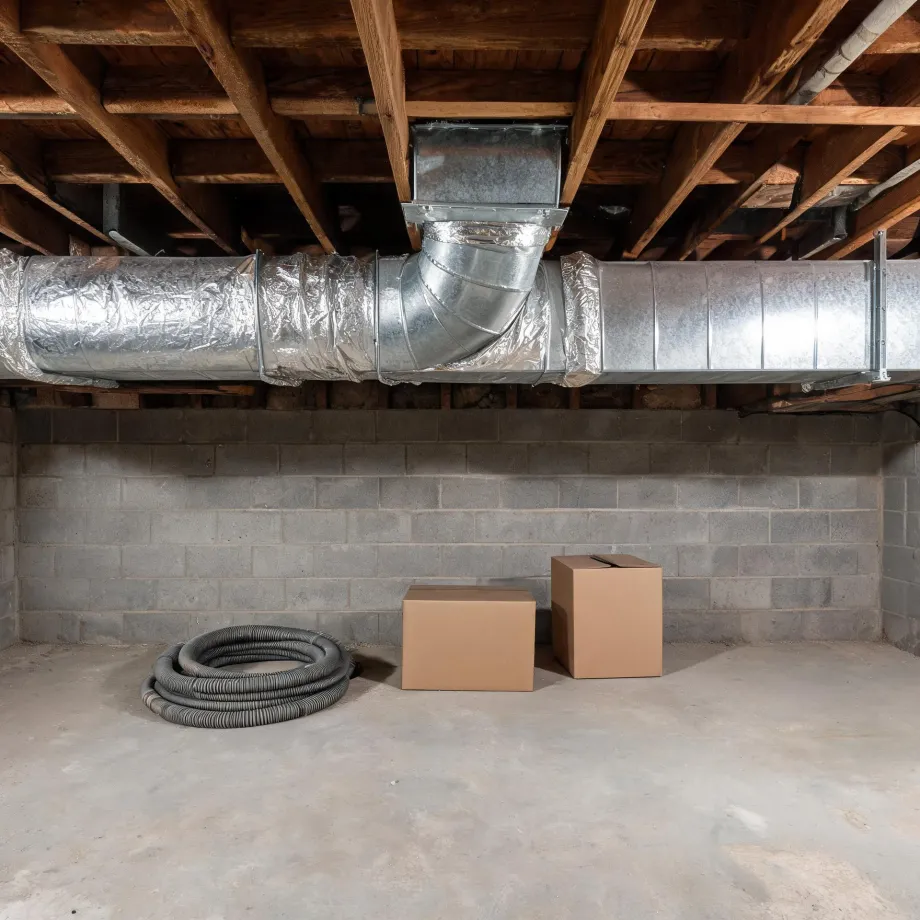
Half the homes in Mississippi County, Missouri were built in 1973 or earlier (2020-2024 ACS 5-year). A furnace in stock that old has likely been through at least one owner who replaced something with whatever was available at the time, which means the unit a contractor opens may combine components from different generations of equipment. The question that shapes the repair bill is whether the part the system actually needs is still manufactured, or whether a contractor is sourcing from a shrinking pool of old stock. That answer comes from reading the model and serial numbers on the opened unit, not from the age printed on the building permit.
The Parts of a Furnace a Contractor Checks First
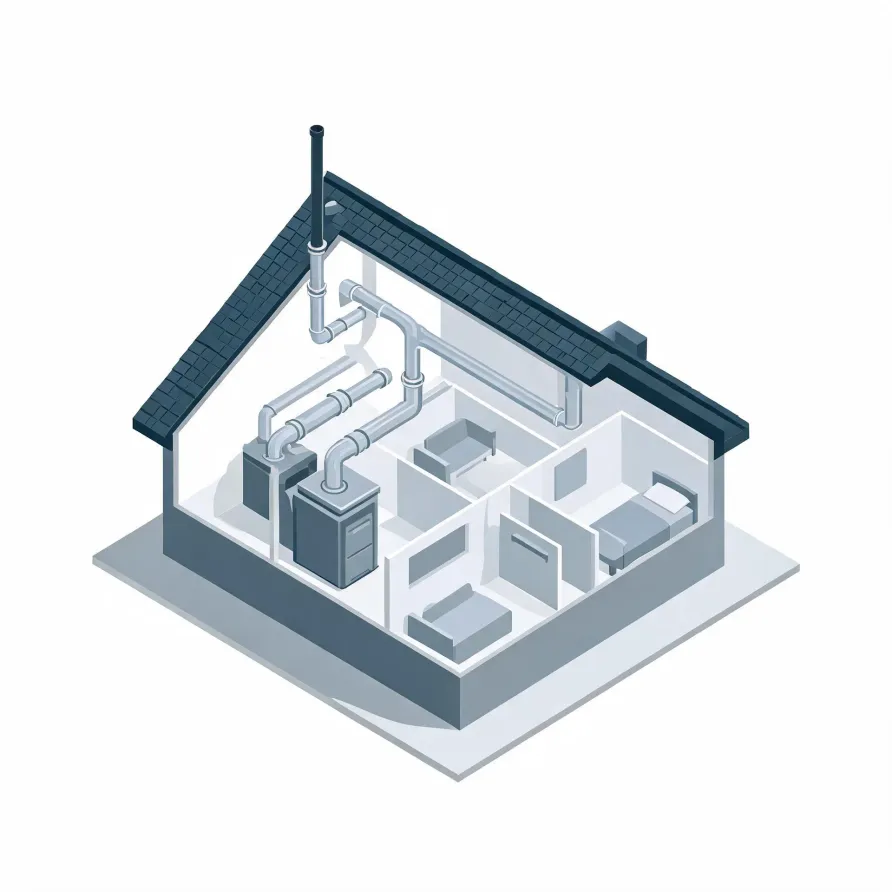
The furnace itself sits in a utility space, basement, or closet and is the core of the system. Inside it, the heat exchanger does the work of warming the air that moves through your home. When a furnace stops heating or behaves erratically, a contractor looks here first, because a cracked heat exchanger or a failed burner assembly is often what has gone wrong.
The blower motor pulls air across the heat exchanger and pushes it into the supply side of the house. The flue pipe carries combustion gases up and out of the building. The control board ties the components together, and when a furnace short-cycles, fails to ignite, or runs the blower without producing heat, the board and the igniter are the next places a contractor checks.
The drawing shows a typical furnace layout, and a licensed contractor will assess which parts apply to the specific equipment and setup in your home.
Find a contractor in Mississippi CountyMississippi County, Missouri, by the numbers
99 severe weather events were recorded in Mississippi County, Missouri between 2015 and 2024.
NOAA National Centers for Environmental Information, Storm Events Database, bulk CSV export, events 2015-01-01 through 2024-12-31.Half the homes in Mississippi County, Missouri were built in 1973 or earlier (2020-2024 ACS 5-year).
U.S. Census Bureau, 2020-2024 American Community Survey 5-Year EstimatesMississippi County, Missouri holds 5,272 housing units (2020-2024 ACS 5-year).
U.S. Census Bureau, 2020-2024 American Community Survey 5-Year EstimatesOwners occupy 62.9% of the occupied homes in Mississippi County, Missouri (2020-2024 ACS 5-year).
U.S. Census Bureau, 2020-2024 American Community Survey 5-Year EstimatesCodes & Standards Behind Furnace Repair in Mississippi County, Missouri4 rules & standards
What HVAC Repair Looks Like in Mississippi County
Non-weatherized gas furnaces manufactured on or after November 19, 2015 must reach 80.0 percent AFUE.
Non-weatherized oil-fired furnaces manufactured on or after November 19, 2015 must reach 83.0 percent AFUE.
Mobile home gas furnaces manufactured on or after November 19, 2015 must reach 80.0 percent AFUE.
Non-weatherized gas furnaces manufactured on or after December 18, 2028 must reach 95.0 percent AFUE, up from the 80.0 percent minimum that applies to units manufactured before that date.
Severe Weather Events in Mississippi County
Extreme weather puts real load on furnaces, pushing them to run harder and longer than they would under mild conditions. How much stress local equipment faces is a local question, and the record below reflects what the climate in this part of Missouri has actually delivered.
99 severe weather events, 2015–2024. Source: NOAA National Centers for Environmental Information, Storm Events Database.