27°F average low
That's the typical winter night here in Jasper County. A furnace that short cycles under that kind of load falls further behind the colder it gets outside.
Get matched with a furnace pro in Jasper County
A furnace that keeps shutting off mid-cycle is telling you something, whether that's a flame sensor losing its signal, a clogged filter choking airflow, or a limit switch tripping from heat buildup. With most homes around Joplin running on electric heat, a furnace that won't stay on through a cold snap needs a look soon. Share a few details and a contractor who handles this will reach out.
Match me with a proA furnace that shuts off a few minutes into a cycle is usually stopping itself on purpose. A dirty flame sensor can't confirm the flame is lit, so the control board cuts gas to the burners rather than risk letting it run unsafe. A clogged filter starves the system of airflow, the heat exchanger gets too hot, and a limit switch trips to keep it from damaging itself. Either way the furnace is reacting correctly to a problem upstream of it. If your system is electric, the same short-cycling can come from a dirty filter or coil forcing the blower to work harder than it should, or from a sensor telling the control board something is wrong even when the room still feels cold. On a cold night in Jasper County that means the house won't hold heat no matter how high the thermostat is set, and the short cycles will keep repeating until whatever is tripping the switch gets found and fixed.
Winter nights average 27°F
Winter nights average 27°F here, so your furnace runs long cycles to keep up, and a system that short cycles under that load is working against itself all night.
Heat runs October through April
Heat runs October through April in Jasper County, about seven months of nearly daily use, which is enough time for a dirty filter or a worn sensor to turn into a shutoff problem.
47.9% of homes heat with electricity
47.9% of homes here heat with electricity, and electric furnaces trip on limit switches and heating elements the same way gas ones trip on flame sensors and pressure switches.
NOAA nClimDiv 1991-2020 · ACS 2020-2024
Some shutoffs can hold until morning. If your furnace cuts off late in a cycle, after the house has mostly warmed up, and starts again on its own a few minutes later, it's usually a limit switch tripping from heat buildup, and the house stays livable while you wait for a repair slot. A single restart overnight is not an emergency, even on a 27°F night, since the system is still putting out heat between cycles. Write down when it happens and whether the blower keeps running after the burners stop. That detail tells a technician a lot before they even open the cabinet.
Other shutoffs mean stop and call now. If the furnace won't restart at all, or it shuts off within a minute of lighting every time, gas is reaching the burners but something is cutting it off fast, often a flame sensor that can't confirm ignition. With no backup heat and a cold front moving through Jasper County, a house can drop fast once the furnace stops trying altogether. If you smell gas at any point, don't wait on a diagnosis. Shut off the furnace at the switch and get the house matched with a contractor who can get there today.
That's the typical winter night here in Jasper County. A furnace that short cycles under that kind of load falls further behind the colder it gets outside.
This part shuts the burners off if the air around the heat exchanger gets too hot, usually because airflow is blocked somewhere between the filter and the vents.




Rooms farthest from the furnace stay cold longest, and the air coming out of the vents feels lukewarm instead of hot. You might hear the burners kick on, run for a couple minutes, then cut out, followed by the blower still pushing air that isn't warm anymore. On a 27°F night that gap shows up fast, since the house loses heat faster than short bursts can replace it. Some households notice it first thing in the morning, when the thermostat reads lower than what it was set to overnight.
Electric heat here runs on usage, and a furnace that short cycles works harder to deliver less warmth, cycling the blower and igniter more times to cover the same stretch of cold. That shows up on the bill even before the furnace quits keeping up entirely. Left alone, a limit switch that keeps tripping or a flame sensor that keeps losing signal tends to get worse, not better, as the weeks go on. A furnace that shuts off every cycle on a cold night isn't resting. It's failing at the one job it has that night.


A furnace that won't finish a cycle doesn't get better with another cold night on it. Each time the burners cut out early, the house loses more ground, and a system already struggling at 27 degrees outside has less room to recover the longer this goes on. Chasing it down yourself means guessing between a sensor, a filter, and a switch, and a wrong guess just costs you another night of lukewarm air. A licensed contractor who works on furnaces around Jasper County can look at what yours is actually doing and find which part is behind it. Winter here runs long, and a furnace that keeps interrupting itself isn't going to hold through all of it on its own. Sending the request now means you're not the one tracking this down anymore. Someone who does this for a living takes it from here, and you get back to a house that stays warm through the night instead of one you're listening to from the next room.
A gas furnace has to prove itself at every step before it's allowed to keep running, and the order matters. The inducer motor spins up first, pulling exhaust through the heat exchanger and out the vent. That draft has to pull hard enough to close a pressure switch, and the control board won't send power to the igniter until it sees that switch close. Once the igniter glows hot enough, gas opens to the burners, and the flame sensor has about two seconds to detect a flame and tell the board it's safe to keep gas flowing. Miss any of these and the board shuts things down before heat ever starts, which looks like the furnace won't fire at all rather than cutting off mid-cycle.
Once burners are lit and the blower is pushing air, a second set of checks takes over. The limit switch sits near the heat exchanger and watches temperature directly, not a clock, so anything that slows airflow, a dirty filter, a blower set to the wrong speed, a blocked return, lets heat build up until the limit switch trips and shuts the burners off. The blower's speed comes from settings on the control board or an older cam switch, and if that speed doesn't match the furnace's output, heat can build faster than the ducts carry it away. When something does go wrong, most boards store what happened as a blink pattern a technician can read straight off the board, which is usually faster than guessing from symptoms alone.
At 27°F, your furnace can't just touch a room and move on. It has to hold that burn for the long stretch, and a short cycling furnace never gets the chance before it quits and tries again.
NOAA nClimDiv 1991-2020
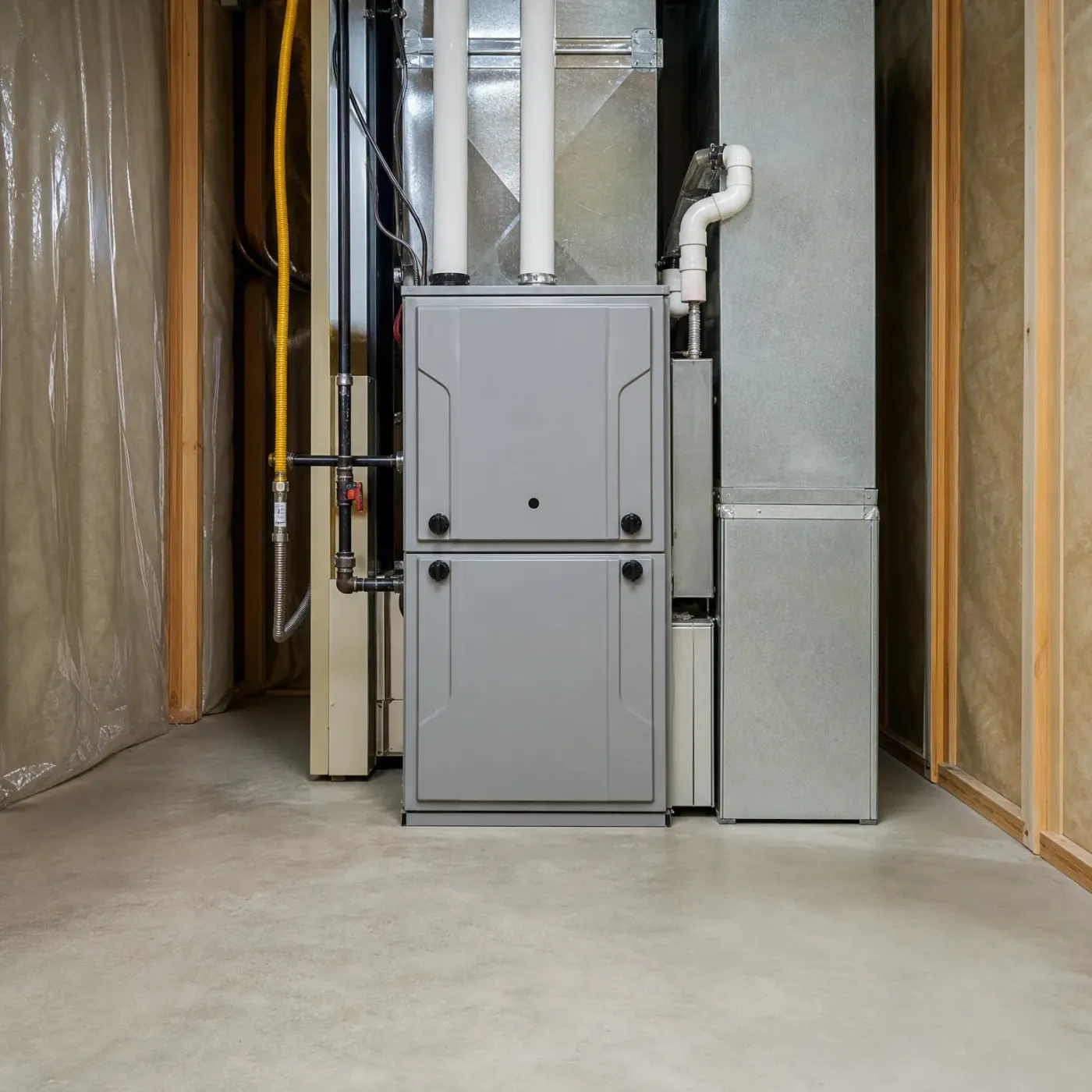
Thermostat calls for heat and energizes the control board.
Inducer motor spins up and pulls draft through the heat exchanger.
Pressure switch closes once draft proves strong enough.
Igniter heats up or sparks to light the burners.

A furnace that cuts out mid-cycle is almost always stopping itself on purpose, whether that's a flame sensor, a clogged filter, or a limit switch reacting to heat buildup. None of those are reasons to wait out the rest of winter on a system that can't finish a cycle. The part causing it is small. What it costs you, night after night at 27 degrees, is not.
A licensed contractor who knows this equipment can look at your furnace, find which of these it is, and get it running a full cycle again. Once you send the form, that search is off your plate. Someone who works on furnaces in Jasper County will reach out to you directly, and from there it's between you and them.

Find a furnace repair pro in Jasper County