Tell us about the job
Takes about a minute. No obligation.
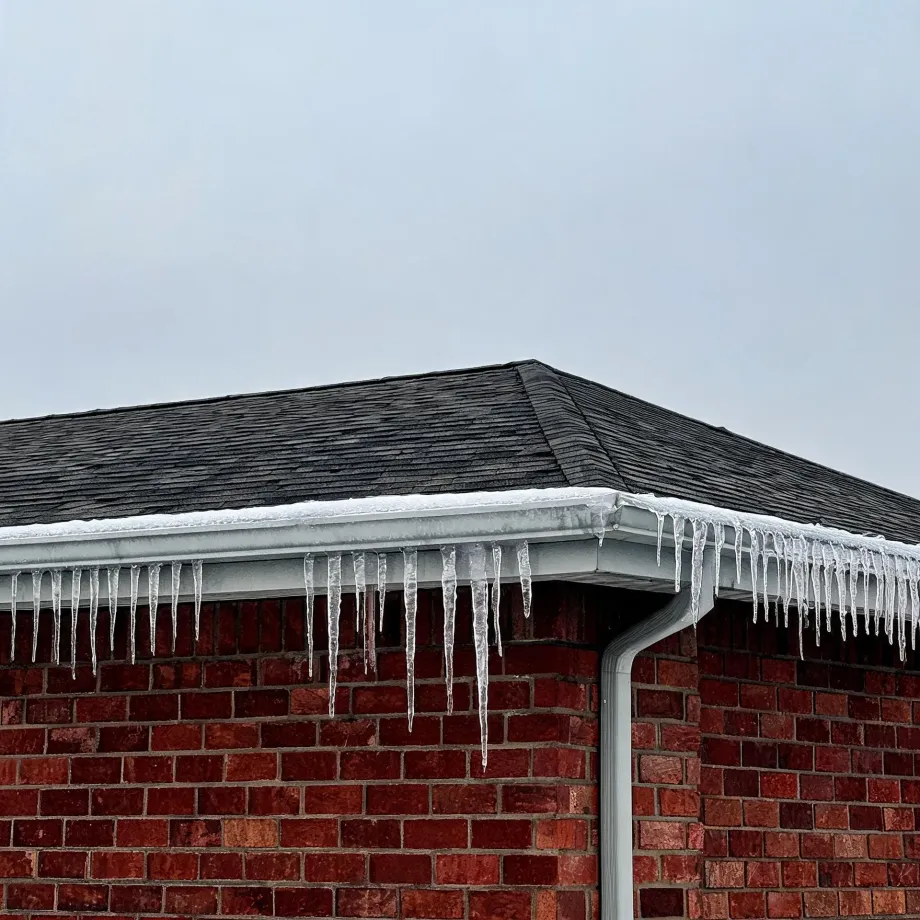
Sizing a furnace for this house means accounting for what the burner and ignition system are actually asked to do. Homes in Carroll County, MO run heat about seven months a year, from October through April. Every cycle through that season loads the heat exchanger, stresses the igniter, and adds hours to the blower. A contractor who treats the load calculation as a formality leaves the homeowner with a system that reaches its limits ahead of schedule. Getting the equipment right from the first install is where that wear curve either starts low or doesn't.
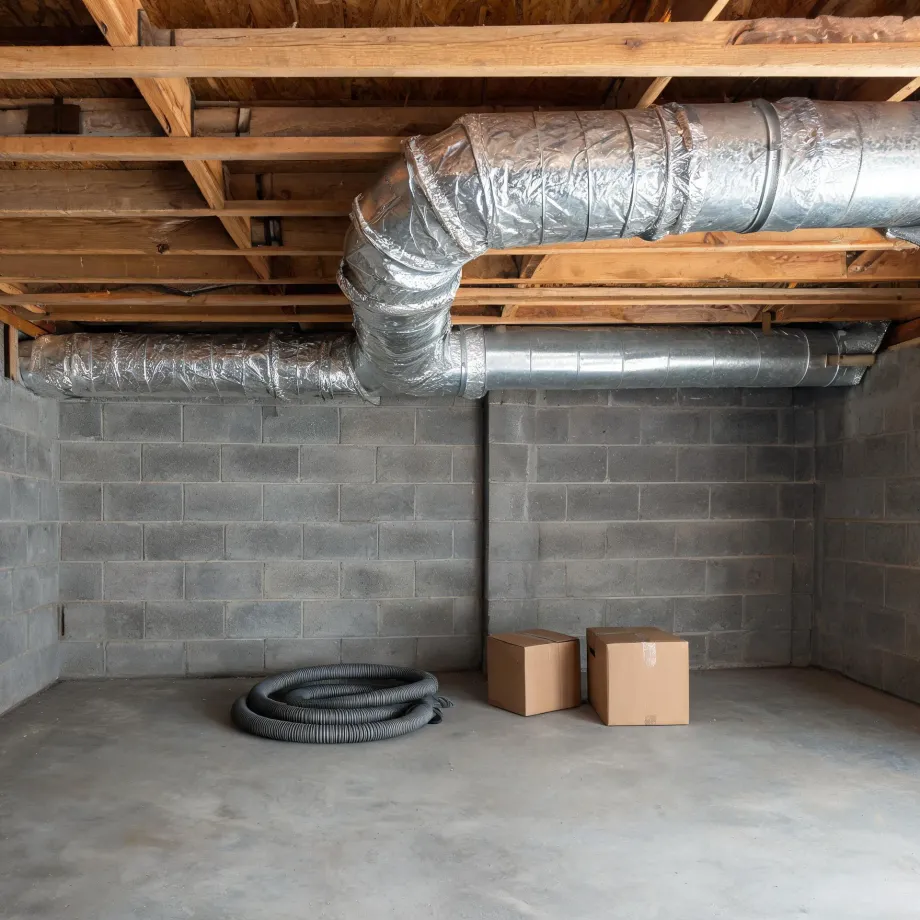
Ductwork laid down when a house was first built was sized for whatever system went in at the time, and a modern furnace draws and distributes air differently than those original systems did. Half the homes in Carroll County, Missouri were built in 1961 or earlier (2020-2024 ACS 5-year). That gap between what the ducts were designed to move and what a new furnace actually needs is where a contractor spends the real diagnostic time on an installation job here. If the existing duct geometry restricts airflow, the new unit cannot perform to spec regardless of what it is rated at. The electrical side matters too, but in stock this old it is the duct configuration that most often determines the scope of the job before anyone prices the equipment.
What Gets Installed With a New Furnace
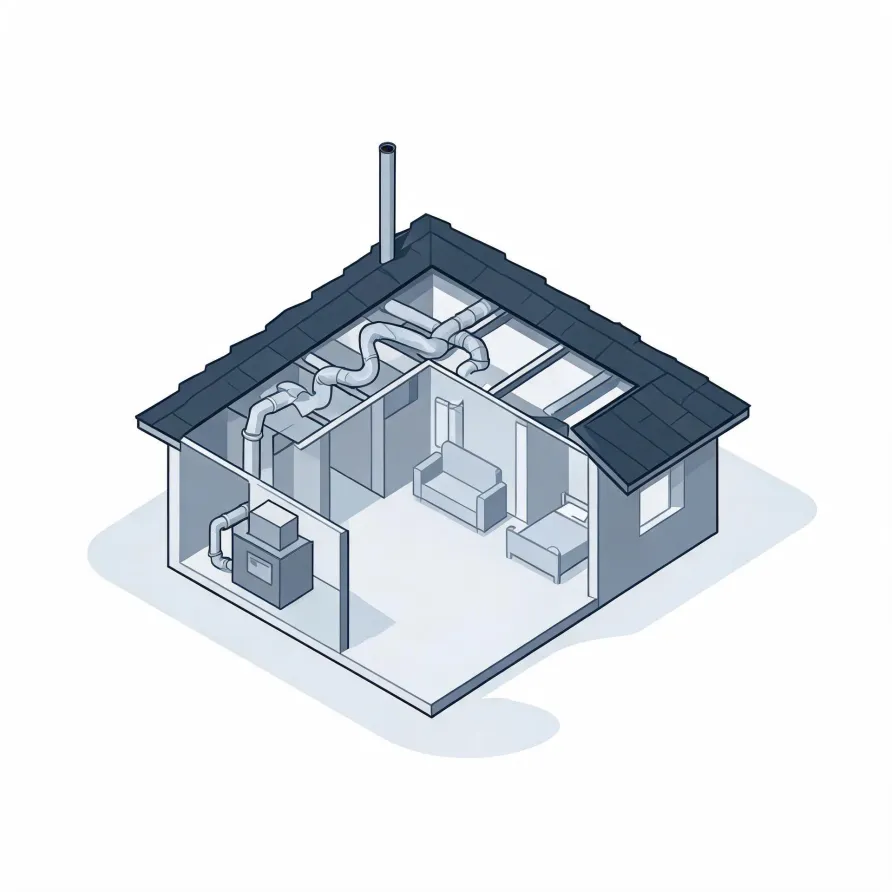
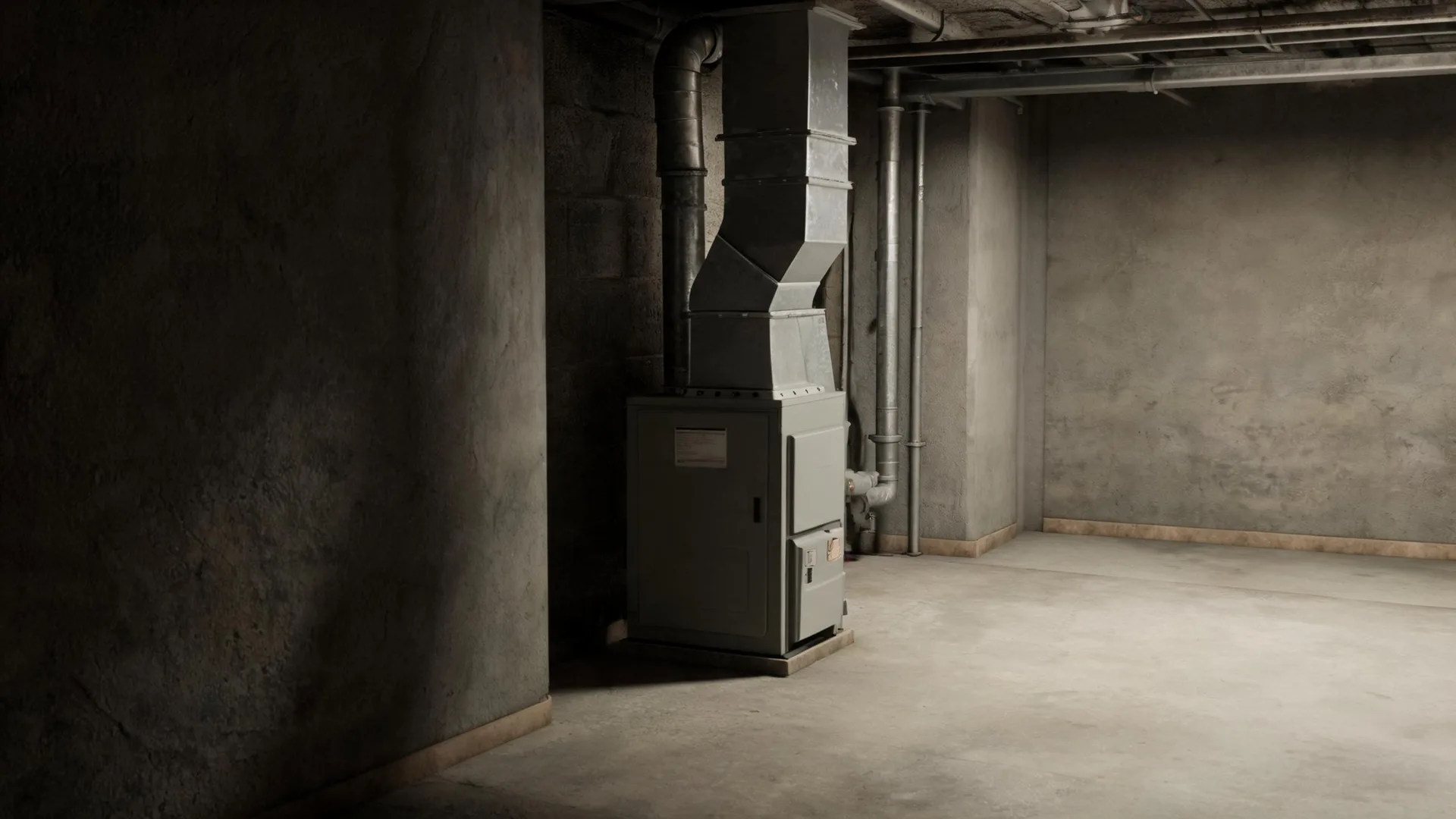
The furnace itself sits in a mechanical room, basement, or utility closet and is the unit that produces heat. A heat exchanger inside it transfers heat to the air moving through, and a blower motor pushes that air into the supply side of the duct system. The flue pipe runs from the furnace to an exterior wall or the roof, carrying combustion gases out of the house.
The thermostat mounts on an interior wall and is the control point for the whole system, signaling the furnace when to fire and when to shut off. A gas valve and a set of safety controls sit inside the furnace cabinet alongside the burners, and a contractor fits an air filter housing at the return-air intake where it meets the unit.
The drawing shows a typical layout, and a licensed contractor determines exactly what applies to your house.
Get matched in Carroll CountyCarroll County, the way the data tells it
21 severe weather events were recorded in Carroll County, Missouri between 2015 and 2024.
NOAA National Centers for Environmental Information, Storm Events Database, bulk CSV export, events 2015-01-01 through 2024-12-31.Half the homes in Carroll County, Missouri were built in 1961 or earlier (2020-2024 ACS 5-year).
U.S. Census Bureau, 2020-2024 American Community Survey 5-Year EstimatesCarroll County, Missouri holds 4,381 housing units (2020-2024 ACS 5-year).
U.S. Census Bureau, 2020-2024 American Community Survey 5-Year EstimatesOwners occupy 71.9% of the occupied homes in Carroll County, Missouri (2020-2024 ACS 5-year).
U.S. Census Bureau, 2020-2024 American Community Survey 5-Year EstimatesFurnace Installation Rules for Carroll County, Missouri4 codes & standards
What Carroll County Homeowners Can Expect From the Contractor
Non-weatherized gas furnaces manufactured on or after November 19, 2015 must reach 80.0 percent AFUE.
Non-weatherized oil-fired furnaces manufactured on or after November 19, 2015 must reach 83.0 percent AFUE.
Mobile home gas furnaces manufactured on or after November 19, 2015 must reach 80.0 percent AFUE.
Non-weatherized gas furnaces manufactured on or after December 18, 2028 must reach 95.0 percent AFUE, up from the 80.0 percent minimum that applies to units manufactured before that date.