Furnace carbon monoxide signs in Missouri

Step 1 of 3: Equipment

A furnace that's leaking carbon monoxide usually shows it before anyone feels sick. Look for soot or a yellow stain around the furnace cabinet, a burner flame that burns yellow instead of blue, and a layer of moisture on nearby windows that wasn't there before. Some furnaces will trip their own limit switch and shut off rather than keep running. These signs show up because the gas isn't burning all the way, often from a cracked heat exchanger or a flue that isn't venting right, and the byproduct comes back into the house instead of going up the chimney. Missouri homes run the furnace hard from late fall into early spring, which gives a crack or a blocked vent more chances to show itself. If you see any of these signs, or a carbon monoxide alarm goes off, shut the furnace down and get it looked at before running it again.

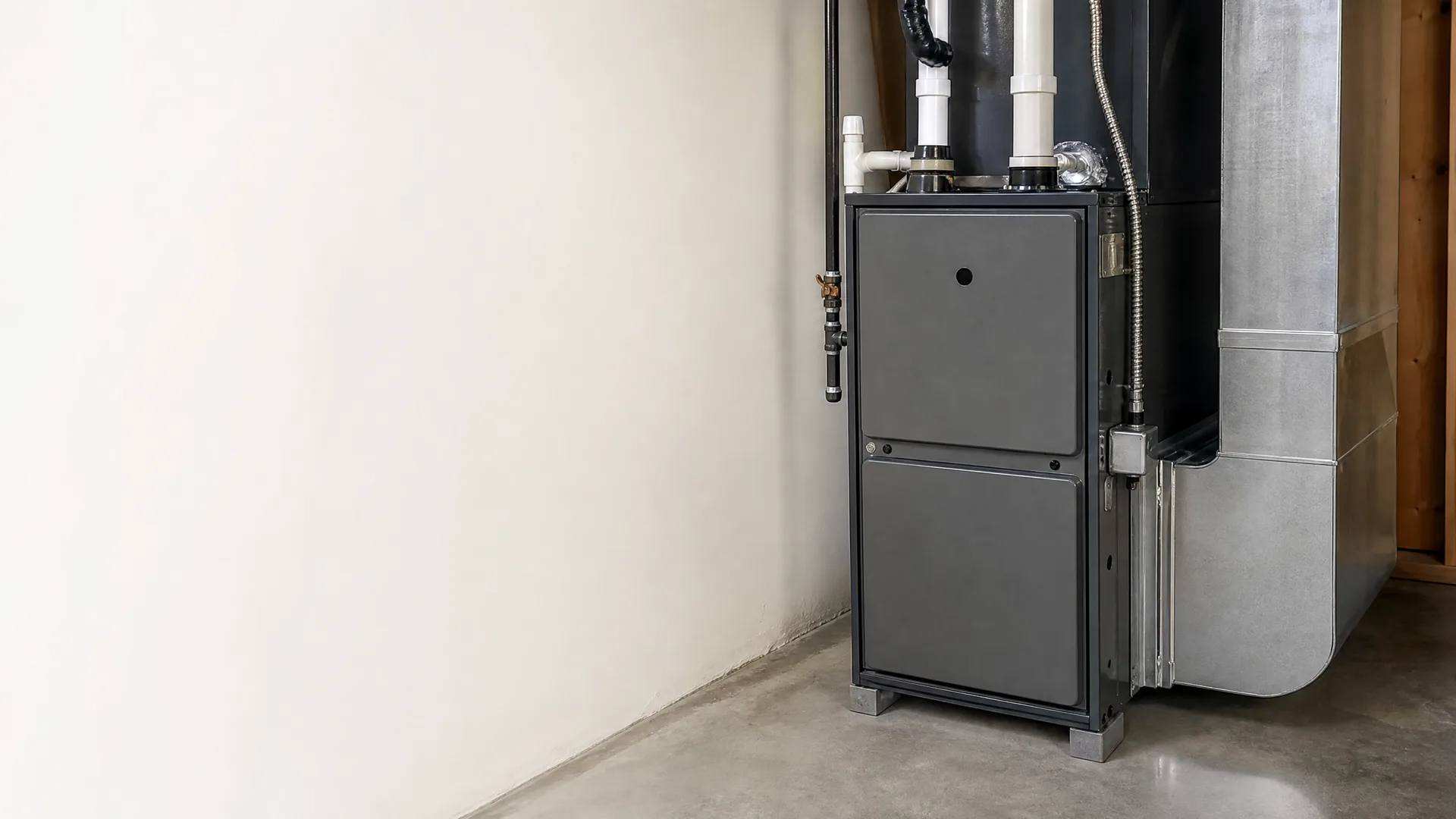
A beige residential gas furnace with white PVC vent pipes, copper and yellow gas lines, and adjacent sheet-metal ductwork stands on a concrete floor beside a plain white wall.

Why the flame color matters

A gas furnace burning clean runs a steady blue flame at the burners. Carbon monoxide forms when that flame isn't getting enough air to burn completely, and the flame turns yellow or orange as a result. If you pull the front panel off your furnace and see anything other than blue, that's combustion happening wrong, not just a cosmetic difference. A cracked heat exchanger, a blocked burner, or a dirty flue can all cause it, and any one of them can let carbon monoxide into the air your furnace blows through the house.
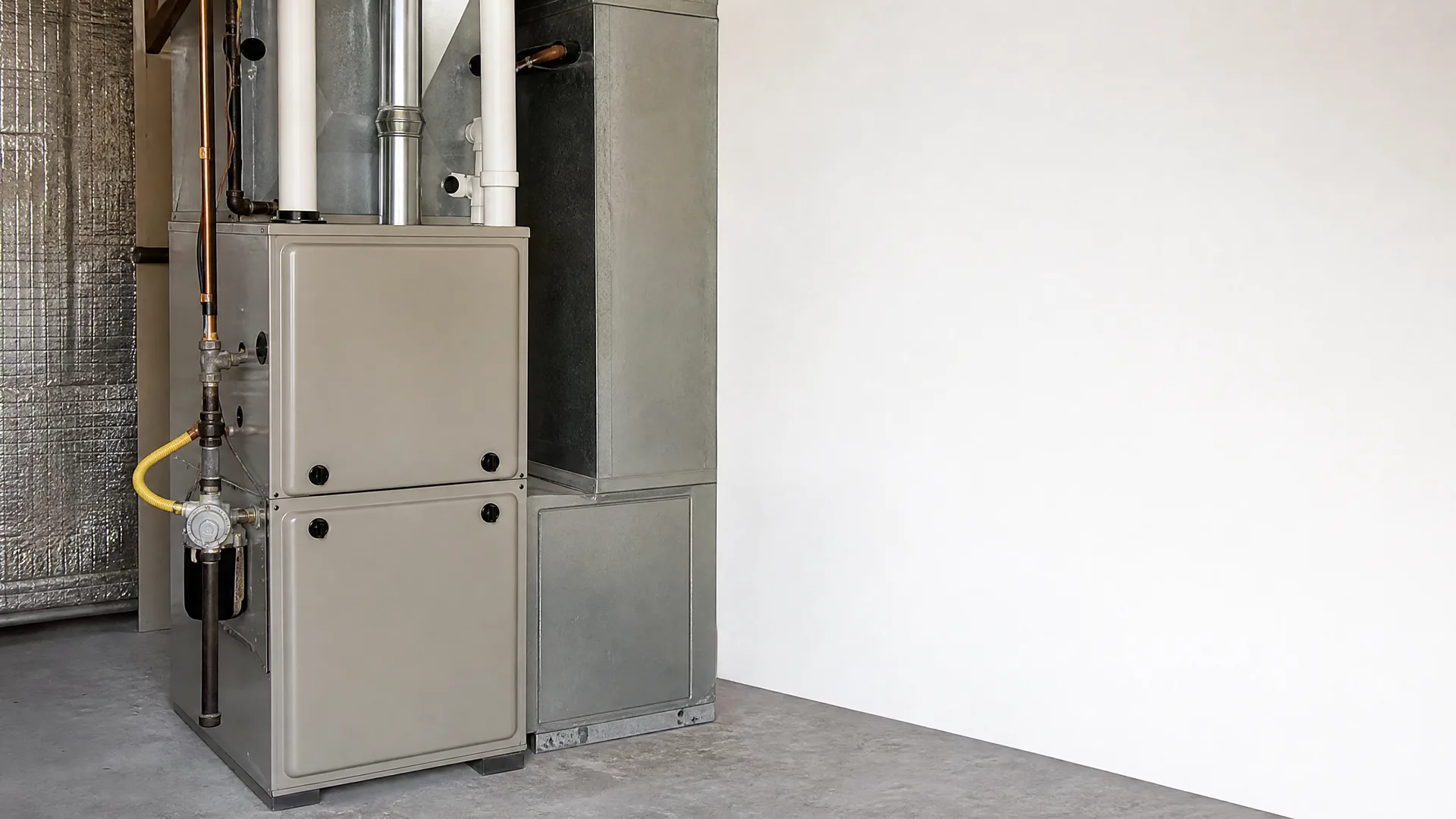
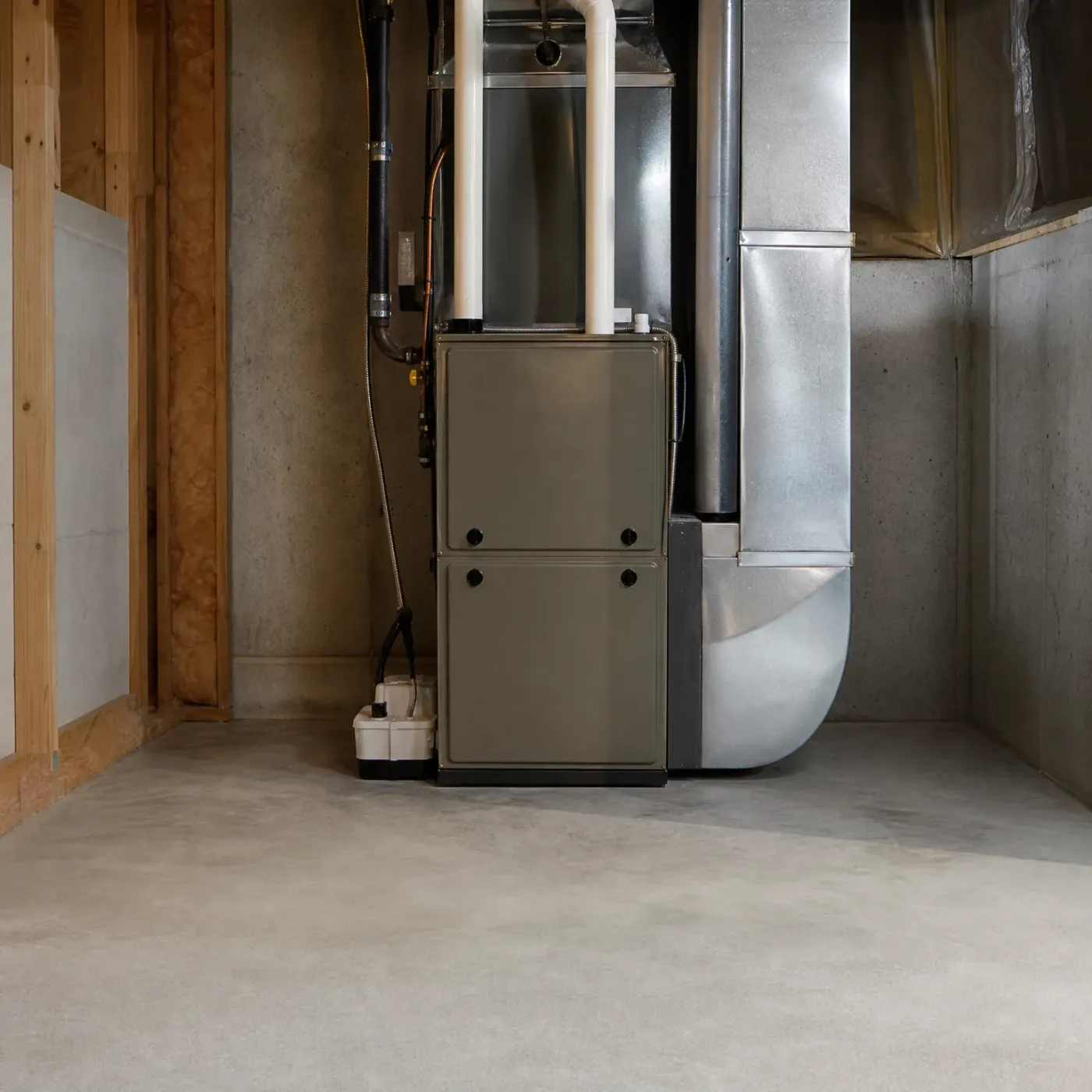
A gray high-efficiency furnace with white PVC vent pipes and metal ductwork stands on a concrete floor beside a plain off-white wall in a basement.

What the vent pipe tells you

Your furnace vents exhaust outside through a flue pipe, usually straight out the side wall or up through the roof. Go outside and look at where it exits. Rust streaks, a sagging pipe, or a bird's nest blocking the opening all stop exhaust from leaving the house the way it's supposed to. Snow or ice packed around a side-wall vent does the same thing in the middle of a Missouri winter. Any blockage pushes that exhaust back down the pipe and into your furnace room instead of outside.

Is something off with your furnace right now

Walk past the furnace tonight and pay attention. Soot around the cabinet or vent pipe, a smell like something's burning that isn't quite wood smoke, or a headache that shows up at home and fades once you're out of the house for a while. Condensation building up on windows near the furnace room is worth noticing too. None of these mean you need to panic, but they mean the furnace isn't burning gas the way it should. Left alone, that usually gets worse, not better, and it means more carbon monoxide in the air your household is breathing every time the furnace runs.

A smiling man in a dark navy sweater sits on a light sofa in a living room, with a glass bowl of popcorn on a wooden coffee table and bookshelves behind him.
A smiling man in a dark green sweater sits on a tan leather sofa in a dimly lit living room, with a bowl of popcorn in the foreground and a kitchen area blurred behind him.
A smiling middle-aged man in a dark shirt sits on a gray sofa in a living room, with a bowl of popcorn on a side table and shelves, a window and kitchen area behind him.
A smiling bearded man in a dark gray t-shirt sits on a gray couch in a living room, with a large glass bowl of popcorn on a wooden table in the foreground.

Finding a pro stops being your job

A cracked heat exchanger or a blocked vent pipe isn't something to sit on until a slower week. If you've spotted soot, a yellow flame, or that stale smell when the furnace kicks on, the safe move is turning it off and getting a gas furnace tech out to look at it, not waiting to see if it gets worse. Missouri winters run the furnace hard for months, and a contractor who services these units every one of those months knows the usual culprits, a cracked exchanger, a fouled burner, a vent pipe pulling loose, and checks them in order instead of guessing. Send the request and it goes to one local contractor licensed to do this work, not a handful of companies competing for your callback. That's one less thing to manage while you're already dealing with a furnace you don't trust to run safely overnight.

A furnace that's venting properly pulls combustion gas straight up through the flue and out of the house. One that isn't will push some of that gas back into the room, and a carbon monoxide alarm near the furnace or bedrooms is the only reliable way to catch it before you smell or see anything.

Soot, a yellow flame, or a headache that lifts once you're outside are all signs worth acting on, but none of them are guaranteed to show up. Some furnaces leak carbon monoxide with no visible trace at all, which is why the alarm matters more than the inspection.

A woman with dark hair in a bun reclines on a sofa with her eyes closed, wrapped in a cream fleece blanket, a closed blue hardcover book resting in front of her, with a lit lamp and a vase of dried flowers in the background.
A smiling bearded man in a navy sweater sits at a candlelit dinner table with a glass of red wine, a bowl of salad, and plates of food in the foreground.
A gray high-efficiency furnace with white PVC vent pipes stands against a concrete basement wall beside sheet-metal ductwork, a small condensate pump on the floor, and exposed wood framing at left.

Running clean

This is what a furnace should look like. The burner flame stays blue, the flue pipe runs straight up and out, and there's no soot anywhere on the cabinet. A furnace in this shape is burning gas all the way and sending the exhaust outside where it belongs.

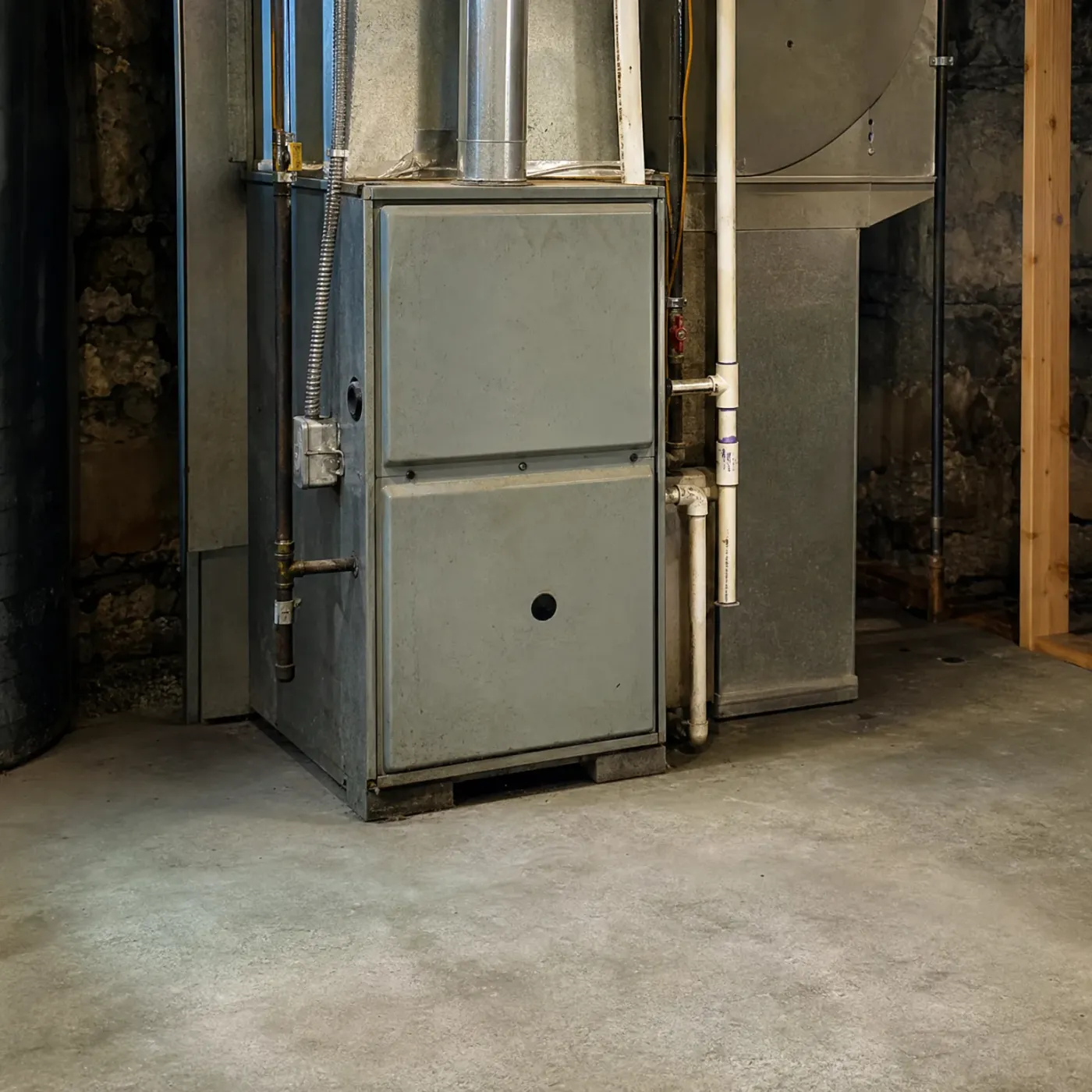
A gray sheet-metal furnace with flue pipe and adjacent ductwork stands against a stone basement wall on a concrete floor, with white PVC and metal pipes running nearby.

Signs of trouble

Older furnaces in tighter mechanical rooms are worth a closer look. Check where the gas line and flue pipe connect to the cabinet for soot or staining, and watch the burner flame when it kicks on. A furnace boxed in by stone or block walls still needs a clear path for exhaust to leave the house.

Winter nights average 25°F statewide

At 25°F, a furnace in Missouri is running long stretches most winter nights to keep up. That kind of runtime puts more hours on the burner and the heat exchanger, so a crack or a clog that might go unnoticed with light use has more chances to show itself. More hours running means more reason to check the flame and the vent pipe before the cold sets in for good.

NOAA nClimDiv 1991-2020 county normals weighted by homes

What to Do With What You See

  • A blue flame, no soot, and a clear window pane mean the furnace is venting the way it should.
  • A yellow flame, soot around the cabinet, or moisture on the glass means it's time to shut the furnace off and have it looked at.
  • A furnace running long stretches on a cold Missouri night gives a cracked heat exchanger more chances to show itself.
  • A carbon monoxide alarm near the furnace or bedrooms catches what the eye and nose can miss.
  • A local tech who works on furnaces all winter knows which parts fail first and what to check.
  • Sending one request means one licensed contractor calls, not a handful of companies competing for the job.

You've walked past the furnace, checked the flame, looked at the windows. Either it's running clean or it's showing one of the signs that it isn't: soot, a yellow flame, moisture that wasn't there before, a headache that lifts once you leave the house. A cold night in Missouri doesn't give a cracked heat exchanger a season off. It runs the furnace harder and gives the crack more chances to let combustion gas into the room instead of sending it up the flue. A carbon monoxide alarm near the furnace or the bedrooms is what catches that when nothing else does.

None of this calls for guesswork on your part. It calls for someone who opens furnace cabinets all winter and knows the difference between soot that means trouble and a flame that's burning the way it should. That's what gets matched to you when you send a request through this page, one licensed contractor local to Missouri, not a round of calls from companies you'd have to sort through yourself. You won't be left chasing down who's available or explaining the problem five times over. You explain it once, to someone who's seen it before on furnaces just like yours.

If the furnace is running blue and clean, you've got your answer tonight. If it's not, you already know what the next step looks like.

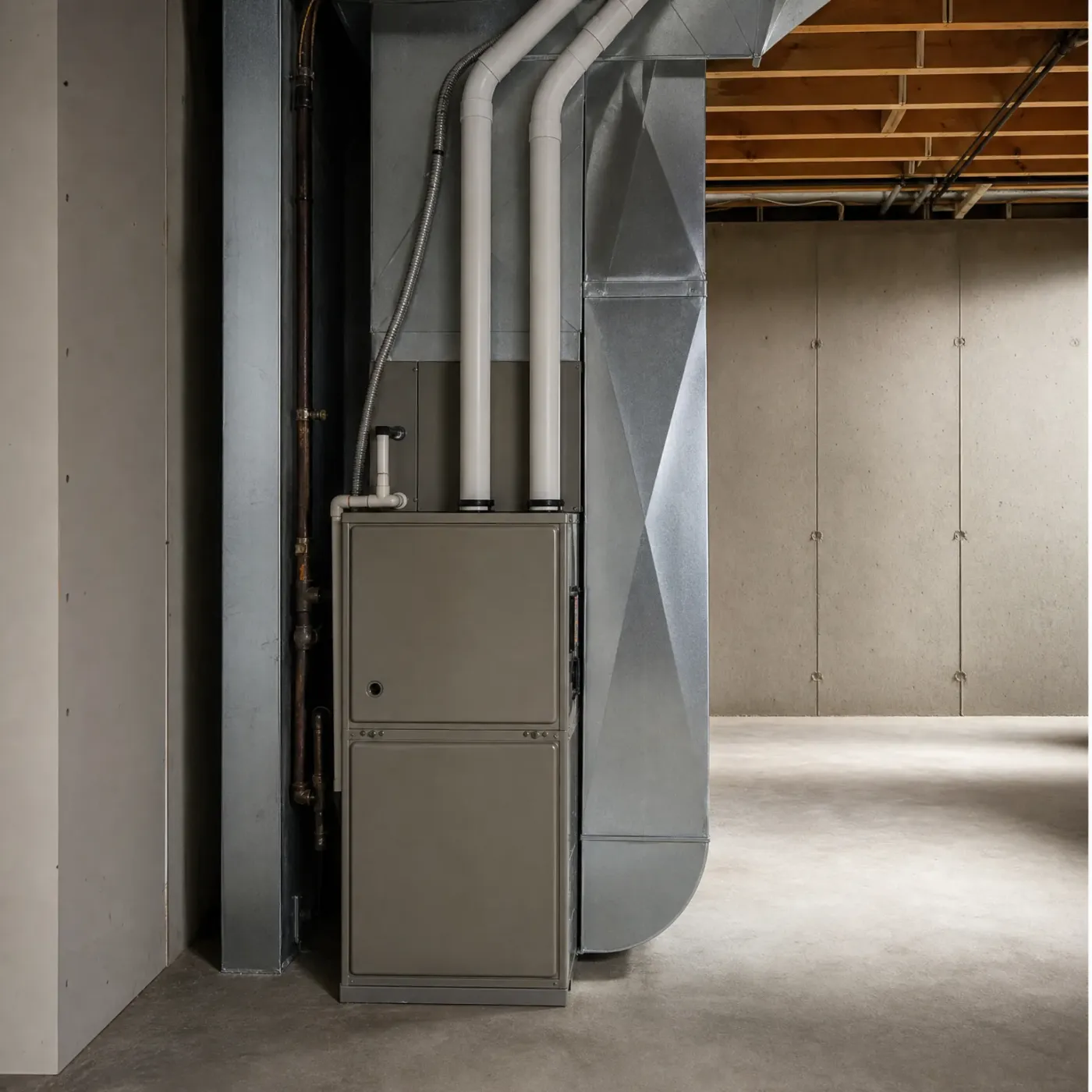
A gray high-efficiency furnace in an unfinished basement, connected to sheet-metal ductwork and two white PVC vent pipes, with copper piping and exposed wood floor joists nearby.

Let someone else find the pro

Get a licensed local pro

The pro who reaches out is licensed in Missouri.

Sending the form costs nothing.