30 to 40 percent indoor humidity
That's the range most furnace humidifiers are set to hold in winter. Below it, static and cracked skin show up. A contractor sets the humidistat to stay in that range automatically.
Skip calling around
Your furnace handles the dry air in a Missouri winter. Whether you need a humidifier added to it depends on what you're noticing: cracked skin, static shocks, wood floors gapping. This page gets into what a furnace humidifier actually does and when it's worth having one installed, so you can skip the part where you'd normally be calling around and repeating the same questions to every contractor who picks up.
Skip the callsYes, most homes in Missouri benefit from one. Gas furnaces heat air that already lost its moisture outside, and the drier that air gets, the more it pulls moisture out of everything in the house, including you. That's where the cracked skin, the static shocks, and the gaps opening up in wood floors come from. A furnace humidifier fixes this at the source by adding moisture back into the air as it moves through the ductwork, instead of you running a portable unit room to room. If you notice these signs every winter, or if you already know gas heat dries your house out, installing one on your furnace solves the problem for the whole house at once. If winter doesn't bother you or your house already holds moisture well, you may not need the work at all.




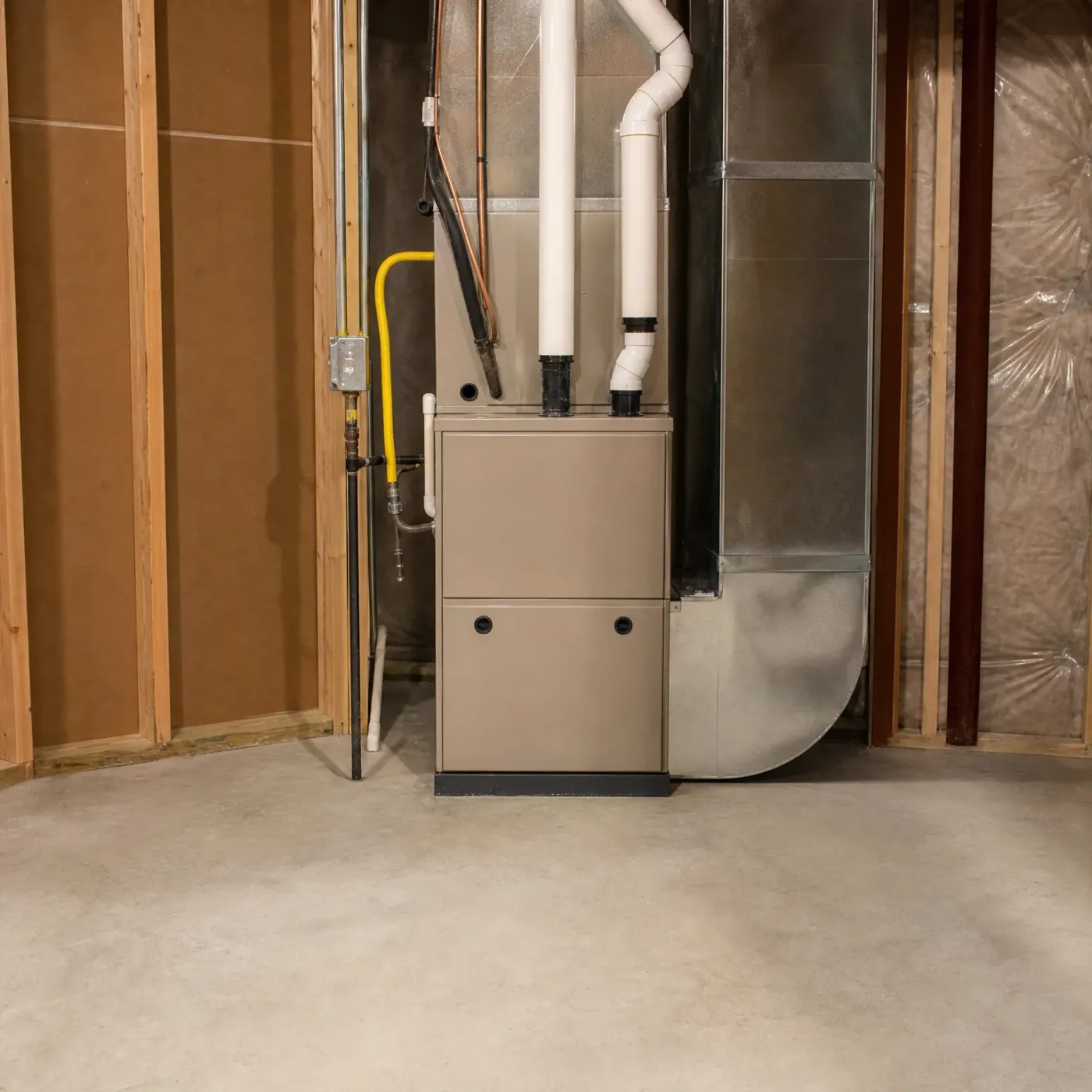
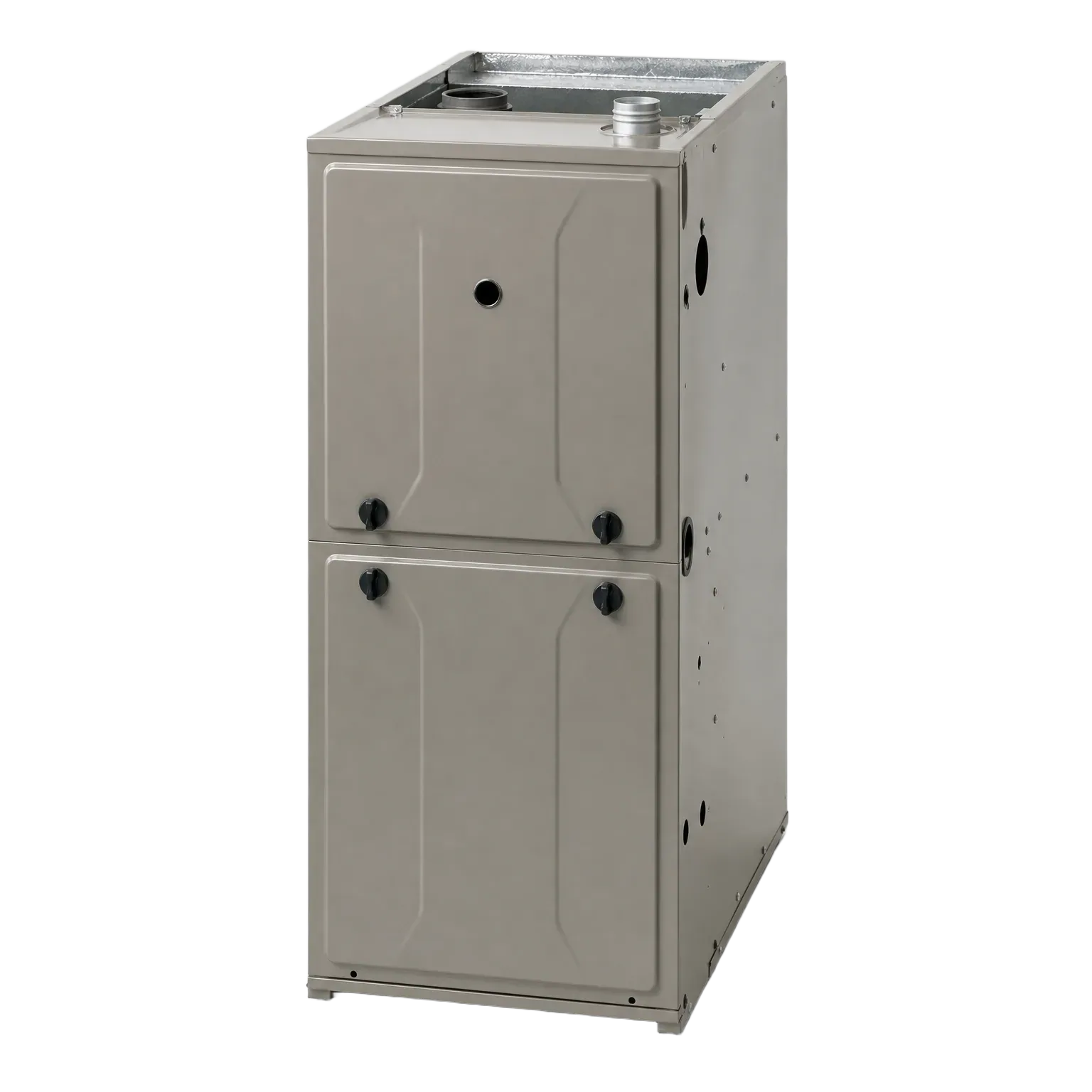
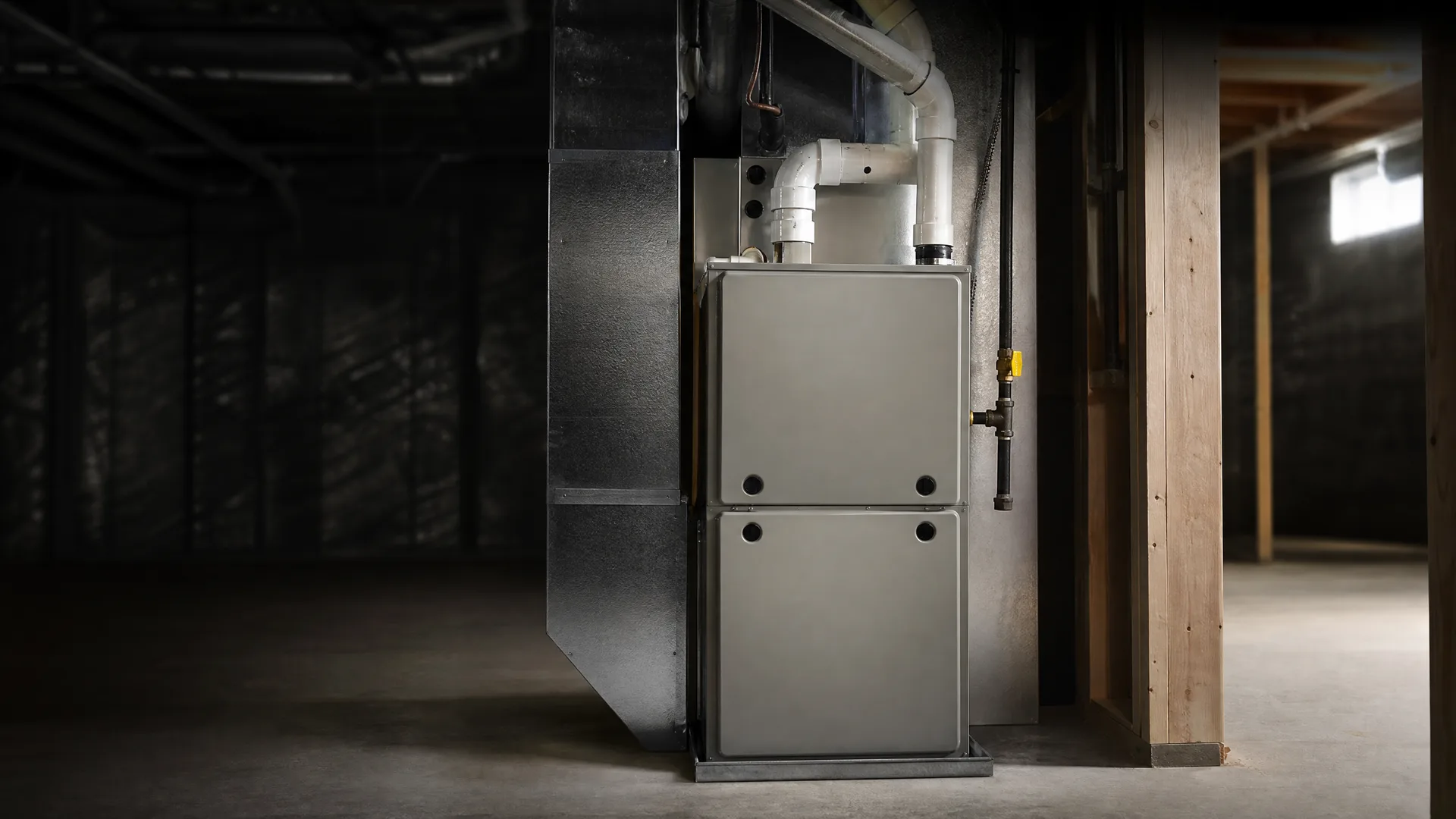
A furnace humidifier does its job from inside the ductwork, not out in a room where you can see it. It mounts on the plenum, the big metal duct coming off the furnace, and ties into a water line so it never needs refilling by hand. Most installs use a water panel, a pad the air passes through on its way back into the house. On a bypass model, that air comes from the supply side, pushed through by the pressure the furnace blower already creates. A fan-powered model doesn't wait on that pressure. It has its own small blower built in, so it can move air through the pad even on a furnace that doesn't generate much static pressure in the ducts.
None of this runs on a timer. A humidistat reads the moisture level in the house, usually mounted near the thermostat or set right into the return duct, and it calls for moisture the same way a thermostat calls for heat. But the humidifier can only act on that call when the furnace blower is actually moving air. If the furnace isn't running, there's no airflow through the pad, so no moisture gets added, no matter what the humidistat is reading. That's why the unit feels tied to the furnace's own cycle rather than working on its own. It's also why a tech setting one up has to get the humidistat reading right. Too high and it overshoots, fogging windows and feeding moisture into places that shouldn't have it.


That's the range most furnace humidifiers are set to hold in winter. Below it, static and cracked skin show up. A contractor sets the humidistat to stay in that range automatically.
Wood gives up moisture to dry air and shrinks. A furnace humidifier keeps enough moisture in the house to slow that, something a space heater or portable unit can't do for the whole house.
Walk through your house in January and check for it. Static shocks at doorknobs and light switches. Skin that won't stop cracking no matter how much lotion you use. A gap opening up between the boards in your wood floor, or trim pulling away from the wall where it used to sit flush. Your throat feels dry when you wake up, even though the furnace ran all night to keep the house warm. None of this is random. It's the furnace pulling what little moisture is left in the air and drying the house out room by room. Left alone, it keeps going at the floors, the furniture, and the people living there.
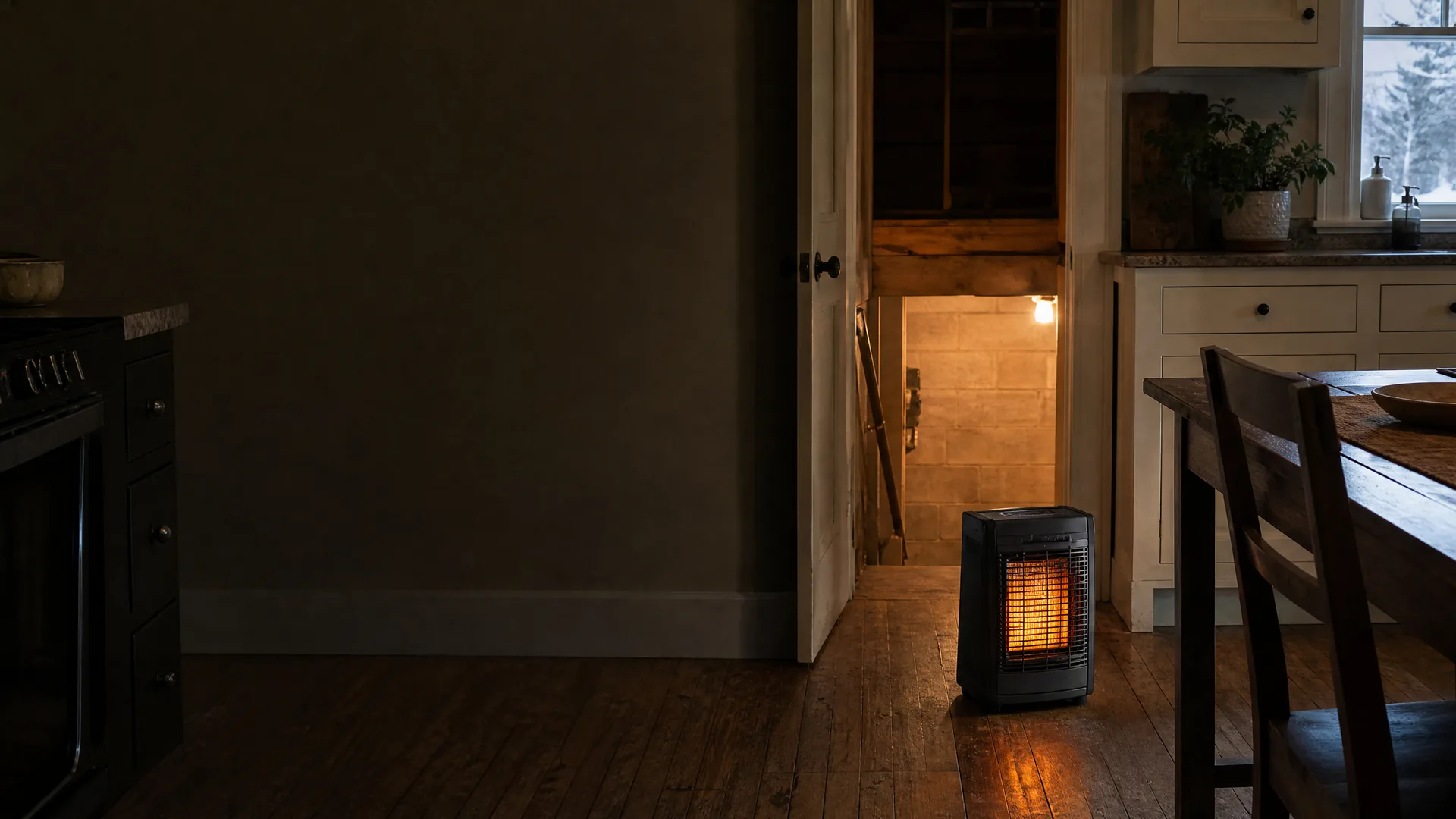
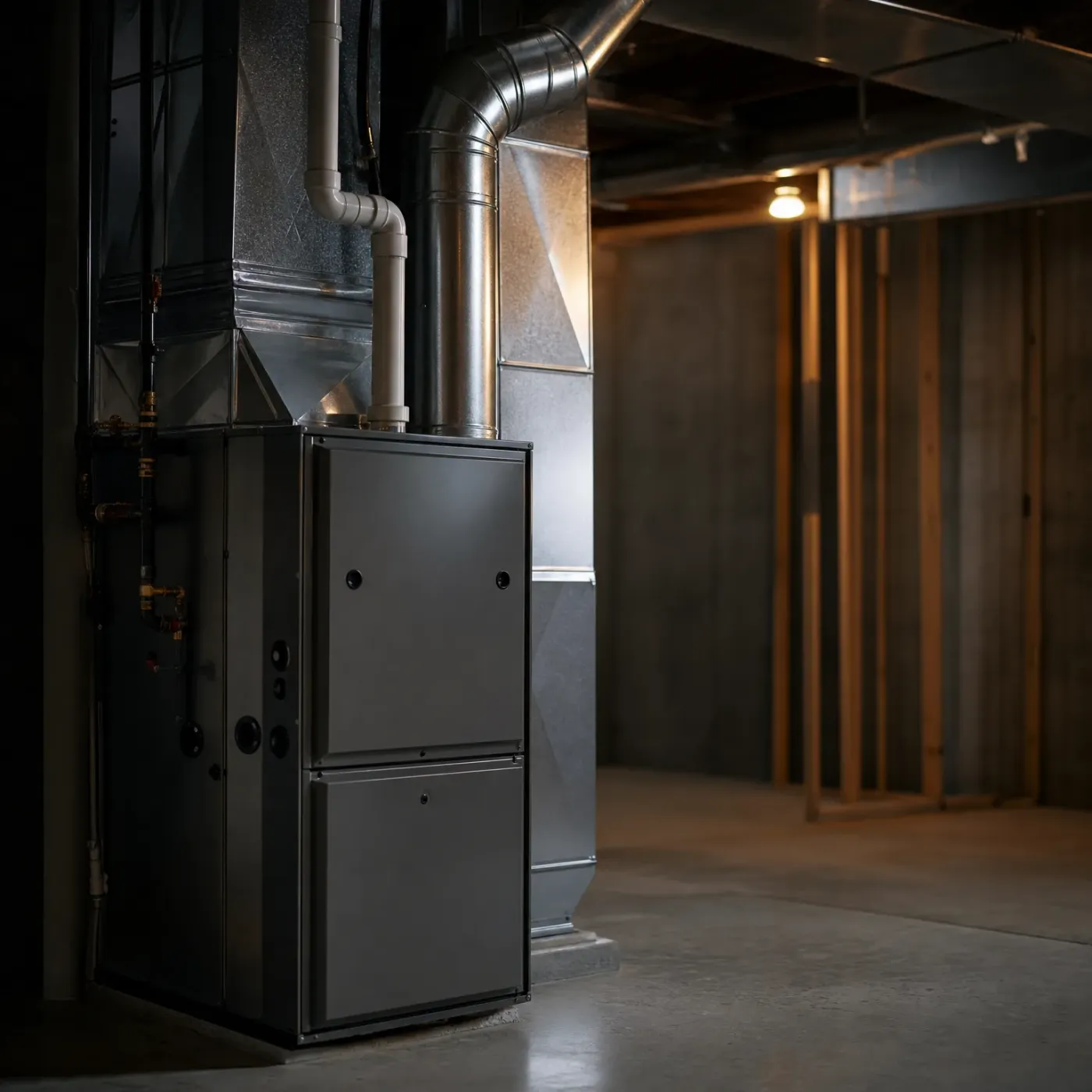
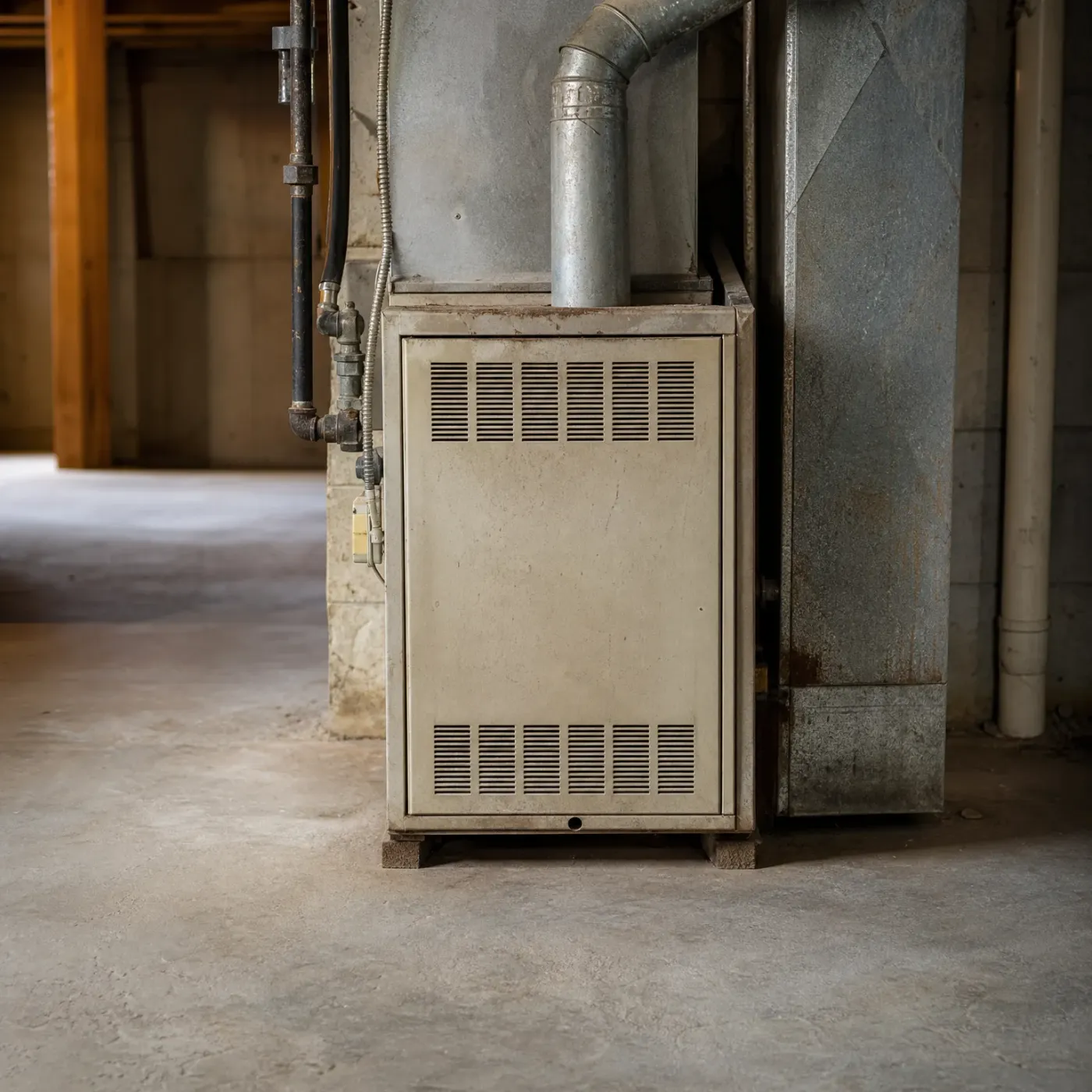
It's early, still dark outside, and the kitchen is the only warm spot in the house. The space heater hums next to the table, its coil glowing orange, while you wait for the coffee to finish. The basement door behind you is open from when you went down to check the furnace again, the one that keeps the thermostat satisfied but never seems to take the chill out of the air itself. Your hands are dry and tight across the knuckles. Static jumps off the fridge handle when you reach for the milk. Outside, the frost is still thick on the car windows, and the house feels colder than the number on the thermostat says it should.
Only one pro gets your request, so you hear from one company.
You only hire the pro if you want to.
A contractor mounts the humidifier on the plenum and ties it into the ductwork and the water line before the heating season gets going. It runs off the furnace's blower, so every cycle that pushes heat through the house also pushes moisture with it. The humidistat holds the house in that 30 to 40 percent range without you touching anything. You stop buying lotion by the gallon, the static at the light switches goes away, and the gaps in the wood floor close back up over the winter instead of getting worse.
The furnace keeps running the same as it always has, drying the air a little more every time it cycles on. Nothing in the house replaces that moisture on its own. You can run a portable unit in a bedroom or two, but it only reaches that one room, and someone has to refill the tank every day or two. By February you're back to cracked knuckles, shocks off every doorknob, and a wider gap in the floor than you started with in October.
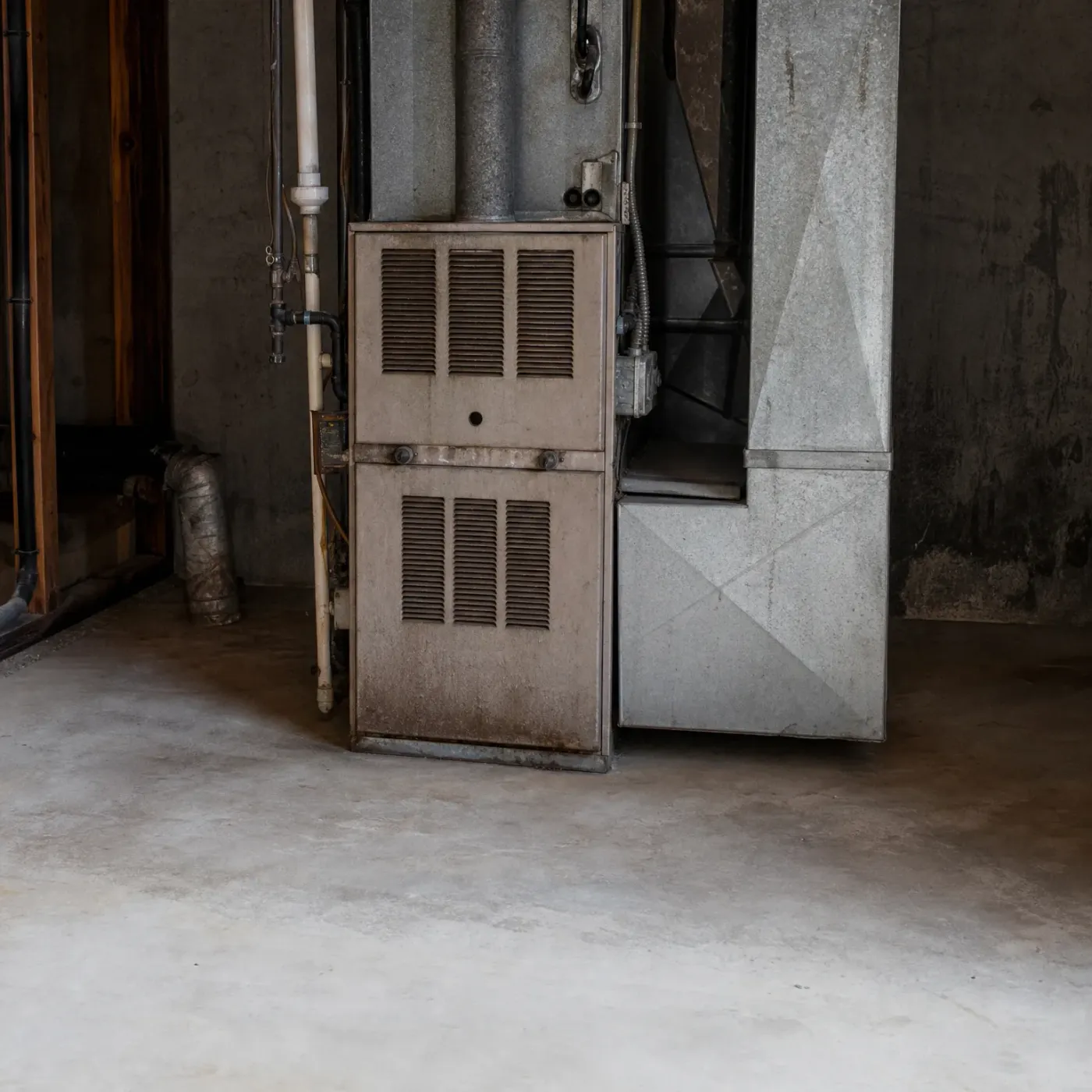
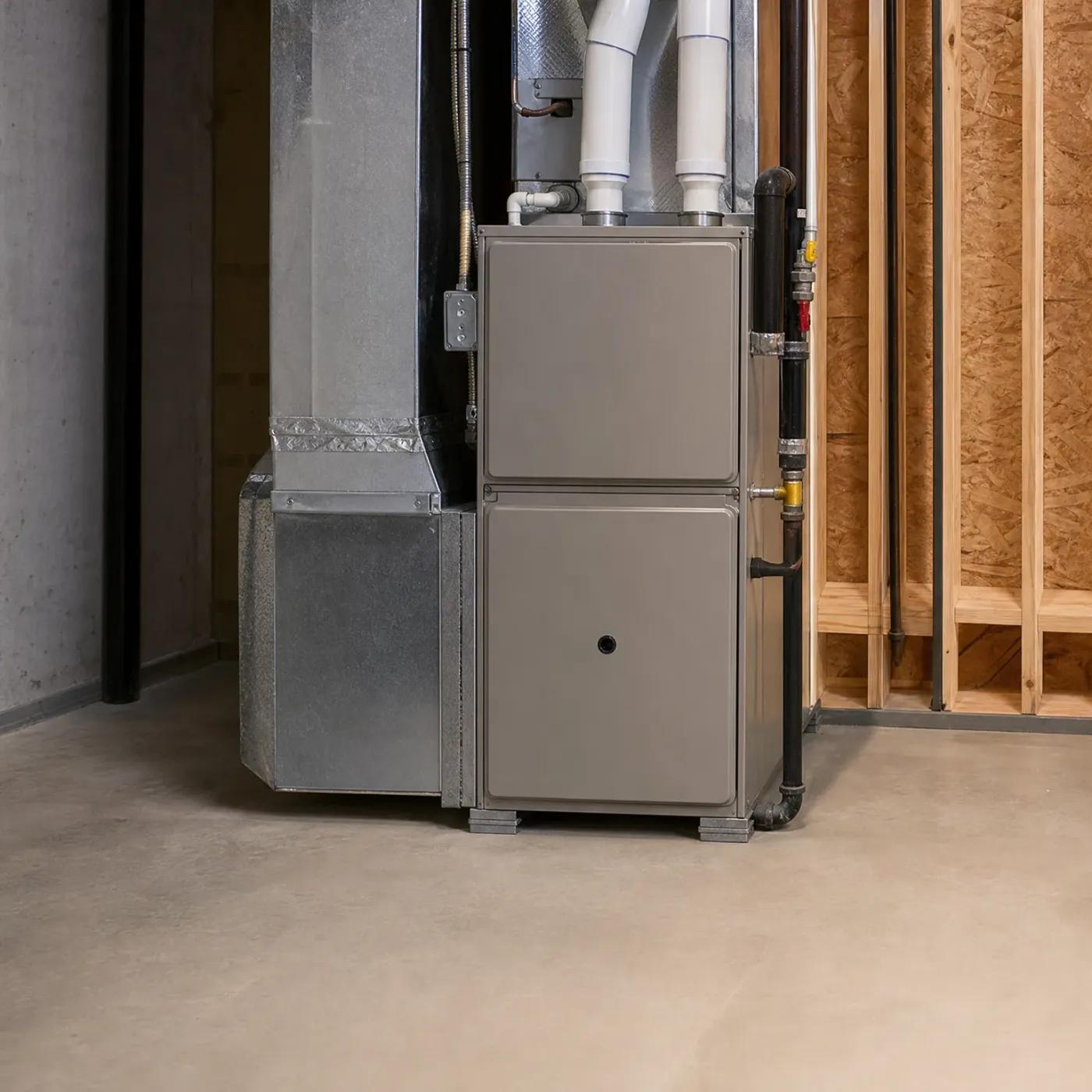
A contractor who installs these year-round in Missouri has a routine for it. The humidifier gets mounted on the plenum, the water line gets tapped and run to it, and the humidistat gets wired in and set, usually in an afternoon. Nothing about the furnace itself changes. It still heats the same way it always has. The only difference is that now, when the blower runs, it's also moving moisture through the ducts along with the warm air. Fall is the usual time for this, before the air outside turns dry and the furnace starts running long hours. Waiting until February means living with the dry air for months longer than you had to.
This isn't a job every furnace company does often, since not every homeowner asks for it. A contractor who works on furnaces all winter in Missouri has seen which humidifier models hold up and which humidistats drift out of calibration after a season or two. Instead of calling around to a handful of companies, describing your furnace and your symptoms to each one, and sorting through different quotes and opinions, you get matched with one licensed local contractor who already knows the equipment common in this area and can tell you straight whether your furnace can take a humidifier or needs something adjusted first.
A 25°F night means your furnace is running long stretches to keep up, and every one of those hours pushes more moisture out of the air in your house. The dry spells aren't occasional here. They're most of your winter.
NOAA nClimDiv 1991-2020 county normals weighted by homes
Cold outside air enters the furnace already carrying very little moisture.
The furnace's blower pushes that dry air across the heat exchanger.
Heated air passes through the humidifier mounted on the plenum.
A water line wets the pad or drum inside the humidifier.
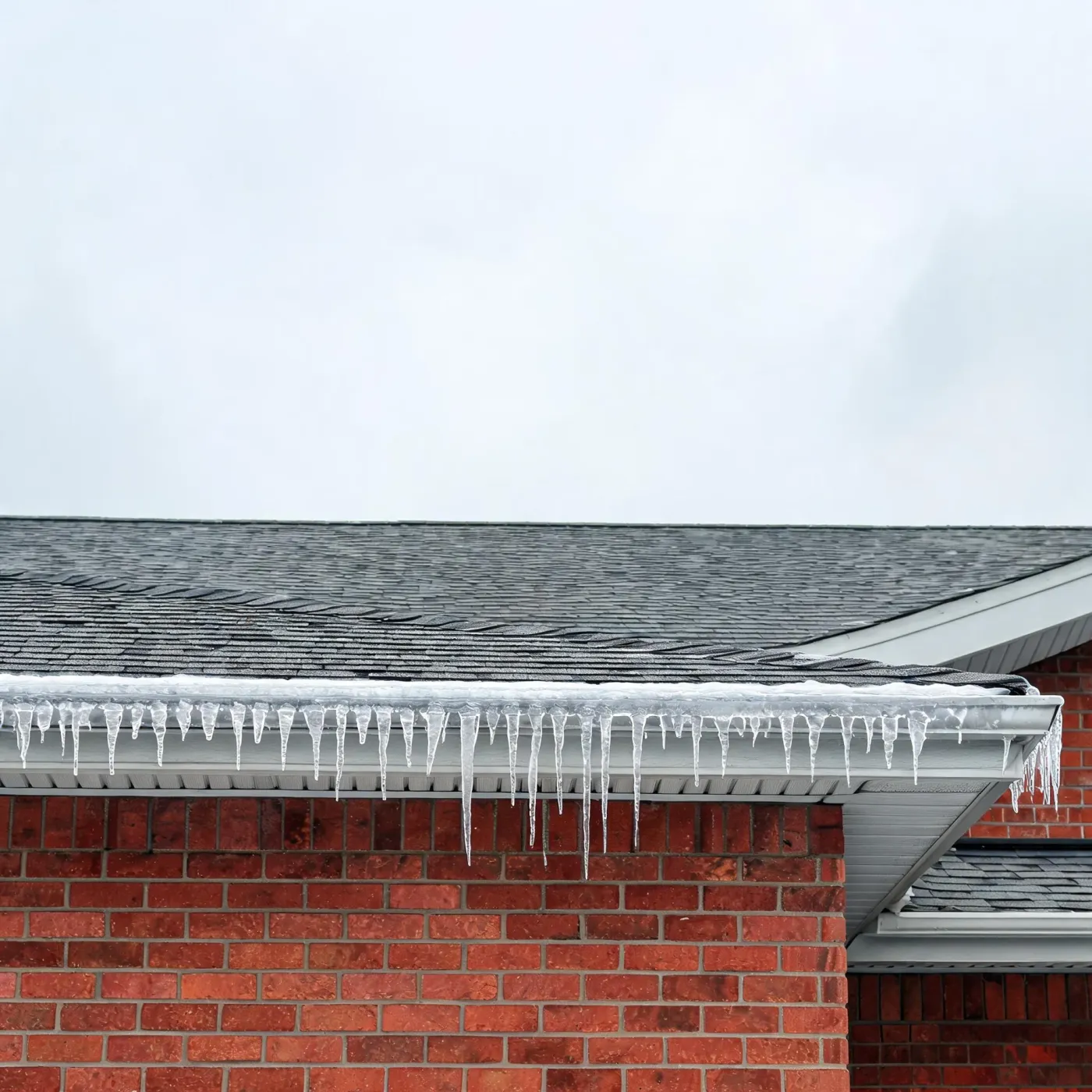
Statewide, winter nights average 25°F, according to NOAA climate data. That's cold enough that your furnace isn't cycling on and off, it's running in long stretches just to hold the house steady. Every one of those stretches pulls more moisture out of the air, and that air has nowhere to get it back. You'll notice it on your own skin before you notice it anywhere else, then in the floors and trim as the wood gives up moisture to the room around it. A humidifier tied into the furnace puts some of that moisture back while the blower is already moving air, so the house doesn't dry out at the same rate all winter.
NOAA nClimDiv 1991-2020 county normals weighted by homes

Most homes in Missouri heat with gas, and gas heat dries the air out all winter. If you're seeing the static shocks, the cracked skin, the gaps opening in your wood floors, that's what's causing it, and a humidifier tied into your furnace is the fix. It runs off the same blower that's already moving heat through your house, so it doesn't add a separate system to think about.
Finding someone to install it is the part you can skip. Instead of calling around to different companies, explaining what you're noticing to each one, and sorting through quotes that all say something different, you get matched with one local contractor who installs these every winter in Missouri and knows the routine: the plenum, the water line, the humidistat, all set up before the cold settles in for good.

One form, no calling around